Kopal Ivan, Harničárová Marta, Valíček Jan, Kušnerová Milena
Institute of Physics, Faculty of Mining and Geology, Vysoká škola báňská-Technical University of Ostrava, 17. Listopadu 15, 708 33 Ostrava, Czech Republic.
Department of Numerical Methods and Computing Modelling, Faculty of Industrial Technologies in Púchov, Alexander Dubček University of Trenčín, Ivana Krasku 491/30, 020 01 Puchov, Slovakia.
Polymers (Basel). 2017 Oct 18;9(10):519. doi: 10.3390/polym9100519.
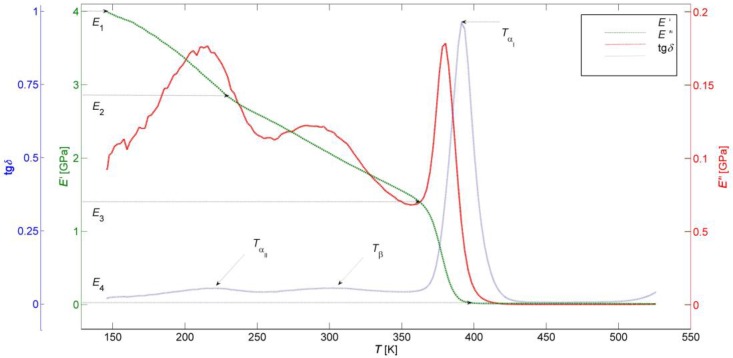
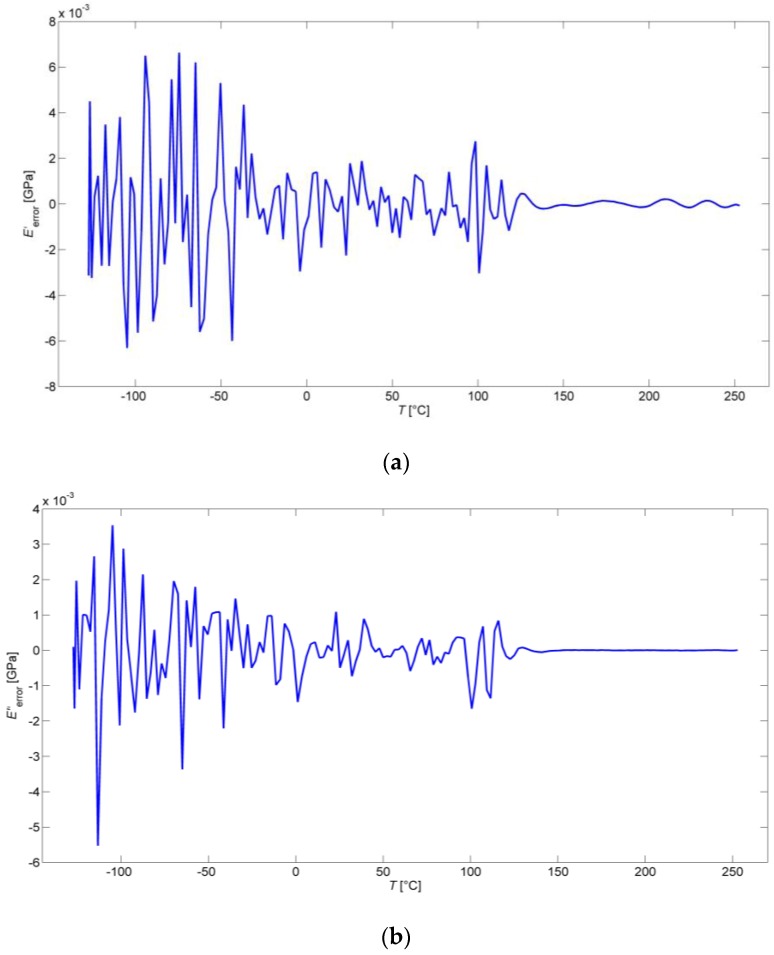
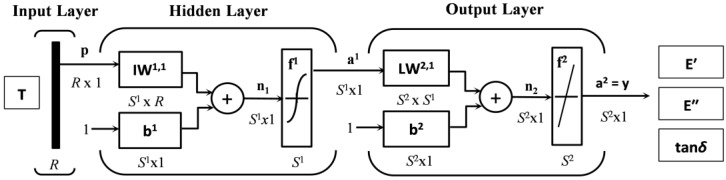
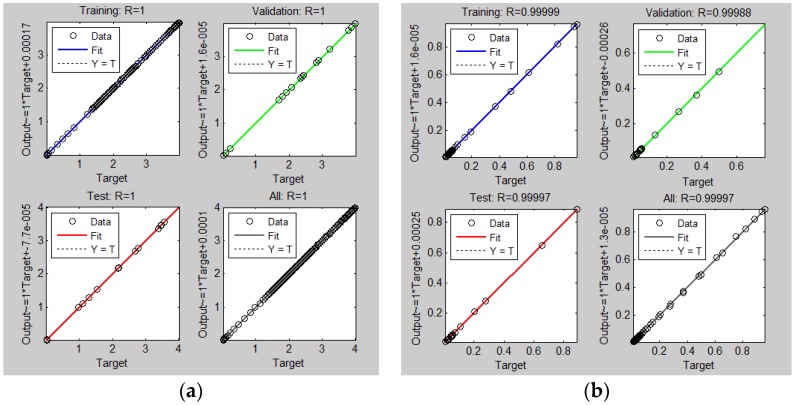
This paper presents one of the soft computing methods, specifically the artificial neural network technique, that has been used to model the temperature dependence of dynamic mechanical properties and visco-elastic behavior of widely exploited thermoplastic polyurethane over the wide range of temperatures. It is very complex and commonly a highly non-linear problem with no easy analytical methods to predict them directly and accurately in practice. Variations of the storage modulus, loss modulus, and the damping factor with temperature were obtained from the dynamic mechanical analysis tests across transition temperatures at constant single frequency of dynamic mechanical loading. Based on dynamic mechanical analysis experiments, temperature dependent values of both dynamic moduli and damping factor were calculated by three models of well-trained multi-layer feed-forward back-propagation artificial neural network. The excellent agreement between the modeled and experimental data has been found over the entire investigated temperature interval, including all of the observed relaxation transitions. The multi-layer feed-forward back-propagation artificial neural network has been confirmed to be a very effective artificial intelligence tool for the modeling of dynamic mechanical properties and for the prediction of visco-elastic behavior of tested thermoplastic polyurethane in the whole temperature range of its service life.
本文介绍了一种软计算方法,具体为人工神经网络技术,该技术已被用于对广泛应用的热塑性聚氨酯在较宽温度范围内的动态力学性能和粘弹性行为的温度依赖性进行建模。这是一个非常复杂且通常高度非线性的问题,在实际中没有简便的分析方法能直接且准确地预测它们。在动态机械加载的恒定单频率下,通过动态力学分析测试获取了储能模量、损耗模量和阻尼因子随温度的变化情况。基于动态力学分析实验,利用三个训练良好的多层前馈反向传播人工神经网络模型计算了动态模量和阻尼因子的温度相关值。在整个研究温度区间内,包括所有观察到的松弛转变,均发现建模数据与实验数据具有极好的一致性。多层前馈反向传播人工神经网络已被证实是一种非常有效的人工智能工具,可用于对动态力学性能进行建模以及预测测试热塑性聚氨酯在其整个使用寿命温度范围内的粘弹性行为。