Leng Weiqi, Li Jinghao, Cai Zhiyong
U.S. Department of Agriculture, Forest Service, Forest Products Laboratory, Madison, WI 53726, USA.
Department of Biomaterials, International Center for Bamboo and Rattan, Beijing 10000, China.
Polymers (Basel). 2017 Nov 10;9(11):597. doi: 10.3390/polym9110597.
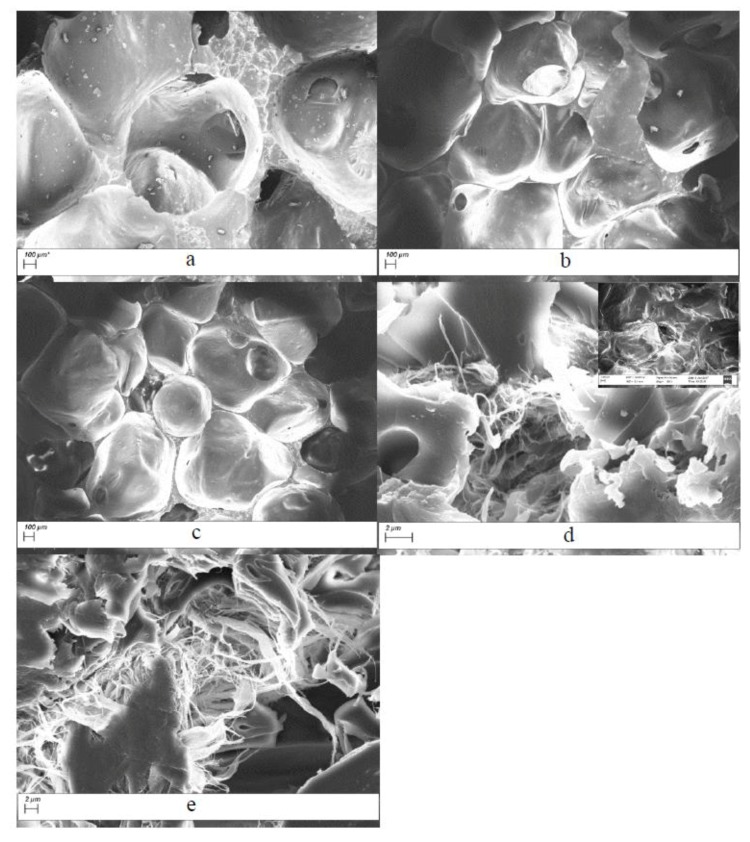
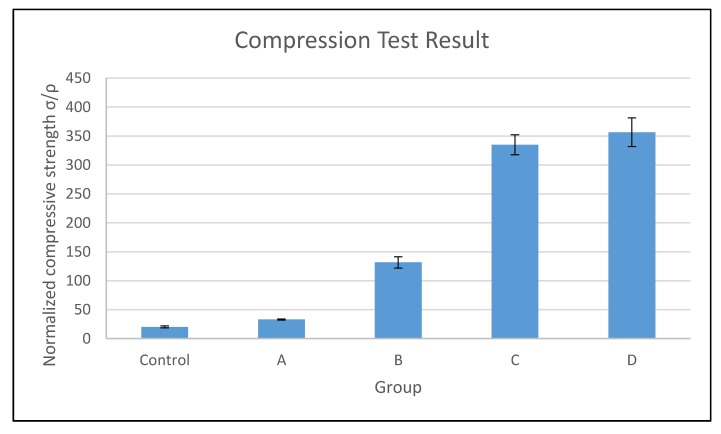
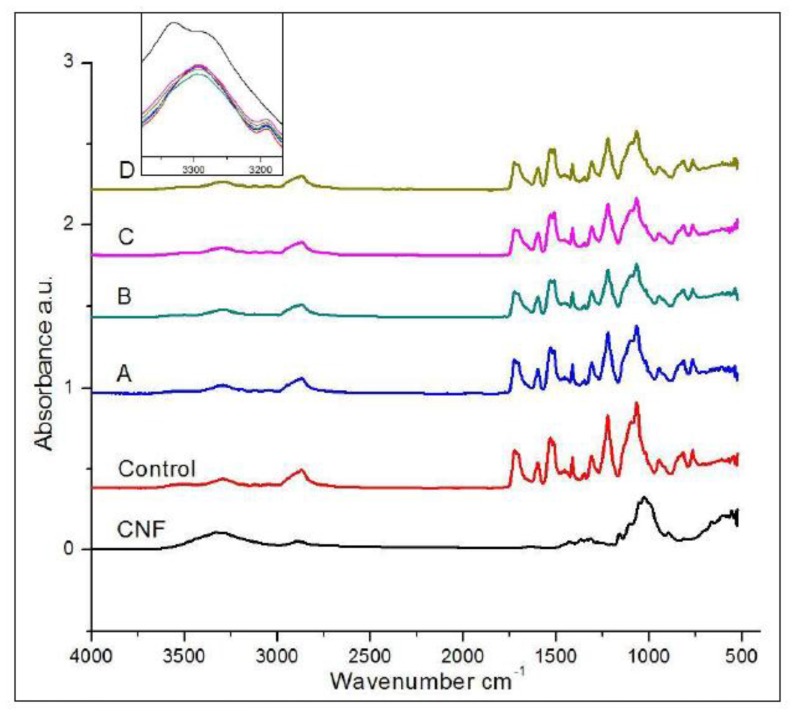
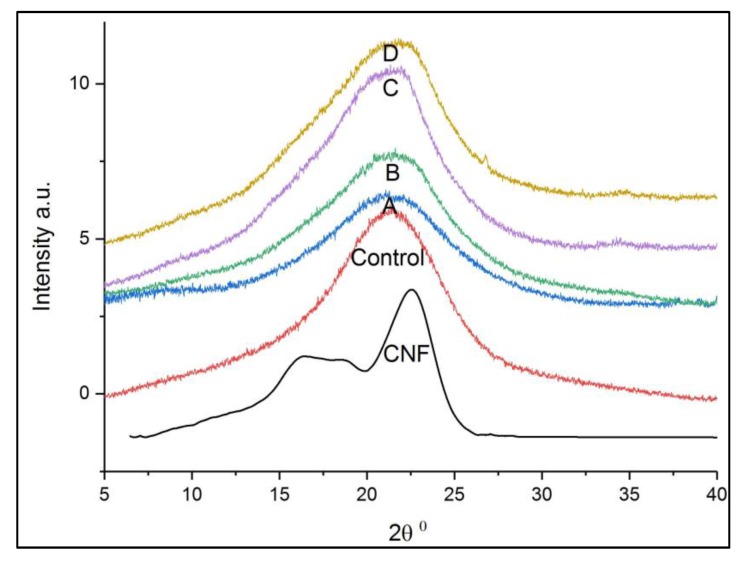
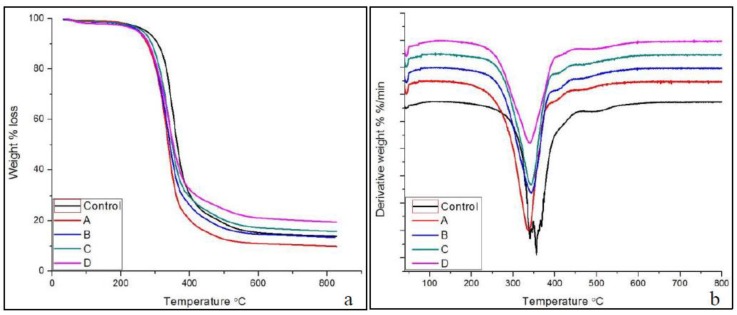
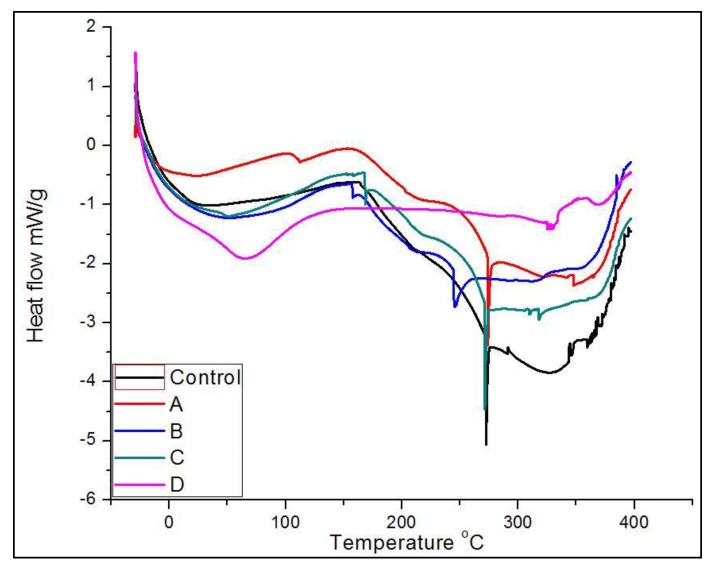
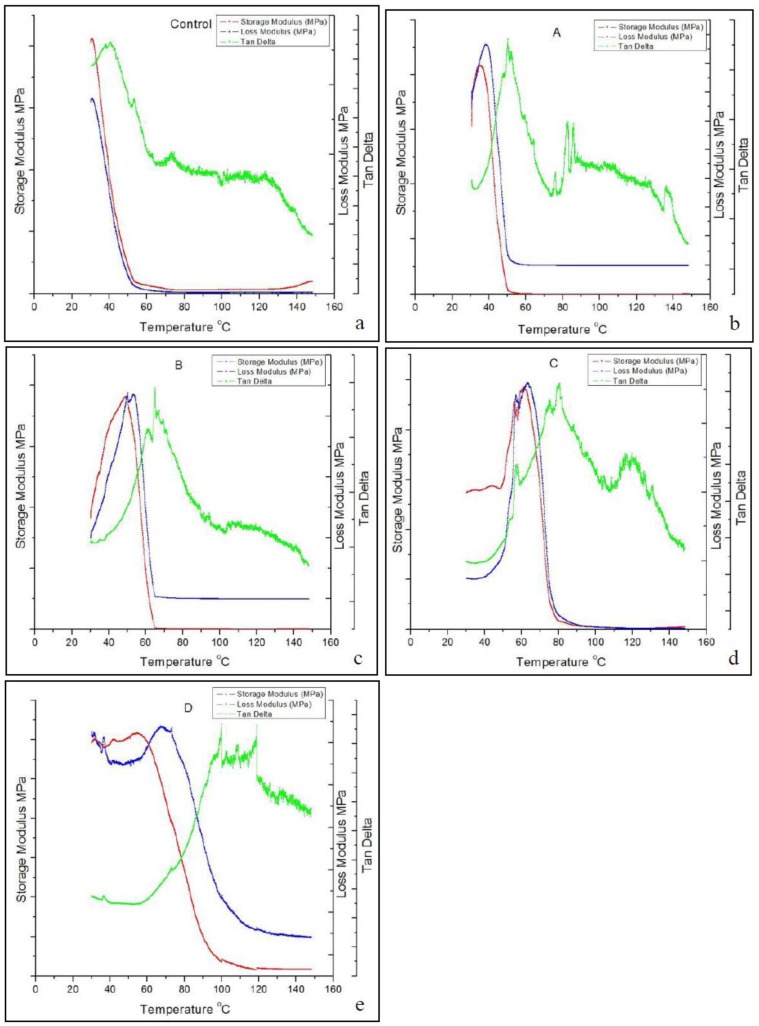
In this study, traditional polyol was partially replaced with green, environmentally friendly cellulose nanofibrils (CNF). The effects of CNF on the performance of CNF-reinforced polyurethane foam nanocomposites were investigated using scanning electron microscopy, Fourier transform infrared spectroscopy (FT-IR), X-ray diffraction (XRD) analysis, thermogravimetric analysis (TGA), differential scanning calorimetry (DSC), dynamic mechanical analysis (DMA), and a compression test. The results showed that the introduction of CNF into the polyurethane matrix not only created stronger urethane bonding between the hydroxyl groups in the cellulose chain and isocyanate groups in polymethylene polyphenylisocyanate, but also developed an additional filler⁻matrix interaction between CNF and polyurethane. With the increase of the CNF replacement ratio, a higher glass transition temperature was obtained, and a higher amount of char residue was generated. In addition, an increase of up to 18-fold in compressive strength was achieved for CNF-PUF (polyurethane foam) nanocomposites with a 40% CNF replacement ratio. CNF has proved to be a promising substitute for traditional polyols in the preparation of polyurethane foams. This study provides an interesting method to synthesize highly green bio-oriented polyurethane foams.
在本研究中,传统多元醇被绿色环保的纤维素纳米纤维(CNF)部分替代。使用扫描电子显微镜、傅里叶变换红外光谱(FT-IR)、X射线衍射(XRD)分析、热重分析(TGA)、差示扫描量热法(DSC)、动态力学分析(DMA)和压缩试验,研究了CNF对CNF增强聚氨酯泡沫纳米复合材料性能的影响。结果表明,将CNF引入聚氨酯基体中,不仅在纤维素链中的羟基与聚亚甲基多苯基异氰酸酯中的异氰酸酯基团之间形成了更强的聚氨酯键,而且在CNF与聚氨酯之间还形成了额外的填料-基体相互作用。随着CNF替代率的增加,获得了更高的玻璃化转变温度,并且产生了更高量的残炭。此外,对于CNF替代率为40%的CNF-PUF(聚氨酯泡沫)纳米复合材料,抗压强度提高了18倍。事实证明,CNF在制备聚氨酯泡沫方面是传统多元醇的一种有前景的替代品。本研究提供了一种合成高度绿色生物基聚氨酯泡沫的有趣方法。