Li Pengqiang, Han Jiandong, Li Di, Chen Jinjin, Wang Wei, Xu Weiguo
Department of Chemistry, Changchun University of Science and Technology, Changchun 130022, China.
Key Laboratory of Polymer Ecomaterials, Changchun Institute of Applied Chemistry, Chinese Academy of Sciences, Changchun 130022, China.
Polymers (Basel). 2018 Jun 4;10(6):611. doi: 10.3390/polym10060611.
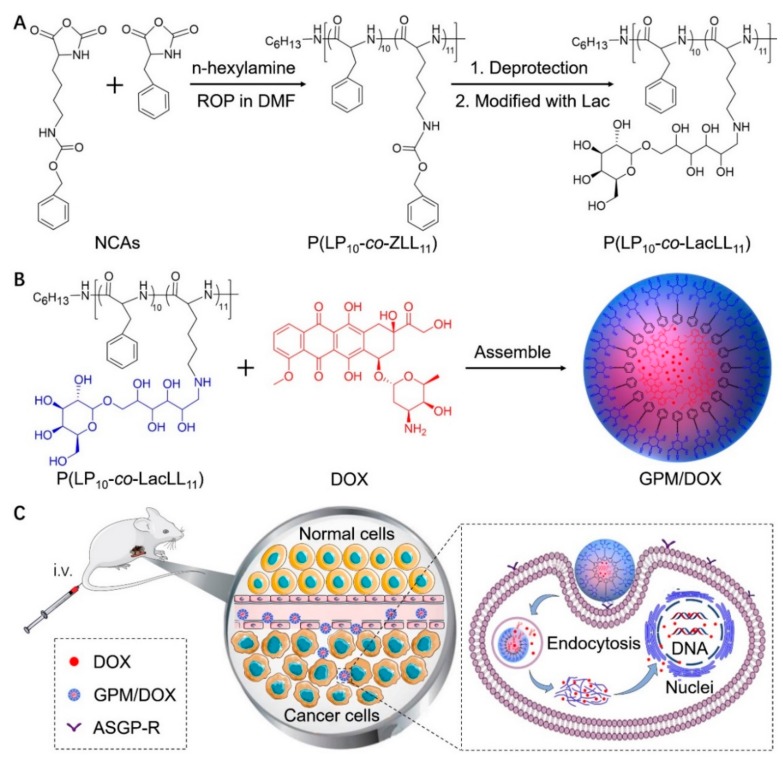
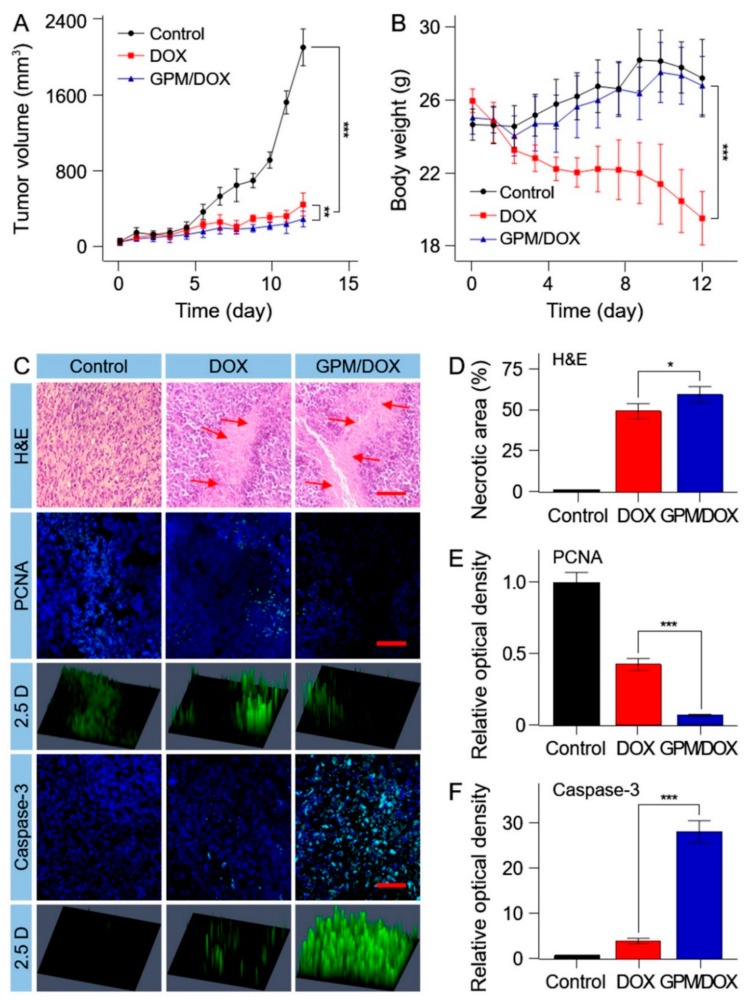
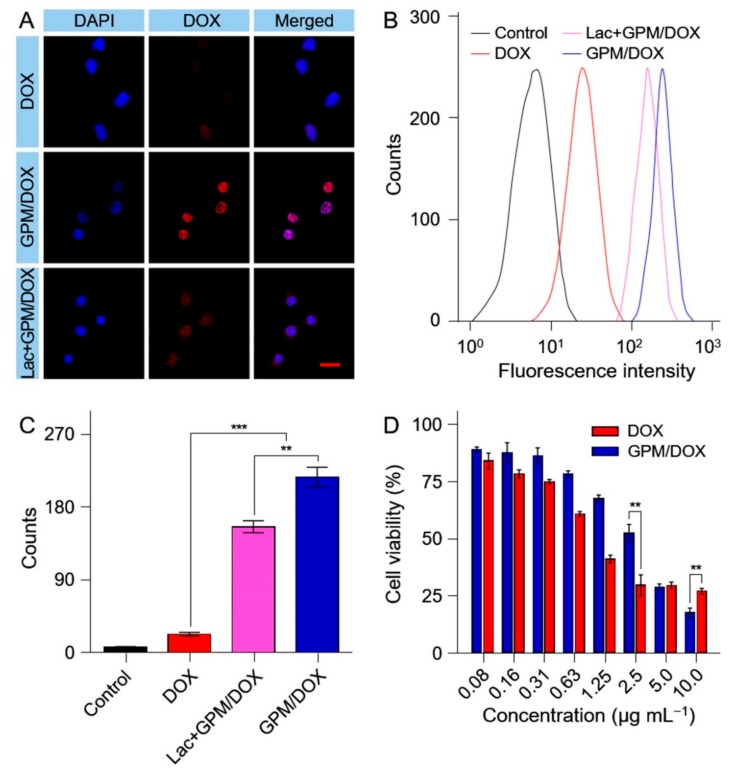
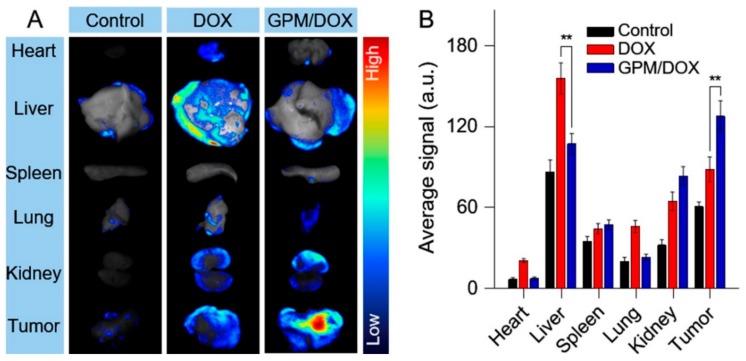
The targeted delivery of chemotherapy drugs to tumor lesions is a major challenge for the treatment of tumors. Up until now, various polymeric nanoparticles have been explored to improve the targetability of these therapeutic drugs through passive or active targeting processes. In the design and construction of polymer nanoparticles, glycopolypeptide has shown great potential owing to its excellent targeting ability and biocompatibility. In order to enhance the antitumor effect of doxorubicin (DOX), a glycopolypeptide-based micelle (GPM) modified by α-lactose (Lac) was synthesized for targeted treatment of hepatoma. The DOX-loaded GPM (i.e., GPM/DOX) could significantly target human hepatoma (HepG2) cells and further inhibit their proliferation . Additionally, GPM/DOX exhibited a much higher drug accumulation in tumor tissue and a stronger antitumor effect than free DOX. The above results revealed that this drug delivery system provides a promising platform for the targeting therapy of hepatic cancer.
将化疗药物靶向递送至肿瘤病灶是肿瘤治疗面临的一项重大挑战。截至目前,人们已探索了各种聚合物纳米颗粒,通过被动或主动靶向过程来提高这些治疗药物的靶向性。在聚合物纳米颗粒的设计与构建中,糖多肽因其出色的靶向能力和生物相容性而展现出巨大潜力。为增强阿霉素(DOX)的抗肿瘤效果,合成了一种经α-乳糖(Lac)修饰的基于糖多肽的胶束(GPM),用于肝癌的靶向治疗。负载DOX的GPM(即GPM/DOX)能够显著靶向人肝癌(HepG2)细胞,并进一步抑制其增殖。此外,GPM/DOX在肿瘤组织中的药物蓄积量比游离DOX高得多,且抗肿瘤效果更强。上述结果表明,这种药物递送系统为肝癌的靶向治疗提供了一个有前景的平台。