Department of Genetic Medicine, Faculty of Medicine, King Abdulaziz University, Jeddah, Saudi Arabia.
Centre for Omic Sciences, Islamia College Peshawar, Pakistan.
Brain. 2019 May 1;142(5):1242-1254. doi: 10.1093/brain/awz075.
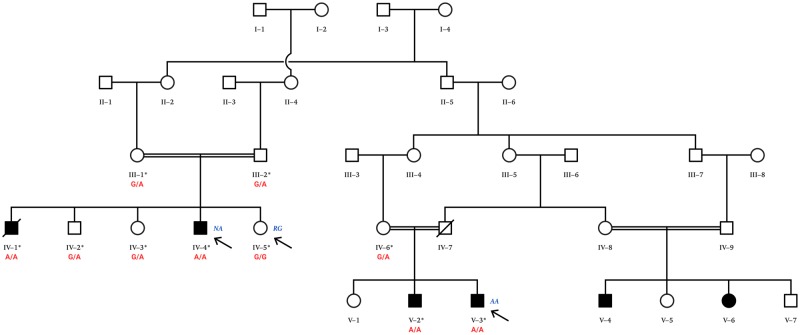
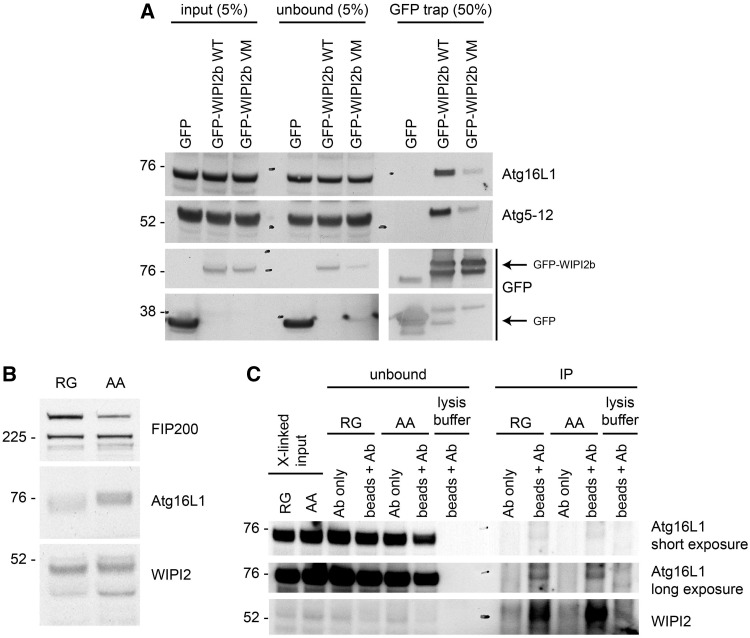
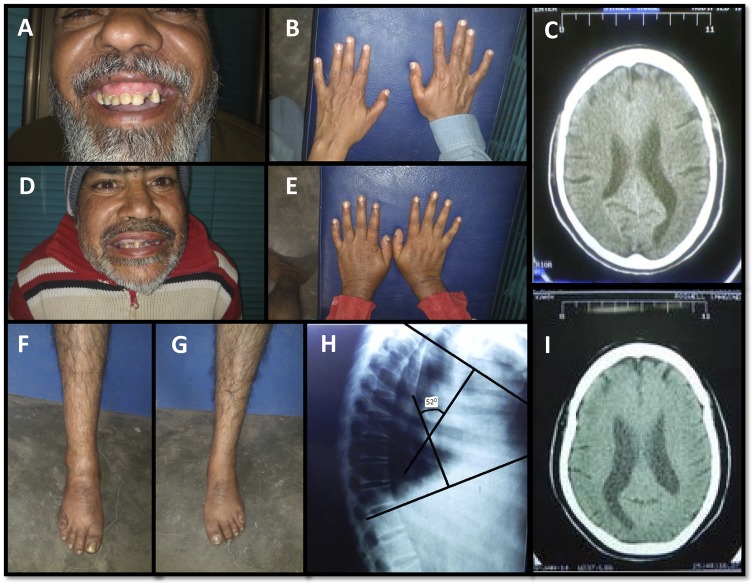
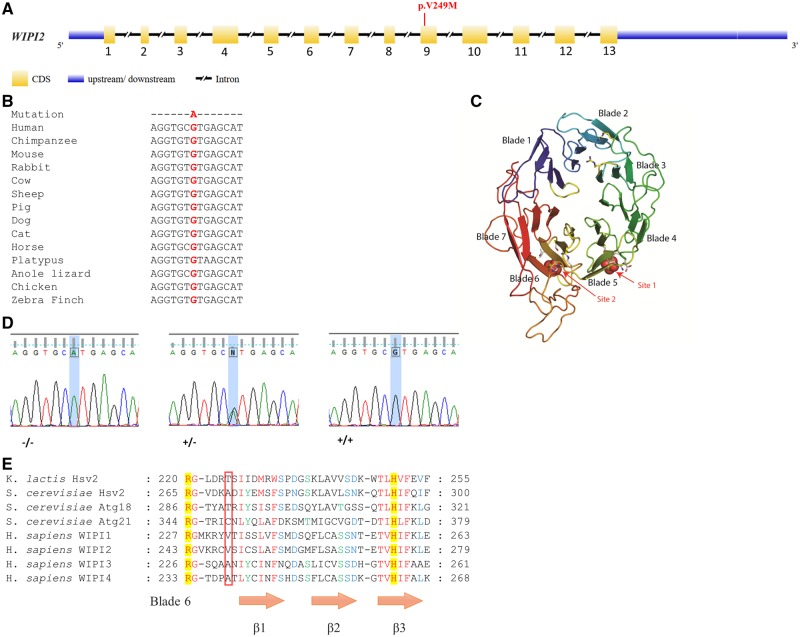
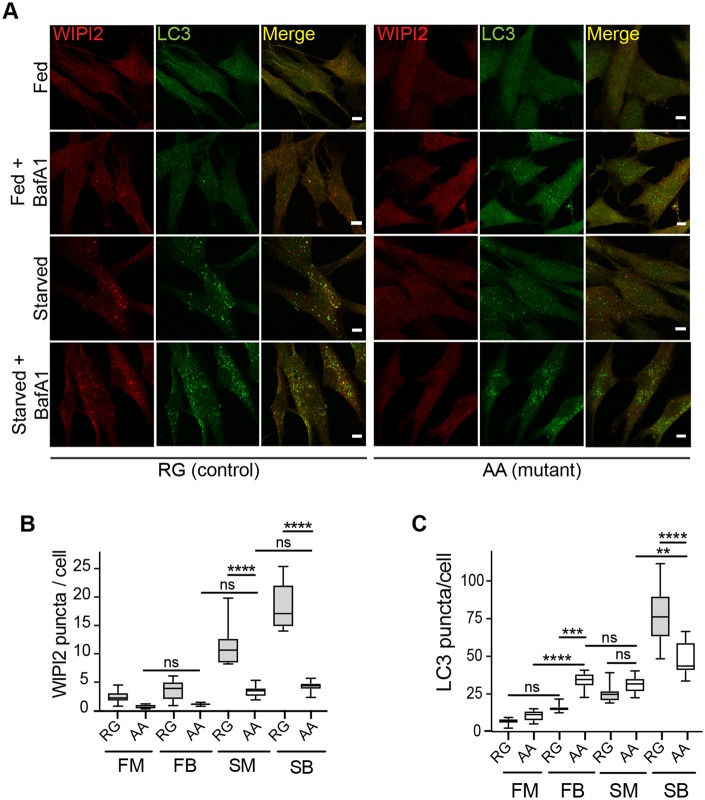
We describe a large consanguineous pedigree from a remote area of Northern Pakistan, with a complex developmental disorder associated with wide-ranging symptoms, including mental retardation, speech and language impairment and other neurological, psychiatric, skeletal and cardiac abnormalities. We initially carried out a genetic study using the HumanCytoSNP-12 v2.1 Illumina gene chip on nine family members and identified a single region of homozygosity shared amongst four affected individuals on chromosome 7p22 (positions 3059377-5478971). We performed whole-exome sequencing on two affected individuals from two separate branches of the extended pedigree and identified a novel nonsynonymous homozygous mutation in exon 9 of the WIPI2 (WD-repeat protein interacting with phosphoinositide 2) gene at position 5265458 (c.G745A;pV249M). WIPI2 plays a critical role in autophagy, an evolutionary conserved cellular pathway implicated in a growing number of medical conditions. The mutation is situated in a highly conserved and critically important region of WIPI2, responsible for binding PI(3)P and PI(3,5)P2, an essential requirement for autophagy to proceed. The mutation is absent in all public databases, is predicted to be damaging and segregates with the disease phenotype. We performed functional studies in vitro to determine the potential effects of the mutation on downstream pathways leading to autophagosome assembly. Binding of the V231M mutant of WIPI2b to ATG16L1 (as well as ATG5-12) is significantly reduced in GFP pull-down experiments, and fibroblasts derived from the patients show reduced WIPI2 puncta, reduced LC3 lipidation and reduced autophagic flux.
我们描述了一个来自巴基斯坦北部偏远地区的大型近亲家族,该家族患有与广泛症状相关的复杂发育障碍,包括智力障碍、言语和语言障碍以及其他神经、精神、骨骼和心脏异常。我们最初使用 HumanCytoSNP-12 v2.1 Illumina 基因芯片对 9 名家族成员进行了遗传研究,在 7p22 染色体上(位置 3059377-5478971)发现了 4 名受影响个体之间共享的单个纯合区域。我们对来自扩展家系两个分支的两个受影响个体进行了全外显子组测序,在 WIPI2(WD 重复蛋白与磷酸肌醇 2 相互作用)基因的外显子 9 中发现了一个位置为 5265458 的新的非同义纯合突变(c.G745A;pV249M)。WIPI2 在自噬中起着至关重要的作用,自噬是一种进化上保守的细胞途径,与越来越多的医学病症有关。该突变位于 WIPI2 的高度保守和关键区域,负责结合 PI(3)P 和 PI(3,5)P2,这是自噬进行的必要条件。该突变在所有公共数据库中均不存在,预计具有破坏性,并与疾病表型分离。我们进行了体外功能研究,以确定突变对导致自噬体组装的下游途径的潜在影响。在 GFP 下拉实验中,WIPI2b 的 V231M 突变体与 ATG16L1(以及 ATG5-12)的结合显著减少,并且源自患者的成纤维细胞显示出 WIPI2 斑点减少、LC3 脂质化减少和自噬通量减少。