Laboratory of Transcriptional Regulation in Leukemogenesis, International Research Center for Medical Sciences (IRCMS), Kumamoto University, 2-2-1 Honjo, Chuo Ward, Kumamoto, 860-0811, Japan.
Department of Hematology, Kumamoto University, 1-1-1 Honjo, Chuo Ward, Kumamoto, 860-8556, Japan.
Nat Commun. 2019 Apr 10;10(1):1653. doi: 10.1038/s41467-019-09710-z.
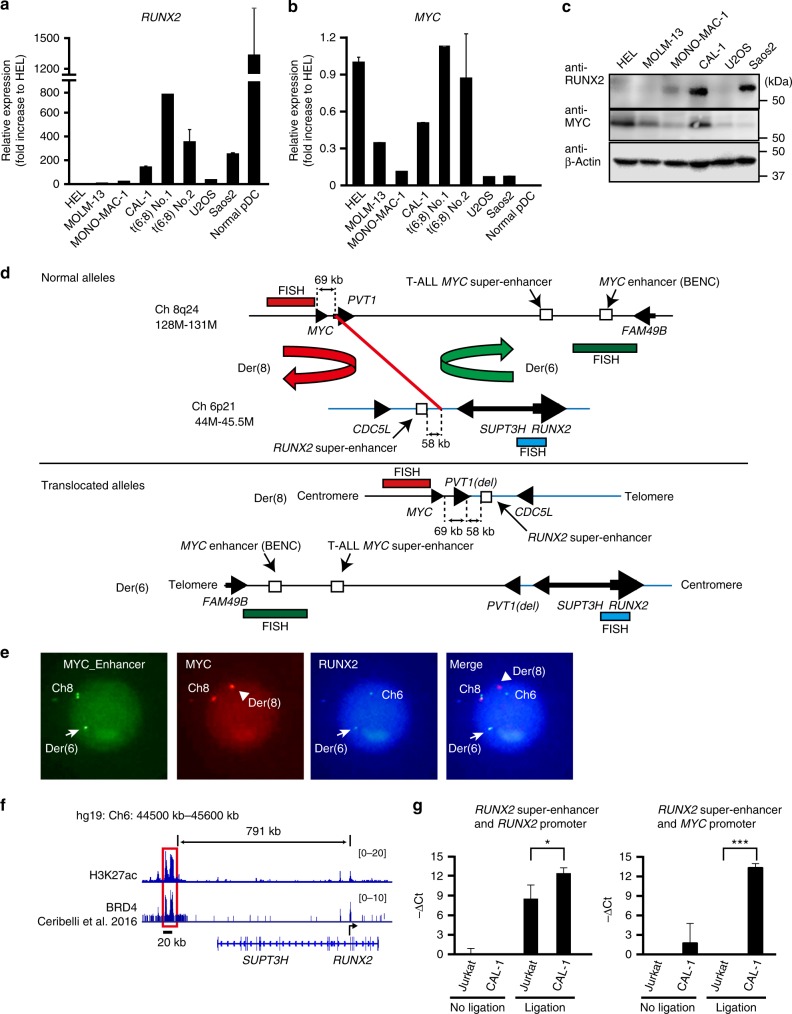
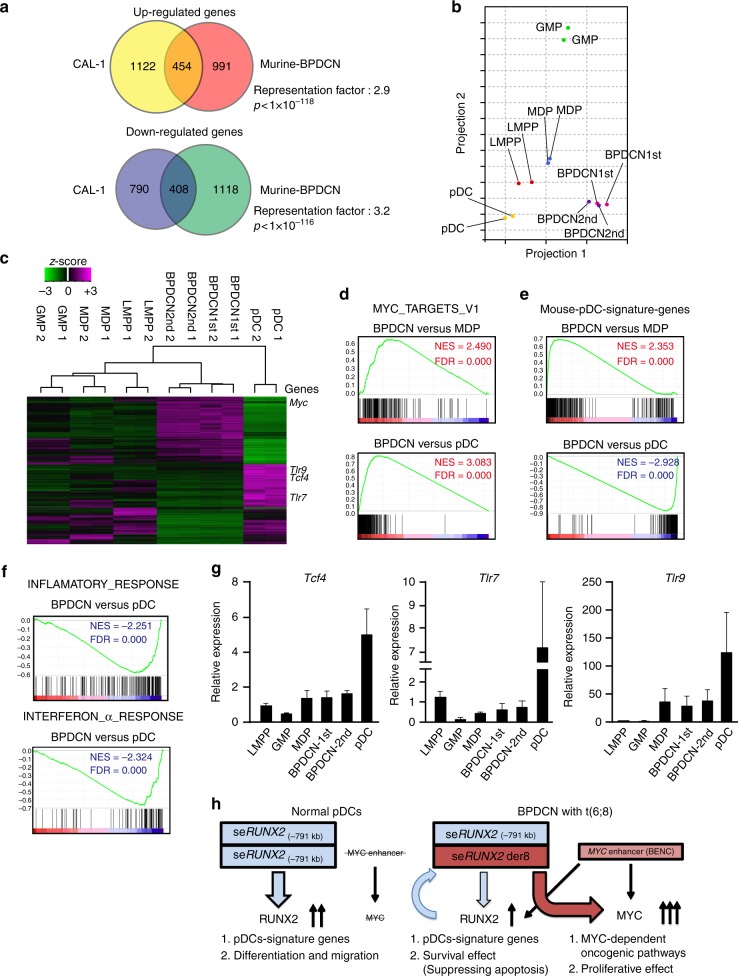
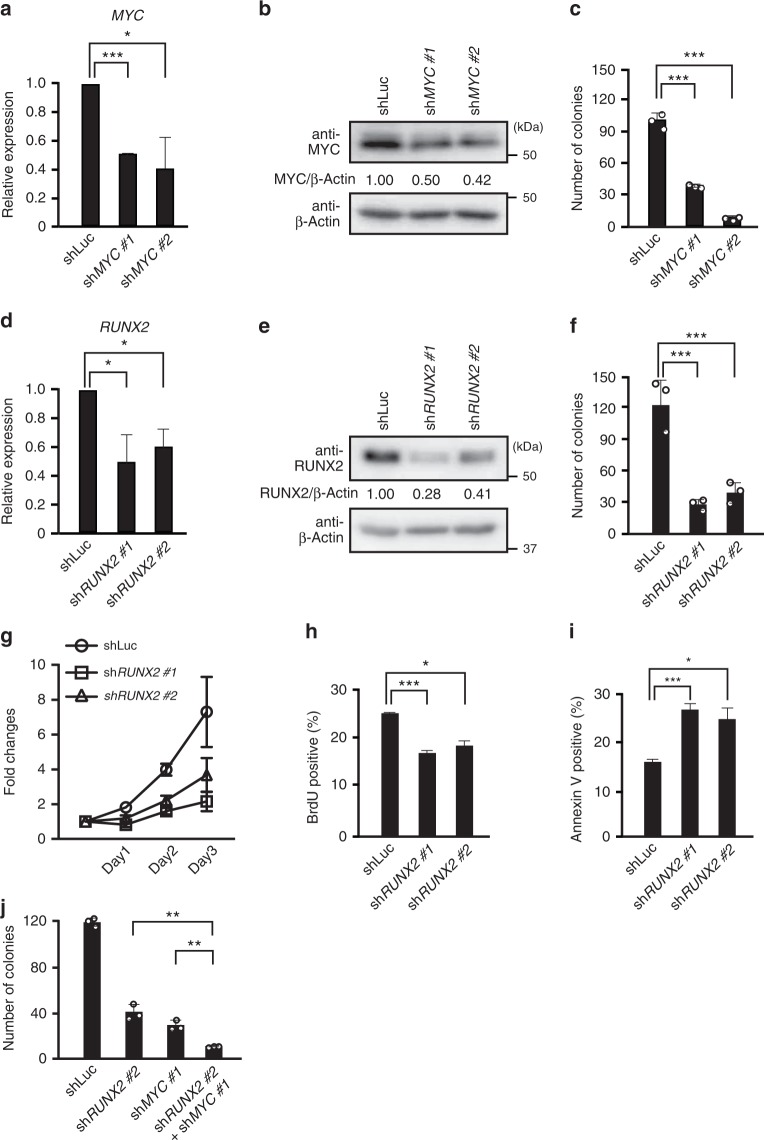
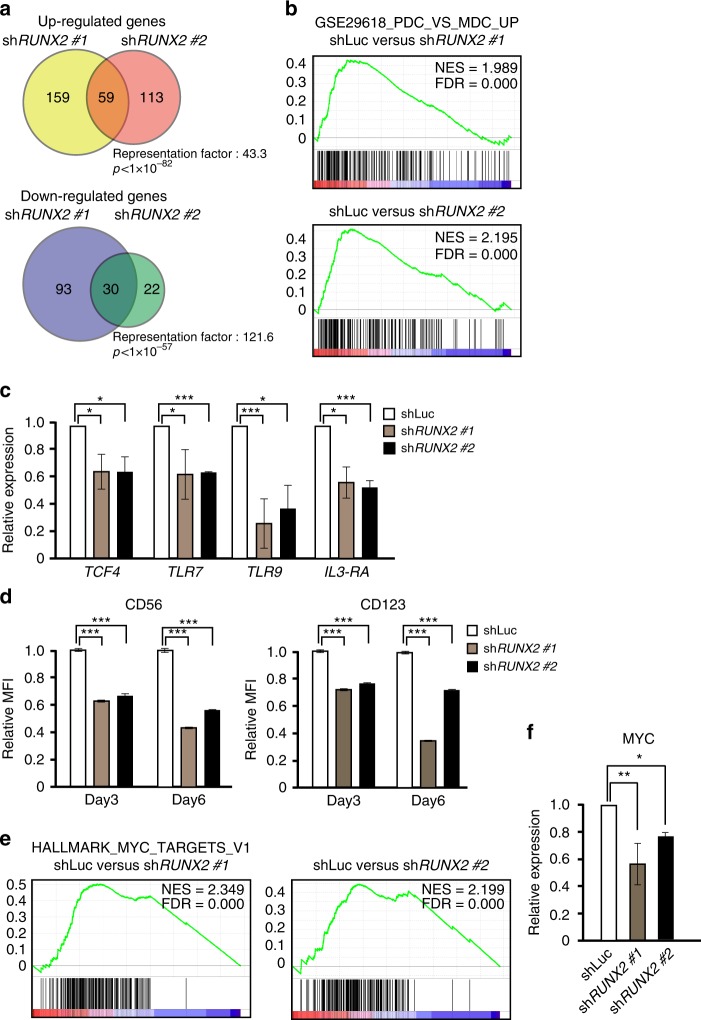
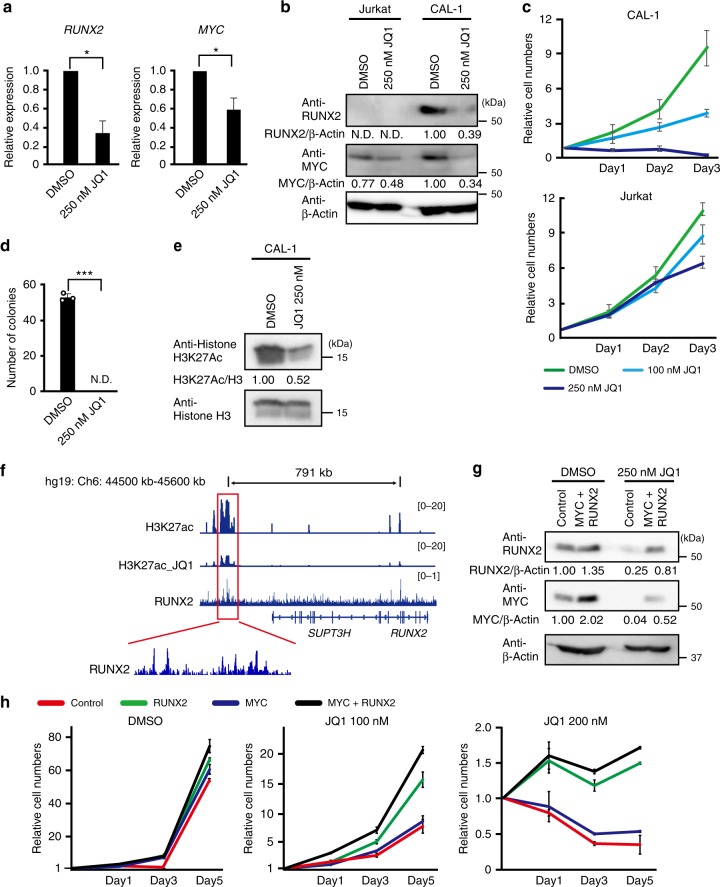
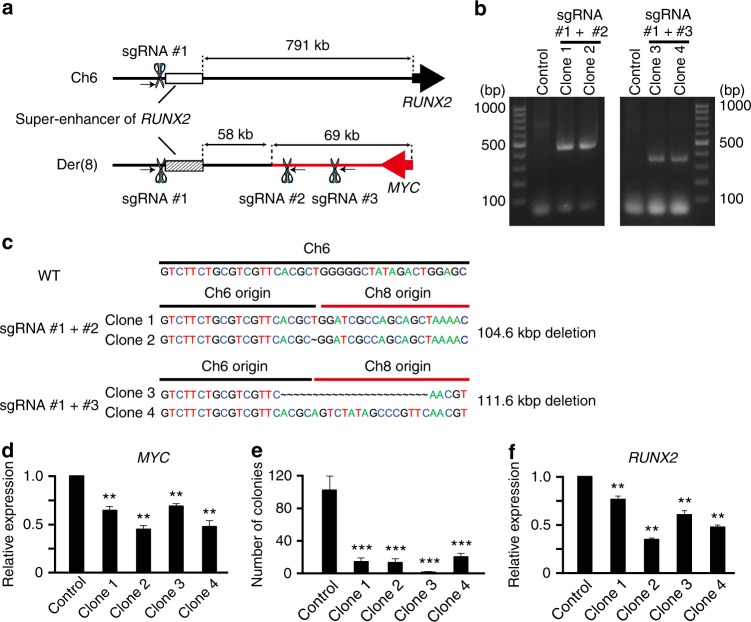
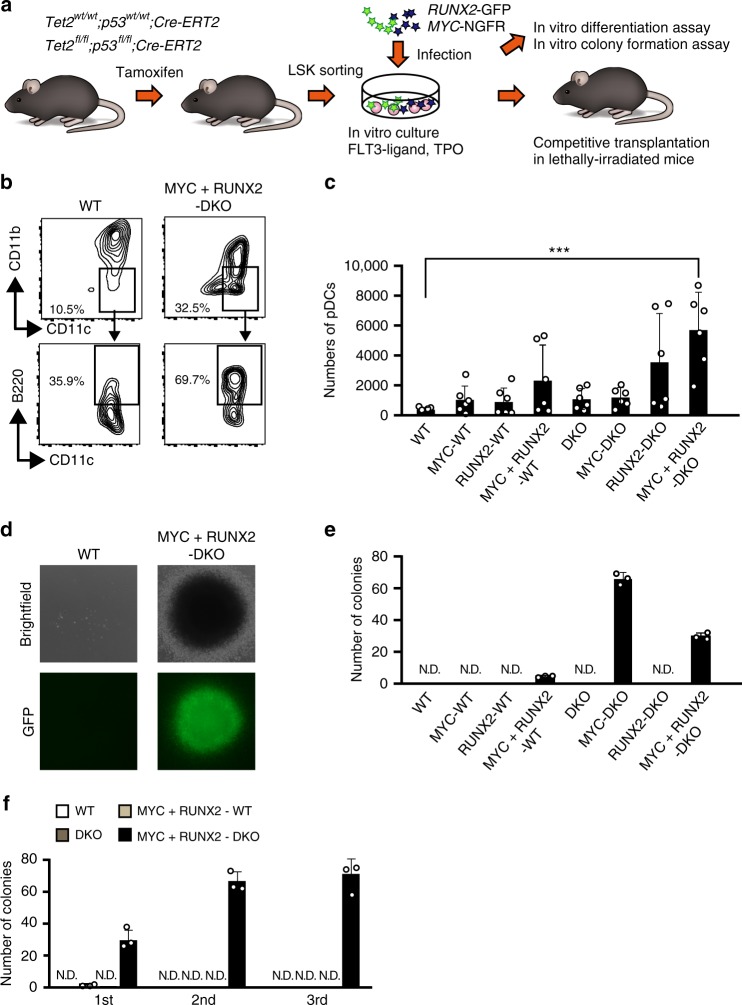
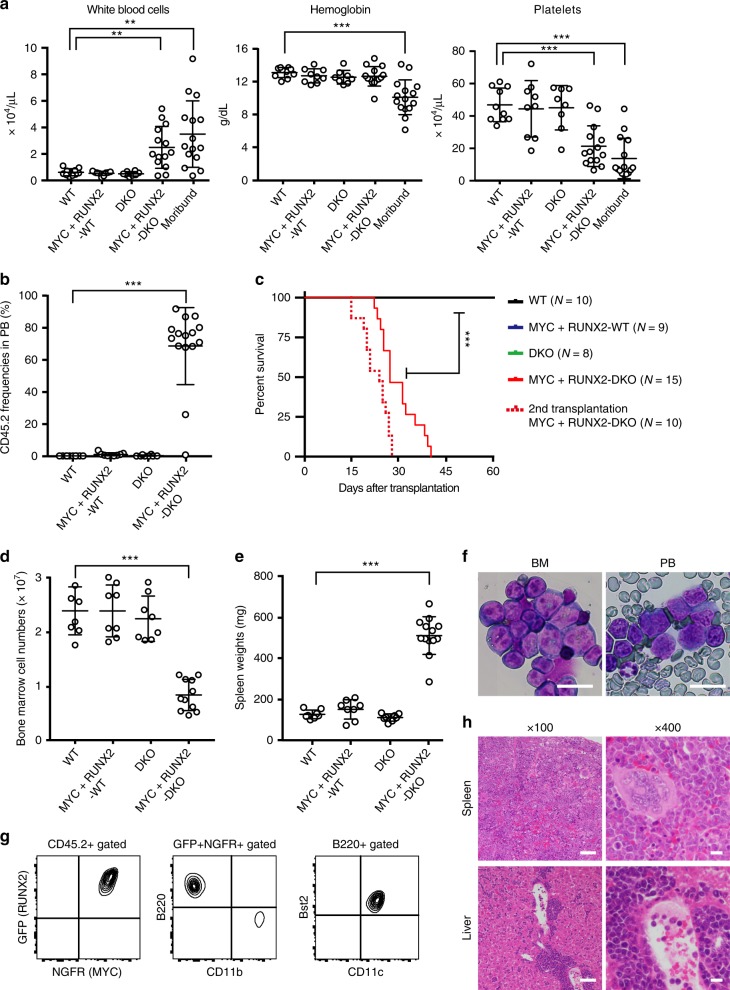
Blastic plasmacytoid dendritic cell neoplasm (BPDCN) is an aggressive subtype of acute leukemia, the cell of origin of which is considered to be precursors of plasmacytoid dendritic cells (pDCs). Since translocation (6;8)(p21;q24) is a recurrent anomaly for BPDCN, we demonstrate that a pDC-specific super-enhancer of RUNX2 is associated with the MYC promoter due to t(6;8). RUNX2 ensures the expression of pDC-signature genes in leukemic cells, but also confers survival and proliferative properties in BPDCN cells. Furthermore, the pDC-specific RUNX2 super-enhancer is hijacked to activate MYC in addition to RUNX2 expression, thereby promoting the proliferation of BPDCN. We also demonstrate that the transduction of MYC and RUNX2 is sufficient to initiate the transformation of BPDCN in mice lacking Tet2 and Tp53, providing a model that accurately recapitulates the aggressive human disease and gives an insight into the molecular mechanisms underlying the pathogenesis of BPDCN.
原始滤泡树突状细胞瘤(BPDCN)是一种侵袭性的急性白血病亚型,其起源细胞被认为是浆细胞样树突状细胞(pDC)的前体细胞。由于易位(6;8)(p21;q24)是 BPDCN 的常见异常,我们证明了 RUNX2 的 pDC 特异性超级增强子由于 t(6;8)与 MYC 启动子相关。RUNX2 确保了白血病细胞中 pDC 特征基因的表达,但也赋予了 BPDCN 细胞的存活和增殖特性。此外,pDC 特异性 RUNX2 超级增强子被劫持以激活 MYC 以及 RUNX2 的表达,从而促进 BPDCN 的增殖。我们还证明,在缺乏 Tet2 和 Tp53 的小鼠中,MYC 和 RUNX2 的转导足以引发 BPDCN 的转化,为准确重现侵袭性人类疾病提供了模型,并深入了解 BPDCN 发病机制的分子机制。