Department of Immunobiology, Yale School of Medicine, New Haven, CT, USA.
Department of Molecular Biophysics and Biochemistry, Yale University, New Haven, CT, USA.
Nature. 2019 May;569(7754):79-84. doi: 10.1038/s41586-019-1093-7. Epub 2019 Apr 10.
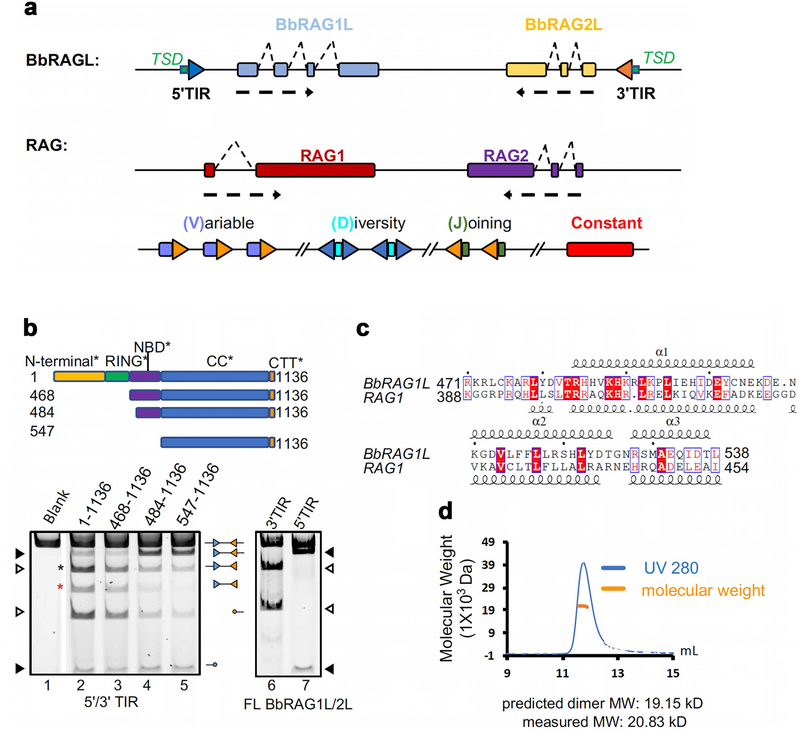
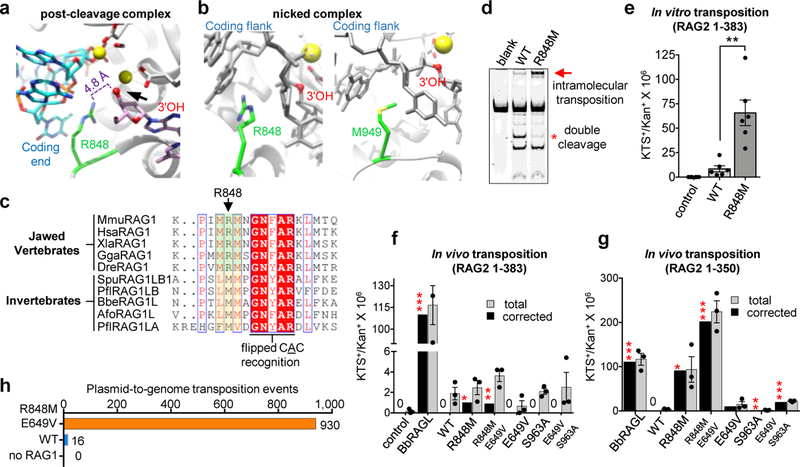
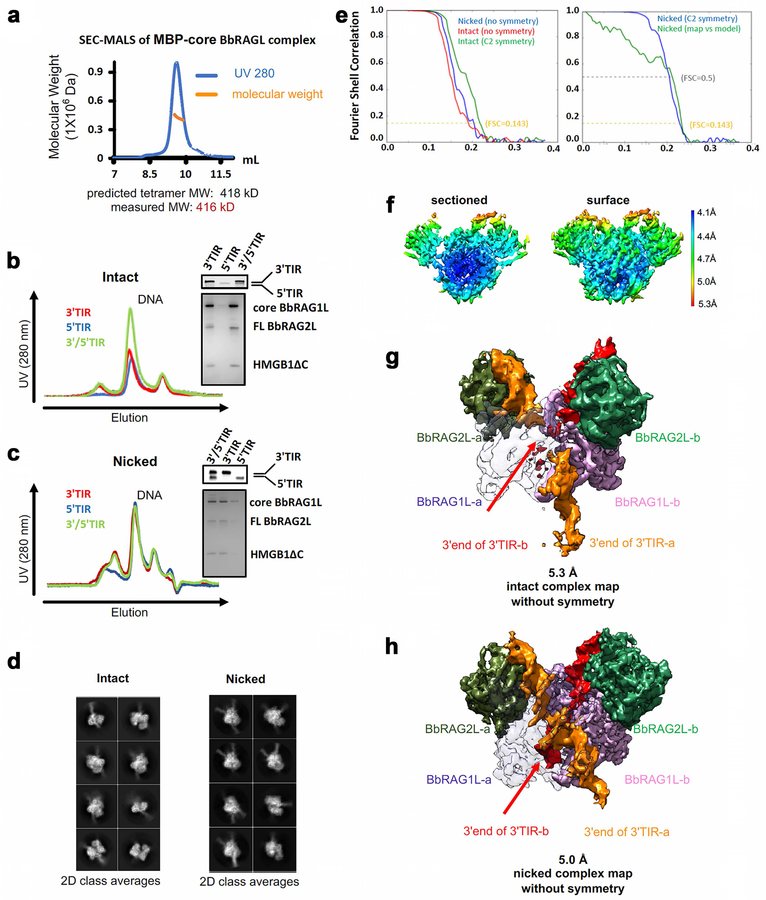
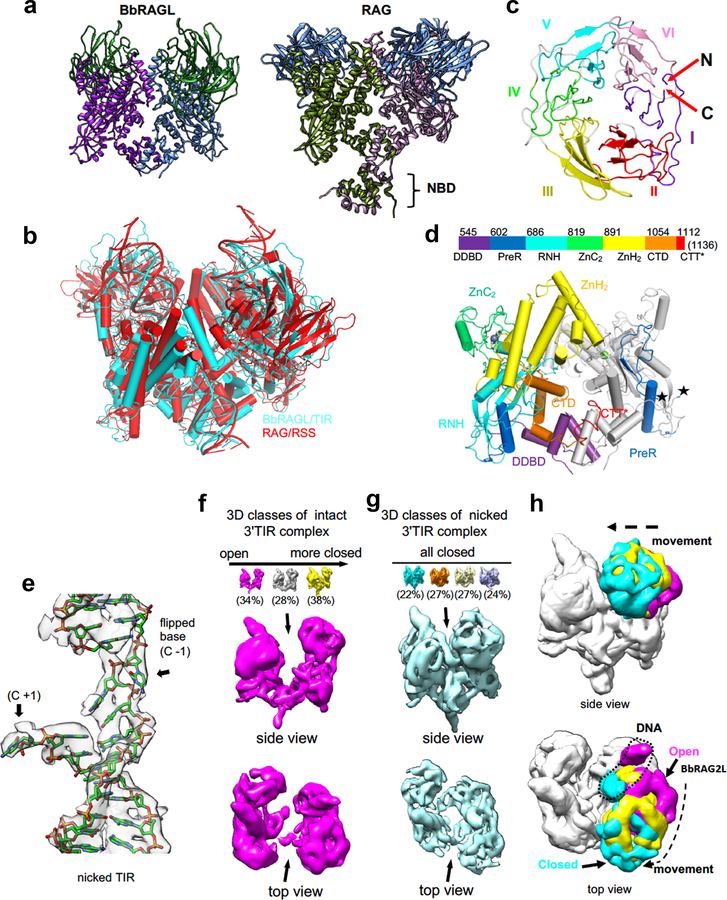
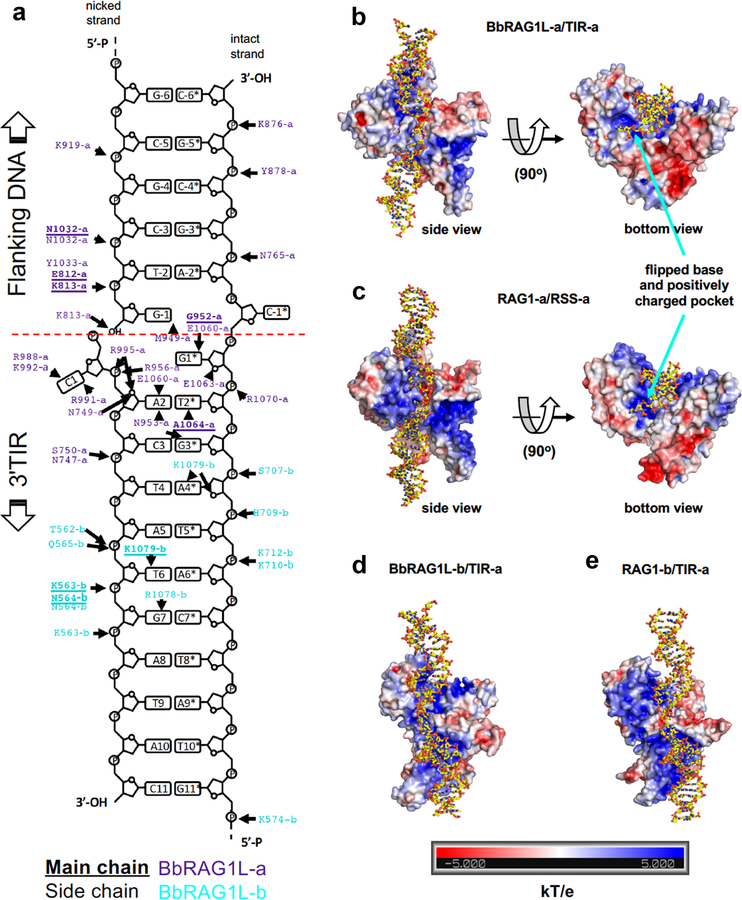
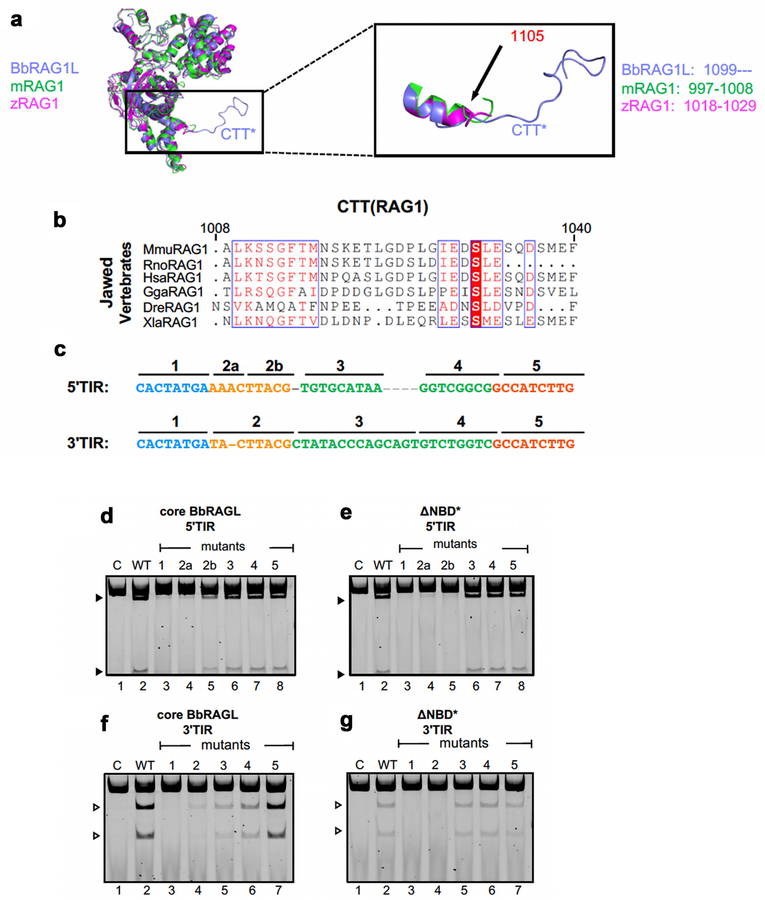
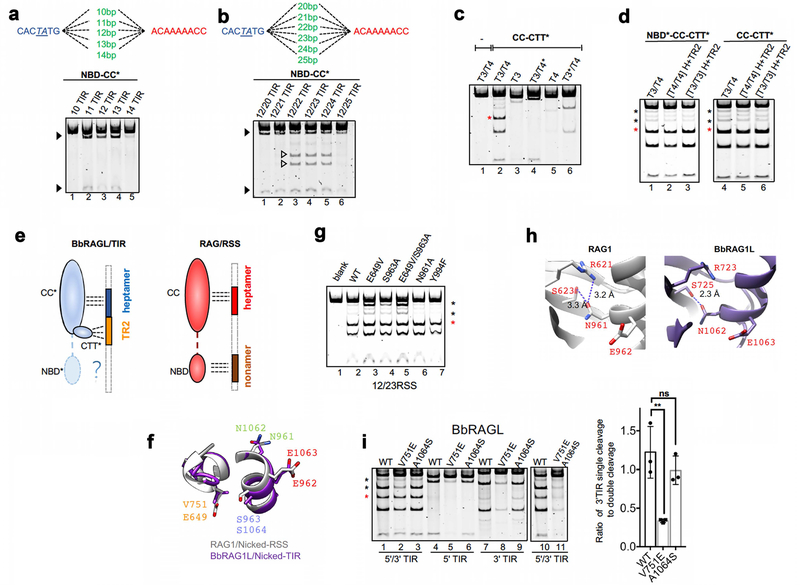
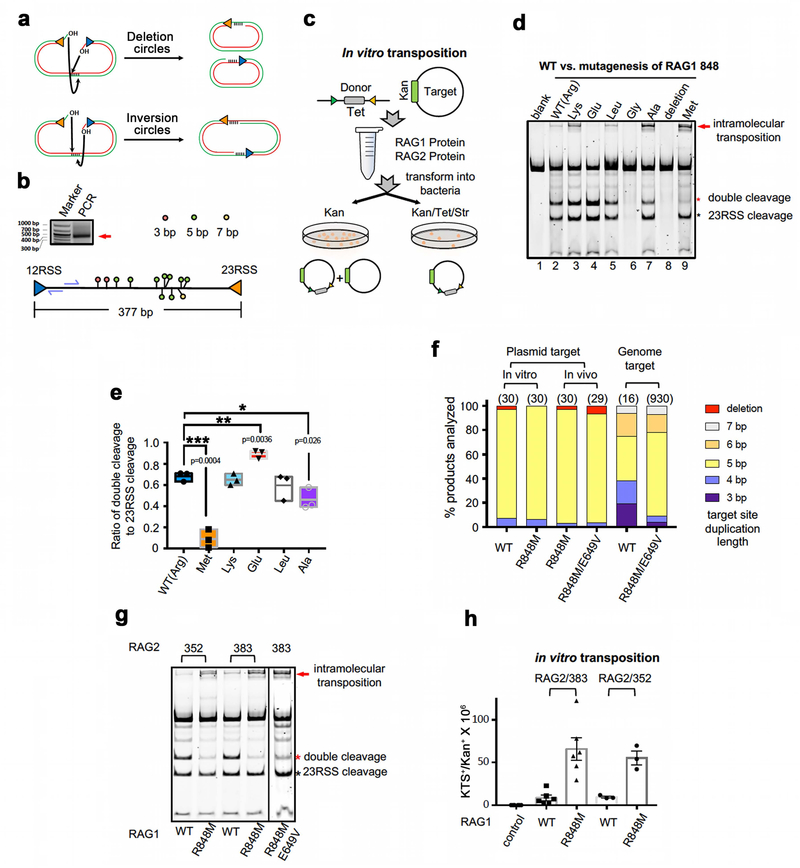
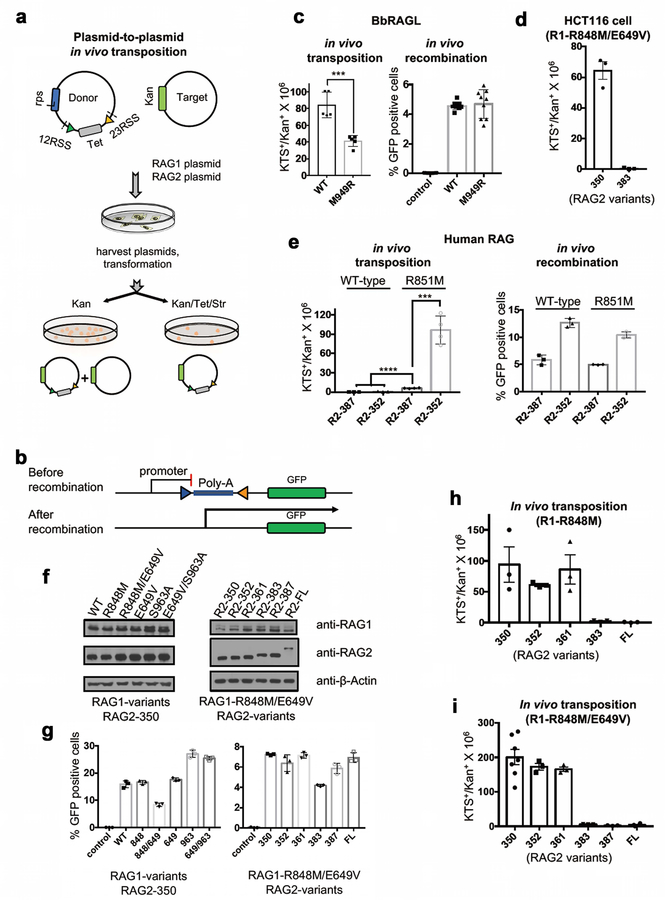
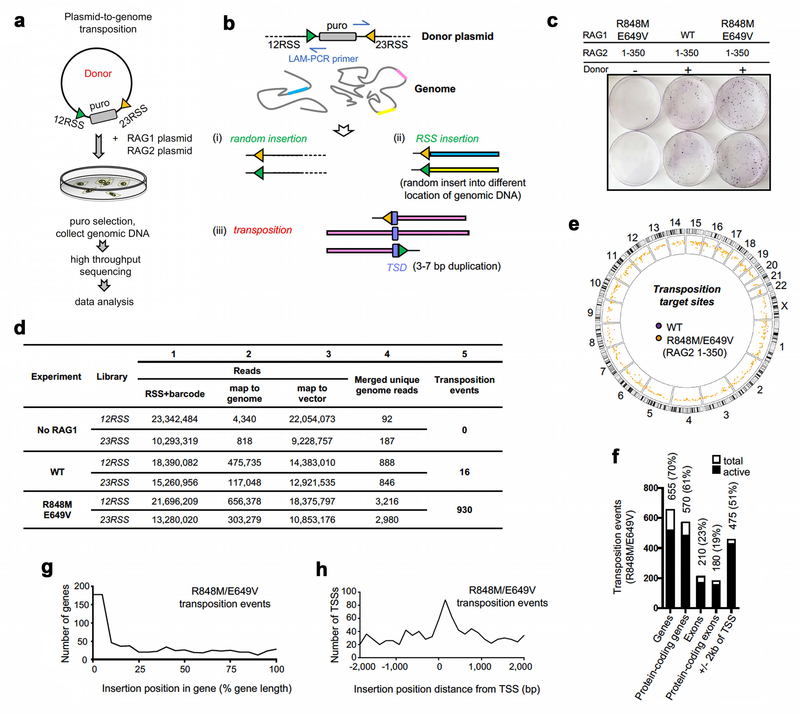
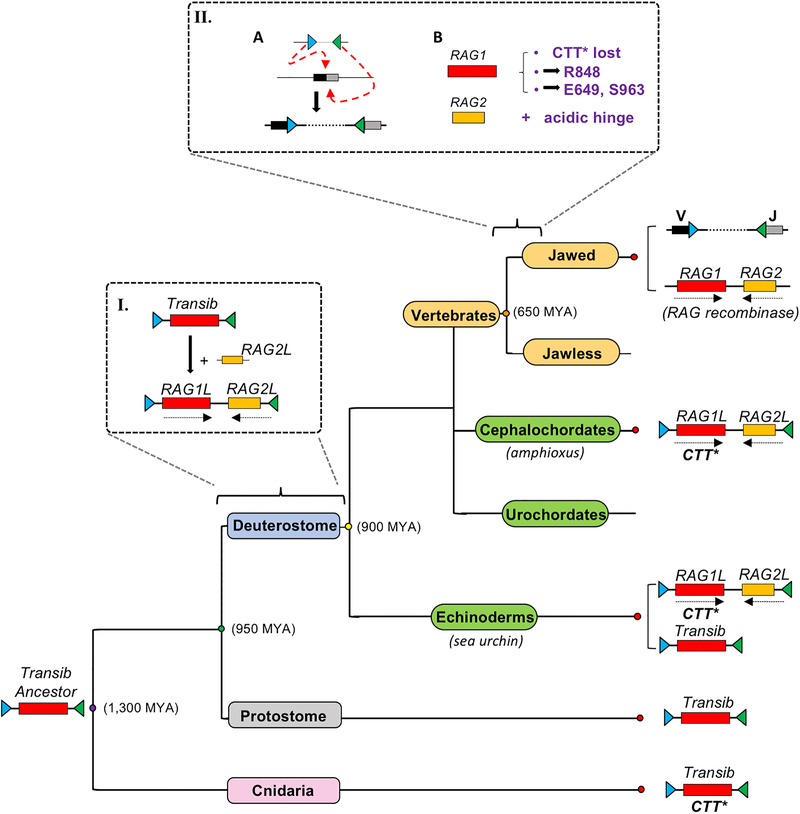
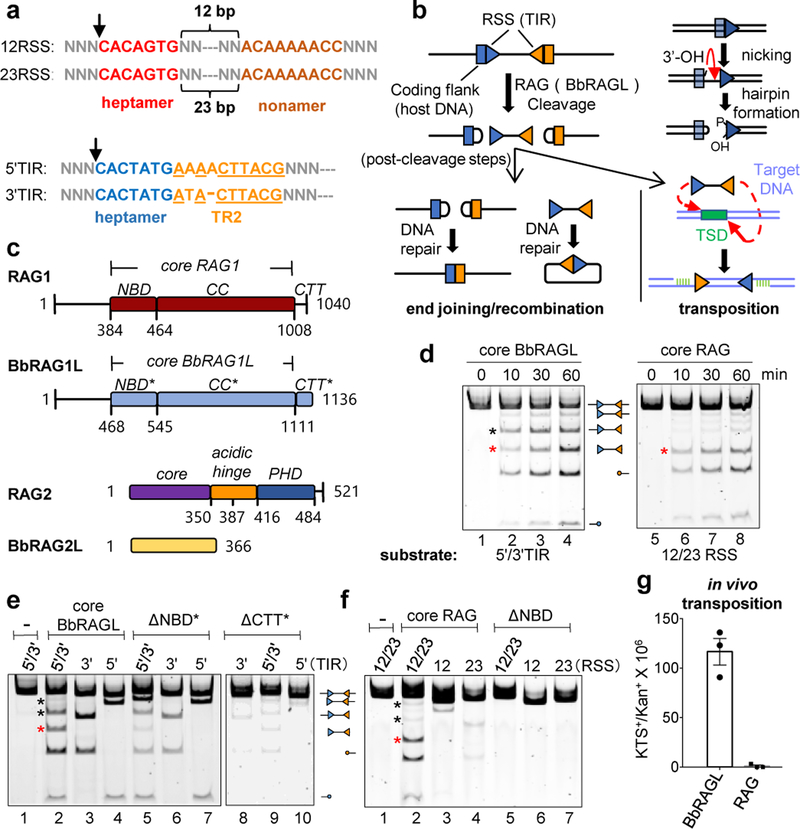
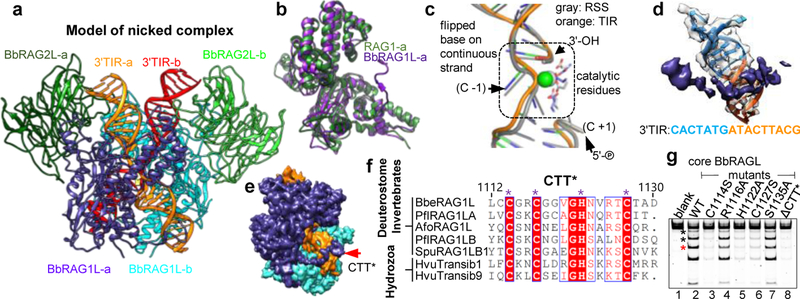
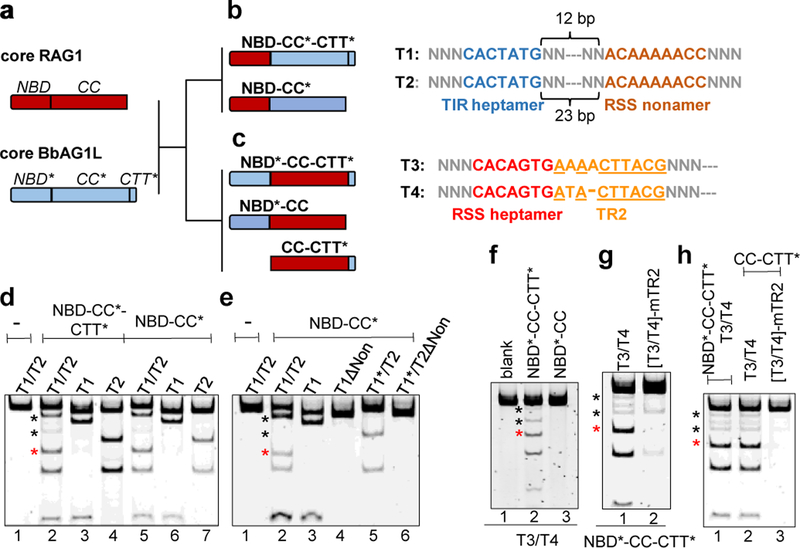
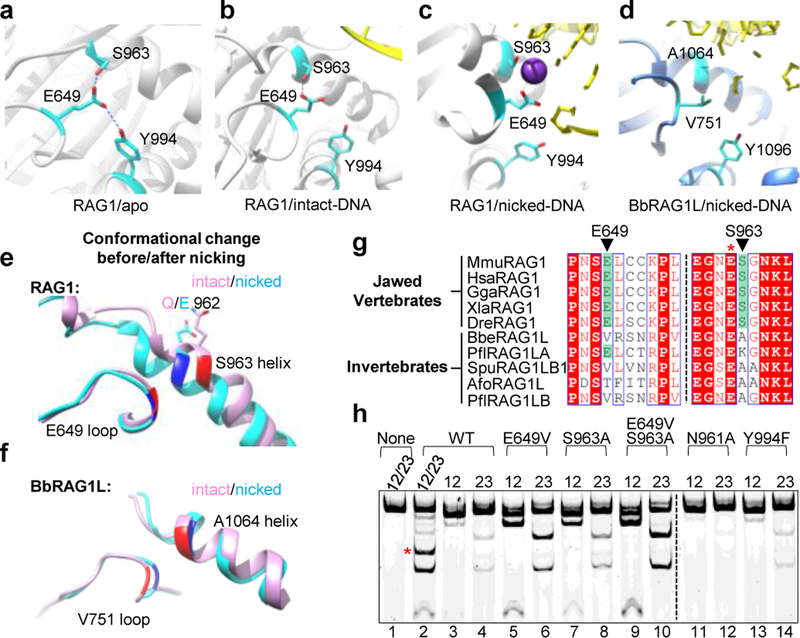
Domestication of a transposon (a DNA sequence that can change its position in a genome) to give rise to the RAG1-RAG2 recombinase (RAG) and V(D)J recombination, which produces the diverse repertoire of antibodies and T cell receptors, was a pivotal event in the evolution of the adaptive immune system of jawed vertebrates. The evolutionary adaptations that transformed the ancestral RAG transposase into a RAG recombinase with appropriately regulated DNA cleavage and transposition activities are not understood. Here, beginning with cryo-electron microscopy structures of the amphioxus ProtoRAG transposase (an evolutionary relative of RAG), we identify amino acid residues and domains the acquisition or loss of which underpins the propensity of RAG for coupled cleavage, its preference for asymmetric DNA substrates and its inability to perform transposition in cells. In particular, we identify two adaptations specific to jawed-vertebrates-arginine 848 in RAG1 and an acidic region in RAG2-that together suppress RAG-mediated transposition more than 1,000-fold. Our findings reveal a two-tiered mechanism for the suppression of RAG-mediated transposition, illuminate the evolution of V(D)J recombination and provide insight into the principles that govern the molecular domestication of transposons.
转座子(一种可以改变其在基因组中位置的 DNA 序列)的驯化产生了 RAG1-RAG2 重组酶(RAG)和 V(D)J 重组,产生了多样化的抗体和 T 细胞受体库,这是有颌脊椎动物适应性免疫系统进化的关键事件。将祖先 RAG 转座酶转化为具有适当调节的 DNA 切割和转座活性的 RAG 重组酶的进化适应尚不清楚。在这里,我们从文昌鱼 ProtoRAG 转座酶(RAG 的进化相关物)的冷冻电子显微镜结构开始,确定了氨基酸残基和结构域,其获得或丧失为 RAG 进行偶联切割、偏爱不对称 DNA 底物以及不能在细胞中进行转座提供了基础。特别是,我们确定了两个特定于有颌类动物的适应性——RAG1 中的精氨酸 848 和 RAG2 中的酸性区域——它们共同抑制 RAG 介导的转座超过 1000 倍。我们的发现揭示了抑制 RAG 介导的转座的两级机制,阐明了 V(D)J 重组的进化,并为控制转座子分子驯化的原则提供了深入了解。