Department of Molecular Biology, Massachusetts General Hospital, Boston, United States.
Department of Genetics, Harvard Medical School, Boston, United States.
Elife. 2019 Apr 11;8:e44425. doi: 10.7554/eLife.44425.
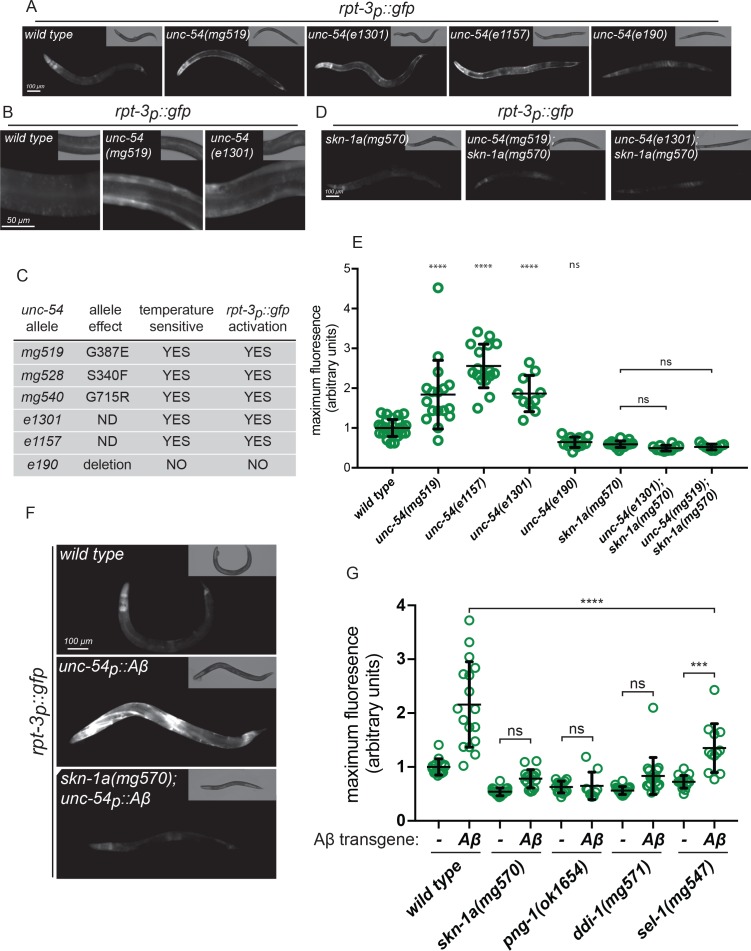
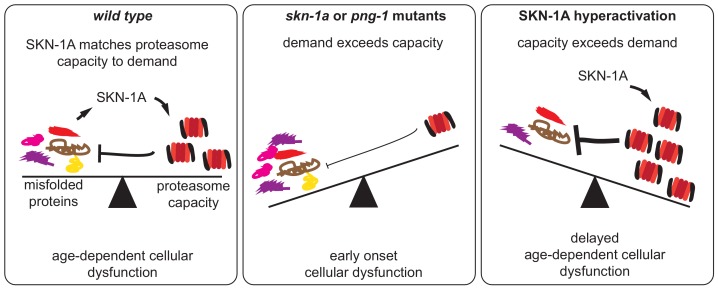
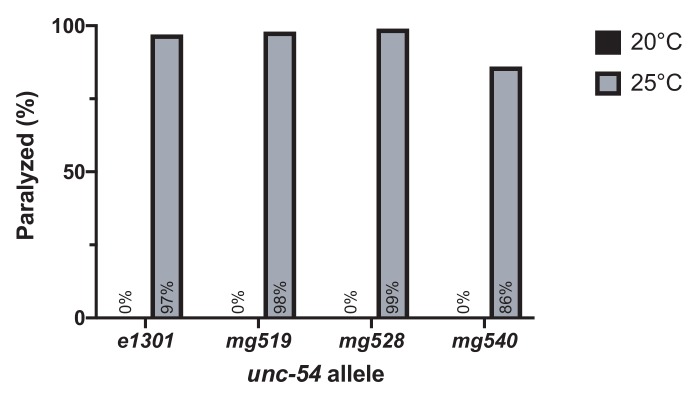
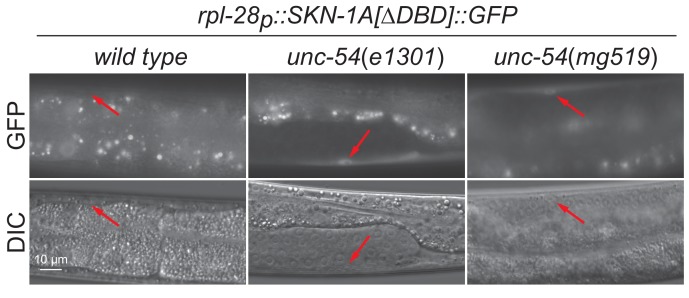
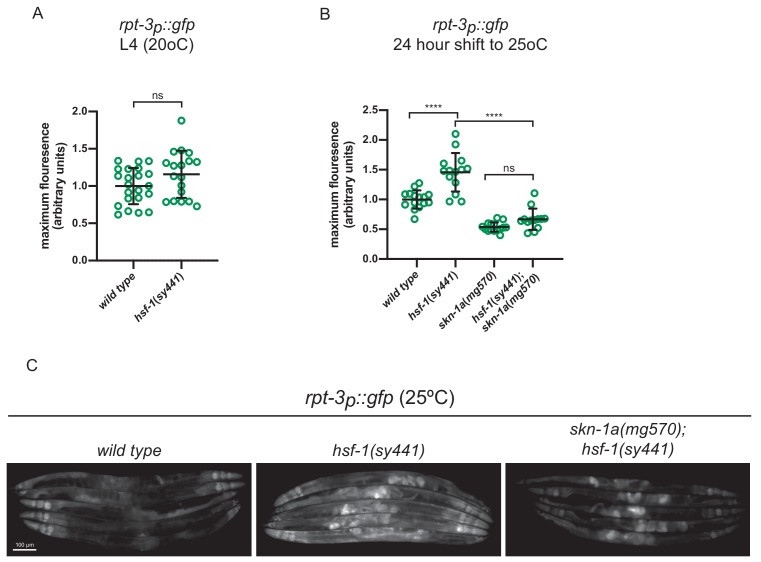
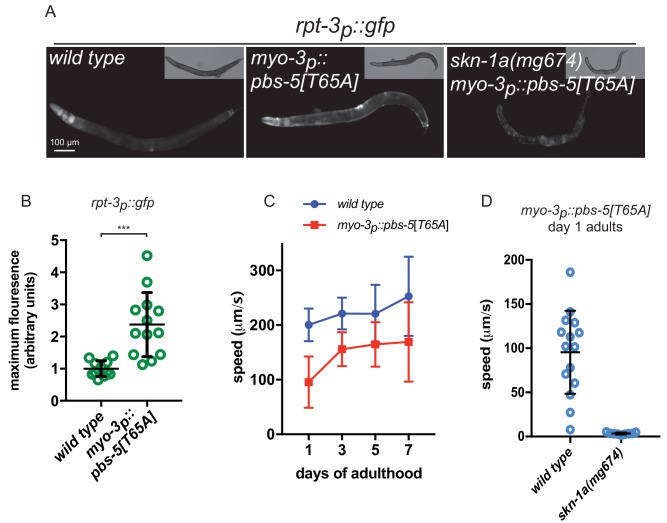
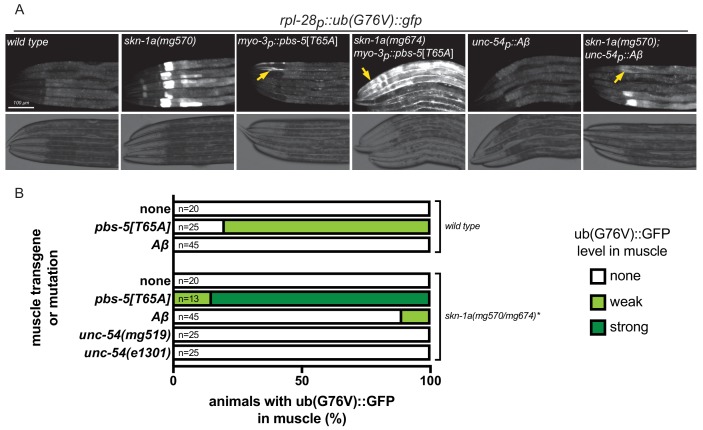
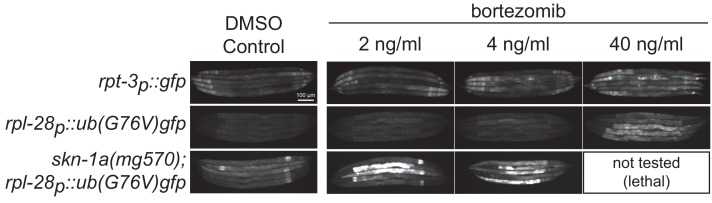
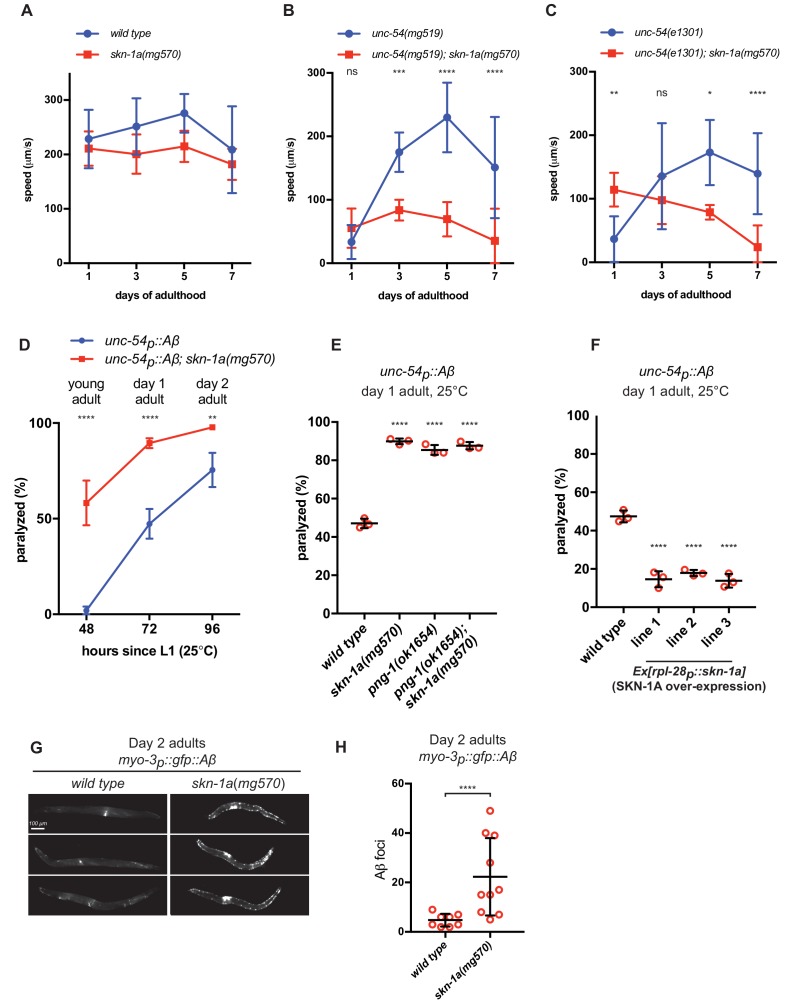
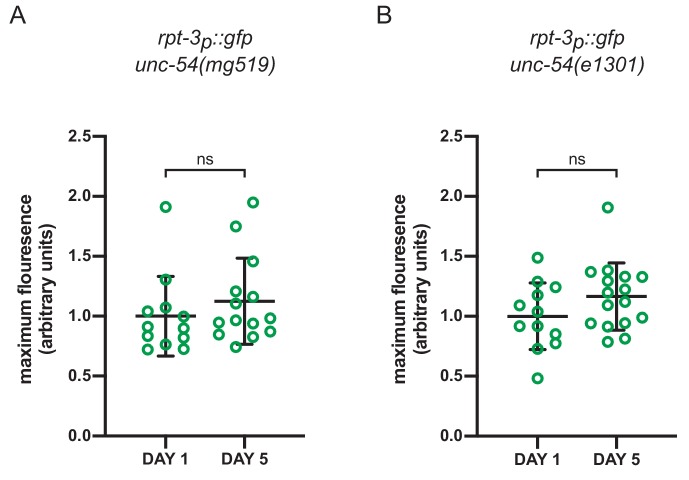
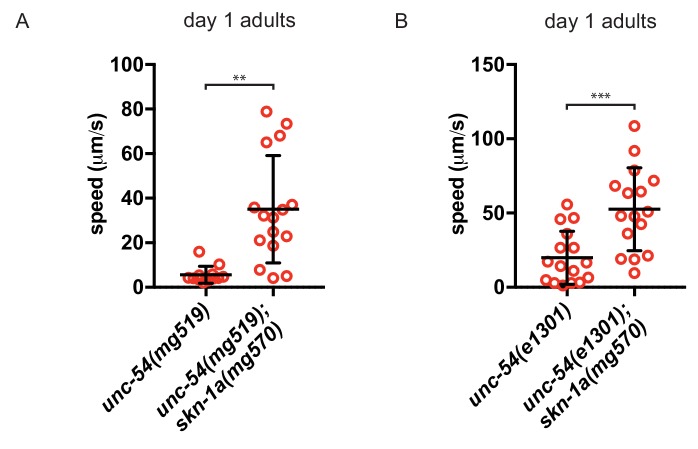
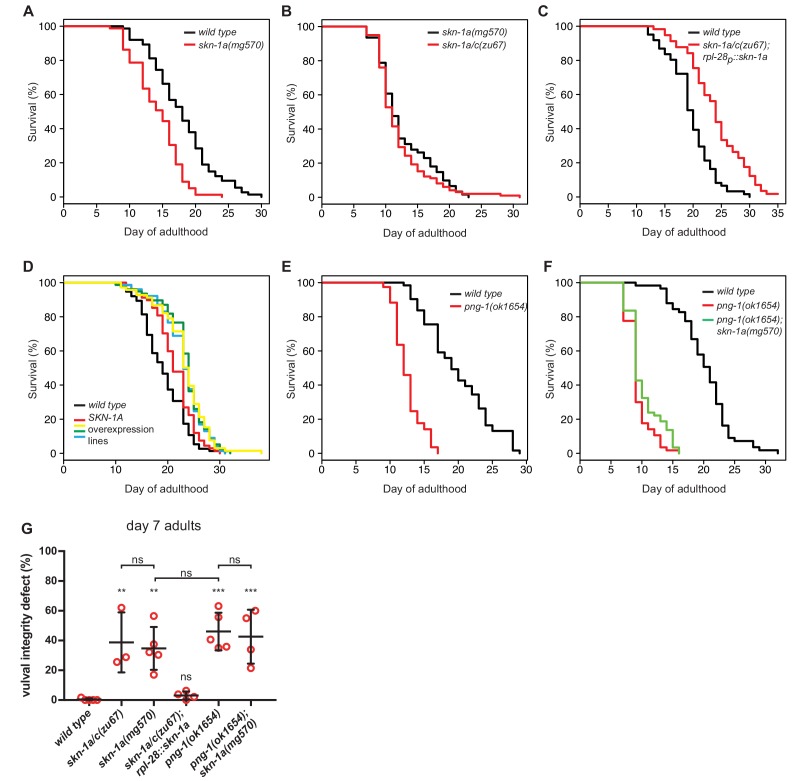
Unfolded protein responses (UPRs) safeguard cellular function during proteotoxic stress and aging. In a previous paper (Lehrbach and Ruvkun, 2016) we showed that the ER-associated SKN-1A/Nrf1 transcription factor activates proteasome subunit expression in response to proteasome dysfunction, but it was not established whether SKN-1A/Nrf1 adjusts proteasome capacity in response to other proteotoxic insults. Here, we reveal that misfolded endogenous proteins and the human amyloid beta peptide trigger activation of proteasome subunit expression by SKN-1A/Nrf1. SKN-1A activation is protective against age-dependent defects caused by accumulation of misfolded and aggregation-prone proteins. In a Alzheimer's disease model, SKN-1A/Nrf1 slows accumulation of the amyloid beta peptide and delays adult-onset cellular dysfunction. Our results indicate that SKN-1A surveys cellular protein folding and adjusts proteasome capacity to meet the demands of protein quality control pathways, revealing a new arm of the cytosolic UPR. This regulatory axis is critical for healthy aging and may be a target for therapeutic modulation of human aging and age-related disease.
未折叠蛋白反应 (UPRs) 在蛋白毒性应激和衰老过程中保护细胞功能。在之前的一篇论文中(Lehrbach 和 Ruvkun,2016),我们表明内质网相关的 SKN-1A/Nrf1 转录因子在蛋白酶体功能障碍时激活蛋白酶体亚基表达,但尚未确定 SKN-1A/Nrf1 是否会响应其他蛋白毒性应激来调节蛋白酶体的能力。在这里,我们揭示了错误折叠的内源性蛋白和人类淀粉样β肽会触发 SKN-1A/Nrf1 激活蛋白酶体亚基的表达。SKN-1A 的激活可防止由于错误折叠和易于聚集的蛋白质积累而导致的与年龄相关的缺陷。在阿尔茨海默病模型中,SKN-1A/Nrf1 可减缓淀粉样β肽的积累并延迟成年期细胞功能障碍的发生。我们的研究结果表明,SKN-1A 检测细胞蛋白折叠并调节蛋白酶体的能力以满足蛋白质质量控制途径的需求,揭示了细胞质 UPR 的新分支。该调节轴对于健康衰老至关重要,可能是治疗性调节人类衰老和与年龄相关疾病的靶点。