Luckeneder Paul, Gavino Johannes, Kuchernig Robert, Petutschnigg Alexander, Tondi Gianluca
Department Forest Product Technology & Timber Construction, Salzburg University of Applied Sciences, 5431 Kuchl, Austria.
Polymers (Basel). 2016 Nov 14;8(11):396. doi: 10.3390/polym8110396.
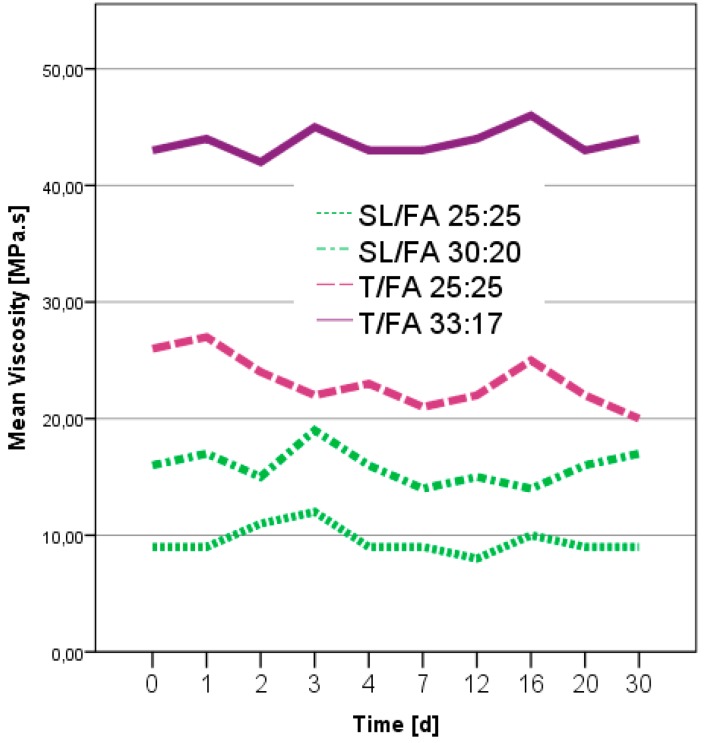
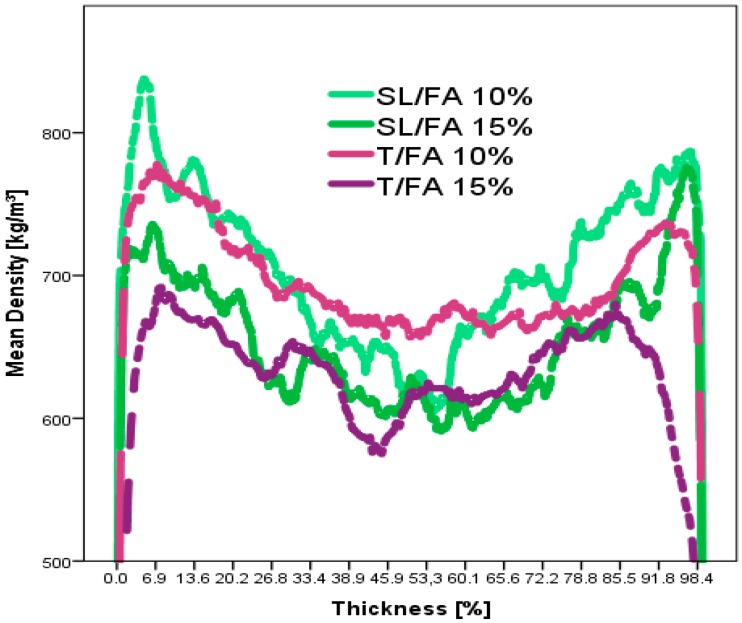
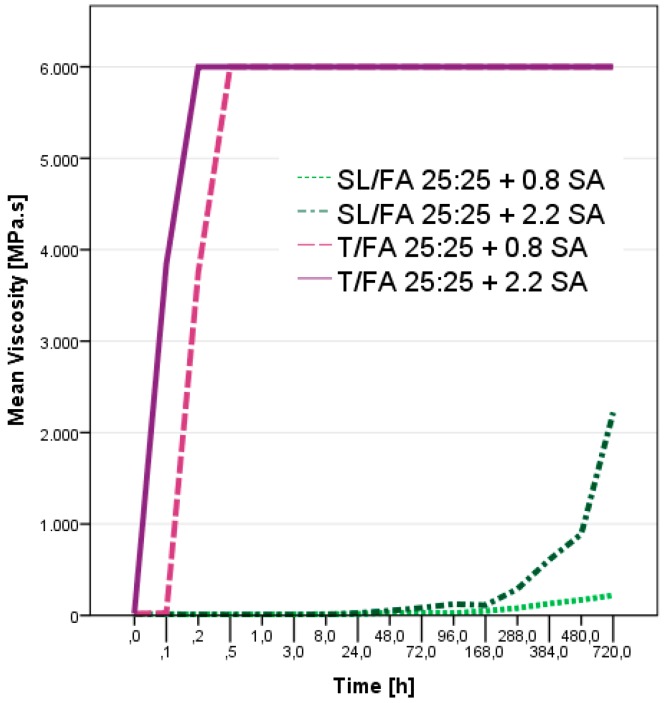
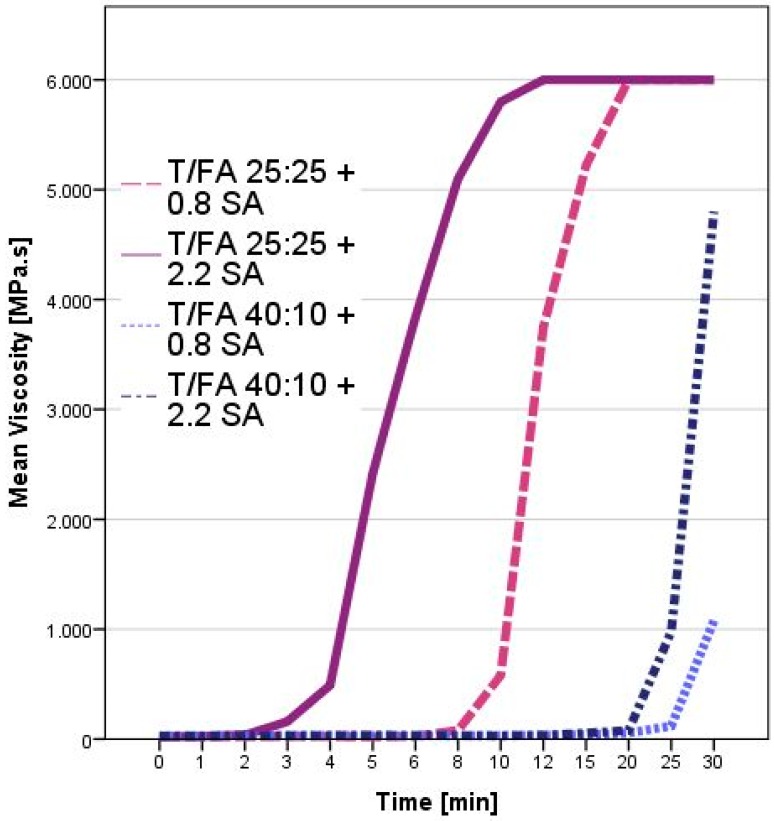
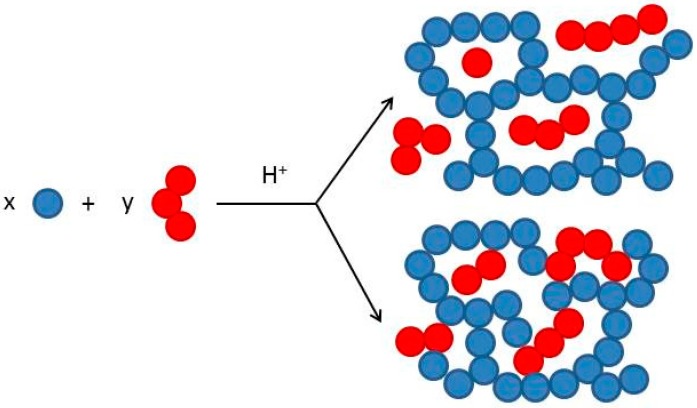
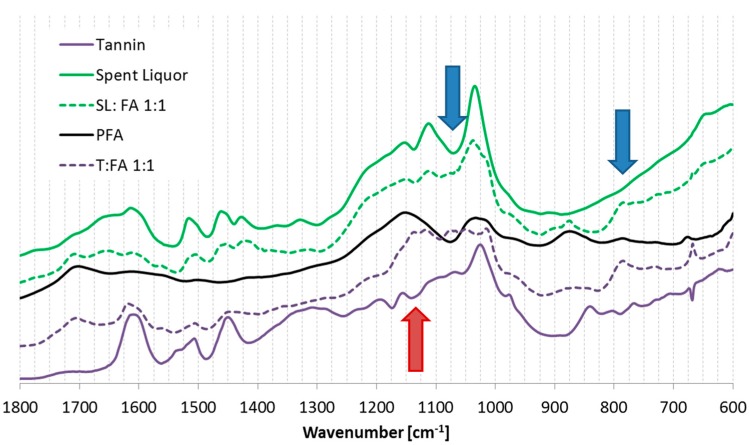
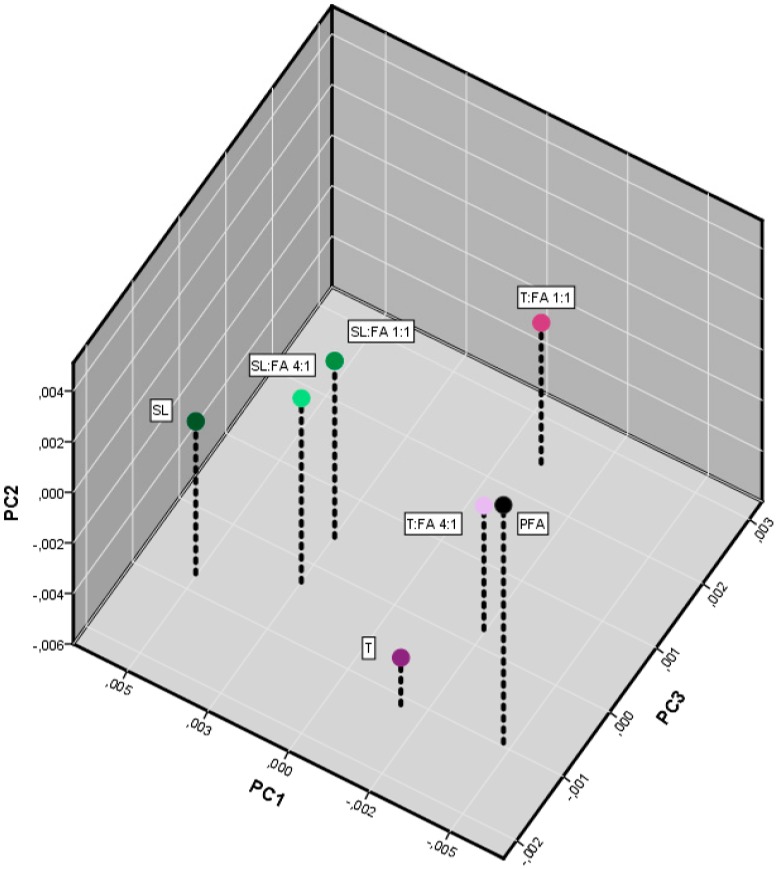
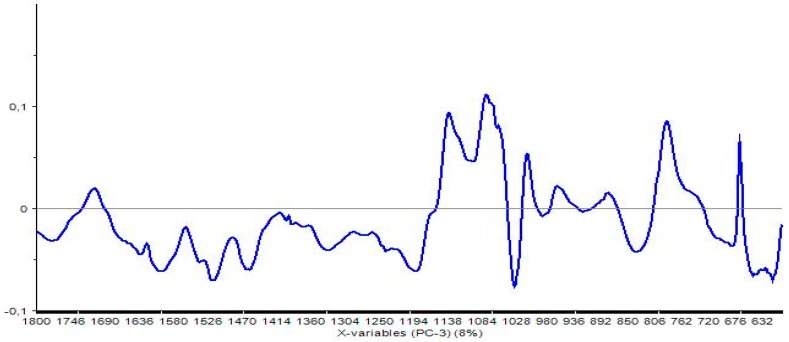
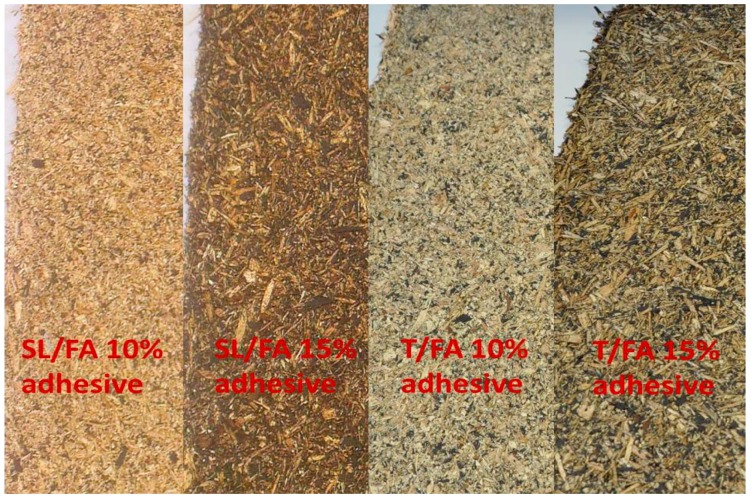
Furfuryl alcohol is a very interesting green molecule used in the production of biopolymers. In the present paper, the copolymerization in acid environment with natural, easily-available, phenolic derivatives is investigated. The processes of polymerization of the furfuryl alcohol with: (i) spent-liquor from the pulping industry and (ii) commercial tannin from acacia mimosa were investigated though viscometry and IR-spectroscopy. The curing kinetics of the formulations highlighted the importance of the amount of furfuryl alcohol and catalyst as well as the effect of temperature for both phenolic-furanic polymers. Evidence of covalent copolymerization has been observed through infrared spectrometry (FT-IR) combined with principal component analysis (PCA) and confirmed with additional solubility tests. These bio-based formulations were applied as adhesives for solid wood and particleboards with interesting results: at 180 °C, the spent-liquor furanic formulations allow wood bonding slightly with lower performance than PVA in dry conditions, while mixed formulations allow the gluing of particleboard with only satisfactory internal bonding tests.
糠醇是一种用于生产生物聚合物的非常有趣的绿色分子。在本文中,研究了在酸性环境中糠醇与天然、易得的酚类衍生物的共聚反应。通过粘度测定法和红外光谱法研究了糠醇与:(i)制浆工业的废液和(ii)阿拉伯胶含羞草的商业单宁的聚合过程。配方的固化动力学突出了糠醇和催化剂用量的重要性以及温度对两种酚醛呋喃聚合物的影响。通过红外光谱法(FT-IR)结合主成分分析(PCA)观察到了共价共聚的证据,并通过额外的溶解度测试得到了证实。这些生物基配方被用作实木和刨花板的粘合剂,取得了有趣的结果:在180°C下,废液呋喃配方在干燥条件下能使木材轻微粘合,性能略低于聚乙烯醇,而混合配方仅通过令人满意的内结合测试就能使刨花板胶合。