Perri Filomena, Frattaruolo Luca, Haworth Ian, Brindisi Matteo, El-magboub Asma, Ferrario Angela, Gomer Charles, Aiello Francesca, Adams James David
Dipartimento di Farmacia e Scienze della Salute e della Nutrizione, Edificio Polifunzionale, Università della Calabria, Arcavacata di Rende, 87036 Rende (CS), Italy.
Department of Pharmacology and Pharmaceutical Sciences, School of Pharmacy, University of Sothern California, 1985 Zonal Avenue, Los Angeles 90089, CA, USA.
Heliyon. 2019 Mar 27;5(3):e01366. doi: 10.1016/j.heliyon.2019.e01366. eCollection 2019 Mar.
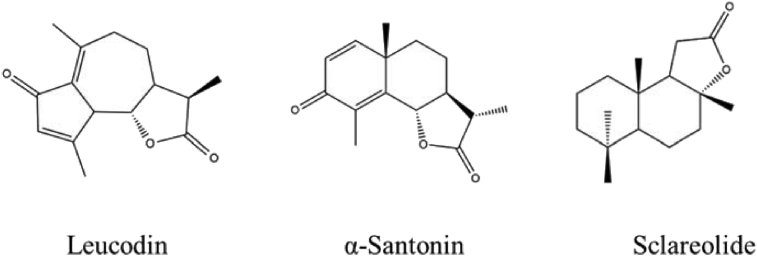
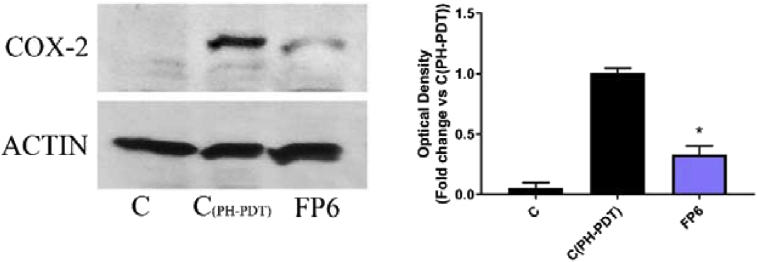
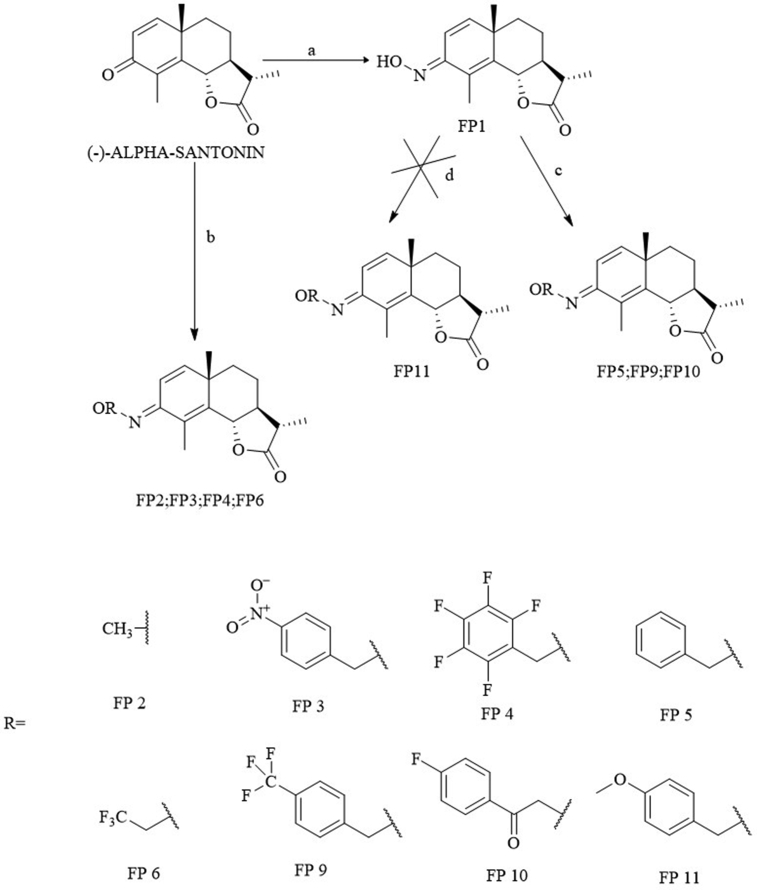
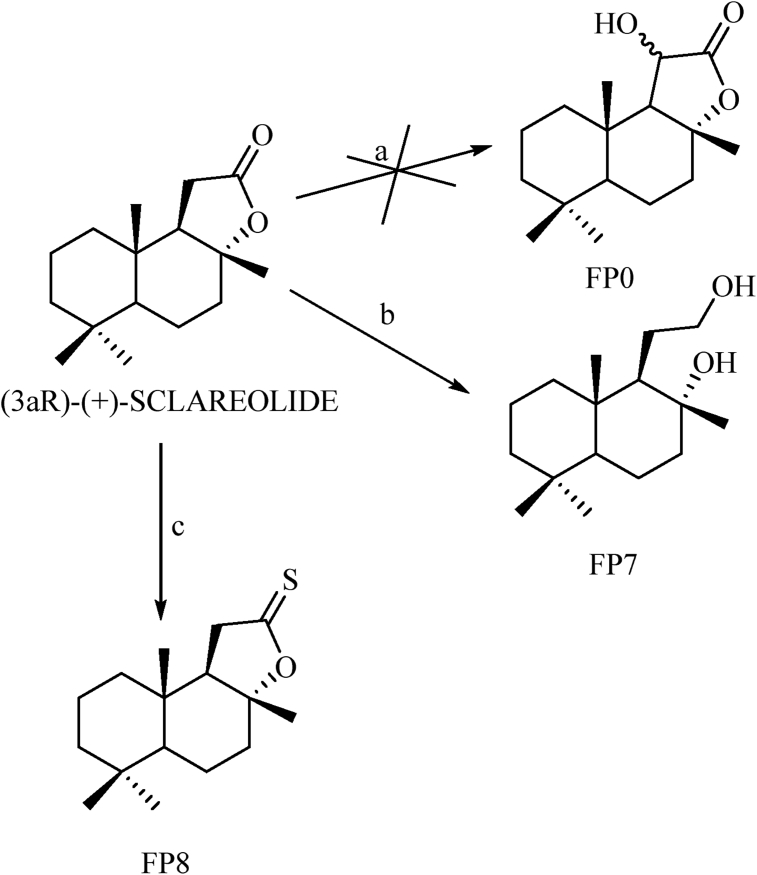
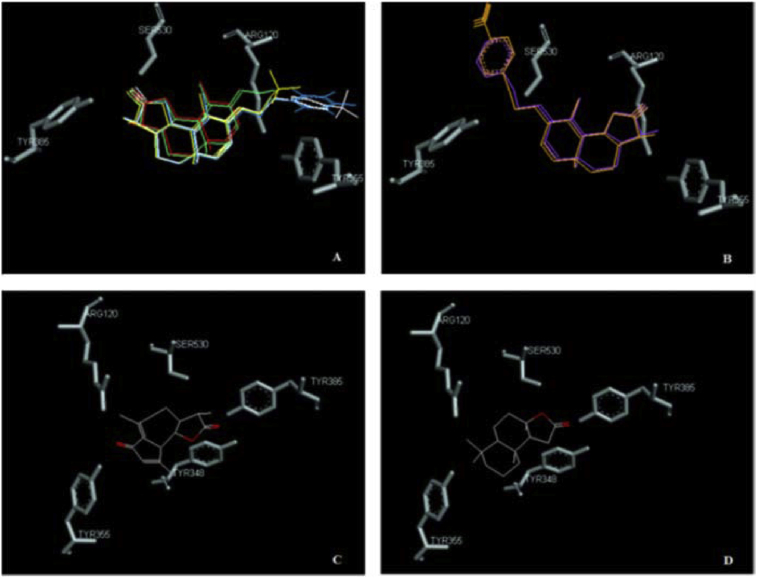
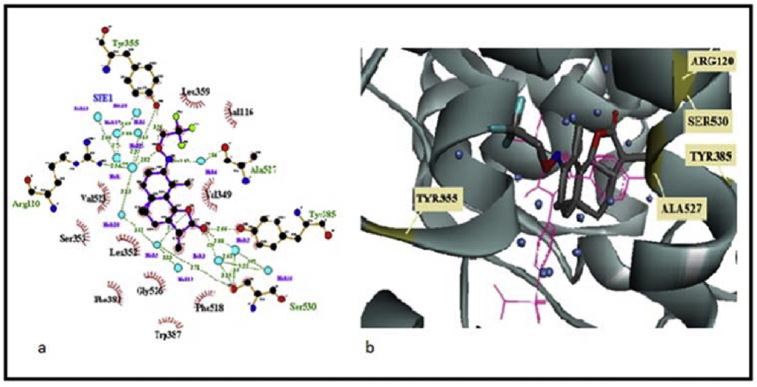
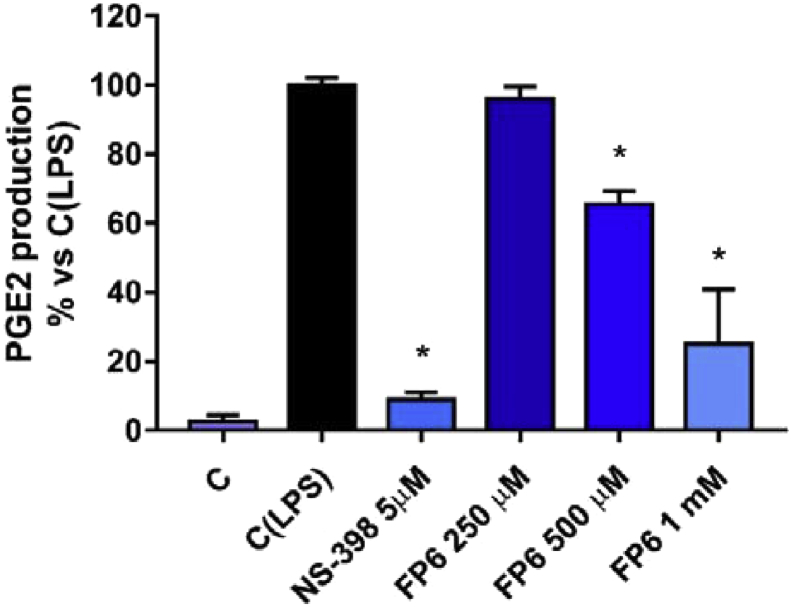
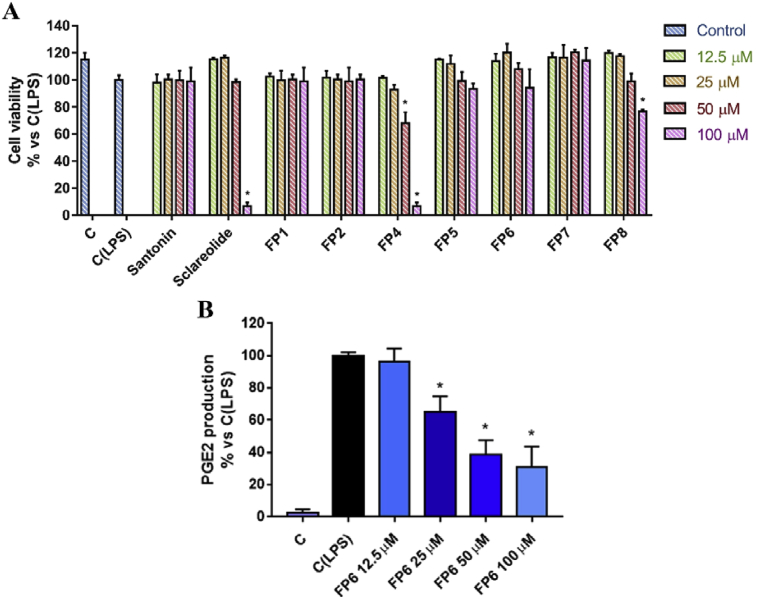
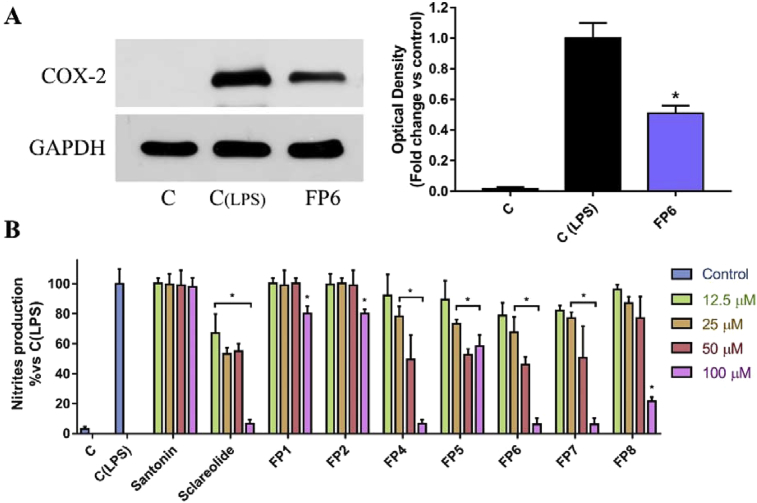
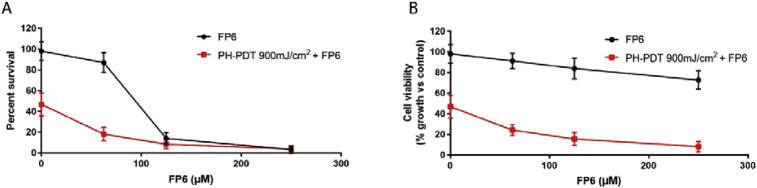
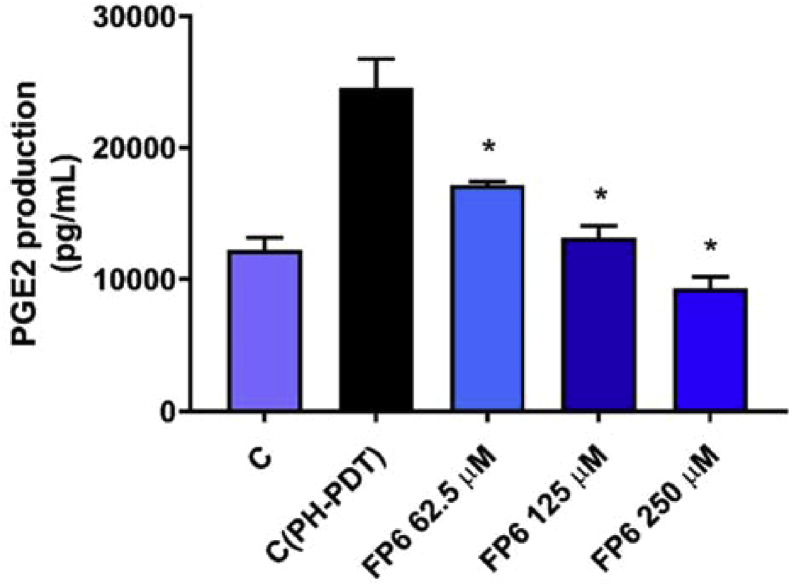
Plants of the Asteraceae family have been used in traditional medicine for centuries due to their main antimicrobial and analgesic activities. A liniment from has recently been tested on patients affected by either acute pain or chronic pain conditions with great success. The aim of this study was to evaluate the anti-inflammatory activity of sesquiterpene lactones (SLs), representing the majority in the Asteraceae family. Leucodin, α-santonin and sclareolide (three SLs) were chosen to undergo chemical modifications. This pool of molecules underwent molecular modeling experiments using an in-house program, WATGEN, predicting the water network and its contribution to the overall affinity of the enzyme-ligand complex. The anti-inflammatory activity and the ability of compounds to modulate COX-2 expression have been evaluated in LPS-stimulated RAW 264.7 cells and in RIF-1 cells treated according to the Photodynamic Therapy (PDT) protocols using Photoprin (PH) as photosensitizer. Furthermore, commercially available assay kits were used to evaluate the concentration of PGE-2 and the direct inhibition of COX-2. All the tested molecules fit well in the enzyme binding pocket, but to get a substantial inhibition of the expression and activity of the enzyme as well as a reduction in the PGE2 concentration, high concentrations of the compounds are needed. The only exceptions being leucodin itself and , one of the α-santonin derivatives, presenting a CF functional group. We believe that this class of compounds has some interesting potential in the treatment of pain and inflammation. Although, the activity seems to be due to a mechanism related to the expression of the COX enzymes rather than on a direct inhibition.
几个世纪以来,菊科植物因其主要的抗菌和止痛活性而被用于传统医学。最近,一种来自菊科植物的搽剂在患有急性疼痛或慢性疼痛病症的患者身上进行了测试,并取得了巨大成功。本研究的目的是评估倍半萜内酯(SLs)的抗炎活性,倍半萜内酯在菊科植物中占大多数。选择了去氢木香内酯、α-山道年和香紫苏内酯(三种SLs)进行化学修饰。这组分子使用内部程序WATGEN进行了分子建模实验,预测了水网络及其对酶-配体复合物整体亲和力的贡献。在脂多糖刺激的RAW 264.7细胞和按照光动力疗法(PDT)方案用Photoprin(PH)作为光敏剂处理的RIF-1细胞中,评估了化合物的抗炎活性和调节COX-2表达的能力。此外,使用市售检测试剂盒评估PGE-2的浓度和COX-2的直接抑制作用。所有测试的分子都能很好地契合酶结合口袋,但要显著抑制酶的表达和活性以及降低PGE2浓度,则需要高浓度的化合物。唯一的例外是去氢木香内酯本身和一种具有CF官能团的α-山道年衍生物。我们认为这类化合物在疼痛和炎症治疗方面具有一些有趣的潜力。尽管如此,其活性似乎是由于一种与COX酶表达相关的机制,而不是直接抑制作用。