Ali Basharat
Department of Microbiology and Molecular Genetics, University of the Punjab, Lahore 54590, Pakistan.
Plants (Basel). 2019 Apr 4;8(4):91. doi: 10.3390/plants8040091.
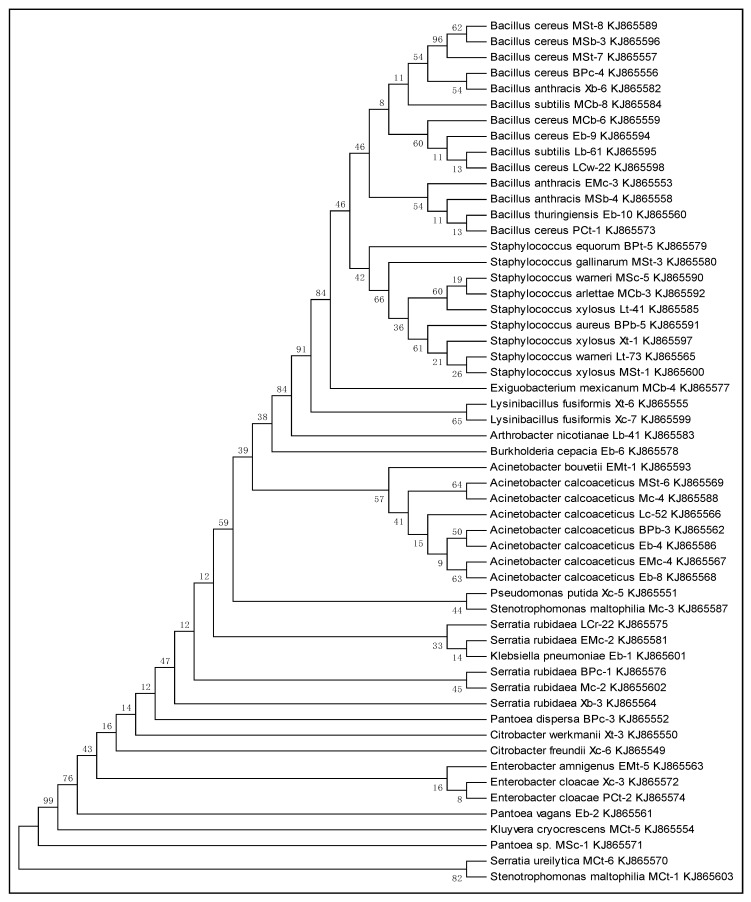
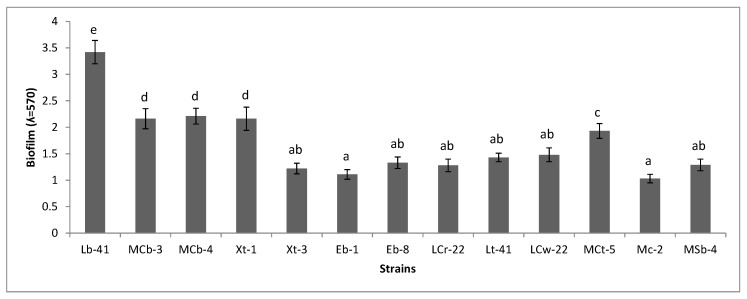
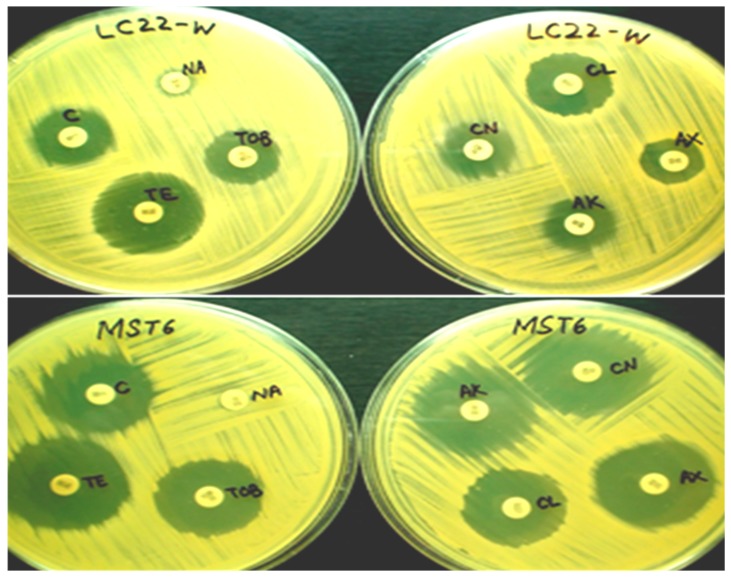
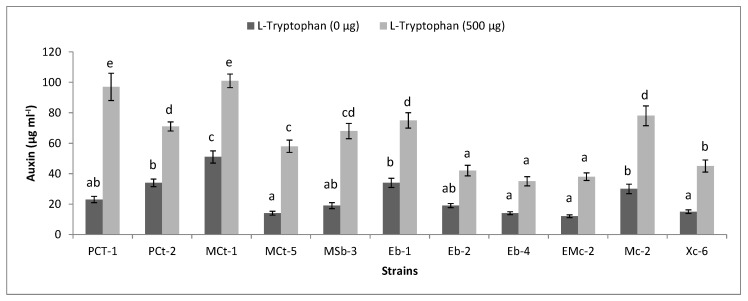
The main objective of this study was to evaluate the genetic diversity and agricultural significance of bacterial communities associated with the surfaces of selected agronomic plants (carrot, cabbage and turnip). The bacterial diversity of fresh agricultural produce was targeted to identify beneficial plant microflora or opportunistic human pathogens that may be associated with the surfaces of plants. Bacterial strains were screened in vitro for auxin production, biofilm formation and antibiotic resistance. 16S rRNA gene sequencing confirmed the presence of several bacterial genera including , , , , , , , , , , , , , and . To address the biosafety issue, the antibiotic susceptibility pattern of strains was determined against different antibiotics. The majority of the strains were resistant to amoxicillin (25 µg) and nalidixic acid (30 µg). Strains were also screened for plant growth-promoting attributes to evaluate their positive interaction with colonized plants. Maximum auxin production was observed with MCt-1 (101 µg mL) and PCt-1 (97 µg mL). Lb-41 and MCb-4 were strong biofilm producers. In conclusion, surfaces of raw vegetables were inhabited by different bacterial genera. Potential human pathogens such as and were also isolated, which makes the biosafety of these vegetable a great concern for the local community. Nevertheless, these microbes also harbor beneficial plant growth-promoting traits that indicated their positive interaction with their host plants. In particular, bacterial auxin production may facilitate the growth of agronomic plants under natural conditions. Moreover, biofilm formation may help bacteria to colonize plant surfaces to show positive interactions with host plants.
本研究的主要目的是评估与选定农艺植物(胡萝卜、卷心菜和芜菁)表面相关的细菌群落的遗传多样性和农业意义。针对新鲜农产品的细菌多样性,以鉴定可能与植物表面相关的有益植物微生物区系或机会性人类病原体。在体外筛选细菌菌株的生长素产生、生物膜形成和抗生素抗性。16S rRNA基因测序证实存在包括 、 、 、 、 、 、 、 、 、 、 、 、 、 和 等几个细菌属。为解决生物安全问题,测定了菌株对不同抗生素的药敏模式。大多数菌株对阿莫西林(25μg)和萘啶酸(30μg)耐药。还筛选了菌株的促植物生长特性,以评估它们与定殖植物的正向相互作用。观察到MCt-1(101μg/mL)和PCt-1(97μg/mL)的生长素产量最高。Lb-41和MCb-4是很强的生物膜产生菌。总之,生蔬菜表面存在不同的细菌属。还分离出了如 和 等潜在的人类病原体,这使得这些蔬菜的生物安全成为当地社区极为关注的问题。然而,这些微生物也具有有益的促植物生长特性,表明它们与宿主植物有正向相互作用。特别是,细菌产生生长素可能有助于农艺植物在自然条件下生长。此外,生物膜形成可能有助于细菌定殖在植物表面,从而与宿主植物表现出正向相互作用。