Universitat Politècnica de València, Instituto de Automática e Informática Industrial, Valencia, Spain.
Cell Biology Laboratory/ADM Nutrition/Biopolis SL/Archer Daniels Midland, Paterna, Valencia, Spain.
PLoS One. 2019 Apr 16;14(4):e0215548. doi: 10.1371/journal.pone.0215548. eCollection 2019.
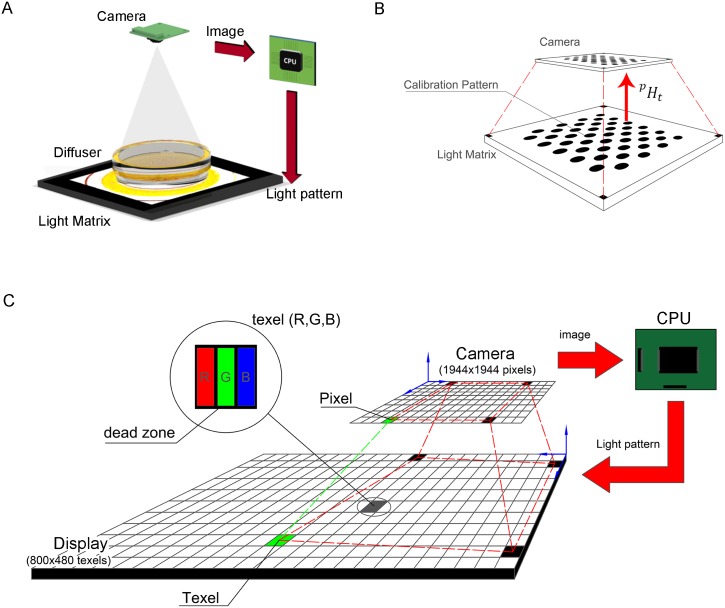
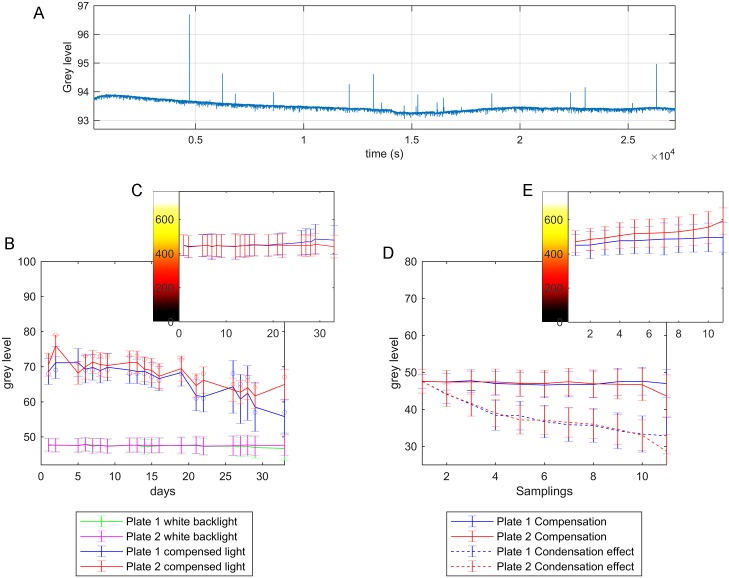
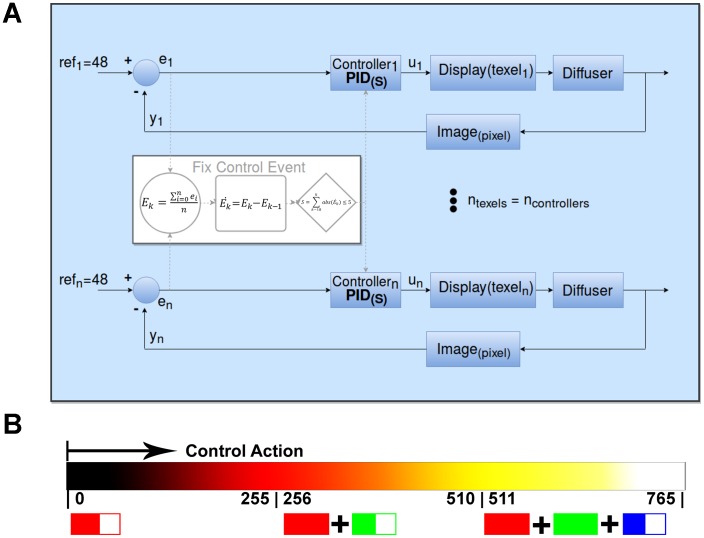
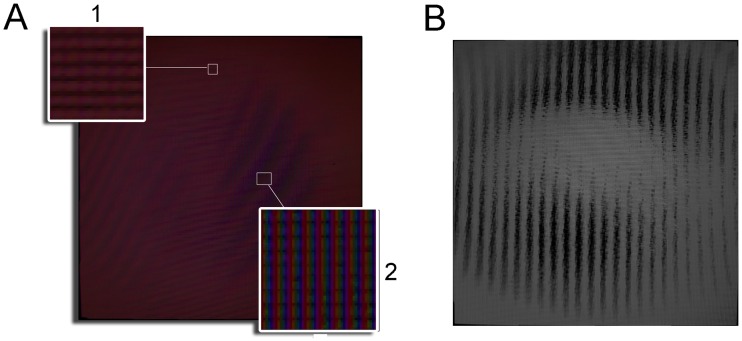
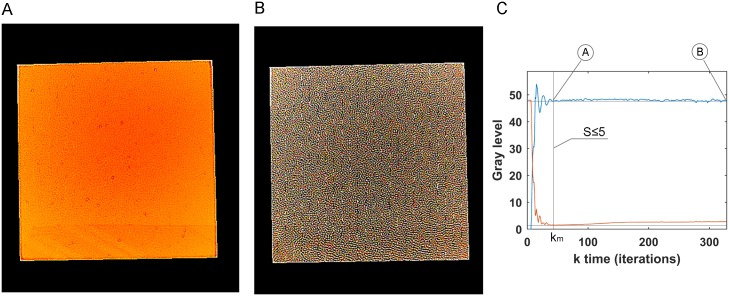
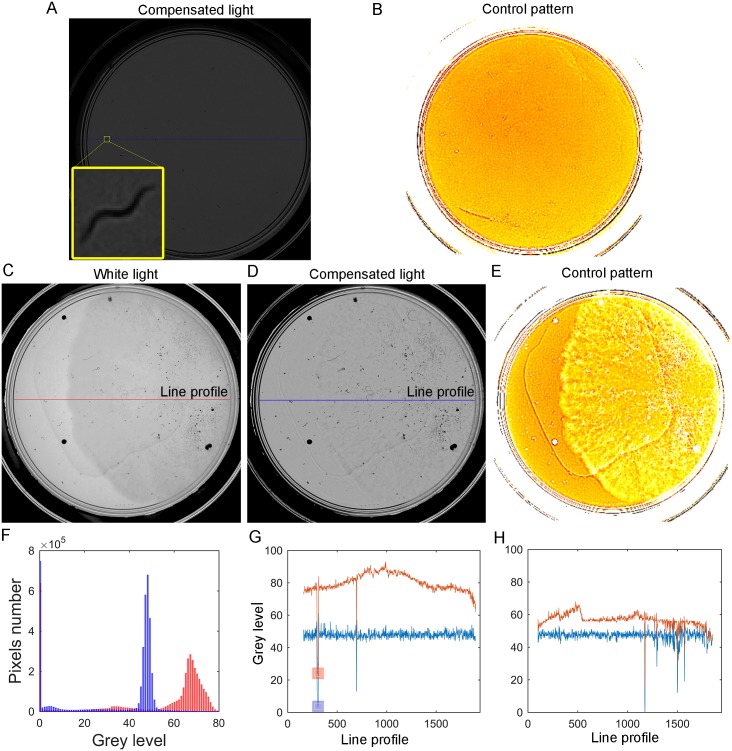
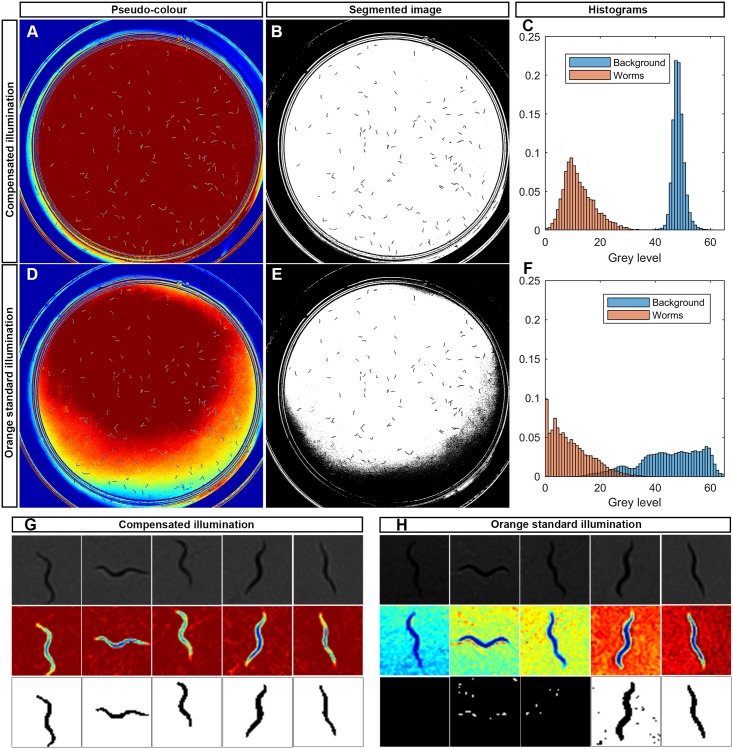
Lifespan and healthspan machines can undergo C. elegans image segmentation errors due to changes in lighting conditions, which produce non-uniform images. Most C. elegans monitoring machines use backlight techniques based on the transparency of both the container and media. Backlight illumination obtains high-contrast images with dark C. elegans and a bright background. However, changes in illumination or media transparency conditions can produce non-uniform images, which are currently alleviated by image processing techniques. Besides, these machines should avoid C. elegans exposure to light as much as possible because light stresses worms, and can even affect their lifespan, mainly when using (1) long exposure times, (2) high intensities or (3) wavelengths that come close to ultraviolet. However, if short exposure of worms to light is required for visual monitoring, then light can also be used as a movement stimulus. In this paper, an active backlight method is analysed. The proposed method consists of controlling the light intensities and wavelengths of an illumination dots matrix with PID regulators. These regulators adapt illumination to some changing conditions. The experimental results shows that this method simplifies the image segmentation problem because it is able to automatically compensate not only changes in media transparency throughout assay days, but also changes in ambient conditions, such as smooth condensation on the lid and light derivatives of the illumination source during its lifetime. In addition, the strategic application of wavelengths could be adapted for the requirements of each assay. For instance, a specific control strategy has been proposed to minimise stress to worms and trying to stimulate C. elegans movement in lifespan assays.
寿命和健康跨度机器可能会由于光照条件的变化而导致秀丽隐杆线虫图像分割错误,从而产生不均匀的图像。大多数秀丽隐杆线虫监测机器都使用基于容器和介质透明度的背光技术。背光照明可以获得高对比度的图像,其中线虫呈黑色,背景明亮。然而,光照或介质透明度条件的变化会产生不均匀的图像,目前可以通过图像处理技术来缓解这些问题。此外,这些机器应尽可能避免线虫暴露在光线下,因为光会对线虫造成压力,甚至会影响它们的寿命,尤其是在使用(1)长时间曝光、(2)高强度或(3)接近紫外线波长的情况下。但是,如果需要对线虫进行短时间的视觉监测,则可以将光用作运动刺激。在本文中,分析了一种主动背光方法。所提出的方法包括使用 PID 调节器控制照明点矩阵的光强和波长。这些调节器可以根据一些变化的条件来调节照明。实验结果表明,这种方法简化了图像分割问题,因为它不仅能够自动补偿整个实验过程中介质透明度的变化,还能够补偿环境条件的变化,例如盖子上的平滑凝结和照明源在其使用寿命内的光衍生物。此外,还可以根据每个实验的要求来适应波长的战略应用。例如,已经提出了一种特定的控制策略,以尽量减少对线虫的压力,并尝试在寿命实验中刺激秀丽隐杆线虫的运动。