Department of Plant Cytology and Embryology, Faculty of Biology, University of Gdańsk, Wita Stwosza 59, 80-308, Gdańsk, Poland.
Department of Plant Taxonomy and Nature Conservation, Faculty of Biology, University of Gdańsk, Wita Stwosza 59, 80-308, Gdańsk, Poland.
Protoplasma. 2019 Sep;256(5):1185-1203. doi: 10.1007/s00709-019-01372-4. Epub 2019 Apr 16.
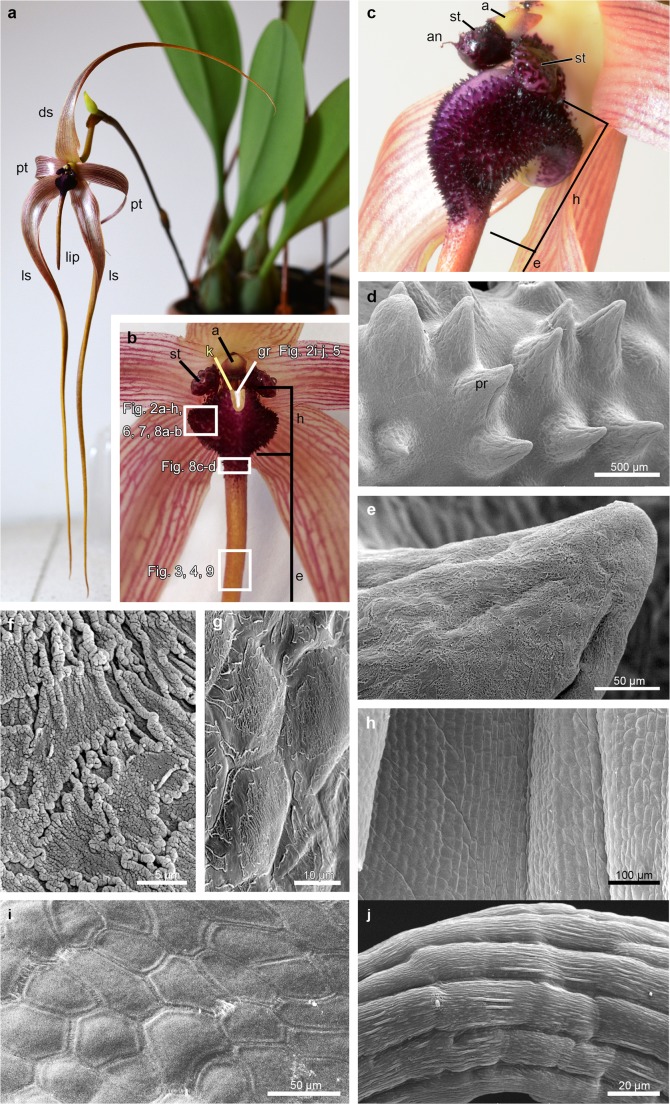
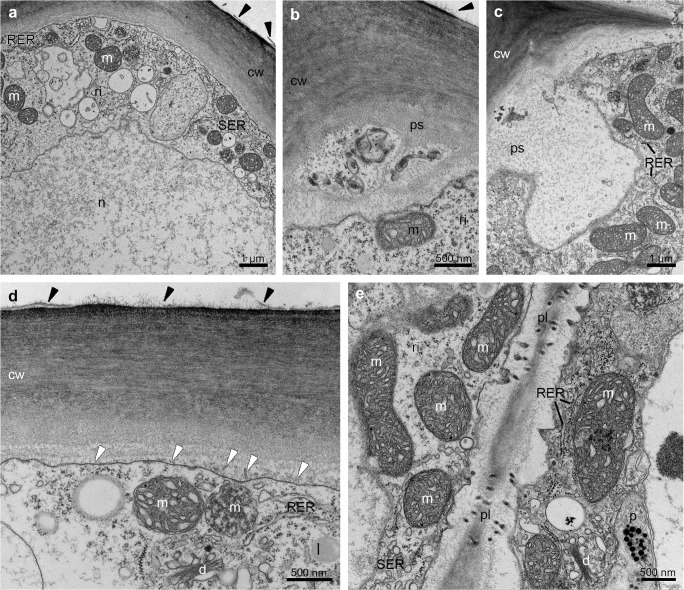
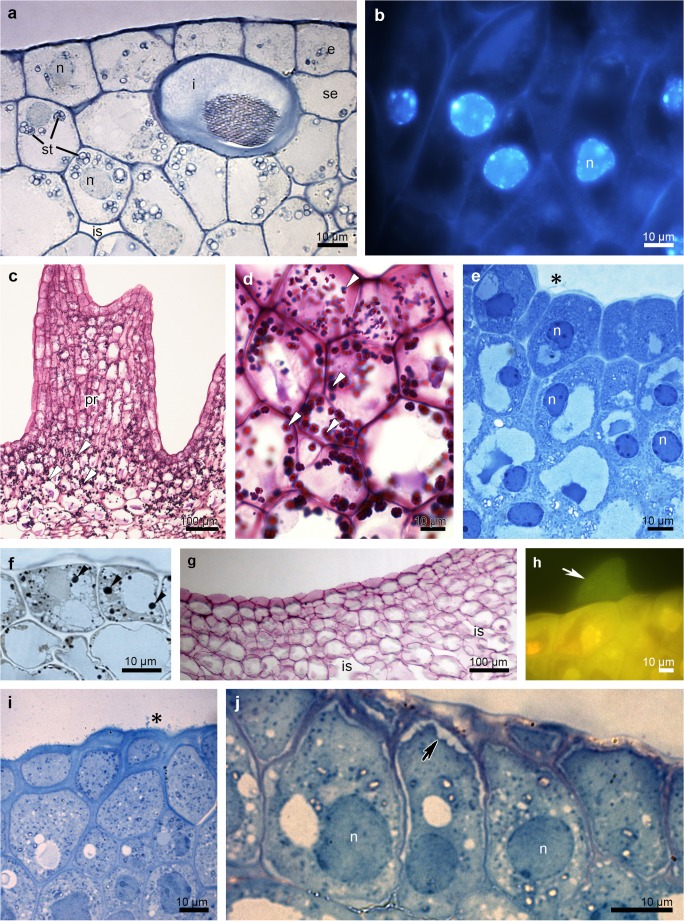
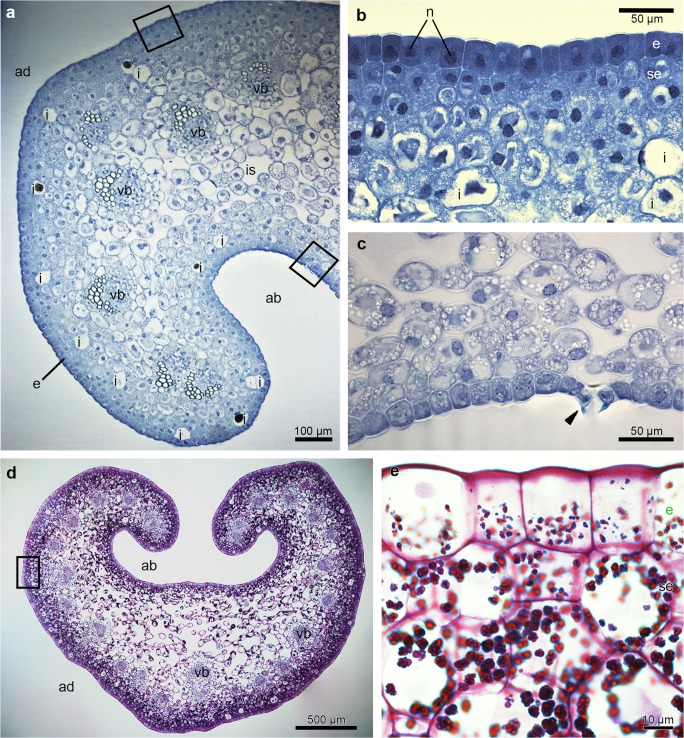
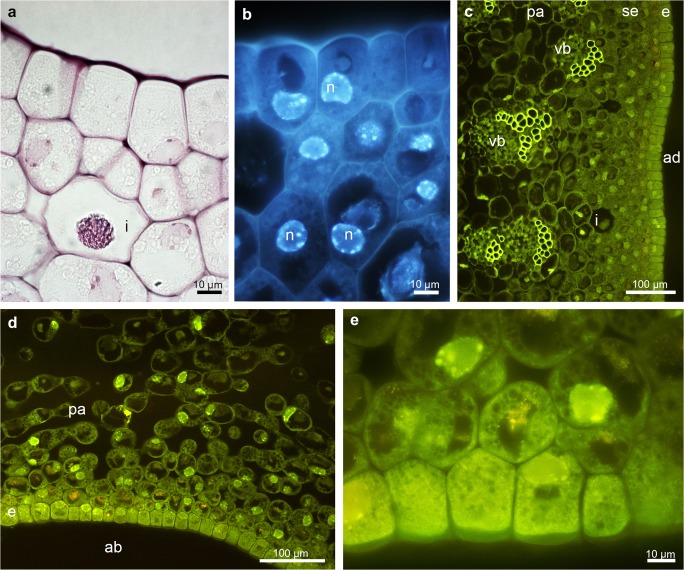
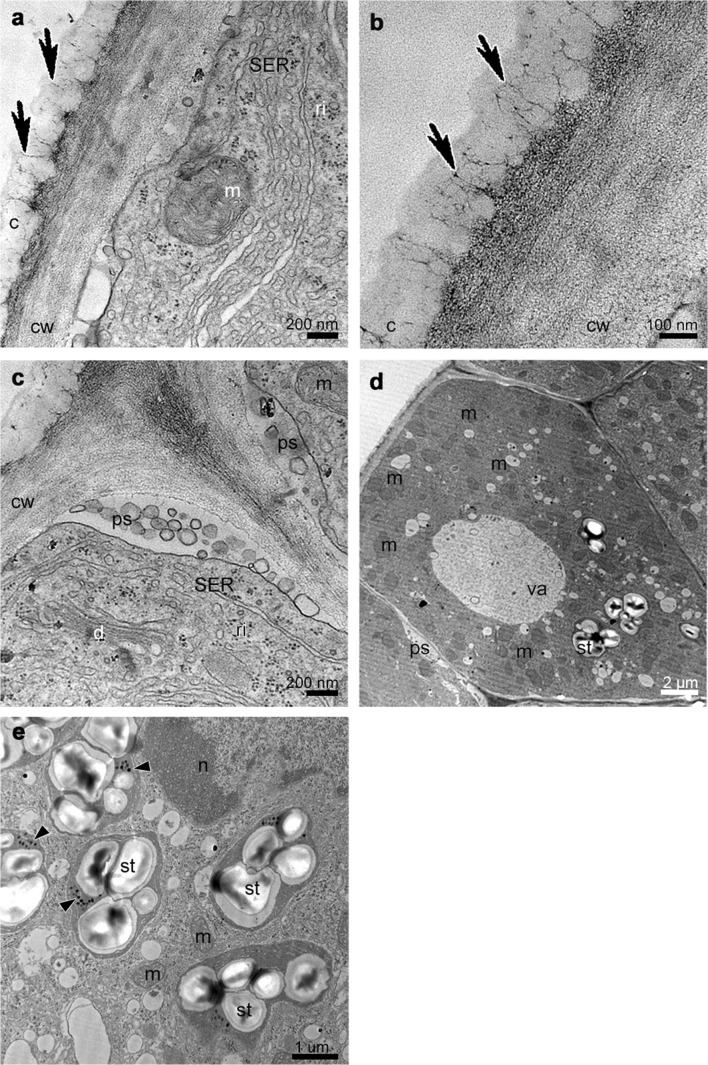
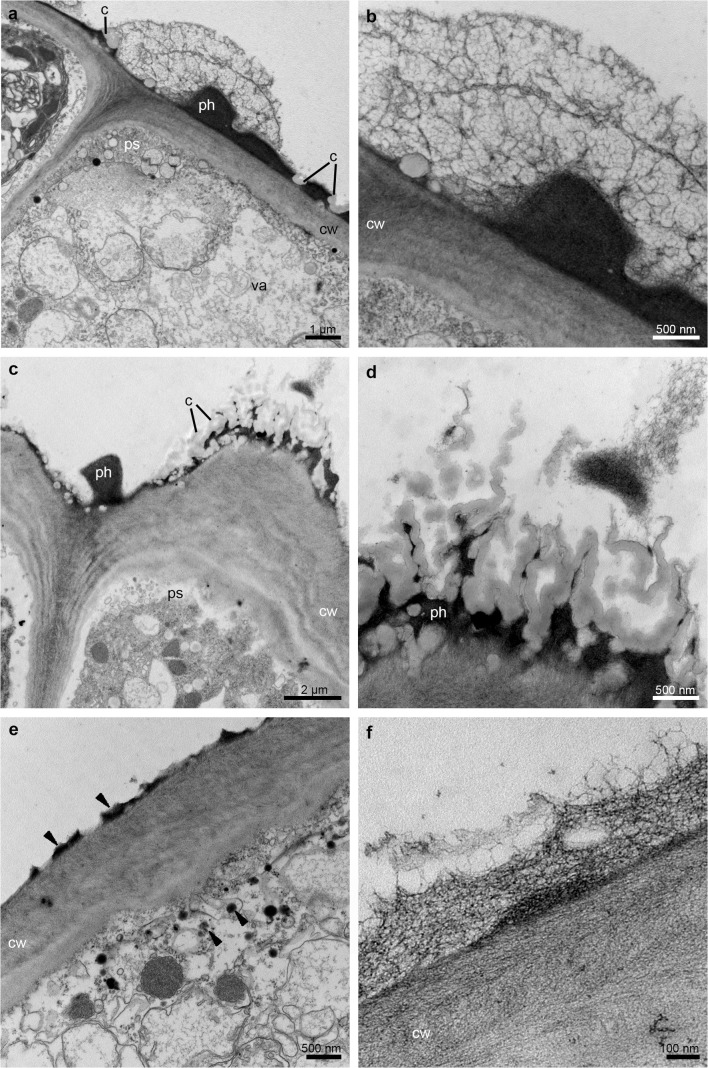
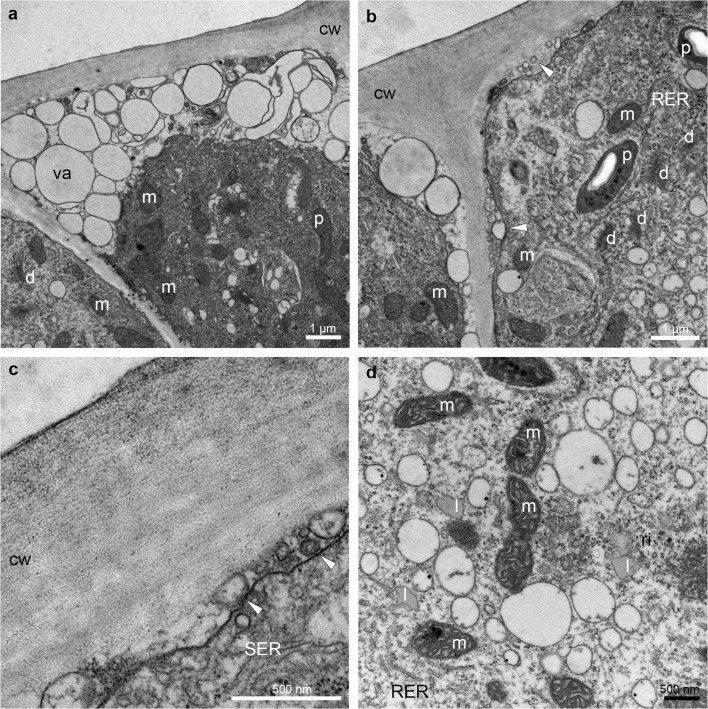
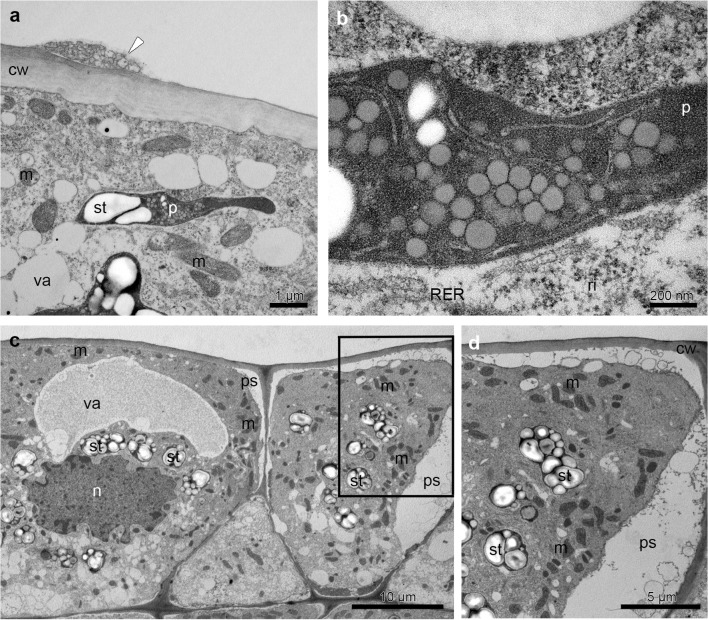
This micromorphological, chemical and ultrastructural study is a continuation of research conducted on the section Lepidorhiza. The Bulbophyllum echinolabium flowers comprised features that characterize a sapromyophilous syndrome, having large, glistening parts that emit an intense scent of rotten meat. The secretory activity was described in the hypochile (nectary in longitudinal groove and in the prickles) and the epichile (putative osmophore). The ultrastructural studies revealed a dense cytoplasm in the epidermis and subepidermal tissue with large nuclei and numerous mitochondria, the profiles of SER and RER, and dictyosomes. Large amounts of heterogeneous residues of secreted material (possibly phenolic) were present on the cuticle surface, similar to the unusual prominent periplasmic space with flocculent secretory material. The chemical analysis (GC/MS) of the scent profile of lips comprised carbohydrates and their derivatives (29.55% of all compounds), amino acids (1.66%), lipids (8.04%) and other organic compounds (60.73%). A great number of identified compounds are Diptera attractants (mainly Milichiidae, Tephritidae, Drosophilidae, Muscidae, Sarcophagidae, Tachinidae). The examination of visual and olfactory features indicates correlation between colour of flowers and the type of olfactory mimicry, where a dark colour labellum emits strong smell of rotten waste.
本微形态学、化学和超微结构研究是对 Lepidorhiza 部分进行研究的延续。Bulbophyllum echinolabium 花朵具有特征,这些特征表明其具有 sapromyophilous 综合征,具有大而有光泽的部分,散发出强烈的腐肉气味。在 hypochile(纵向槽中的蜜腺和刺)和 epichile(假定的 osmoregulator)中描述了分泌活动。超微结构研究显示表皮和皮下组织的细胞质密集,细胞核大,线粒体数量众多,SERT 和 RERT 以及 dictyosomes 的轮廓。在角质层表面存在大量分泌物质(可能是酚类物质)的不均匀残留物,类似于具有絮状分泌物质的异常突出的周质空间。唇的气味特征的化学分析(GC/MS)包括碳水化合物及其衍生物(所有化合物的 29.55%)、氨基酸(1.66%)、脂质(8.04%)和其他有机化合物(60.73%)。许多已识别的化合物是双翅目昆虫的引诱剂(主要是 Milichiidae、Tephritidae、Drosophilidae、Muscidae、Sarcophagidae、Tachinidae)。视觉和嗅觉特征的检查表明花朵颜色与嗅觉模拟类型之间存在相关性,其中深色的唇瓣散发出强烈的腐臭气味。