Mol Pharm. 2019 Jun 3;16(6):2354-2363. doi: 10.1021/acs.molpharmaceut.8b01274. Epub 2019 May 13.
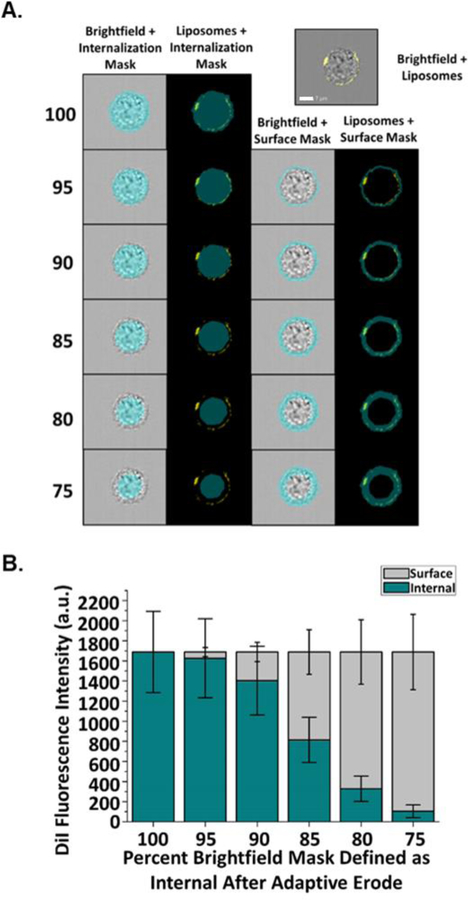
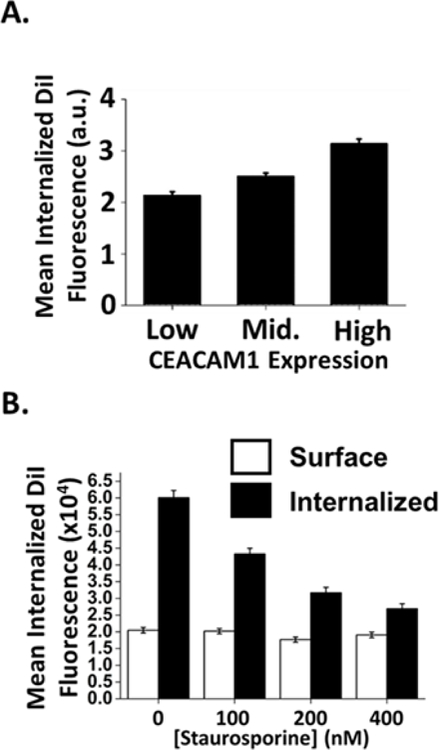
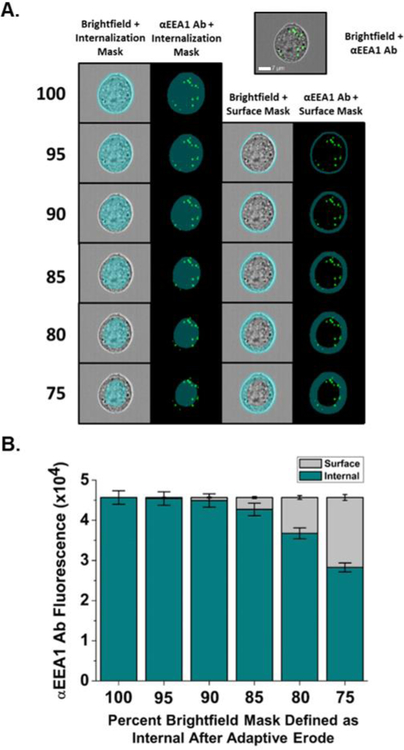
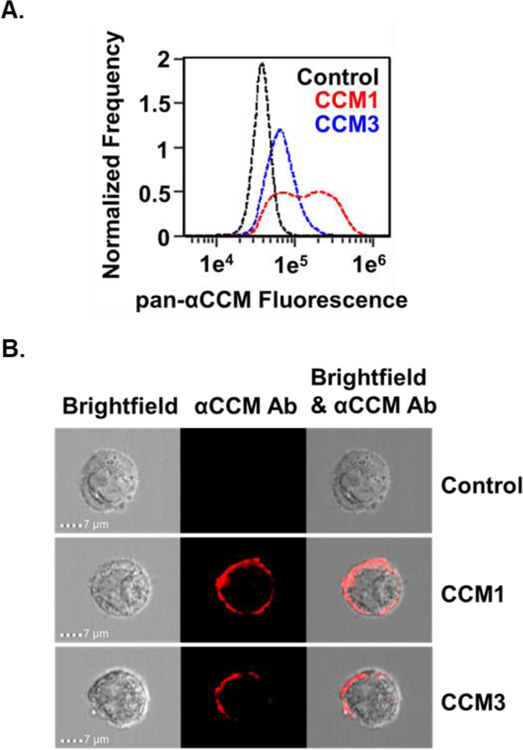
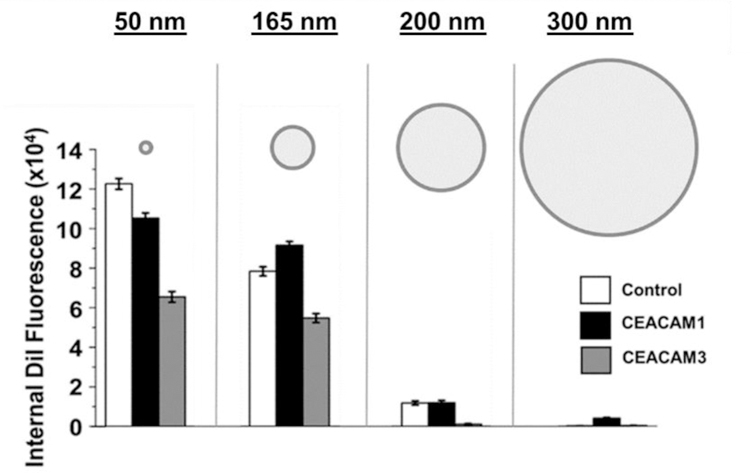
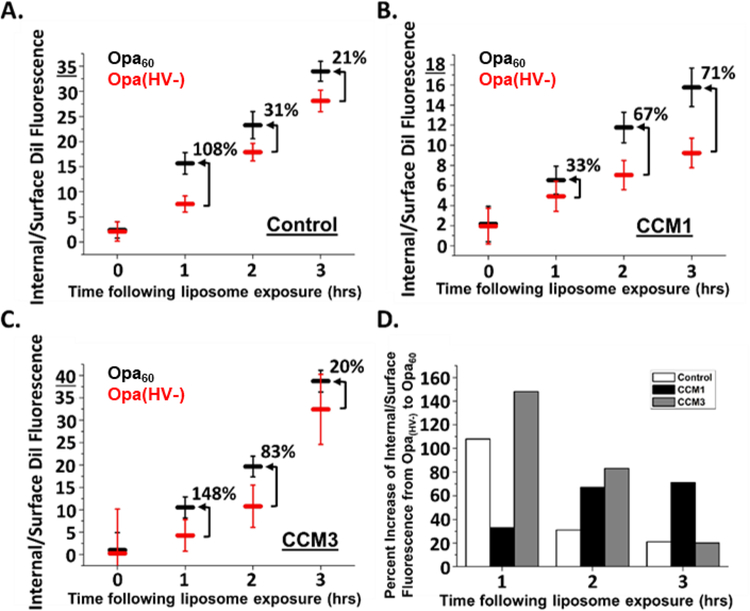
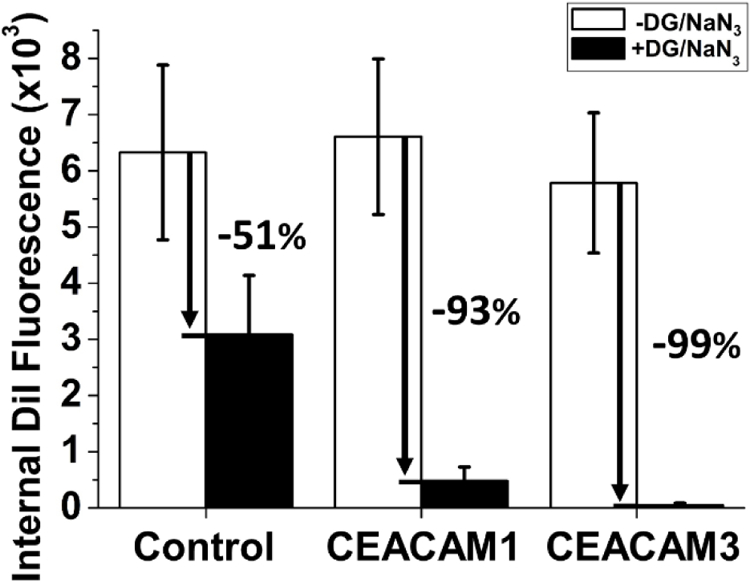
Carcinoembryonic antigen-like cell adhesion molecules (CEACAMs) are human cell-surface proteins that can exhibit increased expression on tumor cells and are thus a potential target for novel tumor-seeking therapeutic delivery methods. We hypothesize that engineered nanoparticles containing a known interaction partner of CEACAM, Neisseria gonorrhoeae outer membrane protein Opa, can be used to deliver cargo to specific cellular targets. In this study, the cell association and uptake of protein-free liposomes and Opa proteoliposomes into CEACAM-expressing cells were measured using imaging flow cytometry. A size-dependent internalization of liposomes into HeLa cells was observed through endocytic pathways. Opa-dependent, CEACAM1-mediated uptake of liposomes into HeLa cells was observed, with limited colocalization with endosomal and lysosomal trafficking compartments. Given the overexpression of CEACAM1 on several distinct cancers and interest in using CEACAM1 as a component in treatment strategies, these results support further pursuit of investigating Opa-dependent specificity and the internalization mechanism for therapeutic delivery.
癌胚抗原样细胞黏附分子(CEACAMs)是人类细胞表面蛋白,在肿瘤细胞上表达增加,因此是新型肿瘤靶向治疗递送方法的潜在靶点。我们假设,含有已知 CEACAM 相互作用伙伴淋病奈瑟菌外膜蛋白 Opa 的工程化纳米颗粒可用于将有效载荷递送至特定的细胞靶标。在这项研究中,使用成像流式细胞术测量了无蛋白脂质体和 Opa 脂蛋白体进入表达 CEACAM 的细胞的细胞关联和摄取。通过内吞途径观察到脂质体大小依赖性地进入 HeLa 细胞。观察到 Opa 依赖性、CEACAM1 介导的脂质体进入 HeLa 细胞的摄取,与内体和溶酶体运输隔室的有限共定位。鉴于 CEACAM1 在几种不同癌症中的过表达以及将 CEACAM1 用作治疗策略的一部分的兴趣,这些结果支持进一步研究 Opa 依赖性特异性和治疗性递送入内化机制。