Ghanem I, Massaad A, Assi A, Rizkallah M, Bizdikian A J, El Abiad R, Seringe R, Mosca V, Wicart P
Faculty of Medicine, University of Saint-Joseph, Beirut, Lebanon.
Orthopedic Surgery Department, Hôtel-Dieu de France Hospital, University of Saint-Joseph, Beirut, Lebanon.
J Child Orthop. 2019 Apr 1;13(2):134-146. doi: 10.1302/1863-2548.13.180022.
A thorough review of the available orthopaedic literature shows significant controversies, inconsistencies and sparse data regarding the terminology used to describe foot deformities. This lack of consensus on terminology creates confusion in professional discussions of foot anatomy, pathoanatomy and treatment of deformities. The controversies apply to joint movements as well as static relationships between the bones.
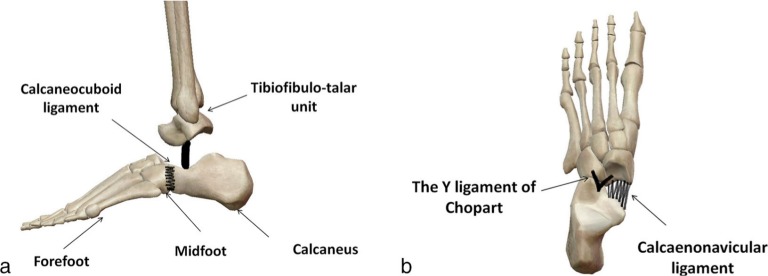
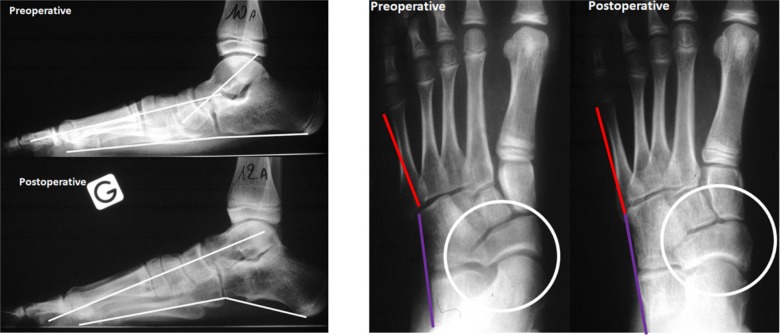
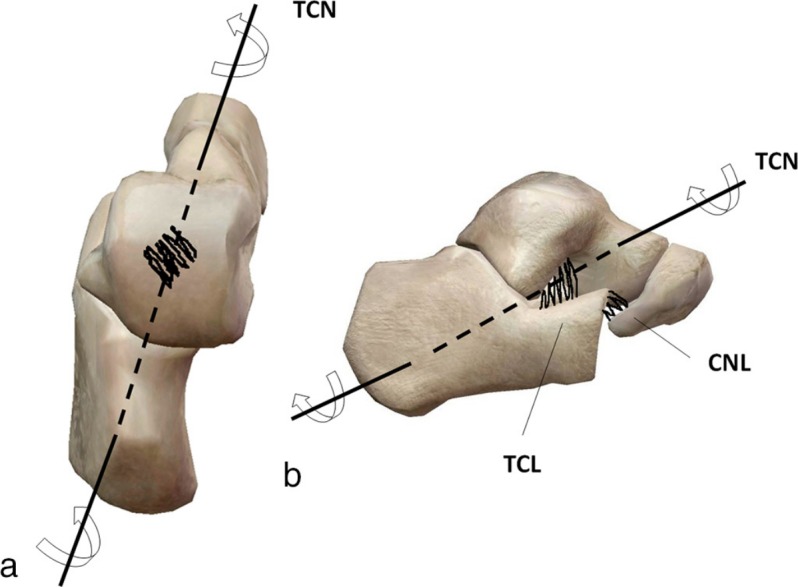
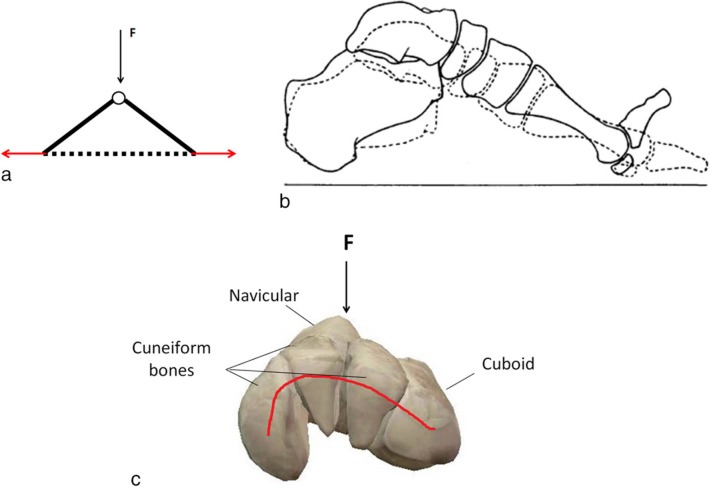
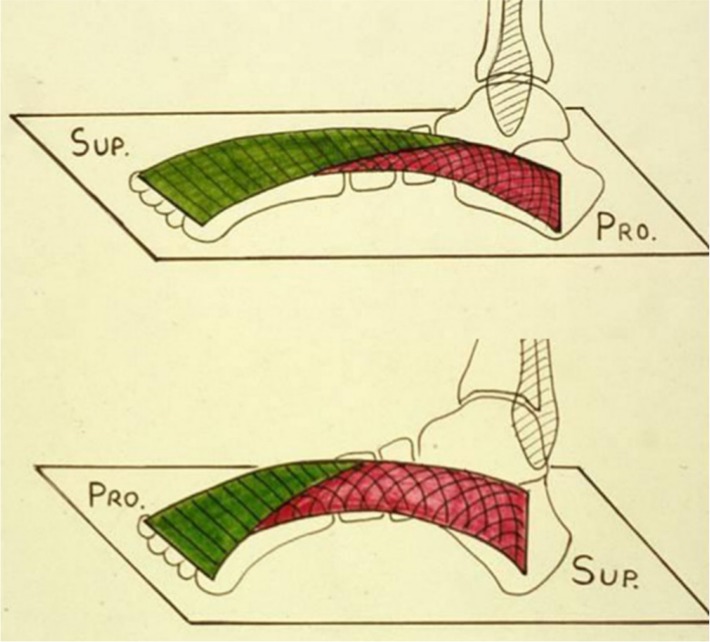
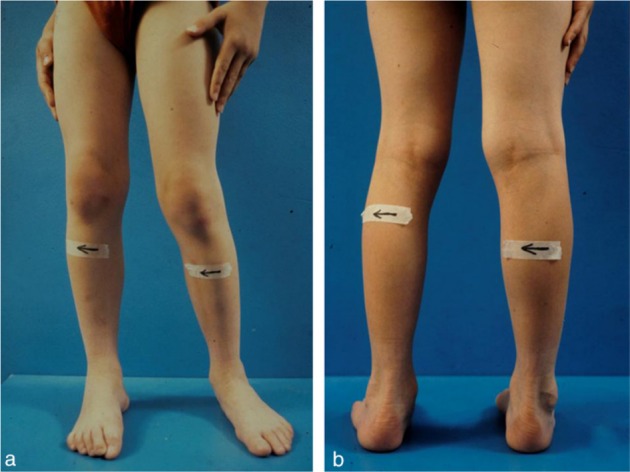
The calcaneopedal unit (CPU) is a specific anatomical and physiological entity, represented by the entire foot excepted the talus. The calcaneus, midfoot and forefoot are solidly bound by three strong ligaments that create a unit that articulates with the talus. The movement of the CPU is complex, as it rotates under the talus, around the axis of Henke that coincides with the talo-calcaneal ligament of Farabeuf.This calcaneopedal unit is deformable. It is compared with a twisted plate, able to adapt to many physiological situations in standing position, in order to acheive a plantigrade position.Moreover, the calcaneopedal unit and the talo-tibiofibular complex are interdependent; rotation of the latter produces morphologic modifications inside the former and vice versa.
This paper is a review article of this concept and of its physiopathological applications.
对现有骨科文献进行全面回顾后发现,在描述足部畸形所使用的术语方面存在重大争议、不一致之处且数据稀少。术语上缺乏共识导致在足部解剖学、病理解剖学以及畸形治疗的专业讨论中产生混淆。这些争议不仅适用于关节运动,也适用于骨骼之间的静态关系。
跟足单元(CPU)是一个特定的解剖和生理实体,由除距骨以外的整个足部构成。跟骨、中足和前足通过三条强大的韧带牢固相连,形成一个与距骨相关节的单元。跟足单元的运动很复杂,因为它在距骨下方围绕与法腊布夫距跟韧带重合的亨克轴旋转。这个跟足单元是可变形的。它被比作一块扭曲的板子,能够在站立位适应多种生理情况,以实现足底着地的姿势。此外,跟足单元与距胫腓复合体相互依存;后者的旋转会在前者内部产生形态学改变,反之亦然。
本文是对这一概念及其病理生理应用的综述文章。