Department of Microbiology, University of Delhi South Campus, New Delhi, India.
Department of Microbiology and Immunology, University of Nevada, Reno School of Medicine, Reno, Nevada, United States of America.
PLoS One. 2019 Apr 18;14(4):e0215394. doi: 10.1371/journal.pone.0215394. eCollection 2019.
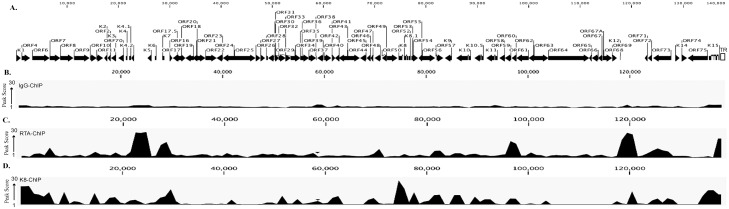
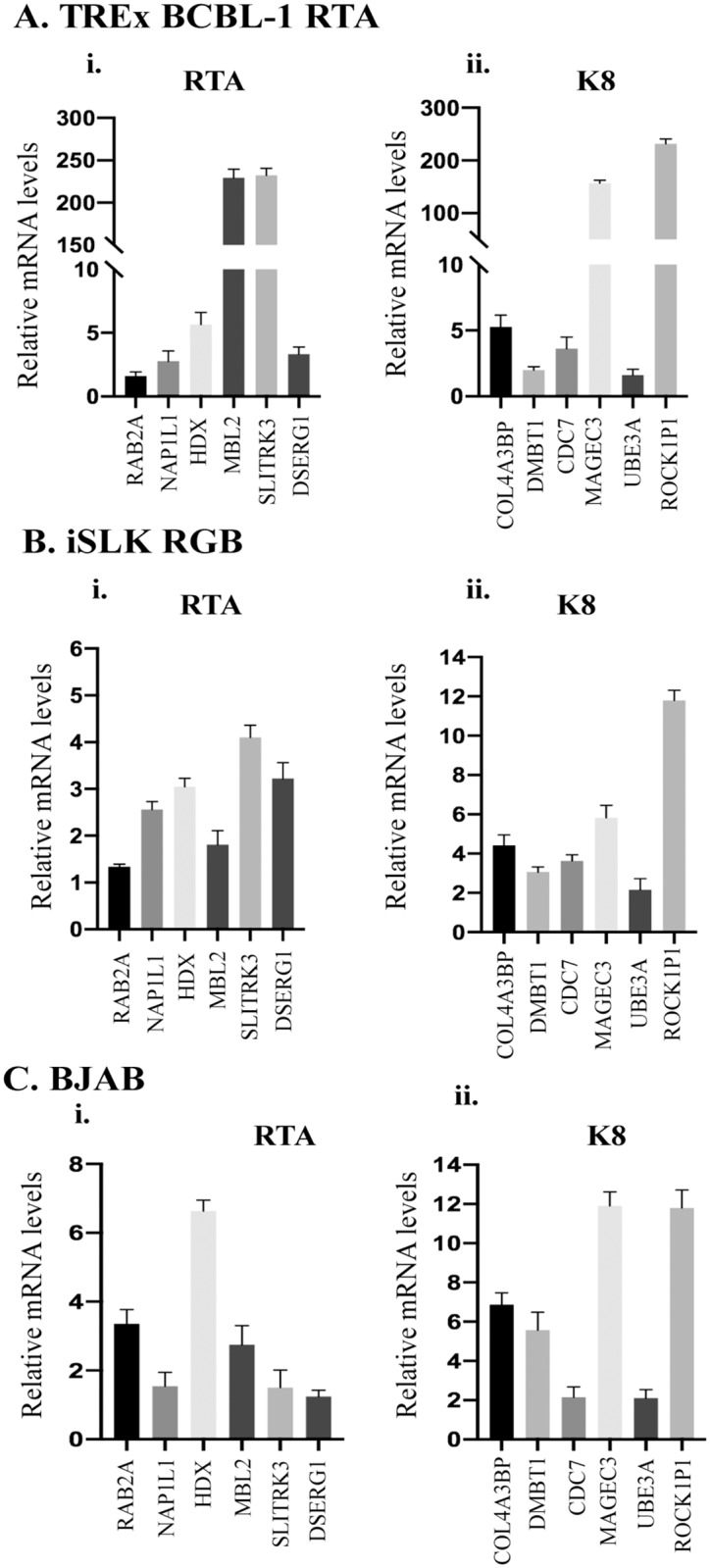
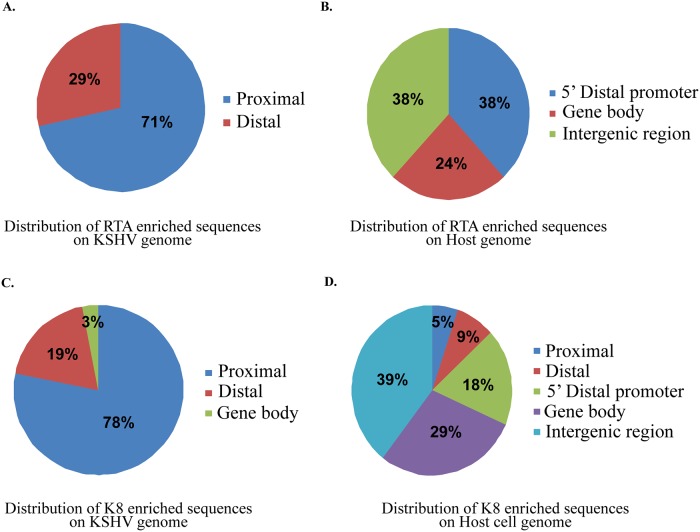
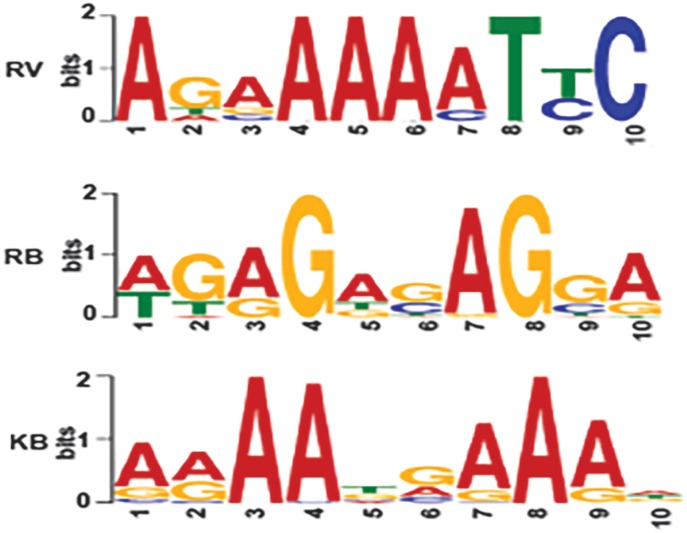
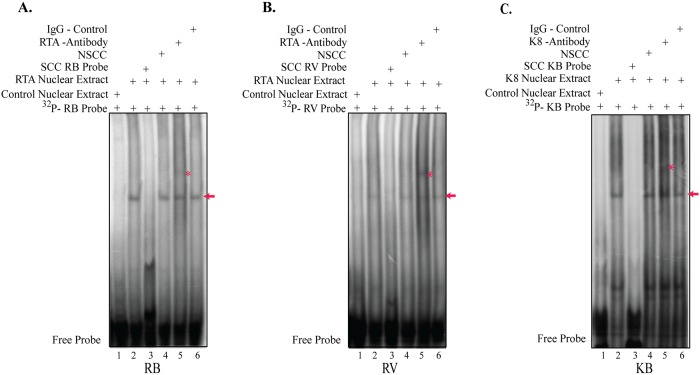
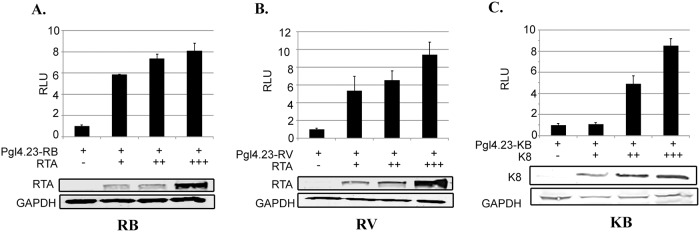
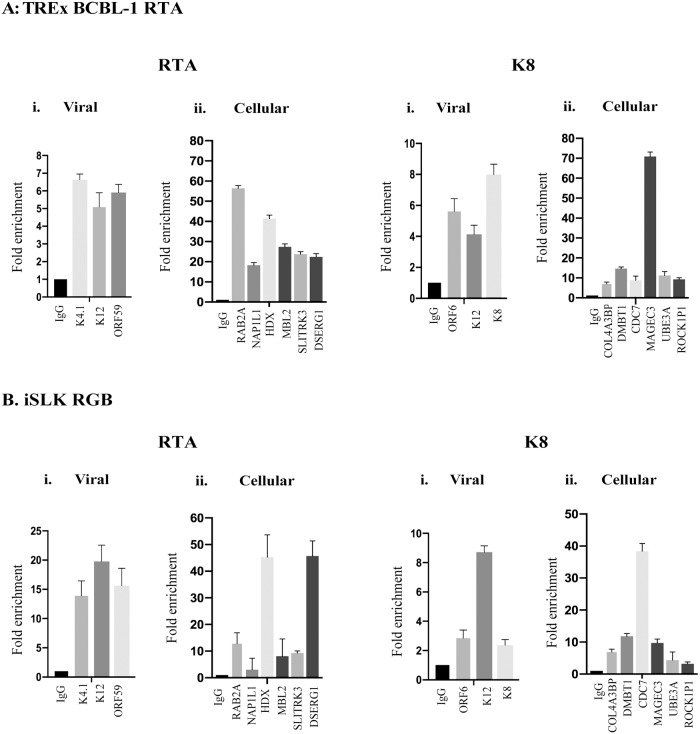
The oncogenic Kaposi's sarcoma-associated herpesvirus (KSHV) has two distinct life cycles with lifelong latent/non-productive and a sporadic lytic-reactivating/productive phases in the infected immune compromised human hosts. The virus reactivates from latency in response to various chemical or environmental stimuli, which triggers the lytic cascade and leads to the expression of immediate early gene, i.e. Replication and Transcription Activator (K-RTA). K-RTA, the latent-to-lytic switch protein, activates the expression of early (E) and late (L) lytic genes by transactivating multiple viral promoters. Expression of K-RTA is shown to be sufficient and essential to switch the latent virus to enter into the lytic phase of infection. Similarly, the virus-encoded bZIP family of protein, K8 also plays an important role in viral lytic DNA replication. Although, both K-RTA and K8 are found to be the ori-Lyt binding proteins and are required for lytic DNA replication, the detailed DNA-binding profile of these proteins in the KSHV and host genomes remains uncharacterized. In this study, using chromatin immunoprecipitation combined with high-throughput sequencing (ChIP-seq) assay, we performed a comprehensive analysis of K-RTA and K8 binding sites in the KSHV and human genomes in order to identify specific DNA binding sequences/motifs. We identified two novel K-RTA binding motifs, (i.e. AGAGAGAGGA/motif RB and AGAAAAATTC/motif RV) and one K8 binding motif (i.e. AAAATGAAAA/motif KB), respectively. The binding of K-RTA/K8 proteins with these motifs and resulting transcriptional modulation of downstream genes was further confirmed by DNA electrophoretic gel mobility shift assay (EMSA), reporter promoter assay, Chromatin Immunoprecipitation (ChIP) assay and mRNA quantitation assay. Our data conclusively shows that K-RTA/K8 proteins specifically bind to these motifs on the host/viral genomes to modulate transcription of host/viral genes during KSHV lytic reactivation.
致癌性卡波济肉瘤相关疱疹病毒 (KSHV) 具有两种截然不同的生命周期,在感染免疫功能低下的人类宿主中,存在终生潜伏/非复制和偶发性裂解激活/复制阶段。病毒在潜伏状态下受到各种化学或环境刺激的影响而重新激活,从而触发裂解级联反应,导致立即早期基因的表达,即复制和转录激活剂 (K-RTA)。K-RTA,潜伏到裂解的开关蛋白,通过反式激活多个病毒启动子,激活早期 (E) 和晚期 (L) 裂解基因的表达。研究表明,K-RTA 的表达足以并对于将潜伏病毒切换到感染的裂解阶段是必要的。同样,病毒编码的 bZIP 家族蛋白 K8 也在病毒裂解 DNA 复制中发挥重要作用。尽管 K-RTA 和 K8 都被发现是 ori-Lyt 结合蛋白,并且是裂解 DNA 复制所必需的,但这些蛋白在 KSHV 和宿主基因组中的详细 DNA 结合谱仍未被表征。在这项研究中,我们使用染色质免疫沉淀结合高通量测序 (ChIP-seq) 分析,对 KSHV 和人类基因组中 K-RTA 和 K8 结合位点进行了全面分析,以鉴定特定的 DNA 结合序列/基序。我们分别鉴定了两个新的 K-RTA 结合基序 (即 AGAGAGAGGA/motif RB 和 AGAAAAATTC/motif RV) 和一个 K8 结合基序 (即 AAAATGAAAA/motif KB)。K-RTA/K8 蛋白与这些基序的结合以及随后对下游基因的转录调节通过 DNA 电泳凝胶迁移率变动分析 (EMSA)、报告基因启动子分析、染色质免疫沉淀 (ChIP) 分析和 mRNA 定量分析得到进一步证实。我们的数据最终表明,K-RTA/K8 蛋白特异性地结合到宿主/病毒基因组上的这些基序上,以在 KSHV 裂解重新激活期间调节宿主/病毒基因的转录。