Department of Biochemistry, Institute of Medical Sciences, Banaras Hindu University, Varanasi, India.
Department of Biochemistry, Birat Medical College & Teaching Hospital, Biratnagar, Nepal.
Haematologica. 2019 Dec;104(12):2482-2492. doi: 10.3324/haematol.2019.217463. Epub 2019 Apr 19.
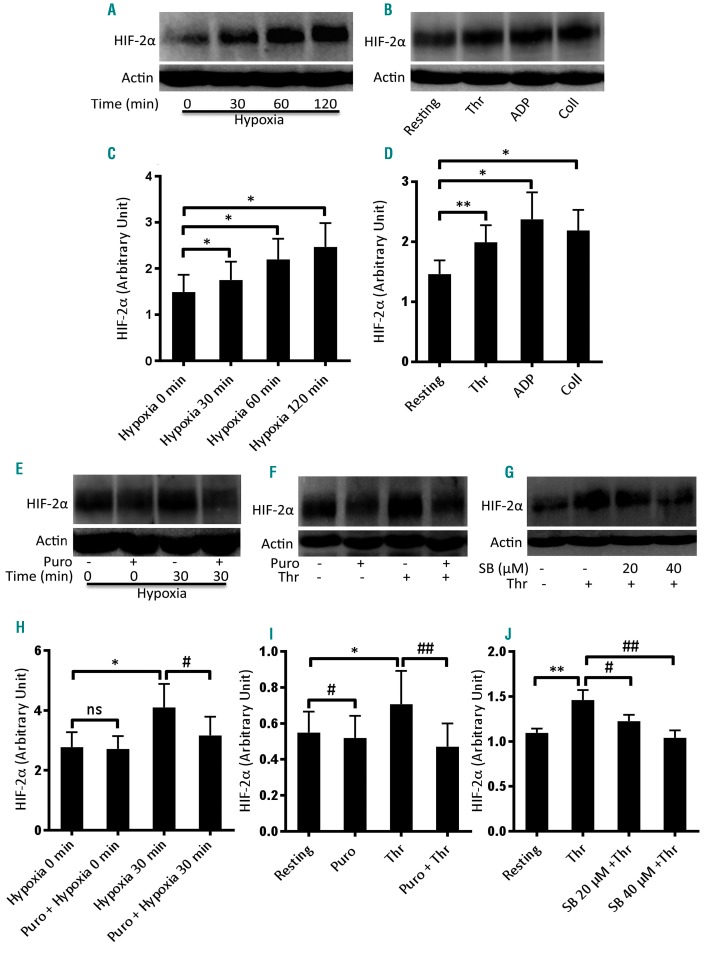
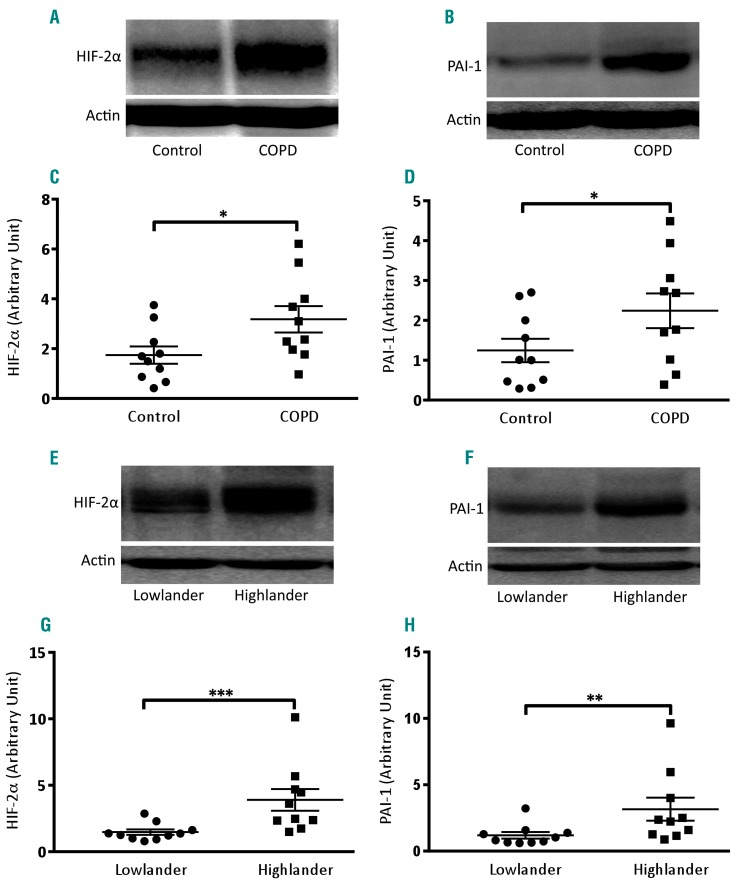
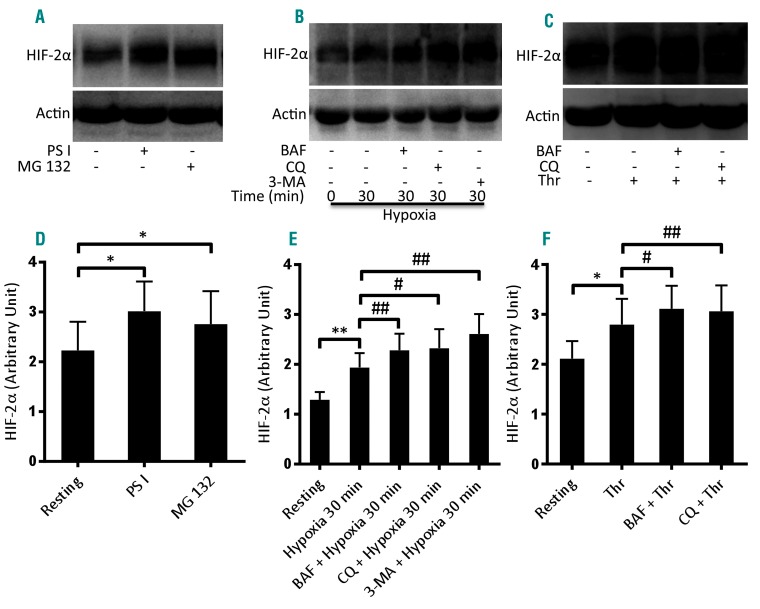
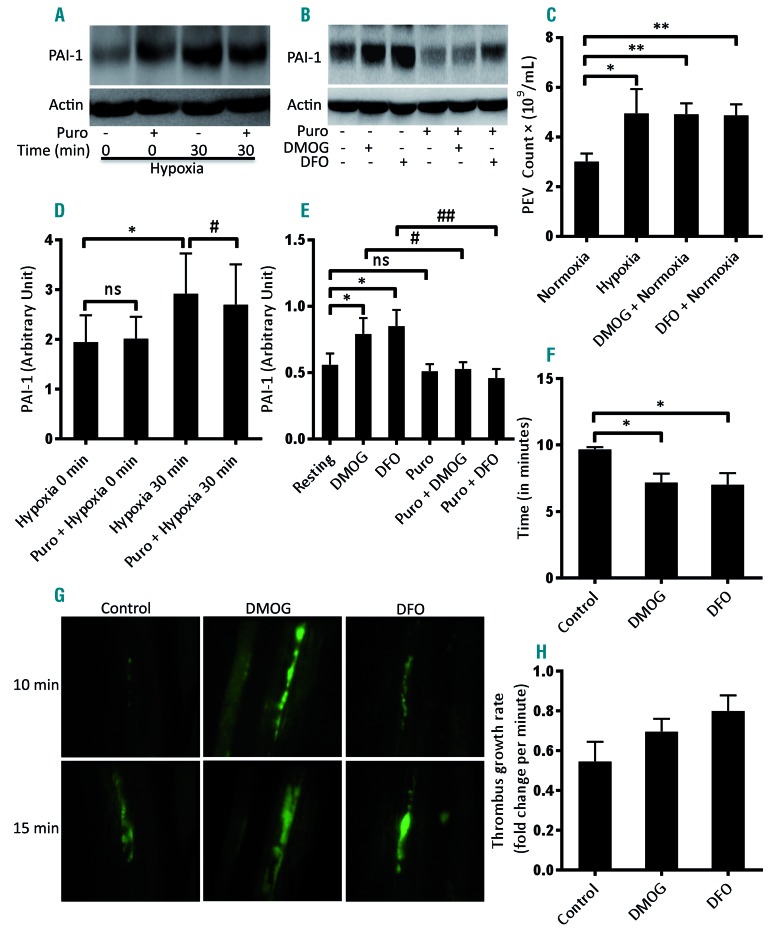
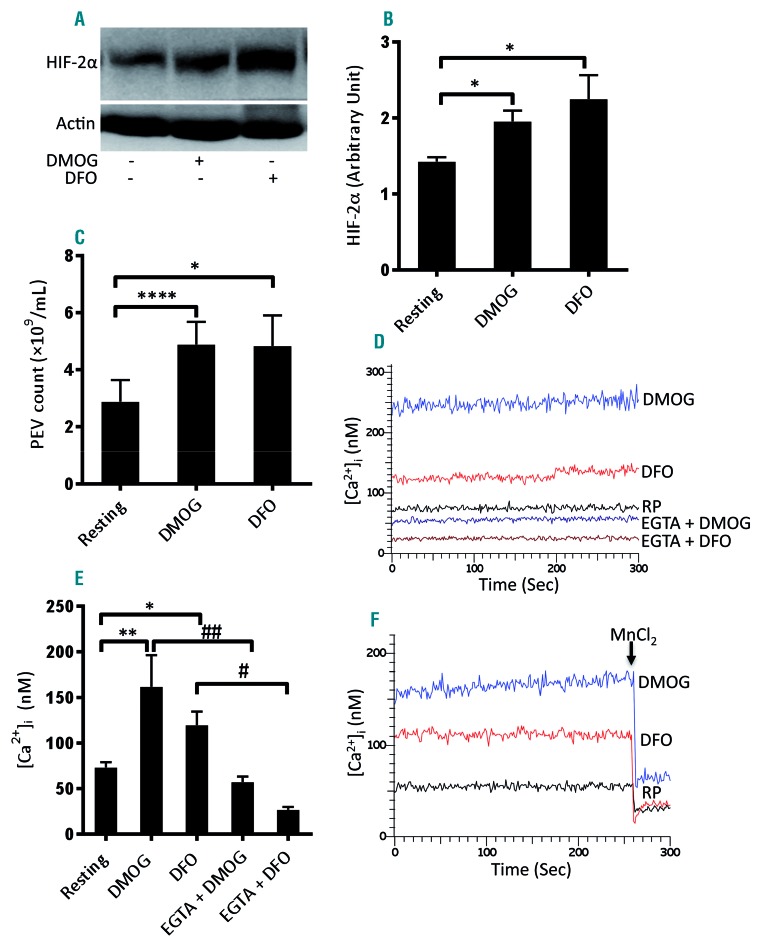
Oxygen-compromised environments, such as high altitude, are associated with platelet hyperactivity. Platelets confined within the relatively impervious core of an aggregate/thrombus have restricted access to oxygen, yet they continue to perform energy-intensive procoagulant activities that sustain the thrombus. Studying platelet signaling under hypoxia is, therefore, critical to our understanding of the mechanistic basis of thrombus stability. We report here that hypoxia-inducible factor (HIF)-2α is translated from pre-existing mRNA and stabilized against proteolytic degradation in enucleate platelets exposed to hypoxia. Hypoxic stress, too, stimulates platelets to synthesize plasminogen-activator inhibitor-1 (PAI-1) and shed extracellular vesicles, both of which potentially contribute to the prothrombotic phenotype associated with hypoxia. Stabilization of HIF-α by administering hypoxia-mimetics to mice accelerates thrombus formation in mesenteric arterioles. In agreement, platelets from patients with chronic obstructive pulmonary disease and high altitude residents exhibiting thrombogenic attributes have abundant expression of HIF-2α and PAI- 1. Thus, targeting platelet hypoxia signaling could be an effective anti-thrombotic strategy.
缺氧环境,如高海拔地区,与血小板活性过高有关。血小板被限制在聚集物/血栓的相对不渗透核心内,氧气供应受限,但它们仍继续进行能量密集的促凝活性,维持血栓的形成。因此,研究缺氧下的血小板信号转导对于我们理解血栓稳定性的机制基础至关重要。我们在这里报告,缺氧诱导因子(HIF)-2α可从预先存在的 mRNA 翻译而来,并在暴露于缺氧的去核血小板中稳定,防止蛋白水解降解。缺氧应激也会刺激血小板合成纤溶酶原激活物抑制剂-1(PAI-1)并释放细胞外囊泡,这两者都可能导致与缺氧相关的血栓前表型。用缺氧模拟物对小鼠进行 HIF-α稳定处理会加速肠系膜小动脉中的血栓形成。同样,患有慢性阻塞性肺疾病和表现出血栓形成特征的高原居民的血小板中 HIF-2α 和 PAI-1 的表达丰富。因此,靶向血小板缺氧信号转导可能是一种有效的抗血栓策略。