Tripathi Julu, Thapa Prakash, Maharjan Ravi, Jeong Seong Hoon
College of Pharmacy, Dongguk University-Seoul, 32 Donggukro, Ilsandonggu, Goyang, Gyeonggi 10326, Korea.
Pharmaceutics. 2019 Apr 20;11(4):193. doi: 10.3390/pharmaceutics11040193.
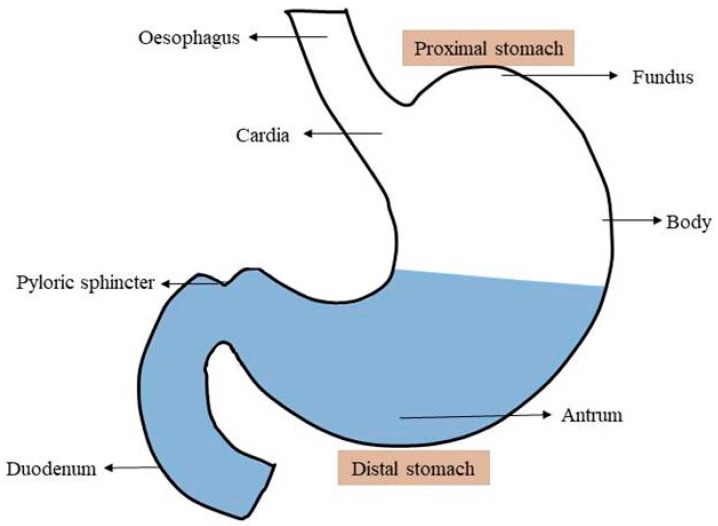
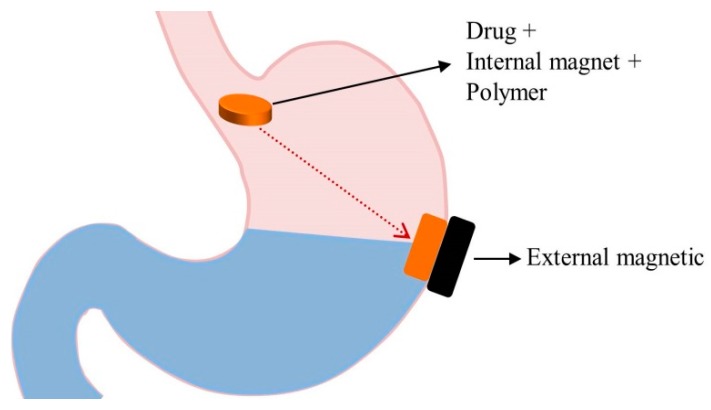
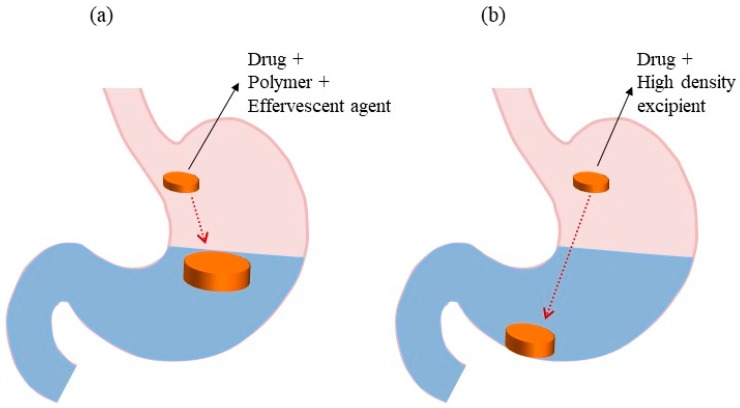
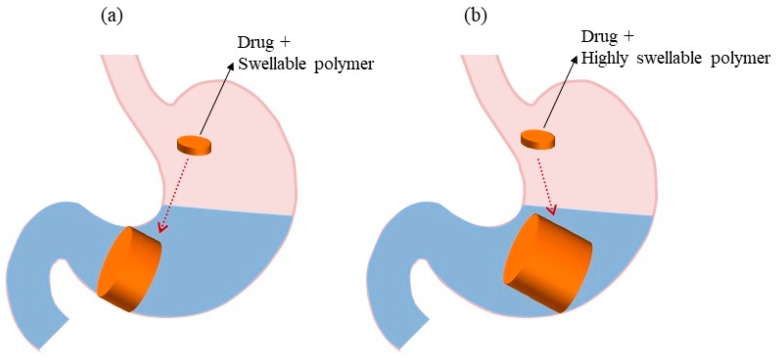
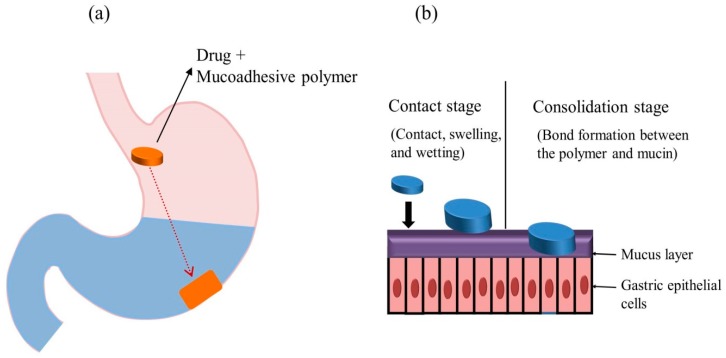
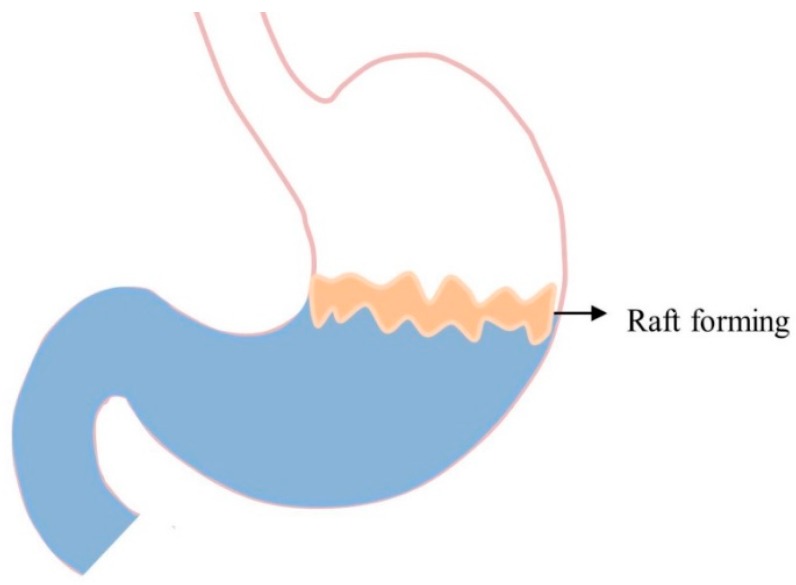
In recent years, many attempts have been made to enhance the drug bioavailability and therapeutic effectiveness of oral dosage forms. In this context, various gastroretentive drug delivery systems (GRDDS) have been used to improve the therapeutic efficacy of drugs that have a narrow absorption window, are unstable at alkaline pH, are soluble in acidic conditions, and are active locally in the stomach. In this review, we discuss the physiological state of the stomach and various factors that affect GRDDS. Recently applied gastrointestinal technologies such as expandable, superporous hydrogel; bio/mucoadhesive, magnetic, ion-exchange resin; and low- and high-density-systems have also been examined along with their merits and demerits. The significance of in vitro and in vivo evaluation parameters of various GRDDS is summarized along with their applications. Moreover, future perspectives on this technology are discussed to minimize the gastric emptying rate in both the fasted and fed states. Overall, this review may inform and guide formulation scientists in designing the GRDDS.
近年来,人们进行了许多尝试来提高口服剂型的药物生物利用度和治疗效果。在此背景下,各种胃滞留给药系统(GRDDS)已被用于提高吸收窗窄、在碱性pH值下不稳定、在酸性条件下可溶且在胃中局部起作用的药物的治疗效果。在本综述中,我们讨论了胃的生理状态以及影响GRDDS的各种因素。最近应用的胃肠道技术,如可膨胀的超多孔水凝胶、生物/粘膜粘附性、磁性、离子交换树脂以及低密度和高密度系统,也已连同它们的优缺点进行了研究。总结了各种GRDDS的体外和体内评价参数的意义及其应用。此外,还讨论了该技术的未来展望,以尽量降低禁食和进食状态下的胃排空率。总体而言,本综述可为制剂科学家设计GRDDS提供参考和指导。