Department of Biochemistry and Molecular Genetics, University of Alabama at Birmingham, Birmingham, AL 35294, USA.
Cells. 2019 Apr 12;8(4):346. doi: 10.3390/cells8040346.
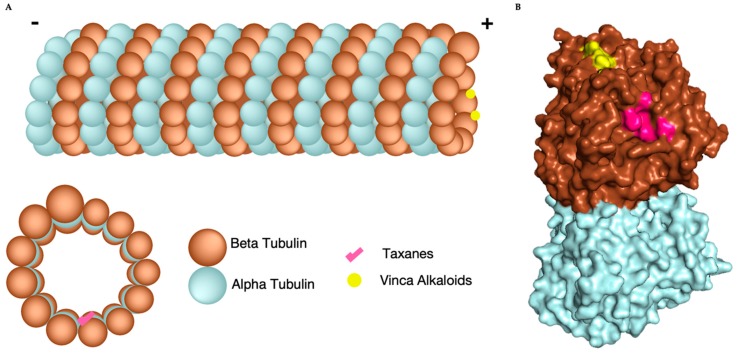
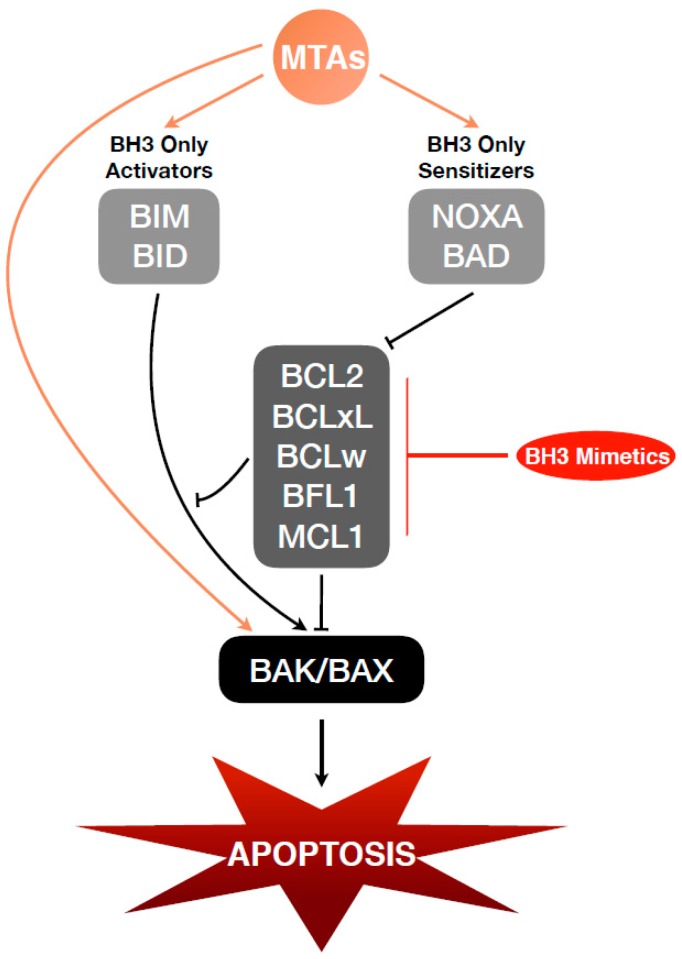
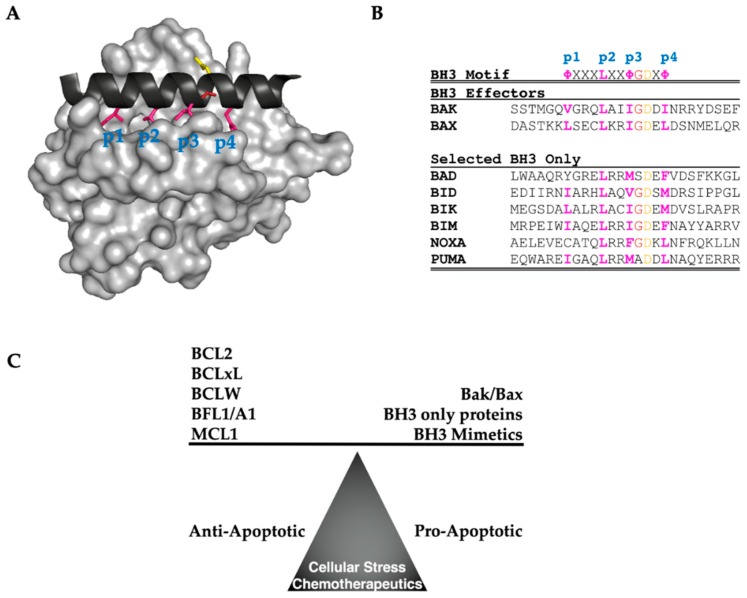
Chemotherapeutic targeting of microtubules has been the standard of care in treating a variety of malignancies for decades. During mitosis, increased microtubule dynamics are necessary for mitotic spindle formation and successful chromosomal segregation. Microtubule targeting agents (MTAs) disrupt the dynamics necessary for successful spindle assembly and trigger programmed cell death (apoptosis). As the critical regulators of apoptosis, anti-apoptotic BCL2 family members are often amplified during carcinogenesis that can result in MTA resistance. This review outlines how BCL2 family regulation is positioned within the context of MTA treatment and explores the potential of combination therapy of MTAs with emerging BCL2 family inhibitors.
几十年来,针对微管的化学疗法一直是治疗各种恶性肿瘤的标准疗法。在有丝分裂过程中,增加微管动力学对于有丝分裂纺锤体的形成和成功的染色体分离是必要的。微管靶向药物(MTAs)破坏了成功的纺锤体组装所必需的动力学,并触发程序性细胞死亡(细胞凋亡)。作为细胞凋亡的关键调节因子,抗凋亡 BCL2 家族成员在癌变过程中经常被扩增,这可能导致 MTA 耐药。这篇综述概述了 BCL2 家族调节在 MTA 治疗中的定位,并探讨了 MTAs 与新兴 BCL2 家族抑制剂联合治疗的潜力。