Xie Jianhe, Zhao Jianbai, Wang Junjie, Wang Chonghao, Huang Peiyan, Fang Chi
School of Civil and Transportation Engineering, Guangdong University of Technology, Guangzhou 510006, China.
Division of Engineering, NYU Abu Dhabi, P.O. Box 129188, Abu Dhabi, UAE.
Materials (Basel). 2019 Apr 16;12(8):1247. doi: 10.3390/ma12081247.
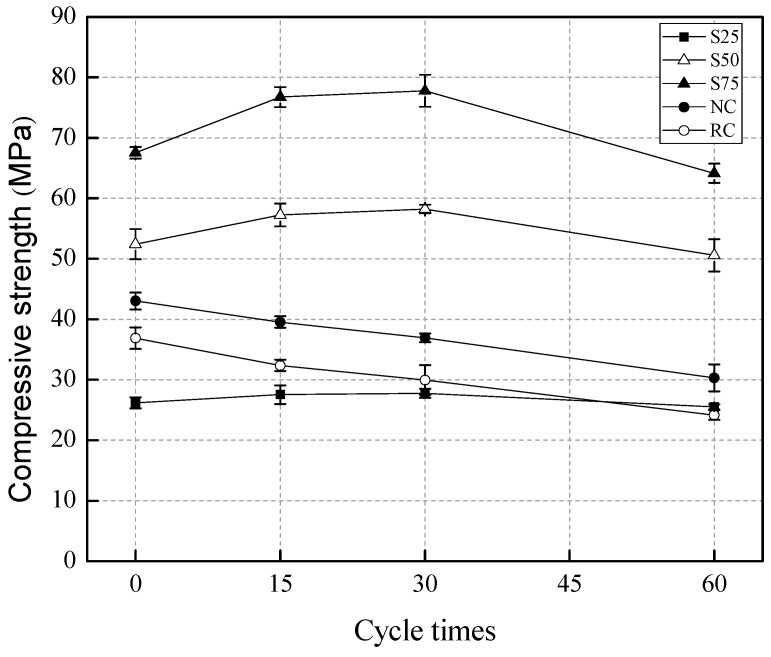
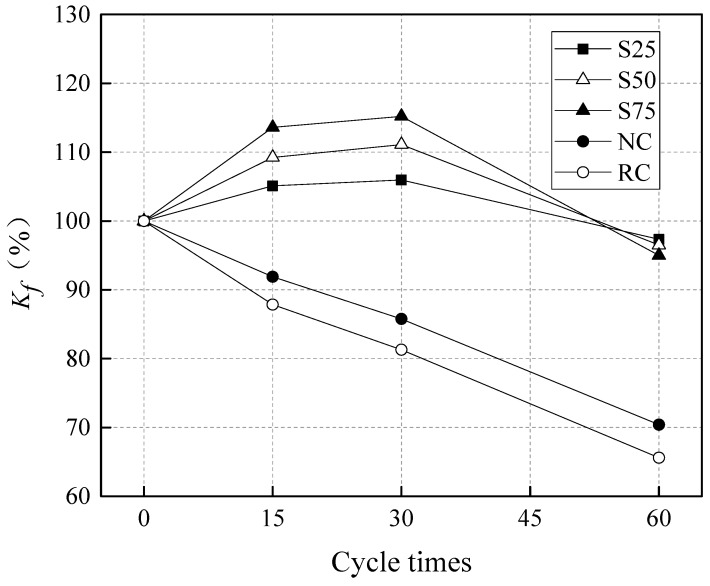
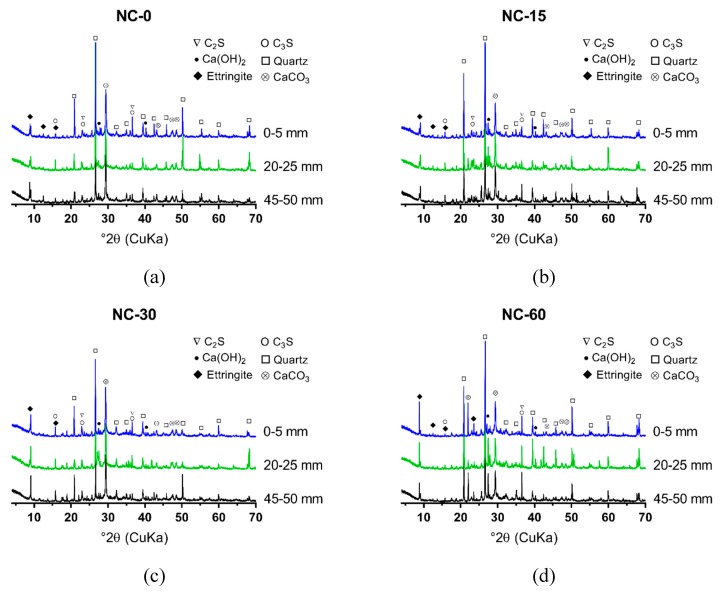
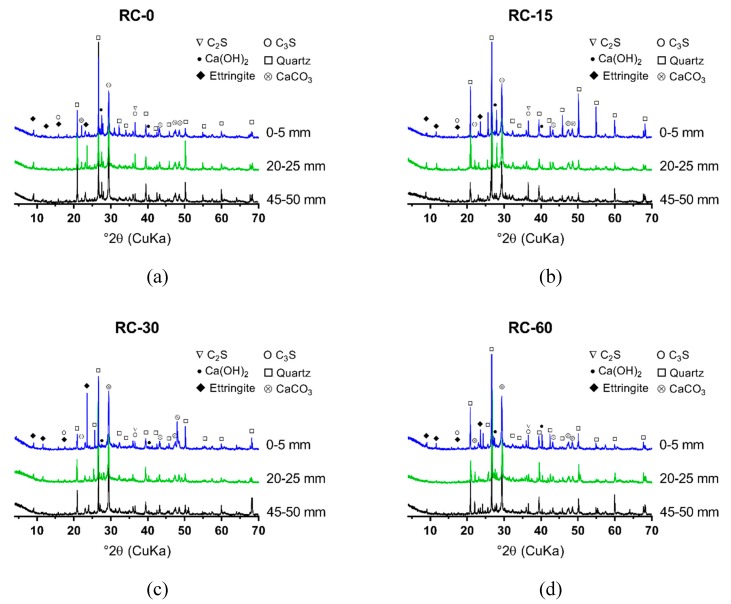
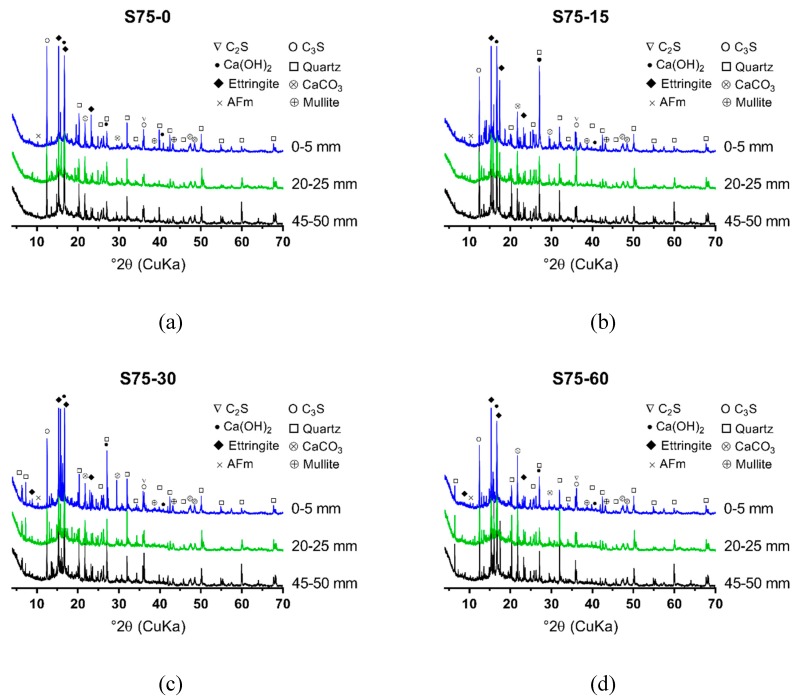
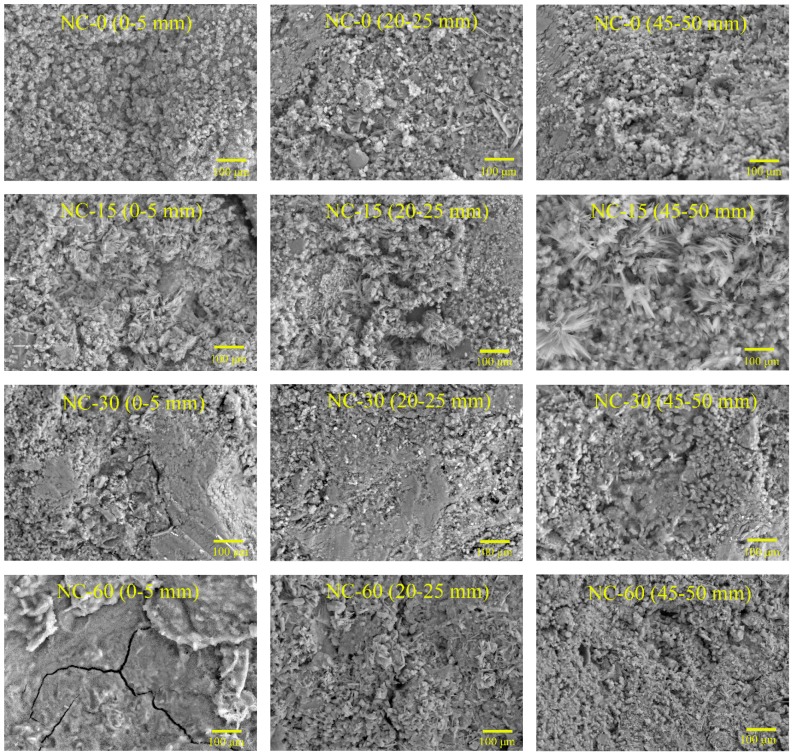
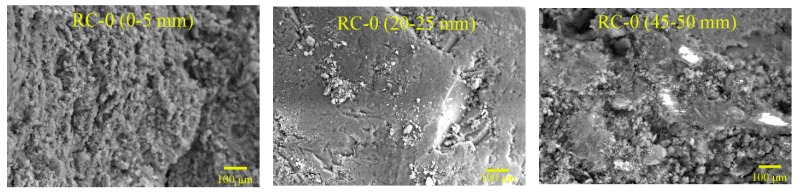
There is a constant drive for the development of ultra-high-performance concrete using modern green engineering technologies. These concretes have to exhibit enhanced durability and incorporate energy-saving and environment-friendly functions. The object of this work was to develop a green concrete with an improved sulfate resistance. In this new type of concrete, recycled aggregates from construction and demolition (C&D) waste were used as coarse aggregates, and granulated blast furnace slag (GGBS) and fly ash-based geopolymer were used to totally replace the cement in concrete. This study focused on the sulfate resistance of this geopolymer recycled aggregate concrete (GRAC). A series of measurements including compression, X-ray diffraction (XRD), and scanning electron microscopy (SEM) tests were conducted to investigate the physical properties and hydration mechanisms of the GRAC after different exposure cycles in a sulfate environment. The results indicate that the GRAC with a higher content of GGBS had a lower mass loss and a higher residual compressive strength after the sulfate exposure. The proposed GRACs, showing an excellent sulfate resistance, can be used in construction projects in sulfate environments and hence can reduce the need for cement as well as the disposal of C&D wastes.
利用现代绿色工程技术开发超高性能混凝土的需求一直存在。这些混凝土必须具有更高的耐久性,并具备节能和环保功能。这项工作的目的是开发一种具有改进抗硫酸盐性能的绿色混凝土。在这种新型混凝土中,建筑和拆除(C&D)废物的再生骨料用作粗骨料,粒化高炉矿渣(GGBS)和粉煤灰基地质聚合物用于完全替代混凝土中的水泥。本研究聚焦于这种地质聚合物再生骨料混凝土(GRAC)的抗硫酸盐性能。进行了一系列测量,包括抗压、X射线衍射(XRD)和扫描电子显微镜(SEM)测试,以研究GRAC在硫酸盐环境中不同暴露周期后的物理性能和水化机制。结果表明,GGBS含量较高的GRAC在硫酸盐暴露后质量损失较低,残余抗压强度较高。所提出的GRAC表现出优异的抗硫酸盐性能,可用于硫酸盐环境中的建筑项目,从而可以减少水泥的需求以及C&D废物的处置。