Duraikannu Arul, Krishnan Anand, Chandrasekhar Ambika, Zochodne Douglas W
Division of Neurology, Department of Medicine, and Neuroscience and Mental Health Institute, University of Alberta, Edmonton, AB, Canada.
Front Cell Neurosci. 2019 Apr 5;13:128. doi: 10.3389/fncel.2019.00128. eCollection 2019.
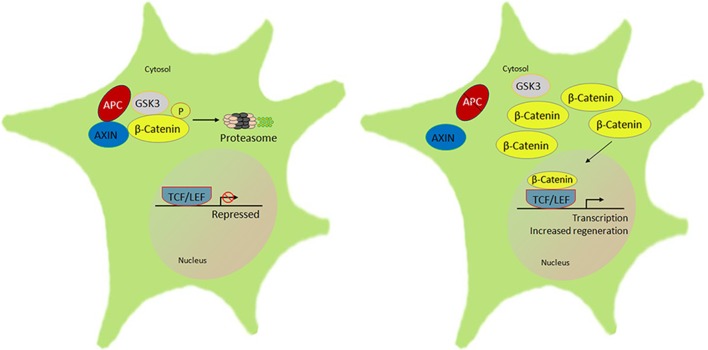
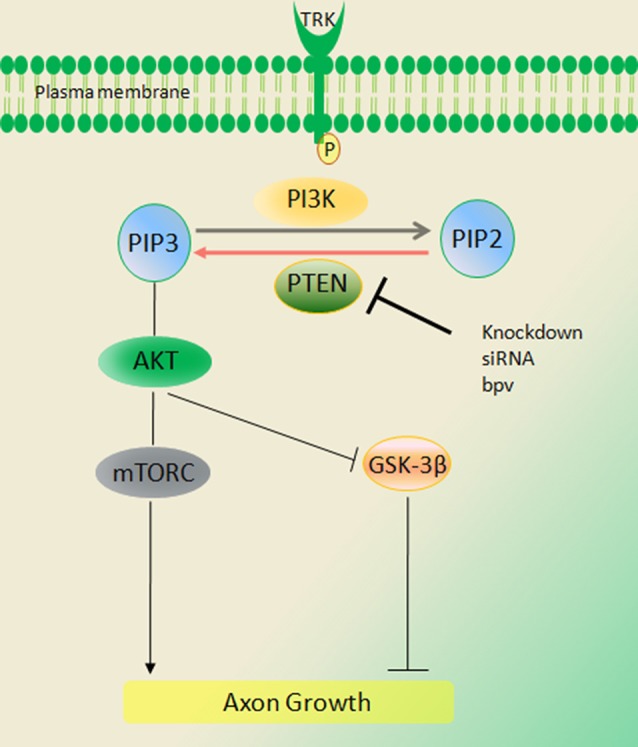
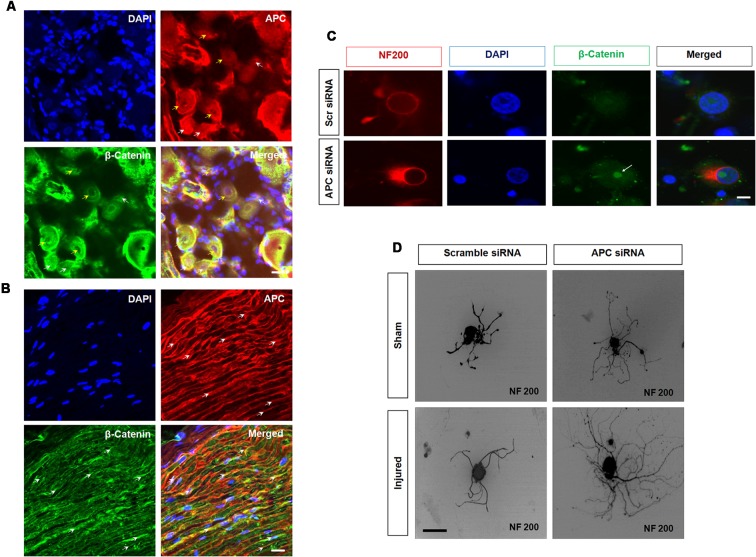
Injuries and diseases of the peripheral nervous system (PNS) are common but frequently irreversible. It is often but mistakenly assumed that peripheral neuron regeneration is robust without a need to be improved or supported. However, axonal lesions, especially those involving proximal nerves rarely recover fully and injuries generally are complicated by slow and incomplete regeneration. Strategies to enhance the intrinsic growth properties of reluctant adult neurons offer an alternative approach to consider during regeneration. Since axons rarely regrow without an intimately partnered Schwann cell (SC), approaches to enhance SC plasticity carry along benefits to their axon partners. Direct targeting of molecules that inhibit growth cone plasticity can inform important regenerative strategies. A newer approach, a focus of our laboratory, exploits tumor suppressor molecules that normally dampen unconstrained growth. However several are also prominently expressed in stable adult neurons. During regeneration their ongoing expression "brakes" growth, whereas their inhibition and knockdown may enhance regrowth. Examples have included phosphatase and tensin homolog deleted on chromosome ten (PTEN), a tumor suppressor that inhibits PI3K/pAkt signaling, Rb1, the protein involved in retinoblastoma development, and adenomatous polyposis coli (APC), a tumor suppressor that inhibits β-Catenin transcriptional signaling and its translocation to the nucleus. The identification of several new targets to manipulate the plasticity of regenerating adult peripheral neurons is exciting. How they fit with canonical regeneration strategies and their feasibility require additional work. Newer forms of nonviral siRNA delivery may be approaches for molecular manipulation to improve regeneration.
外周神经系统(PNS)的损伤和疾病很常见,但往往不可逆转。人们常常错误地认为,外周神经元的再生能力很强,无需改善或支持。然而,轴突损伤,尤其是那些涉及近端神经的损伤,很少能完全恢复,而且损伤通常会因再生缓慢和不完全而变得复杂。增强成年神经元内在生长特性的策略为再生过程提供了另一种可考虑的方法。由于没有紧密相伴的施万细胞(SC),轴突很少能再生,因此增强SC可塑性的方法对其轴突伙伴也有好处。直接靶向抑制生长锥可塑性的分子可以为重要的再生策略提供信息。一种更新的方法,也是我们实验室的重点,是利用通常会抑制无节制生长的肿瘤抑制分子。然而,其中一些分子在稳定的成年神经元中也有显著表达。在再生过程中,它们的持续表达会“抑制”生长,而抑制和敲低它们可能会增强再生。例子包括10号染色体缺失的磷酸酶和张力蛋白同源物(PTEN),一种抑制PI3K/pAkt信号传导的肿瘤抑制因子;Rb1,一种参与视网膜母细胞瘤发生的蛋白质;以及腺瘤性息肉病基因(APC),一种抑制β-连环蛋白转录信号及其向细胞核转位的肿瘤抑制因子。确定几个新的靶点来操纵成年外周神经元再生的可塑性令人兴奋。它们如何与经典的再生策略相契合以及其可行性还需要进一步研究。新型非病毒小干扰RNA递送形式可能是用于分子操纵以改善再生的方法。