Espenshade Jordan, Thijs Sofie, Gawronski Stanislaw, Bové Hannelore, Weyens Nele, Vangronsveld Jaco
Centre for Environmental Sciences, Hasselt University, Diepenbeek, Belgium.
Faculty of Horticulture, Biotechnology and Landscape Architecture, Warsaw University of Life Sciences, Warsaw, Poland.
Front Microbiol. 2019 Apr 4;10:675. doi: 10.3389/fmicb.2019.00675. eCollection 2019.
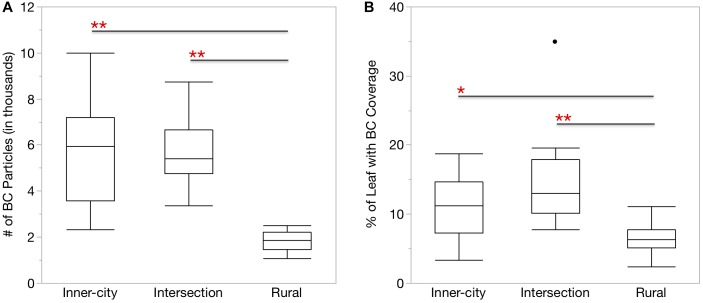
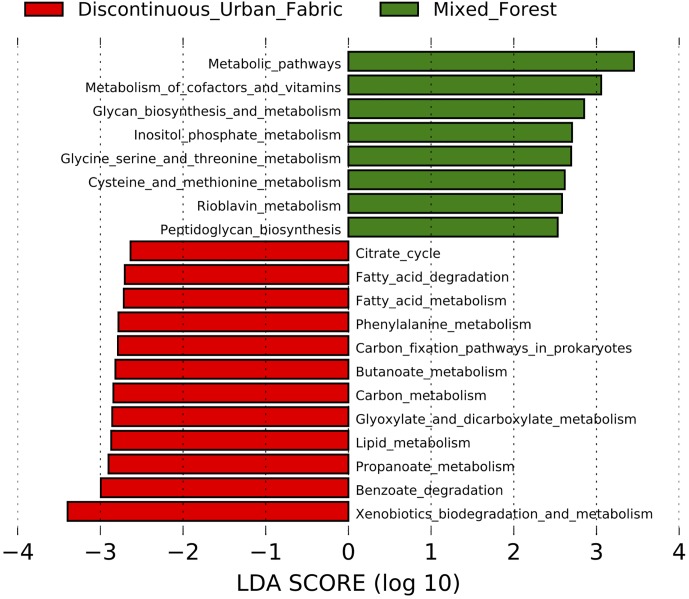
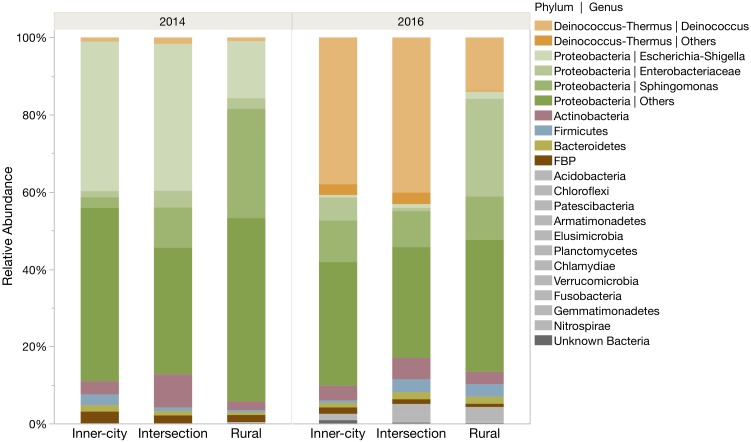
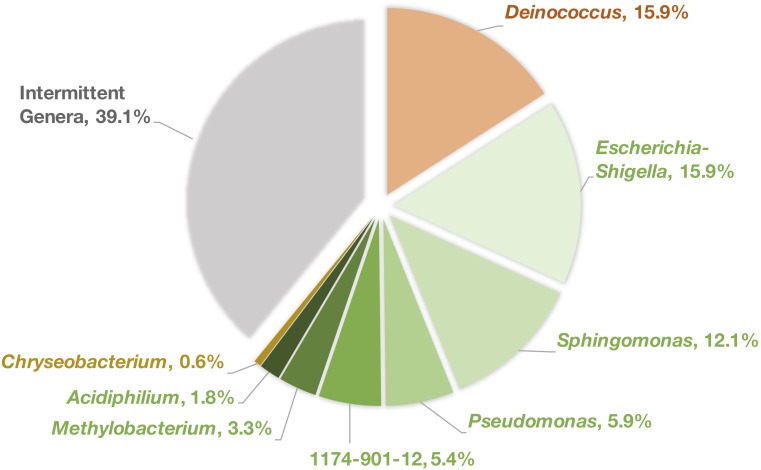
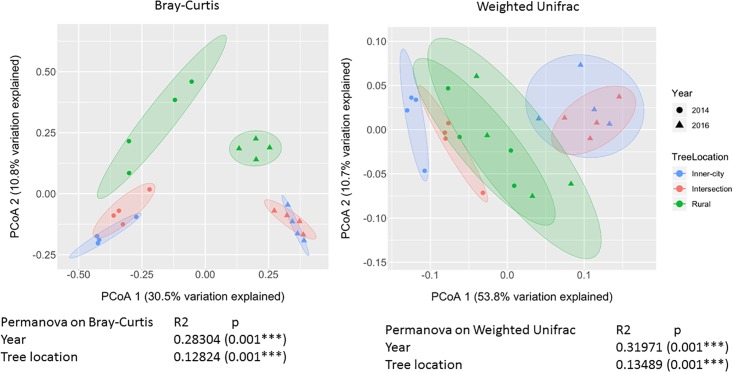
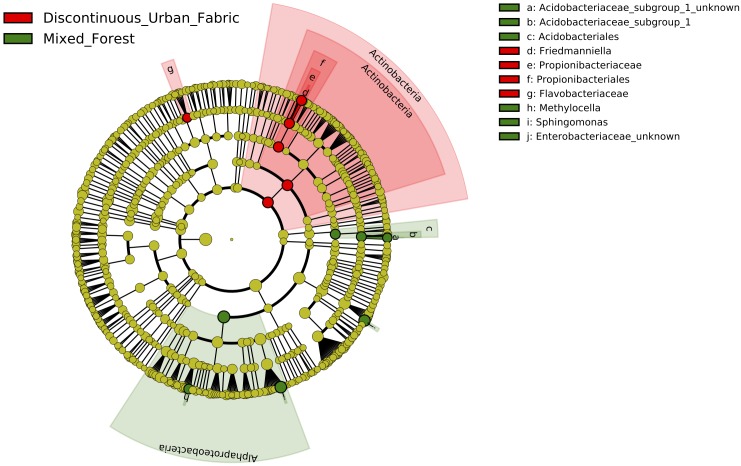
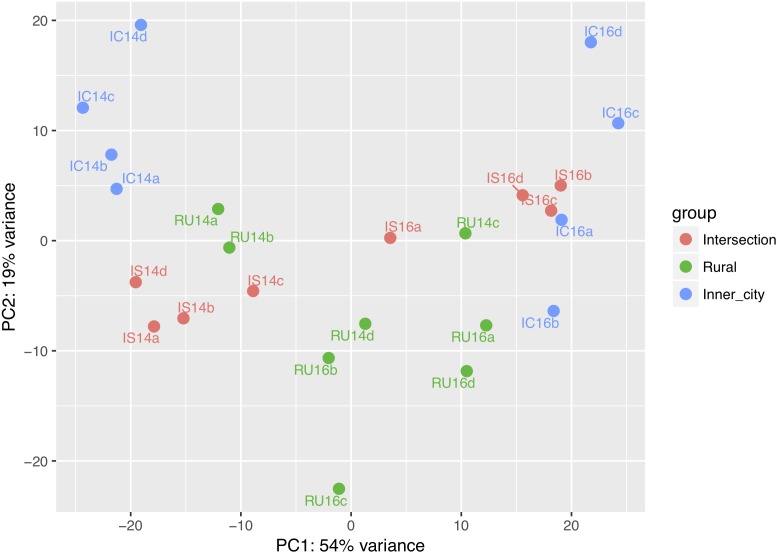
The aerial surfaces of plants harbor diverse communities of microorganisms. The rising awareness concerning the potential roles of these phyllosphere microbiota for airborne pollutant remediation and plant growth promotion, advocates for a better understanding of their community structure and dynamics in urban ecosystems. Here, we characterized the epiphytic microbial communities on leaves of trees in the city centre of Hasselt (Belgium), and the nearby forest area of Bokrijk, Genk (Belgium). We compared the influences of season, site, and air pollutants concentration variations on the tree's phyllosphere microbiome by determining the intra- and inter-individual variation in leaf bacterial communities. High-throughput amplicon sequencing of the 16S rRNA gene revealed large variation in the bacterial community structure and diversity throughout the years but also allowed to discriminate an environment effect on community assembly. Partial drivers for this environment effect on composition can be correlated with the huge differences in ultrafine particulate matter (UFP) and black carbon on the leaves. A change in bacterial community composition was noted for trees growing in the city center compared to the natural site, and also more human-associated genera were found colonizing the leaves from the city center. These integrated results offer an original and first insight in the phyllomicrobiota, which can offer new opportunities to use phyllosphere microorganisms to enhance air pollution degradation.
植物的气生表面栖息着各种各样的微生物群落。人们越来越意识到这些叶际微生物群在空气污染物修复和促进植物生长方面的潜在作用,这就需要更好地了解它们在城市生态系统中的群落结构和动态。在这里,我们对位于比利时哈瑟尔特市中心以及比利时根克附近博克里克森林地区的树木叶片上的附生微生物群落进行了表征。我们通过测定叶片细菌群落的个体内和个体间变异,比较了季节、地点和空气污染物浓度变化对树木叶际微生物组的影响。对16S rRNA基因进行高通量扩增子测序,结果显示多年来细菌群落结构和多样性存在很大差异,但也能够区分环境对群落组装的影响。这种环境对组成的影响的部分驱动因素可能与叶片上超细颗粒物(UFP)和黑碳的巨大差异有关。与自然地点相比,在市中心生长的树木的细菌群落组成发生了变化,并且还发现更多与人类相关的属在市中心的树叶上定殖。这些综合结果为叶际微生物群提供了最初的、也是首次的见解,这可以为利用叶际微生物增强空气污染降解提供新的机会。