Santos José D, Vitorino Inês, De la Cruz Mercedes, Díaz Caridad, Cautain Bastien, Annang Frederick, Pérez-Moreno Guiomar, Gonzalez Martinez Ignacio, Tormo Jose R, Martín Jesús M, Urbatzka Ralph, Vicente Francisca M, Lage Olga M
Department of Biology, Faculty of Sciences, University of Porto, Porto, Portugal.
Interdisciplinary Centre of Marine and Environmental Research, University of Porto, Matosinhos, Portugal.
Front Microbiol. 2019 Apr 9;10:727. doi: 10.3389/fmicb.2019.00727. eCollection 2019.
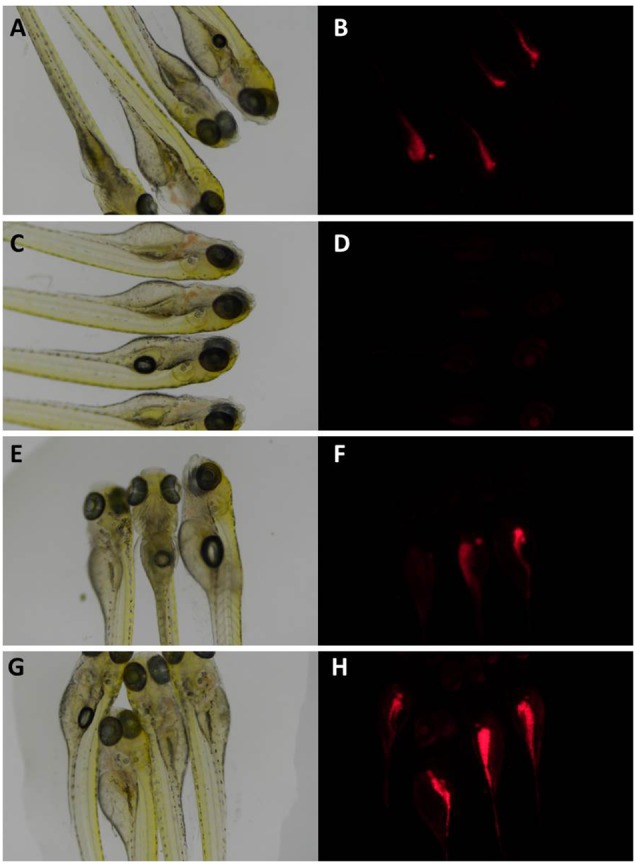
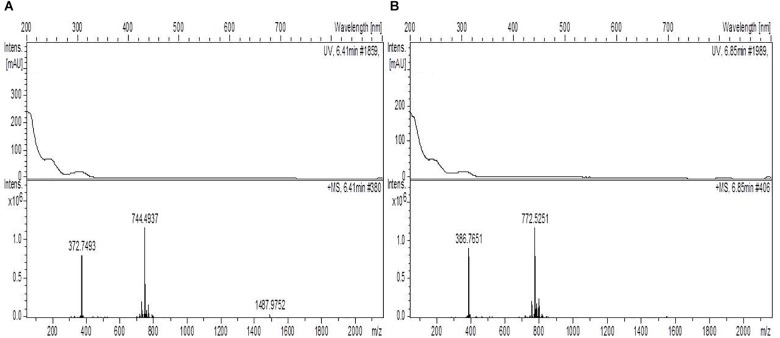
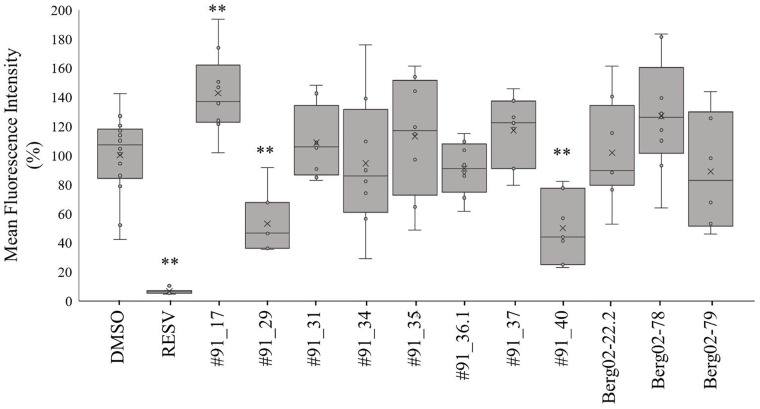
In the beginning of the twenty-first century, humanity faces great challenges regarding diseases and health-related quality of life. A drastic rise in bacterial antibiotic resistance, in the number of cancer patients, in the obesity epidemics and in chronic diseases due to life expectation extension are some of these challenges. The discovery of novel therapeutics is fundamental and it may come from underexplored environments, like marine habitats, and microbial origin. are well-known as treasure chests for the discovery of novel natural compounds. In this study, eighteen isolated from marine sponges of three genera collected in Portuguese waters were tested for bioactivities with the main goal of isolating and characterizing the responsible bioactive metabolites. The screening comprehended antimicrobial, anti-fungal, anti-parasitic, anti-cancer and anti-obesity properties. Fermentations of the selected strains were prepared using ten different culturing media. Several bioactivities against the fungus , the bacteria methicillin-resistant (MRSA) and the human liver cancer cell line HepG2 were obtained in small volume cultures. Screening in higher volumes showed consistent anti-fungal activity by strain sp. #91-17 and Berg02-26. sp. Berg02-22.2 showed anti-parasitic () and anti-cancer activity against several cell lines (melanoma A2058, liver HepG2, colon HT29, breast MCF7 and pancreatic MiaPaca). For the anti-obesity assay, #91-29 and #91-40 induced lipid reduction on the larvae of zebrafish (). Dereplication of the extracts from several bacteria showed the existence of a variety of secondary metabolites, with some undiscovered molecules. This work showed that are indeed good candidates for drug discovery.
在21世纪初,人类在疾病和与健康相关的生活质量方面面临着巨大挑战。细菌对抗生素的耐药性急剧上升、癌症患者数量增加、肥胖症流行以及由于预期寿命延长导致的慢性病增多,这些都是其中的一些挑战。新型治疗方法的发现至关重要,它可能来自未被充分探索的环境,如海洋栖息地,以及微生物来源。海洋栖息地作为发现新型天然化合物的宝库而闻名。在本研究中,对从葡萄牙海域采集的三个属的海洋海绵中分离出的18株菌株进行了生物活性测试,主要目的是分离和鉴定起作用的生物活性代谢产物。筛选包括抗菌、抗真菌、抗寄生虫、抗癌和抗肥胖特性。使用十种不同的培养基对选定的菌株进行发酵。在小体积培养物中获得了针对真菌、耐甲氧西林金黄色葡萄球菌(MRSA)和人肝癌细胞系HepG2的几种生物活性。更大体积的筛选显示菌株sp. #91 - 17和Berg02 - 26具有一致的抗真菌活性。sp. Berg02 - 22.2对几种细胞系(黑色素瘤A2058、肝癌HepG2、结肠癌HT29、乳腺癌MCF7和胰腺癌MiaPaca)显示出抗寄生虫()和抗癌活性。对于抗肥胖试验,#91 - 29和#91 - 40诱导斑马鱼幼虫()的脂质减少。对几种细菌提取物的去重复分析表明存在多种次生代谢产物,其中一些是未被发现的分子。这项工作表明这些确实是药物发现的良好候选者。