Donelson Jimmonique, Wang Qiongling, Monroe Tanner O, Jiang Xiqian, Zhou Jianjie, Yu Han, Mo Qianxing, Sun Qin, Marini Juan C, Wang Xinquan, Nakata Paul A, Hirschi Kendal D, Wang Jin, Rodney George G, Wehrens Xander H T, Cheng Ninghui
USDA/ARS Children Nutrition Research Center, Department of Pediatrics, Baylor College of Medicine, Houston, Texas.
Molecular Physiology & Biophysics, Baylor College of Medicine, Houston, Texas.
Physiol Rep. 2019 Apr;7(8):e14071. doi: 10.14814/phy2.14071.
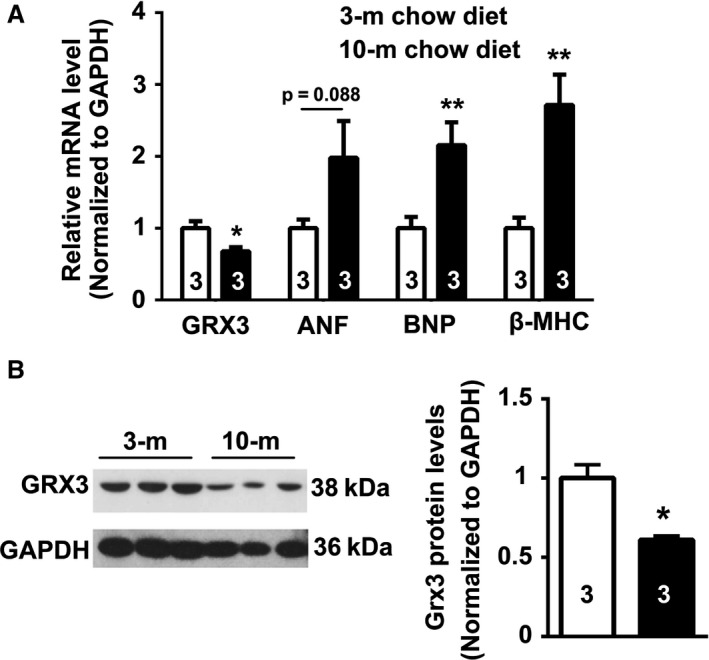
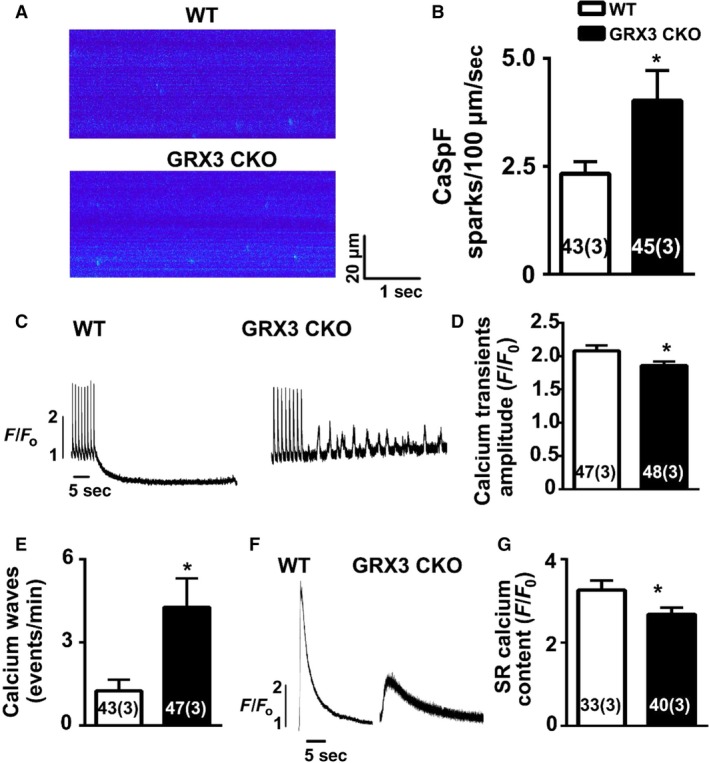
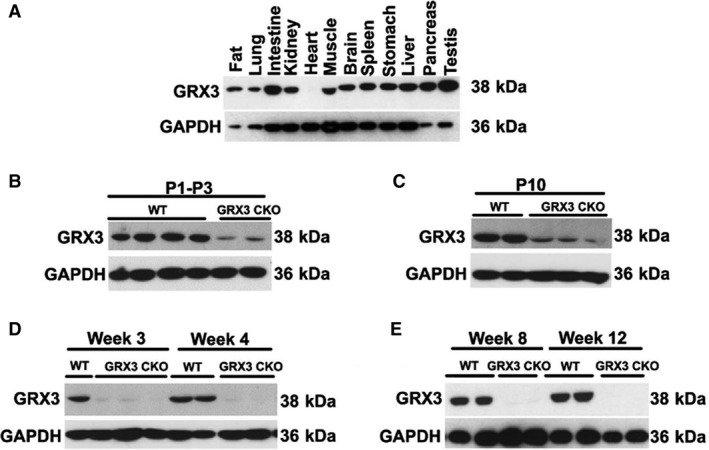
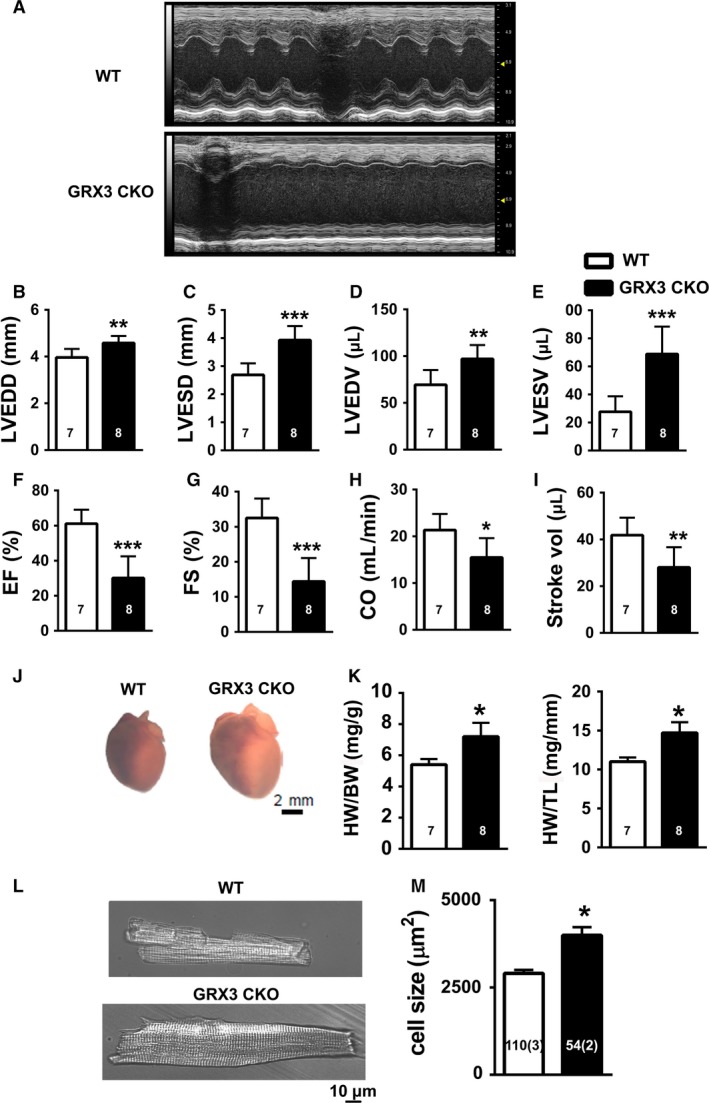
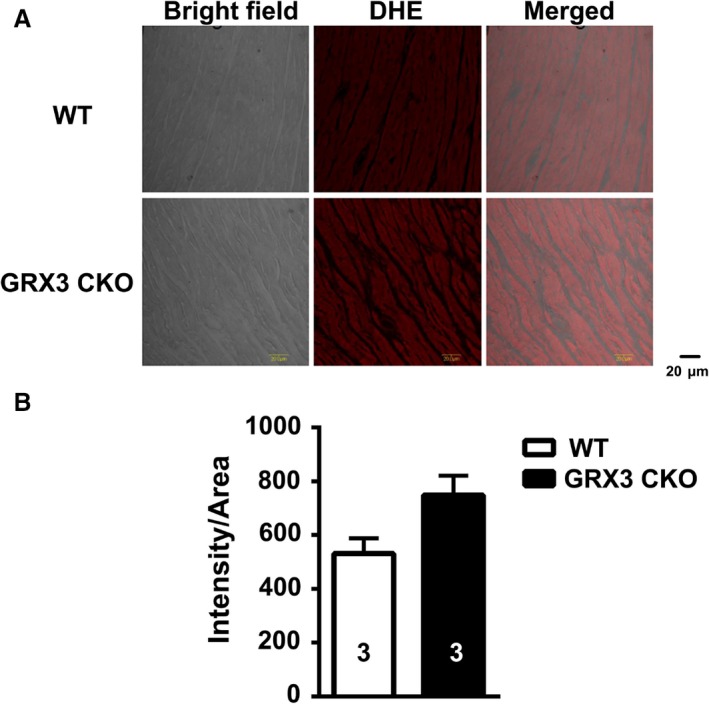
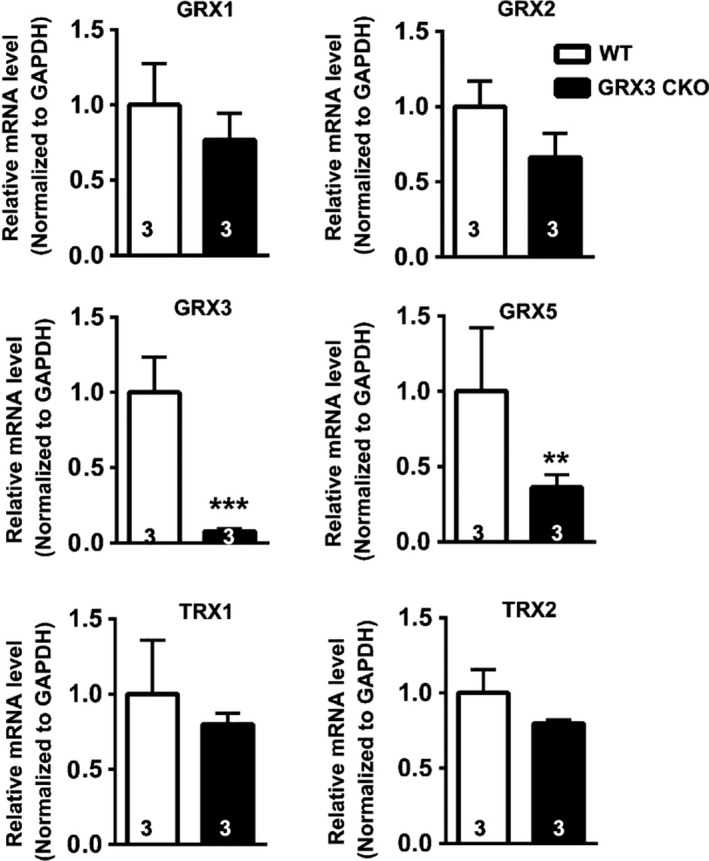
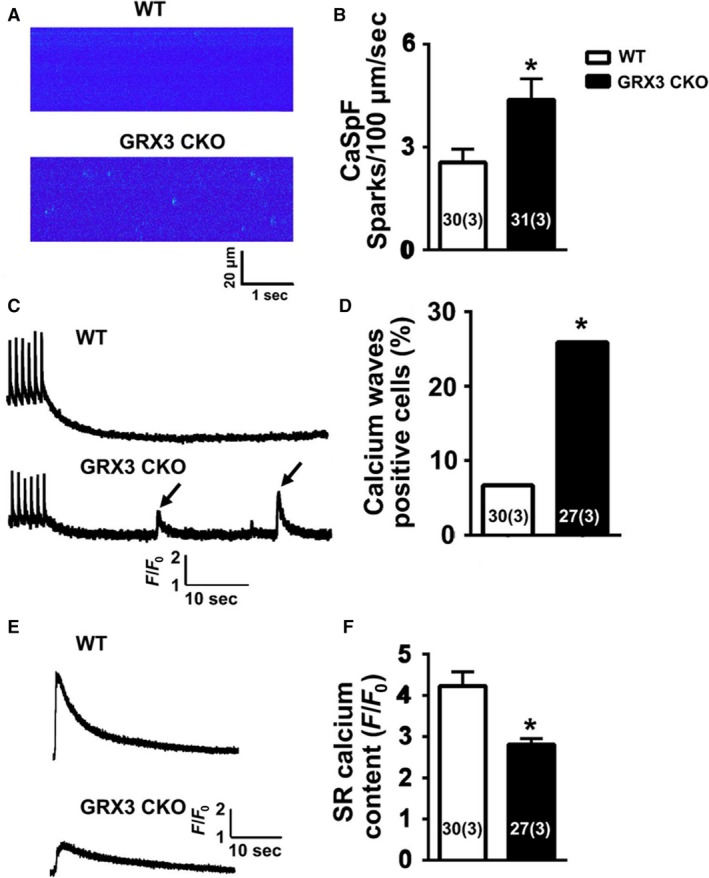
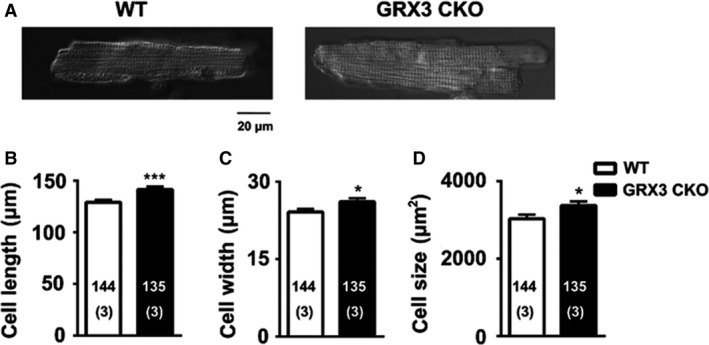
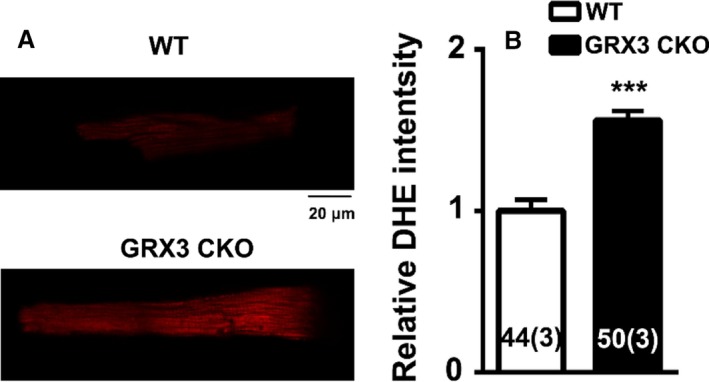
Growing evidence suggests that redox-sensitive proteins including glutaredoxins (Grxs) can protect cardiac muscle cells from oxidative stress-induced damage. Mammalian Grx3 has been shown to be critical in regulating cellular redox states. However, how Grx3 affects cardiac function by modulating reactive oxygen species (ROS) signaling remains unknown. In this study, we found that the expression of Grx3 in the heart is decreased during aging. To assess the physiological role of Grx3 in the heart, we generated mice in which Grx3 was conditionally deleted in cardiomyocytes (Grx3 conditional knockout (CKO) mice). Grx3 CKO mice were viable and grew indistinguishably from their littermates at young age. No difference in cardiac function was found comparing Grx3 CKO mice and littermate controls at this age. However, by the age of 12 months, Grx3 CKO mice exhibited left ventricular hypertrophy with a significant decrease in ejection fraction and fractional shortening along with a significant increase of ROS production in cardiomyocytes compared to controls. Deletion of Grx3 also impaired Ca handling, caused enhanced sarcoplasmic reticulum (SR) calcium (Ca ) leak, and decreased SR Ca uptake. Furthermore, enhanced ROS production and alteration of Ca handling in cardiomyocytes occurred, prior to cardiac dysfunction in young mice. Therefore, our findings demonstrate that Grx3 is an important factor in regulating cardiac hypertrophy and heart failure by modulating both cellular redox homeostasis and Ca handling in the heart.
越来越多的证据表明,包括谷氧还蛋白(Grxs)在内的氧化还原敏感蛋白可以保护心肌细胞免受氧化应激诱导的损伤。哺乳动物Grx3已被证明在调节细胞氧化还原状态中起关键作用。然而,Grx3如何通过调节活性氧(ROS)信号来影响心脏功能仍不清楚。在本研究中,我们发现心脏中Grx3的表达在衰老过程中会降低。为了评估Grx3在心脏中的生理作用,我们构建了心肌细胞中Grx3条件性缺失的小鼠(Grx3条件性敲除(CKO)小鼠)。Grx3 CKO小鼠能够存活,并且在年轻时与同窝小鼠生长无异。在这个年龄段,比较Grx3 CKO小鼠和同窝对照小鼠,未发现心脏功能有差异。然而,到12个月大时,与对照组相比,Grx3 CKO小鼠出现左心室肥厚,射血分数和缩短分数显著降低,同时心肌细胞中ROS产生显著增加。Grx3的缺失还损害了钙处理,导致肌浆网(SR)钙(Ca)泄漏增加,且SR钙摄取减少。此外,在年轻小鼠心脏功能出现障碍之前,心肌细胞中就已经出现了ROS产生增加和钙处理改变的情况。因此,我们的研究结果表明,Grx3是通过调节心脏细胞氧化还原稳态和钙处理来调控心脏肥大和心力衰竭的重要因素。