Crenshaw Brennetta J, Kumar Sanjay, Bell Courtnee' R, Jones Leandra B, Williams Sparkle D, Saldanha Sabita N, Joshi Sameer, Sahu Rajnish, Sims Brian, Matthews Qiana L
Microbiology Program, Department of Biological Sciences, College of Science, Technology, Engineering and Mathematics, Alabama State University, Montgomery, AL 36104, USA.
Departments of Pediatrics and Cell, Developmental and Integrative Biology, Division of Neonatology, University of Alabama at Birmingham, Birmingham, AL 35294, USA.
Biology (Basel). 2019 Apr 27;8(2):25. doi: 10.3390/biology8020025.
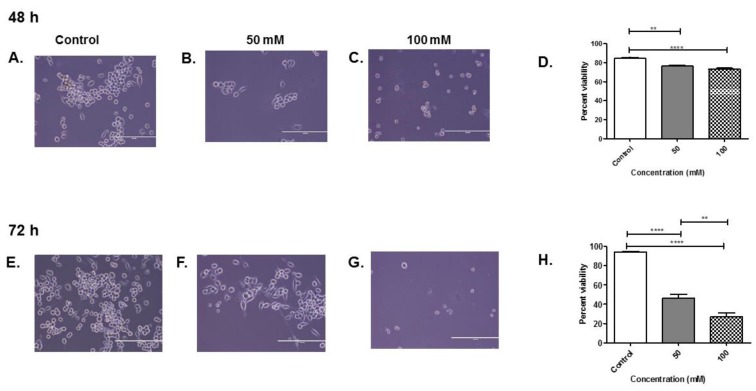
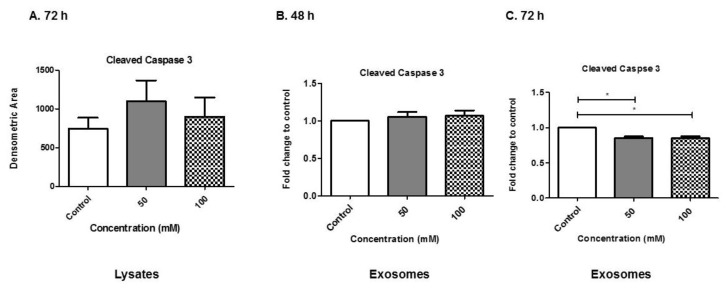
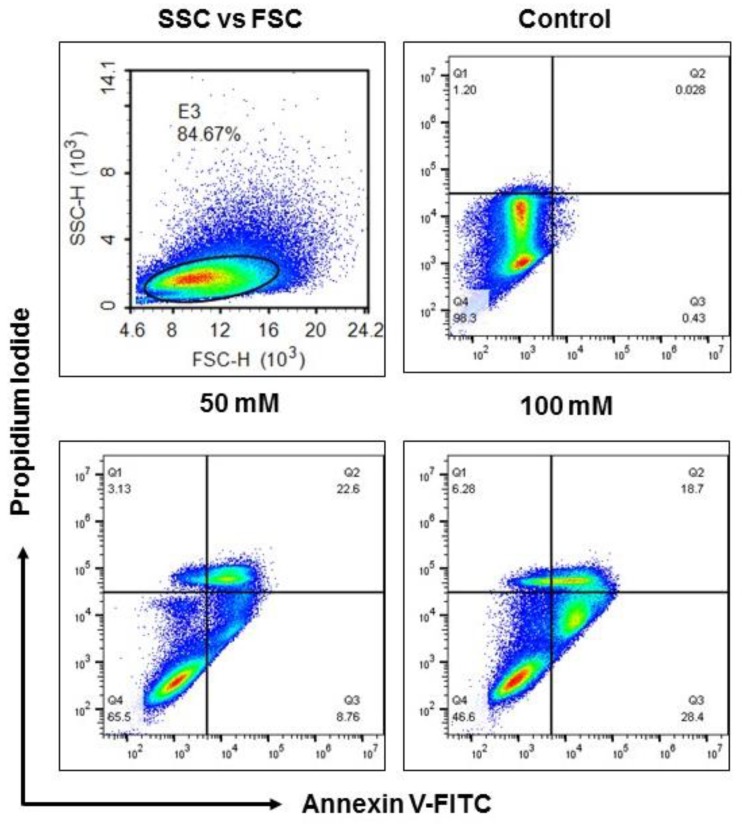
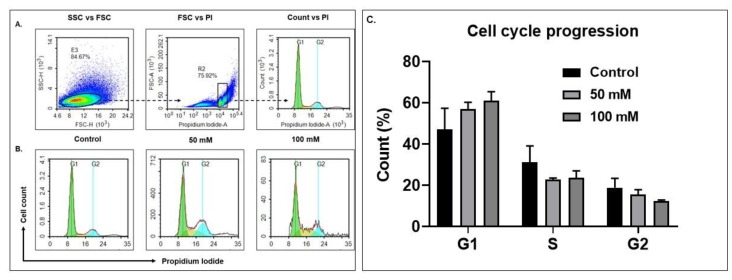
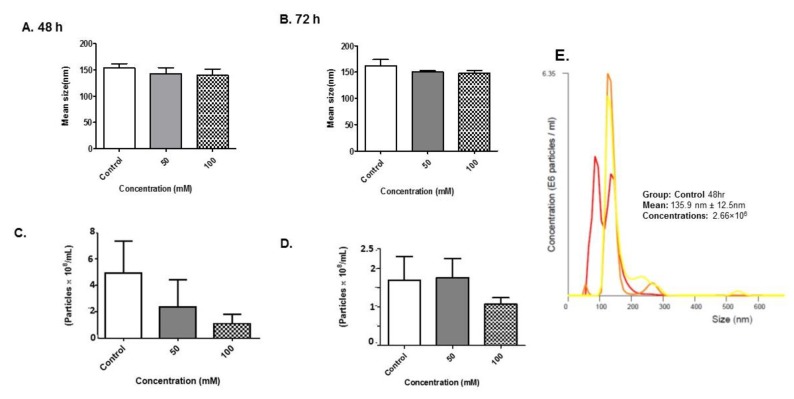
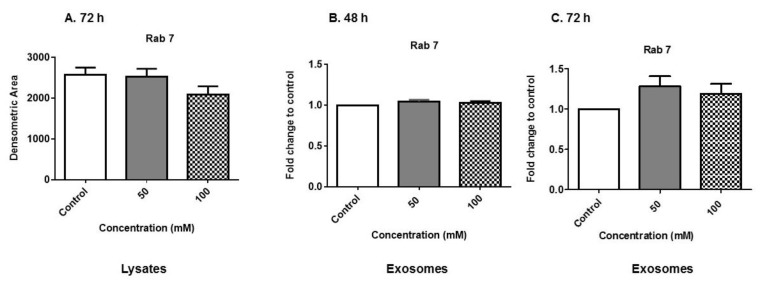
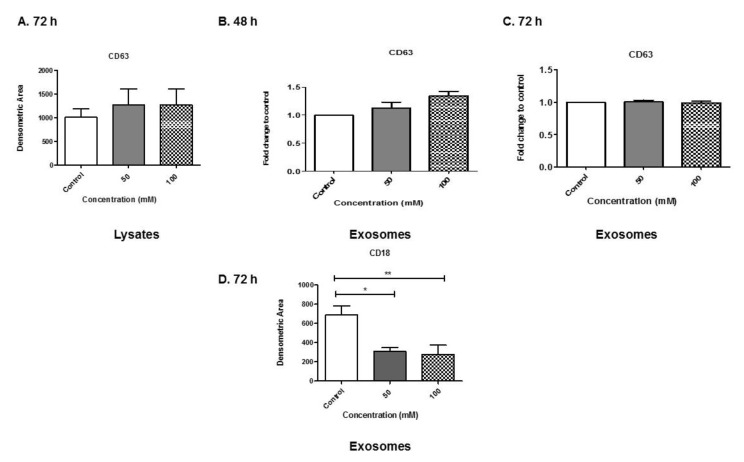
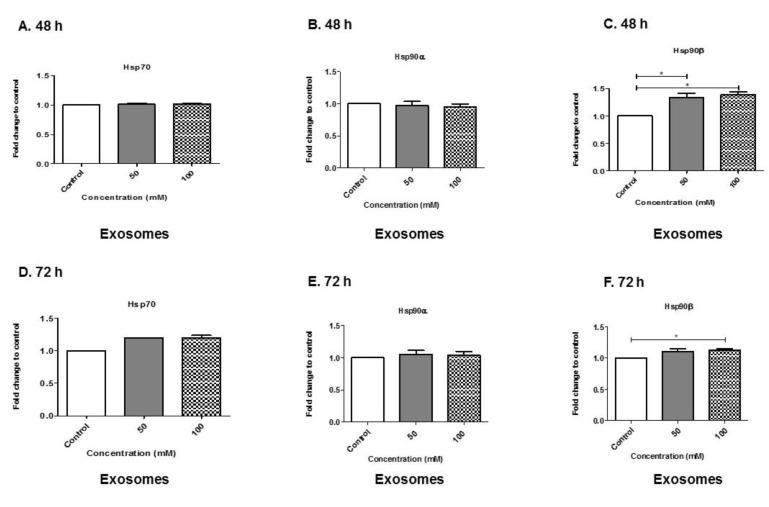
Exosomes are small extracellular vesicles that have emerged as an important tool for intercellular communication. In the central nervous system, exosomes can mediate glia and neuronal communication. Once released from the donor cell, exosomes can act as discrete vesicles and travel to distant and proximal recipient cells to alter cellular function. Microglia cells secrete exosomes due to stress stimuli of alcohol abuse. The goal of this study was to investigate the effects of alcohol exposure on the biogenesis and composition of exosomes derived from microglia cell line BV-2. The BV-2 cells were cultured in exosome-free media and were either mock treated (control) or treated with 50 mM or 100 mM of alcohol for 48 and 72 h. Our results demonstrated that alcohol significantly impacted BV-2 cell morphology, viability, and protein content. Most importantly, our studies revealed that exosome biogenesis and composition was affected by alcohol treatment.
外泌体是一种小的细胞外囊泡,已成为细胞间通讯的重要工具。在中枢神经系统中,外泌体可介导胶质细胞与神经元之间的通讯。一旦从供体细胞释放,外泌体就可以作为离散的囊泡,前往远处和近处的受体细胞,改变细胞功能。由于酒精滥用的应激刺激,小胶质细胞会分泌外泌体。本研究的目的是探讨酒精暴露对源自小胶质细胞系BV-2的外泌体生物发生和组成的影响。将BV-2细胞培养在无外泌体的培养基中,要么进行模拟处理(对照),要么用50 mM或100 mM酒精处理48小时和72小时。我们的结果表明,酒精显著影响BV-2细胞的形态、活力和蛋白质含量。最重要的是,我们的研究表明,酒精处理会影响外泌体的生物发生和组成。