Grande Fedora, Ioele Giuseppina, Occhiuzzi Maria Antonietta, De Luca Michele, Mazzotta Elisabetta, Ragno Gaetano, Garofalo Antonio, Muzzalupo Rita
Department of Pharmacy, Health and Nutritional Sciences, University of Calabria, Via P. Bucci, 87036 Rende (CS), Italy.
Pharmaceutics. 2019 Apr 27;11(5):197. doi: 10.3390/pharmaceutics11050197.
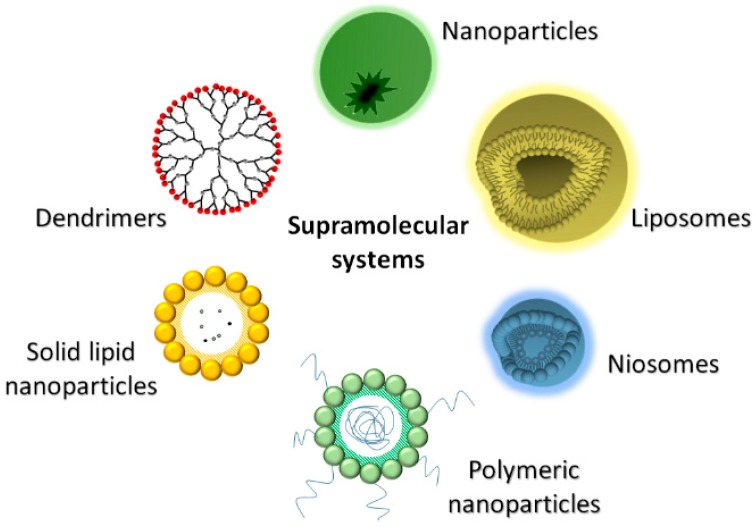
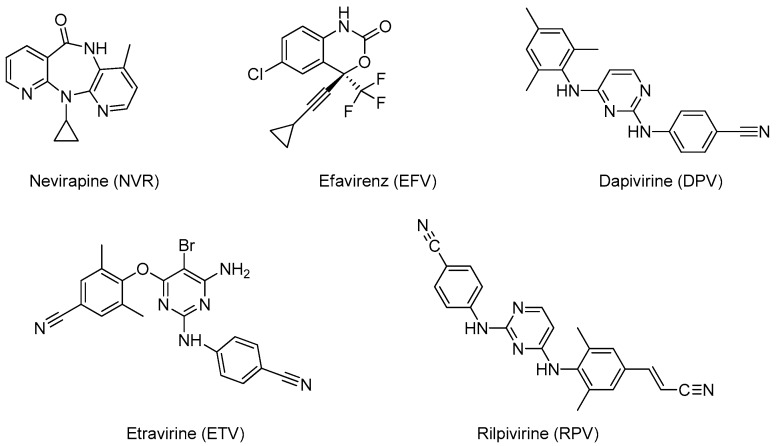
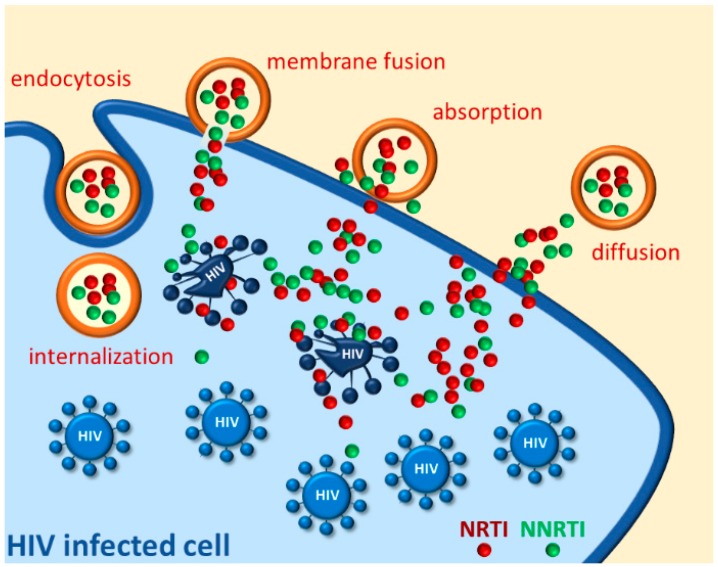
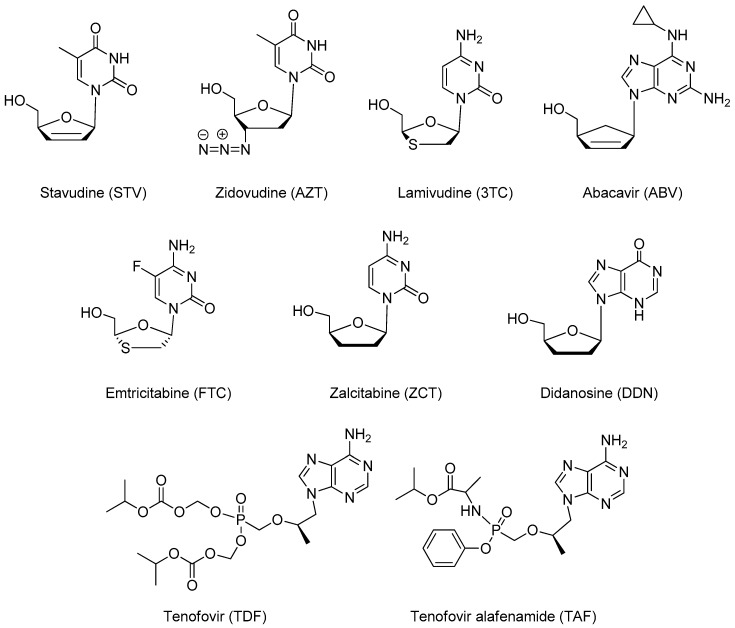
An in-depth analysis of nanotechnology applications for the improvement of solubility, distribution, bioavailability and stability of reverse transcriptase inhibitors is reported. Current clinically used nucleoside and non-nucleoside agents, included in combination therapies, were examined in the present survey, as drugs belonging to these classes are the major component of highly active antiretroviral treatments. The inclusion of such agents into supramolecular vesicular systems, such as liposomes, niosomes and lipid solid NPs, overcomes several drawbacks related to the action of these drugs, including drug instability and unfavorable pharmacokinetics. Overall results reported in the literature show that the performances of these drugs could be significantly improved by inclusion into nanosystems.
本文报道了对纳米技术应用的深入分析,其目的是改善逆转录酶抑制剂的溶解度、分布、生物利用度和稳定性。本研究调查了目前联合疗法中使用的核苷类和非核苷类药物,因为这些类别的药物是高效抗逆转录病毒治疗的主要成分。将这些药物纳入超分子囊泡系统,如脂质体、非离子表面活性剂囊泡和脂质固体纳米颗粒,可以克服与这些药物作用相关的几个缺点,包括药物不稳定性和不良的药代动力学。文献报道的总体结果表明,将这些药物纳入纳米系统可显著改善其性能。