Ecology Laboratory, Department of Life Science, Kyonggi University, Suwon, South Korea.
Sci Rep. 2019 Apr 30;9(1):6666. doi: 10.1038/s41598-019-43182-x.
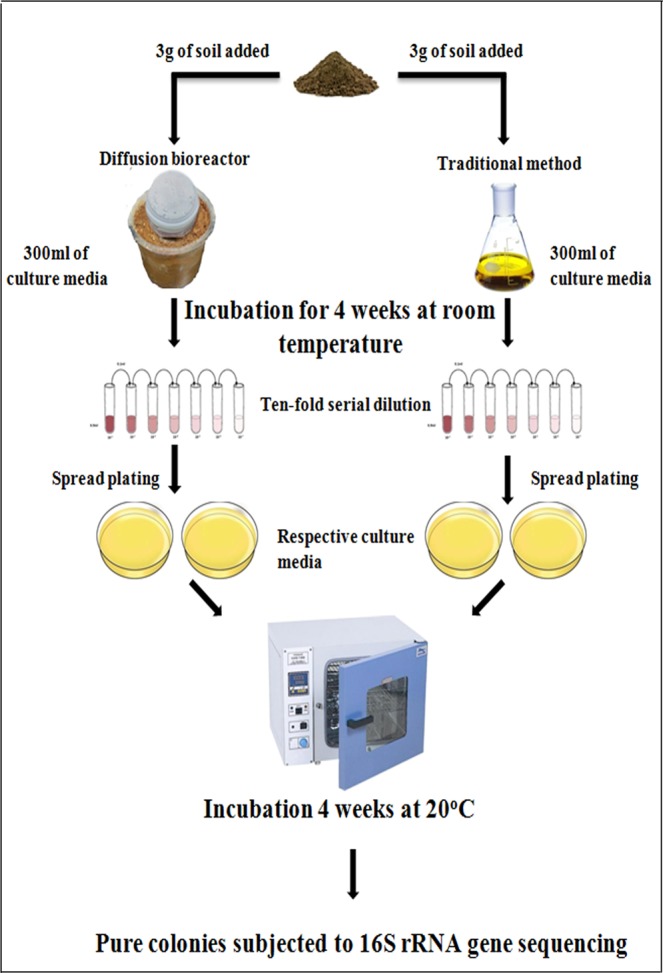
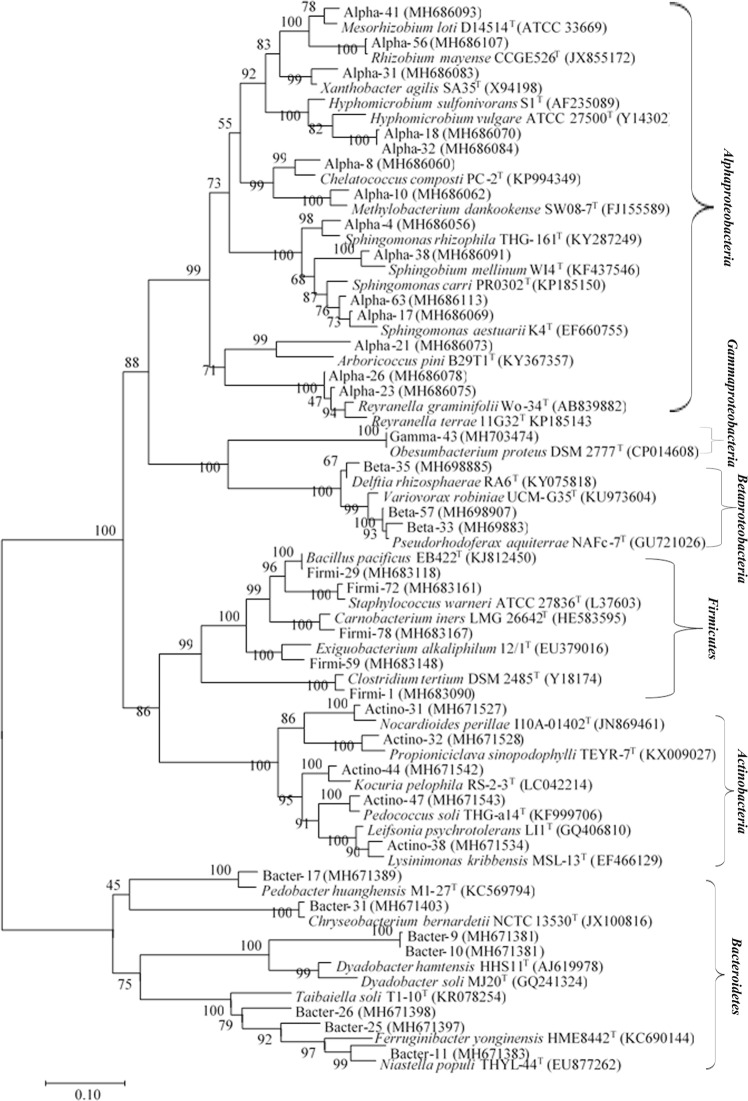
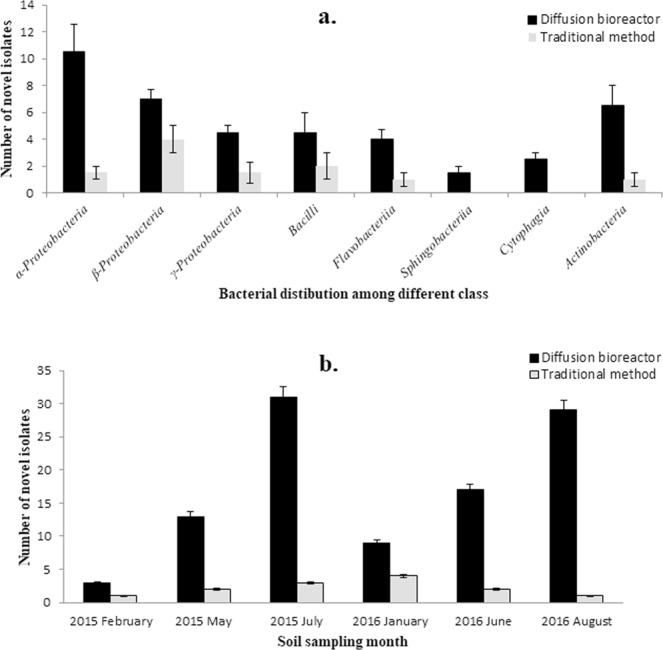
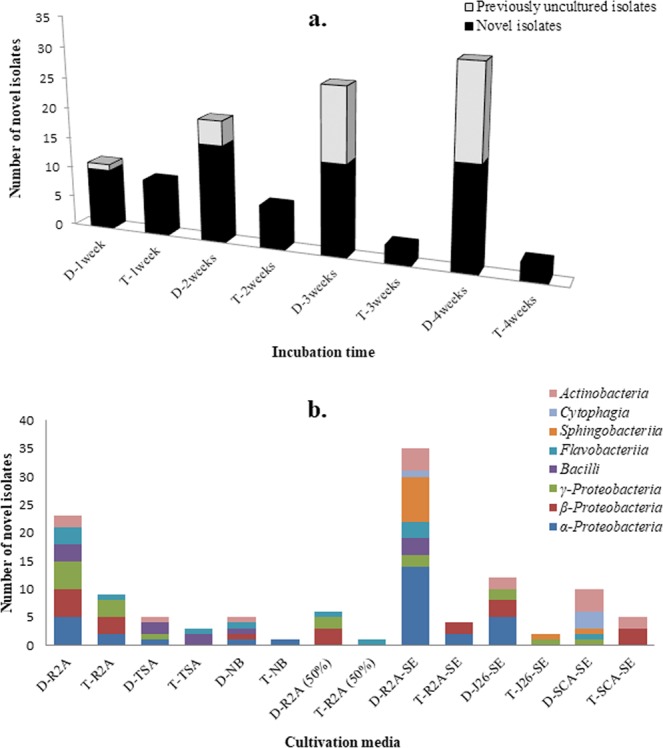
In this study, a new diffusion bioreactor was developed to cultivate hidden bacterial communities in their natural environment. The newly developed method was investigated to cultivate microbial communities from the forest soil, and the results were evaluated against traditional culture methods and compared to the results of a pyrosequencing-based molecular survey. The molecular analysis revealed that a diverse bacterial population was present in the soil sample. However, both the newly developed method and the traditional method recovered more than 400 isolates, which belonged to only four phyla: Proteobacteria, Firmicutes, Actinobacteria, and Bacteroidetes. Although these isolates were distributed over only four major phyla, the use of the newly developed technique resulted in the successful cultivation of 35 previously uncultured strains, whereas no such strains were successfully cultivated by the traditional method. Furthermore, the study also found that the recovery of uncultured bacteria and novel isolates was related to sampling season, incubation period, and cultivation media. The use of soil collected in summer, a prolonged incubation period, and low-substrate modified media increased the recovery of uncultured and novel isolates. Overall, the results indicate that the newly designed diffusion bioreactor can mimic the natural environment, which permits the cultivation of previously uncultured bacteria.
在这项研究中,开发了一种新的扩散生物反应器,以在其自然环境中培养隐藏的细菌群落。研究了新开发的方法来培养森林土壤中的微生物群落,并将结果与传统培养方法进行了评估,并与基于焦磷酸测序的分子调查结果进行了比较。分子分析表明,土壤样本中存在多样的细菌种群。然而,新开发的方法和传统方法都恢复了超过 400 个分离株,它们仅属于四个门:变形菌门、厚壁菌门、放线菌门和拟杆菌门。尽管这些分离株仅分布在四个主要门中,但新开发技术的使用成功培养了 35 株以前未培养的菌株,而传统方法则没有成功培养出这样的菌株。此外,研究还发现,未培养细菌和新型分离株的恢复与采样季节、培养期和培养介质有关。使用夏季采集的土壤、延长的培养期和低底物改良培养基可增加未培养和新型分离株的恢复。总的来说,结果表明,新设计的扩散生物反应器可以模拟自然环境,从而允许培养以前未培养的细菌。