Fujian Provincial Key Laboratory of Plant Functional Biology, College of Life Sciences, Fujian Agriculture & Forestry University, Fuzhou, China.
BMC Plant Biol. 2019 May 2;19(1):174. doi: 10.1186/s12870-019-1767-1.
Senescence affects the quality and yield of plants by regulating different traits of plants. A few members of S40 gene family, the barley HvS40 and the Arabidopsis AtS40-3, have been shown to play a role in leaf senescence in Barley and Arabidopsis. Although we previously reported that S40 family exist in most of plants, up to now, no more function of S40 members in plant has been demonstrated. The aim of this study was to provide the senescence related information of S40 gene family in rice as rice is a major crop that feeds about half of the human population in the world.
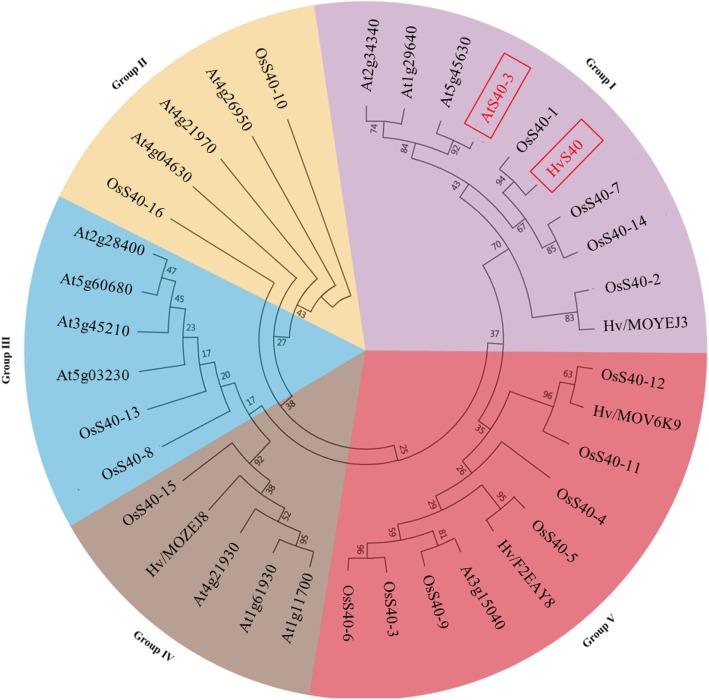
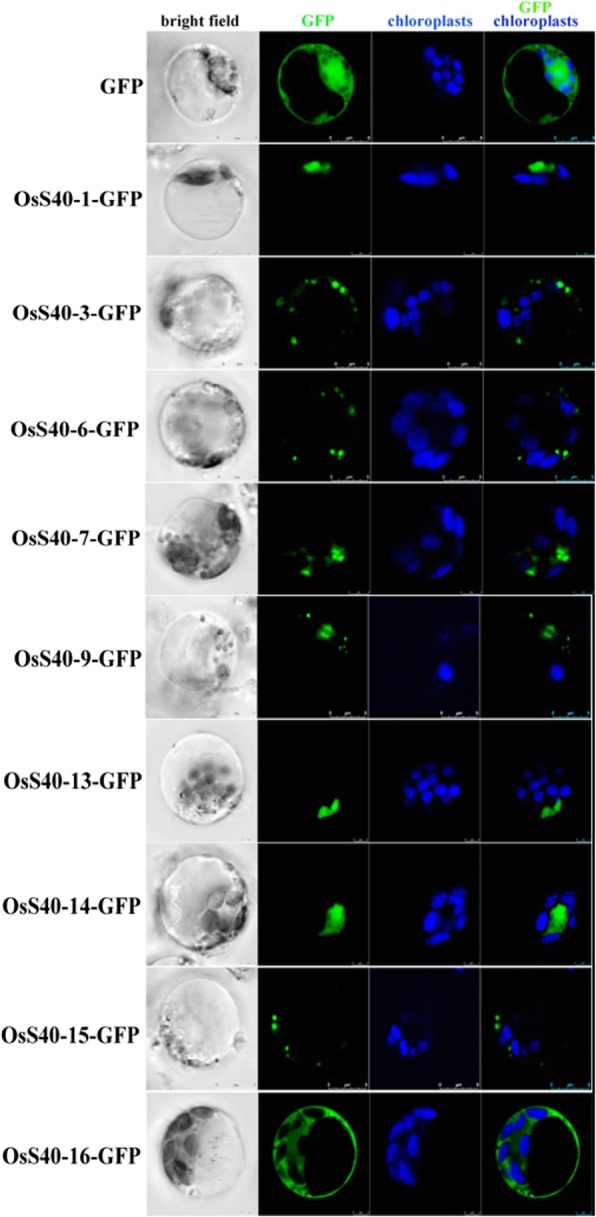
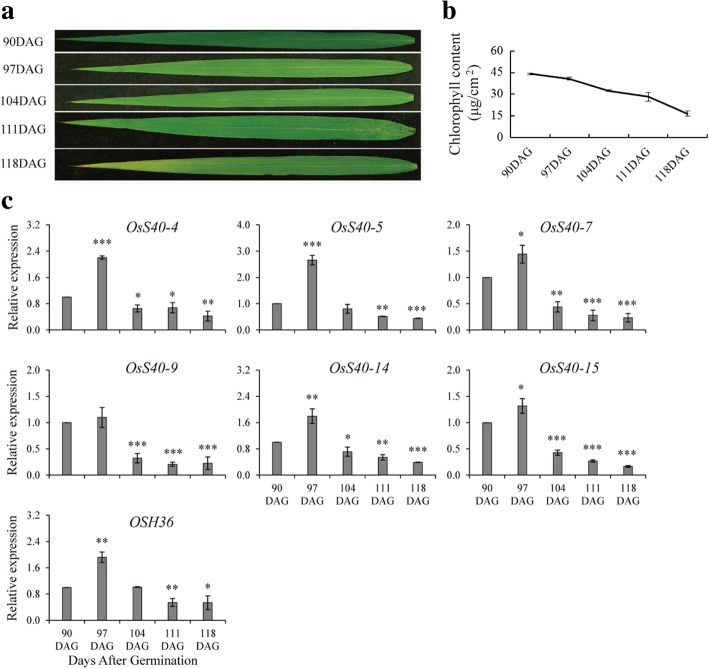
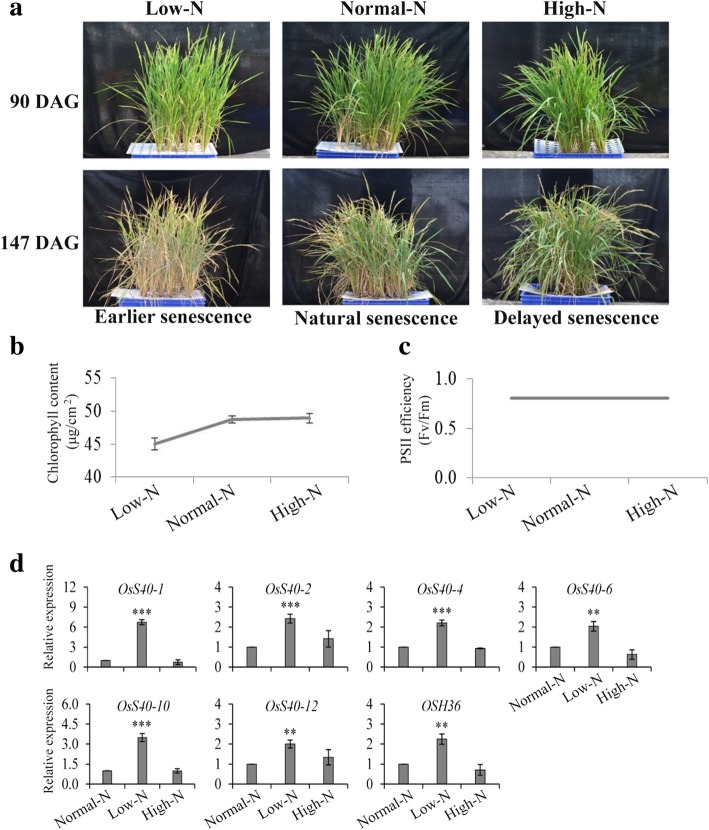
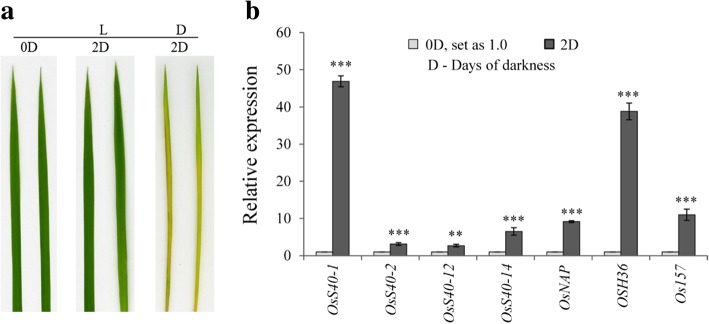
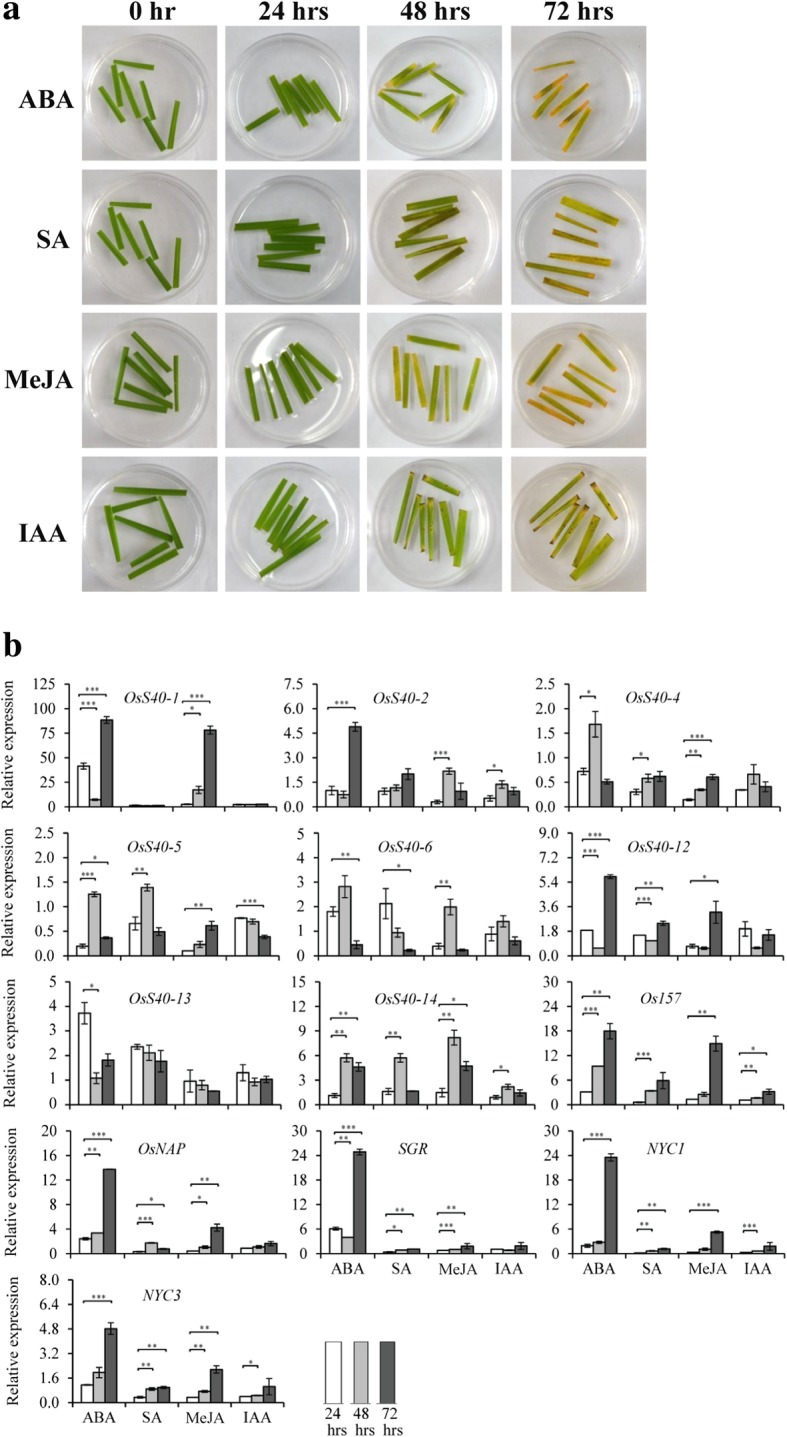
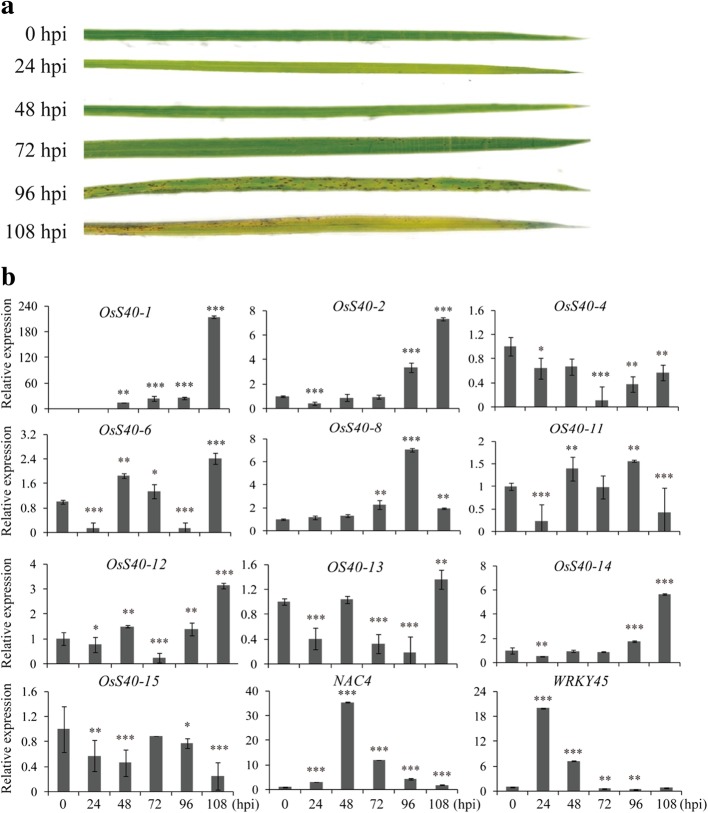
A total of 16 OsS40 genes were identified from the genome database of Oryza sativa L. japonica by bioinformatics analysis. Phylogenetic analysis reveals that the 16 OsS40 proteins are classified into five groups, and 4 of the 16 members belong to group I to which also the HvS40 and AtS40-3 is assigned. S40 genes of rice show high structural similarities, as 13 out of the 16 genes have no intron and the other 3 genes have only 1 or 2 introns. The expression patterns of OsS40 genes were analyzed during natural as well as stress-induced leaf senescence in correspondence with senescence marker genes. We found that 6 of them displayed differential but clearly up-regulated transcript profiles under diverse situations of senescence, including darkness, nitrogen deficiency, hormone treatments as well as pathogen infection. Furthermore, three OsS40 proteins were identified as nuclear located proteins by transient protoplast transformation assay.
Taking all findings together, we concluded that OsS40-1, OsS40-2, OsS40-12 and OsS40-14 genes have potential regulatory function of crosstalk among abiotic, biotic and developmental senescence in rice. Our results provide valuable baseline for functional validation studies of the rice S40 genes in rice leaf senescence.
衰老通过调节植物的不同特性来影响植物的质量和产量。已经证实 S40 基因家族的少数成员,大麦 HvS40 和拟南芥 AtS40-3,在大麦和拟南芥的叶片衰老中发挥作用。尽管我们之前报道过 S40 家族存在于大多数植物中,但到目前为止,还没有更多的 S40 成员在植物中的功能得到证明。本研究的目的是提供水稻 S40 基因家族与衰老相关的信息,因为水稻是一种主要的作物,养活了世界上一半的人口。
通过生物信息学分析,从籼稻基因组数据库中鉴定出 16 个 OsS40 基因。系统发育分析表明,这 16 个 OsS40 蛋白被分为 5 组,其中 4 个属于 I 组,HvS40 和 AtS40-3 也属于 I 组。水稻 S40 基因具有很高的结构相似性,因为 16 个基因中有 13 个没有内含子,另外 3 个基因只有 1 个或 2 个内含子。分析了 OsS40 基因在自然衰老和胁迫诱导的叶片衰老过程中的表达模式,与衰老标记基因相对应。我们发现,在黑暗、氮饥饿、激素处理以及病原体感染等不同衰老情况下,其中 6 个基因的转录谱表现出差异,但明显上调。此外,通过瞬时原生质体转化试验,鉴定出 3 个 OsS40 蛋白为核定位蛋白。
综上所述,我们得出结论,OsS40-1、OsS40-2、OsS40-12 和 OsS40-14 基因在水稻的非生物、生物和发育衰老过程中具有潜在的调控作用。我们的研究结果为水稻 S40 基因在水稻叶片衰老中的功能验证研究提供了有价值的基础。