Ibáñez Sergio, Ruiz-Cano Helena, Fernández María Á, Sánchez-García Ana Belén, Villanova Joan, Micol José Luis, Pérez-Pérez José Manuel
Instituto de Bioingeniería, Universidad Miguel Hernández de Elche, Alicante, Spain.
Instituto de Biología Molecular y Celular de Plantas, Universitat Politècnica de València-Consejo Superior de Investigaciones Científicas, Valencia, Spain.
Front Plant Sci. 2019 Apr 12;10:461. doi: 10.3389/fpls.2019.00461. eCollection 2019.
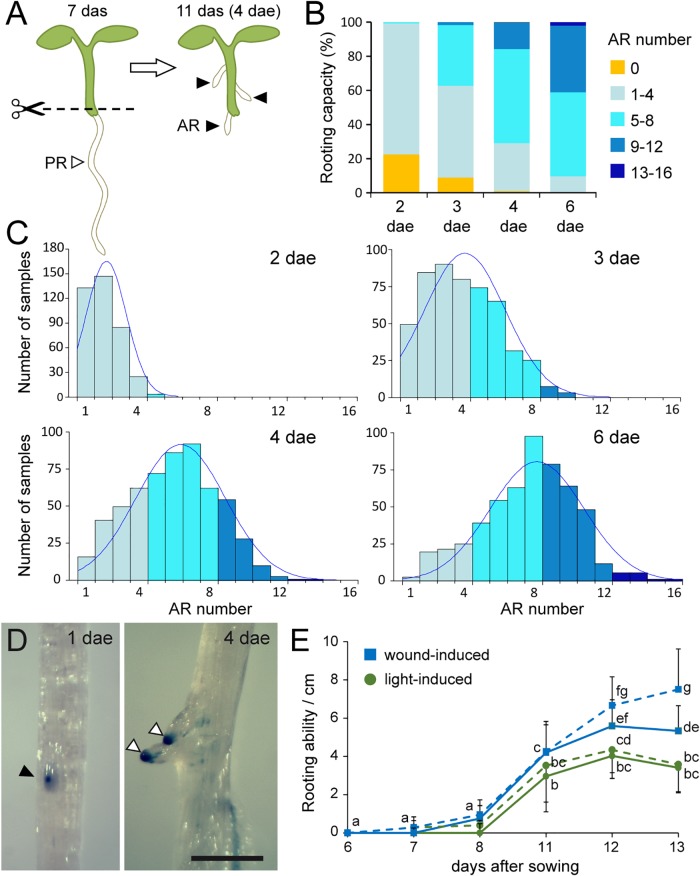
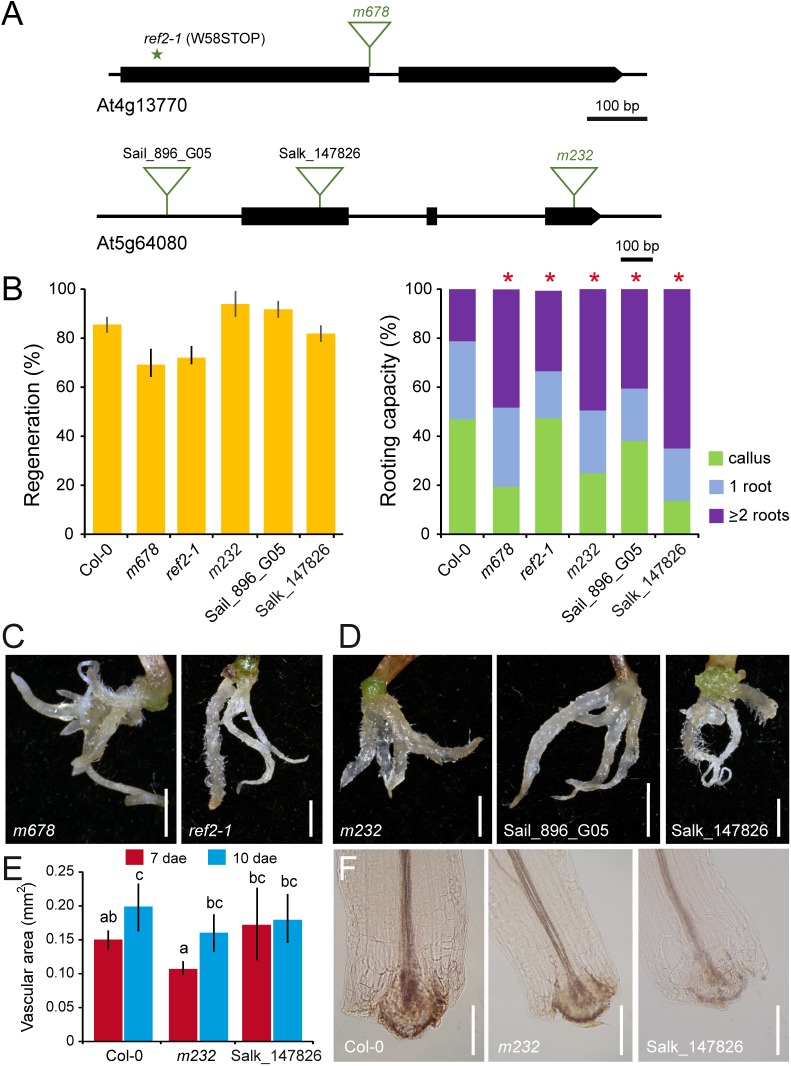
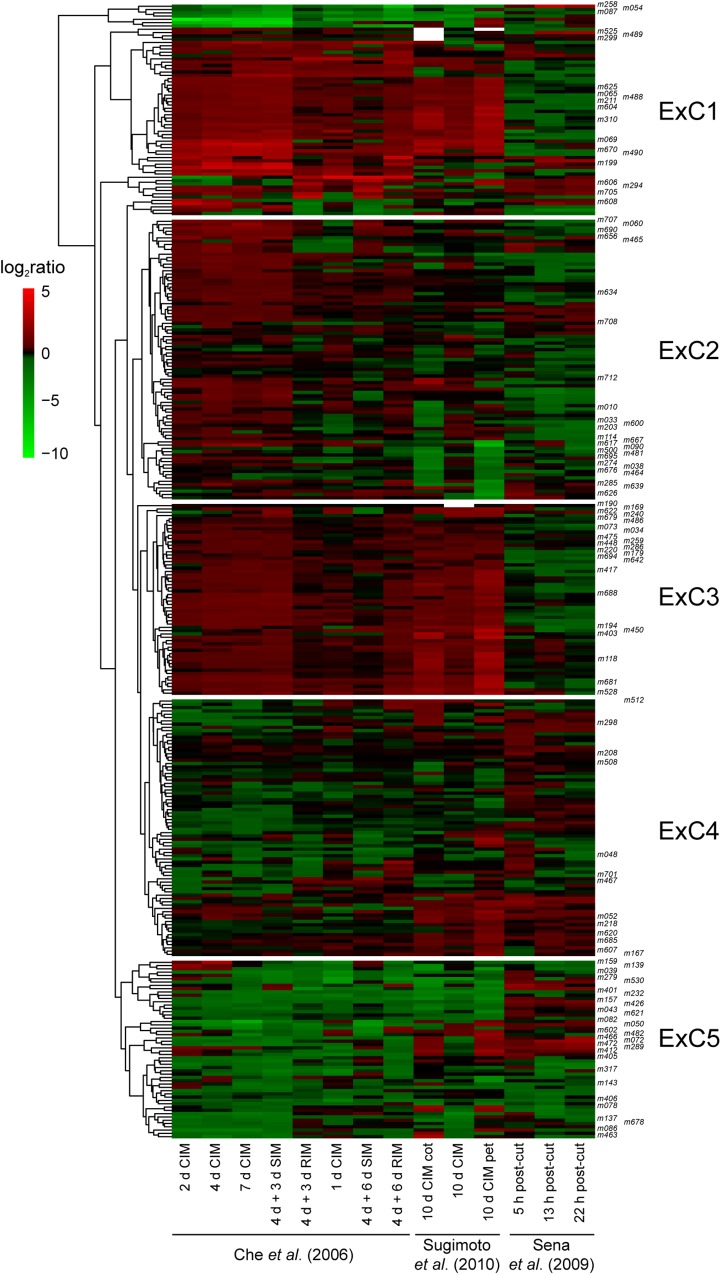
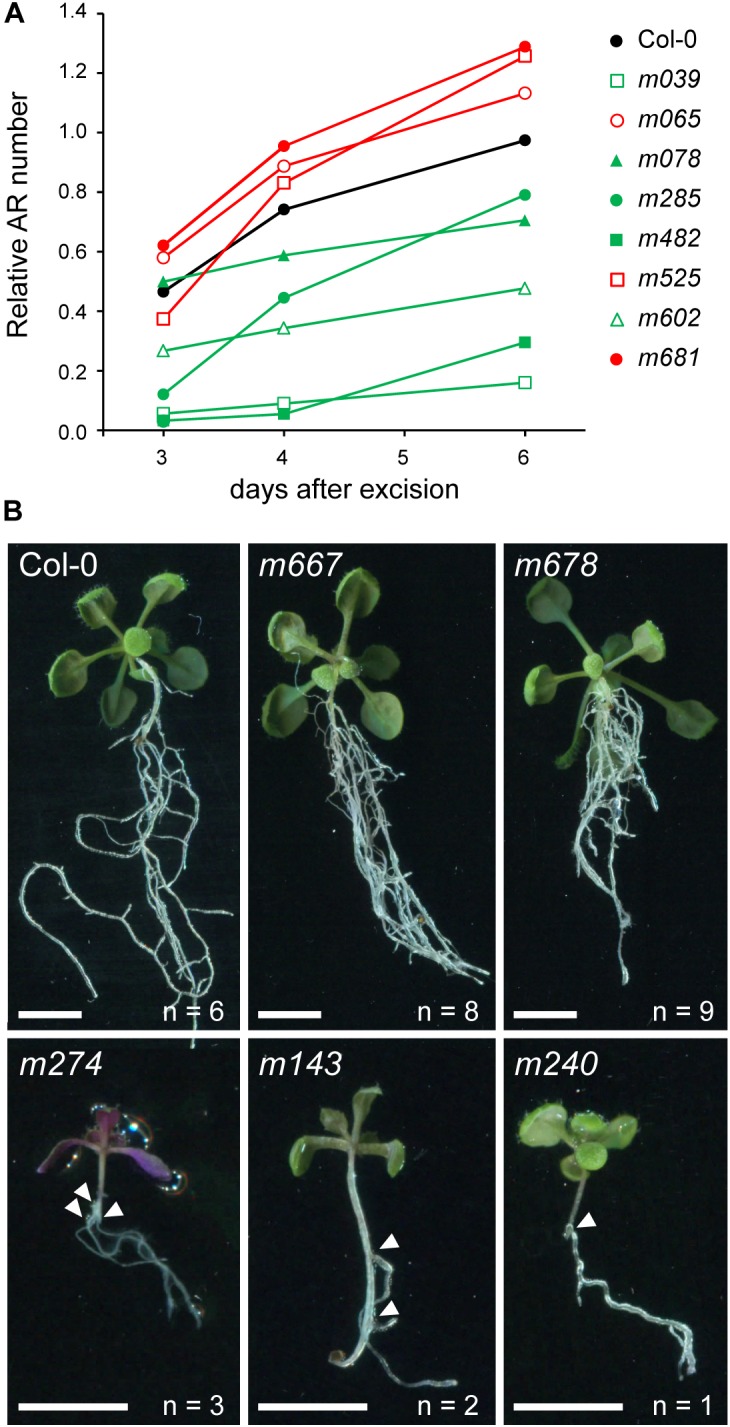
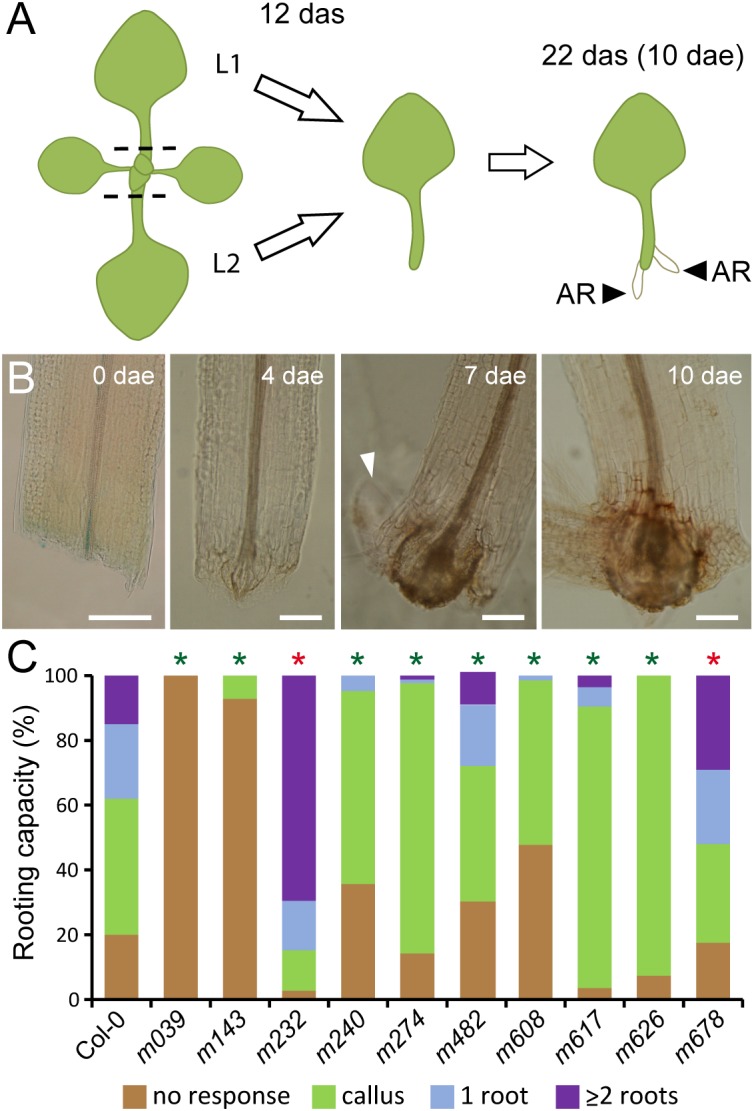
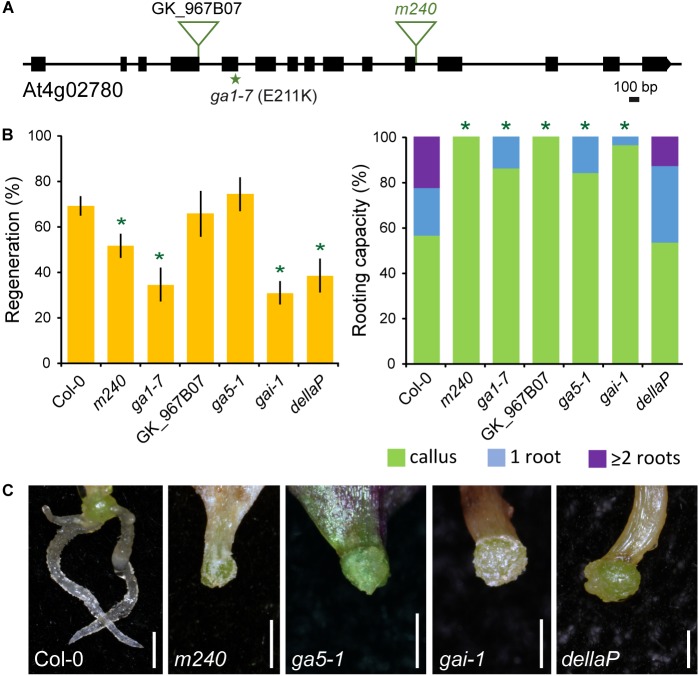
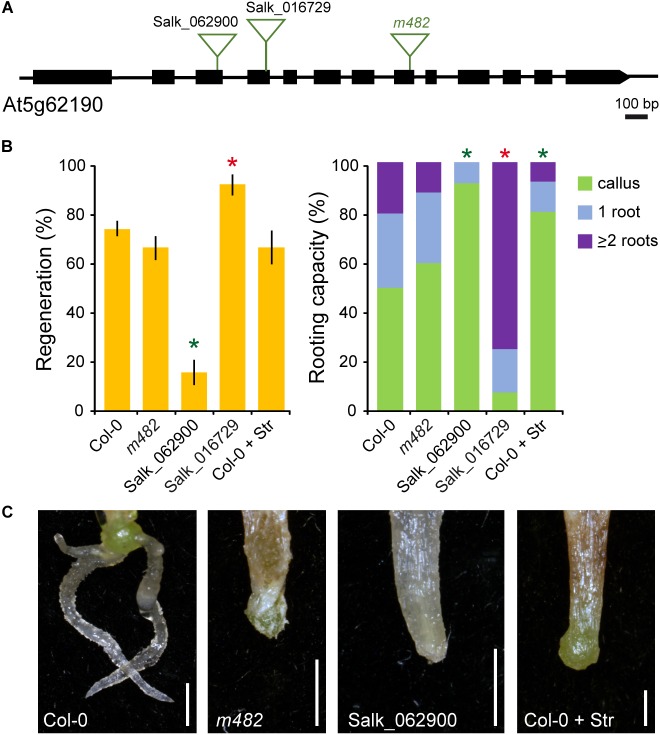
Adventitious roots (ARs) are formed during post-embryonic development from non-root tissues, in processes that are highly dependent on environmental inputs. Whole root excision from young seedlings has been previously used as a model to study adventitious root formation in hypocotyls. To identify novel regulators of adventitious root formation, we analyzed adventitious rooting in the hypocotyl after whole root excision in 112 T-DNA homozygous leaf mutants, which were selected based on the dynamic expression profiles of their annotated genes during hormone-induced and wound-induced tissue regeneration. Forty-seven T-DNA homozygous lines that displayed low rooting capacity as regards their wild-type background were dubbed as the mutants. We identified eight lines with higher rooting capacity than their wild-type background that we named as the mutants. A relatively large number of mutants in ribosomal protein-encoding genes displayed a significant reduction in adventitious root number in the hypocotyl after whole root excision. In addition, gene products related to gibberellin (GA) biosynthesis and signaling, auxin homeostasis, and xylem differentiation were confirmed to participate in adventitious root formation. Nearly all the studied mutants tested displayed similar rooting responses from excised whole leaves, which suggest that their affected genes participate in shared regulatory pathways required for organ formation in different organs.
不定根(ARs)在胚胎后发育过程中由非根组织形成,其过程高度依赖于环境因素。此前,已将幼苗的全根切除用作研究下胚轴不定根形成的模型。为了鉴定不定根形成的新调节因子,我们分析了112个T-DNA纯合叶突变体在全根切除后下胚轴中的不定根形成情况,这些突变体是根据其注释基因在激素诱导和伤口诱导的组织再生过程中的动态表达谱选择的。47个T-DNA纯合系在野生型背景下表现出低生根能力,被称为突变体。我们鉴定出8个生根能力高于其野生型背景的系,我们将其命名为突变体。在全根切除后,大量编码核糖体蛋白的基因突变体在下胚轴中的不定根数量显著减少。此外,已证实与赤霉素(GA)生物合成和信号传导、生长素稳态以及木质部分化相关的基因产物参与不定根形成。几乎所有研究的突变体在切除全叶后都表现出相似的生根反应,这表明它们受影响的基因参与了不同器官中器官形成所需的共同调控途径。