Section of Periodontics, Department of Oral and Maxillofacial Sciences, "Sapienza" University of Rome, 00161, Rome, Italy.
Clinic of Preventive Dentistry, Periodontology and Cariology, Center of Dental Medicine, University of Zurich, 8032, Zurich, Switzerland.
BMC Oral Health. 2019 May 7;19(1):76. doi: 10.1186/s12903-019-0766-9.
Proper wound healing after regenerative surgical procedures is an essential issue for clinical success. Guided tissue regeneration (GTR) and application of enamel matrix derivatives (EMD) are common means to regenerate periodontal tissues. Both methods bear considerable advantages due to their special characteristics, but also go along with certain disadvantages. Today, there is no consensus in the literature whether GTR or EMD show better results regarding early wound healing, which is considered a crucial stage in periodontal regeneration. Therefore, the aim of the present systematic review was to compare the early wound healing after regenerative periodontal surgery with either EMD or GTR treatment.
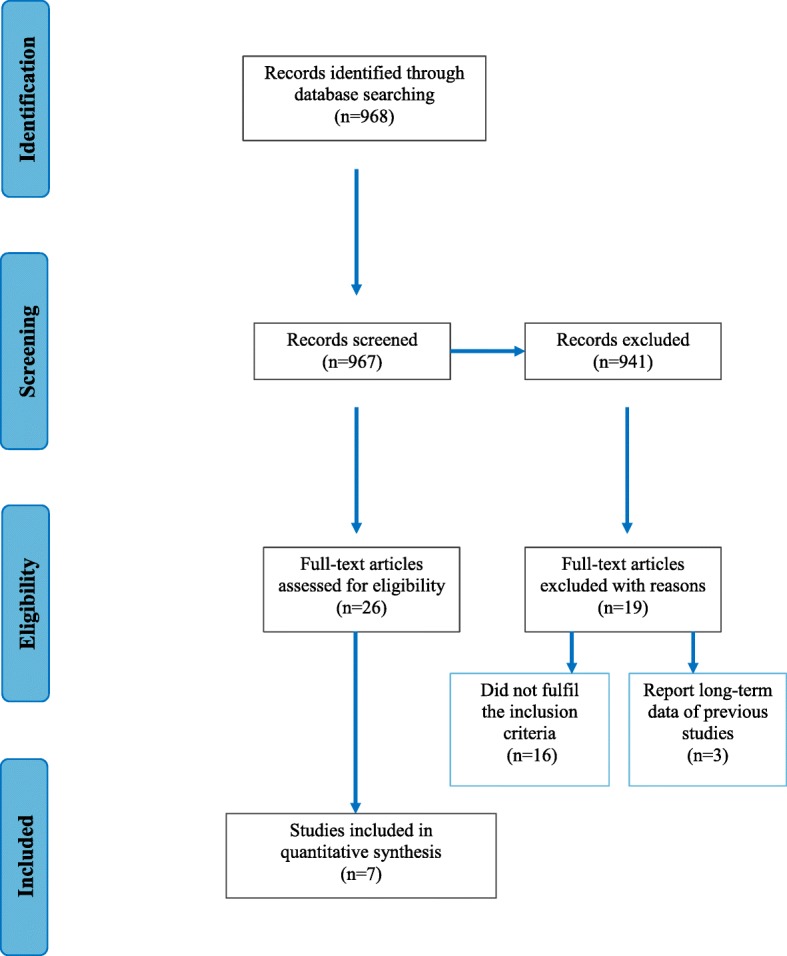
An electronic literature search in PubMed was performed to identify randomized clinical trials (RCTs) or clinical trials (CTs) comparing regenerative surgery employing EMD and/or GTR in patients with chronic periodontitis. Among the finally included studies, a qualitative and quantitative data extraction regarding early wound healing parameters was performed. Primary outcome parameters were early wound healing index (EWH), flap dehiscence, membrane exposure, suppuration and abscess formation during the first 6 weeks. As secondary parameters, swelling and allergic reactions were assessed.
Seven studies reporting 220 intrabony periodontal defects in 199 patients were analysed. Flap dehiscence was observed in two studies in 12% of the GTR treated sites and in 10.3% of those treated with EMD. Membrane exposure was evaluated in five studies and was registered in the 28.8% of the defects, while no dehiscence was reported on the EMD group. Swelling was reported only in one study in 8/16 GTR sites and 7/16 EMD sites. Due to considerable heterogeneity of parameters no meta-analysis was possible.
Due to considerable heterogeneity of the published studies a clear beneficial effect of the EMD on the early wound healing outcomes after surgical treatment of periodontal intrabony defects cannot be confirmed. Standardized RCT studies are needed in order to allow for proper comparison of early wound healing after both types of surgical approaches.
再生手术程序后适当的伤口愈合是临床成功的关键问题。引导组织再生(GTR)和应用釉基质衍生物(EMD)是再生牙周组织的常用方法。由于其特殊特性,这两种方法都具有相当大的优势,但也存在一定的缺点。目前,文献中尚无共识认为 GTR 或 EMD 在早期伤口愈合方面效果更好,早期伤口愈合被认为是牙周再生的关键阶段。因此,本系统评价的目的是比较再生牙周手术后使用 EMD 或 GTR 治疗的早期伤口愈合情况。
在 PubMed 上进行电子文献检索,以确定比较慢性牙周炎患者使用 EMD 和/或 GTR 进行再生手术的随机临床试验(RCT)或临床试验(CT)。在最终纳入的研究中,对早期伤口愈合参数进行定性和定量数据提取。主要结局参数为早期伤口愈合指数(EWH)、瓣裂开、膜暴露、6 周内化脓和脓肿形成。作为次要参数,评估肿胀和过敏反应。
分析了 7 项研究,共 199 名患者的 220 个牙槽骨内牙周缺损。在 2 项研究中,GTR 治疗部位有 12%出现瓣裂开,EMD 治疗部位有 10.3%出现瓣裂开。在 5 项研究中评估了膜暴露,在 28.8%的缺损中记录到膜暴露,而 EMD 组未报告瓣裂开。肿胀仅在一项研究中报告,在 16 个 GTR 部位中有 8/16 个部位和 16 个 EMD 部位中有 7/16 个部位。由于参数的异质性很大,因此无法进行荟萃分析。
由于发表的研究存在很大的异质性,因此不能确定 EMD 在牙周内牙槽骨缺损手术治疗后的早期伤口愈合结果方面具有明显的优势。需要进行标准化 RCT 研究,以便能够对两种手术方法的早期伤口愈合进行适当比较。