Wu Chaoqun, Zhou Yudan, Wang Haitao, Hu Jianhua
State Key Laboratory of Molecular Engineering of Polymers, Department of Macromolecular Science, Fudan University, 2005 Songhu Road, Shanghai 200438, China.
Nanomaterials (Basel). 2019 May 7;9(5):706. doi: 10.3390/nano9050706.
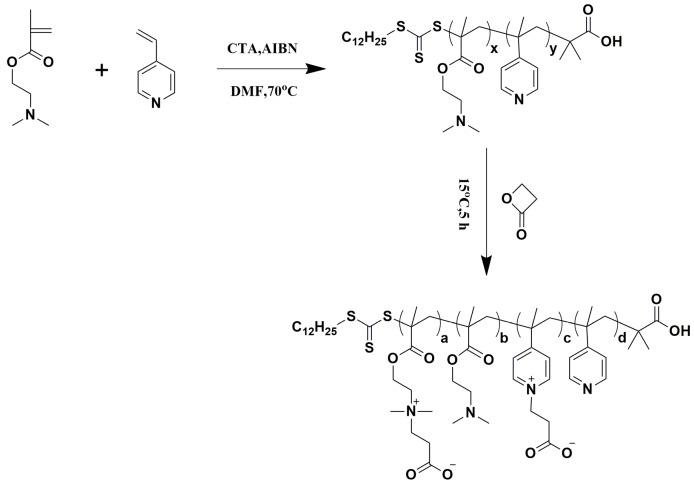
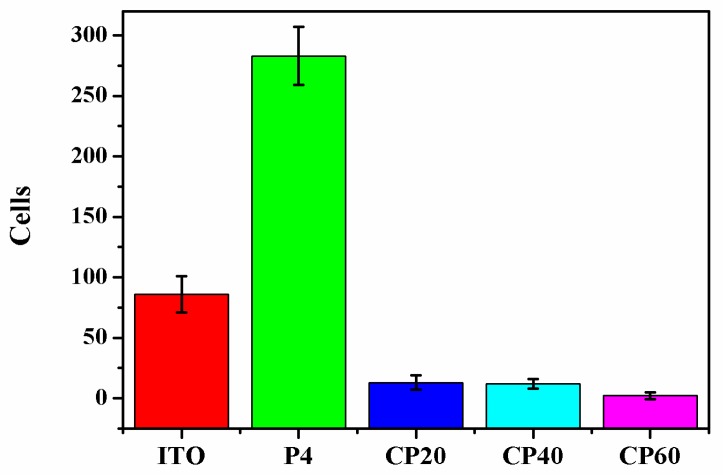
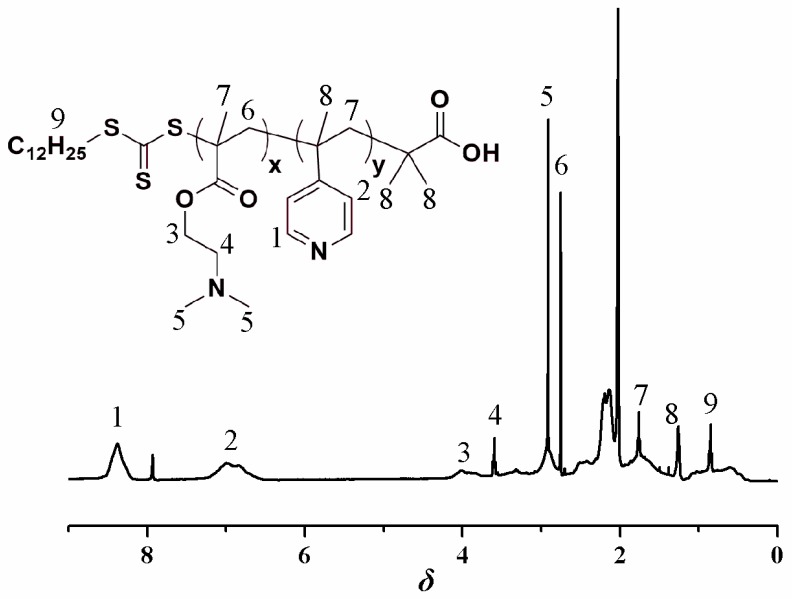
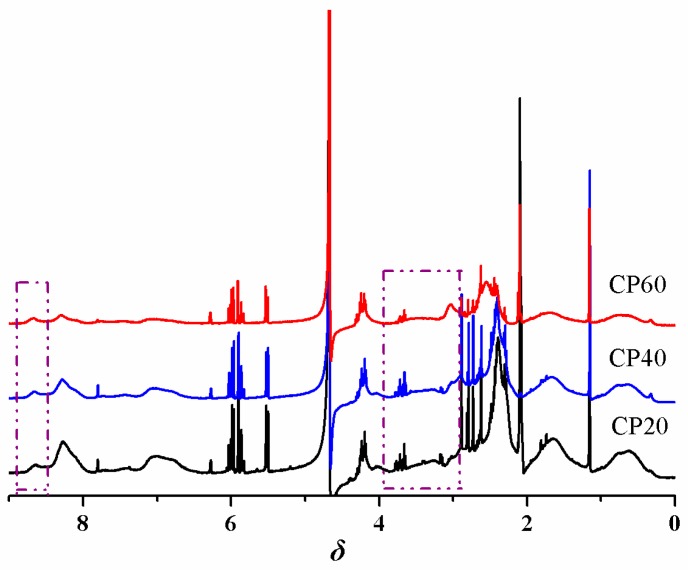
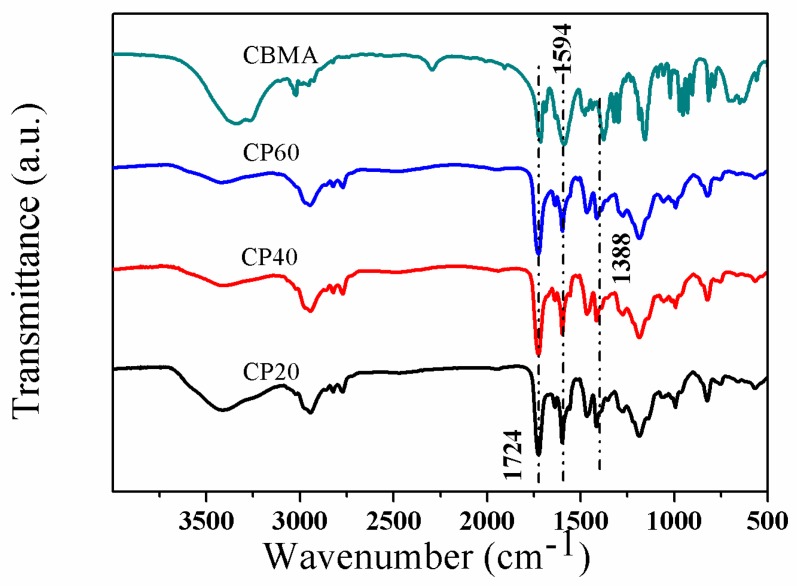
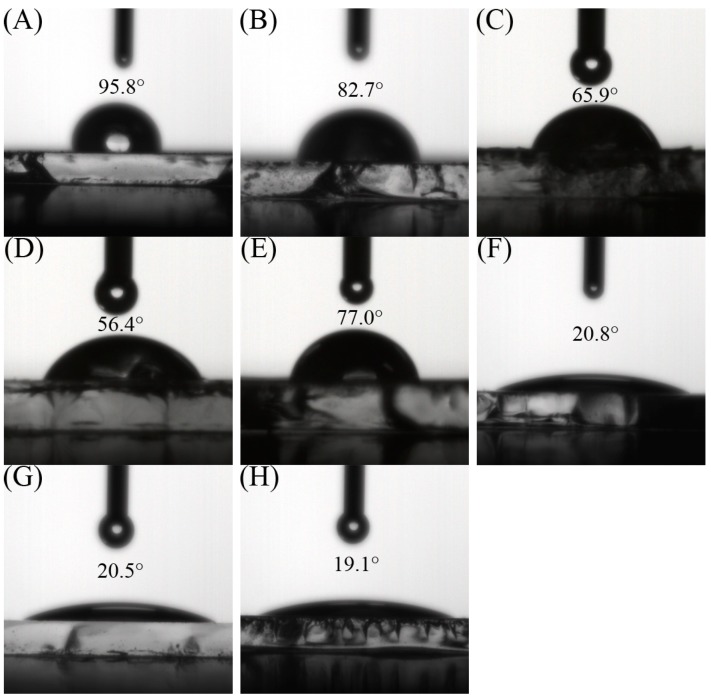
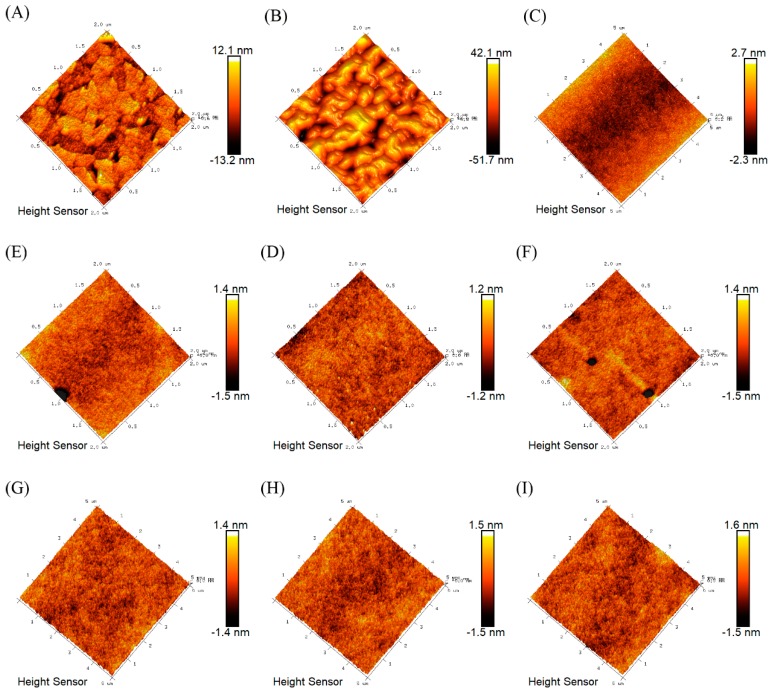
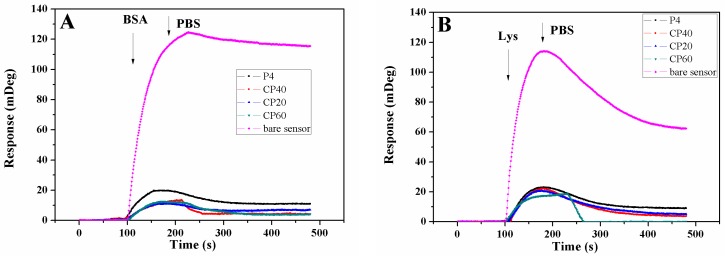
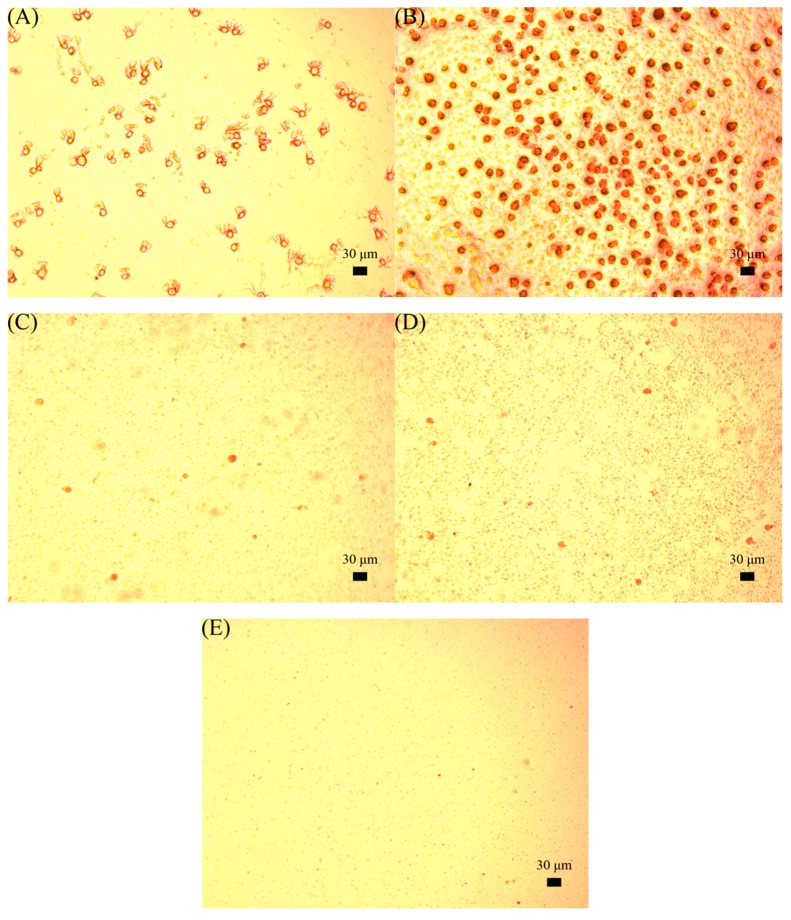
Zwitterionic polymers are suitable for replacing poly(ethylene glycol) (PEG) polymers because of their better antifouling properties, but zwitterionic polymers have poor mechanical properties, strong water absorption, and their homopolymers should not be used directly. To solve these problems, a reversible-addition fragmentation chain transfer (RAFT) polymerization process was used to prepare copolymers comprised of zwitterionic side chains that were attached to an ITO glass substrate using spin-casting. The presence of 4-vinylpyridine (4VP) and zwitterion chains on these polymer-coated ITO surfaces was confirmed using 1H NMR, FTIR, and GPC analyses, with successful surface functionalization confirmed using water contact angle, X-ray photoelectron spectroscopy (XPS), and atomic force microscopy (AFM) studies. Changes in water contact angles and C/O ratios (XPS) analysis demonstrated that the functionalization of these polymers with β-propiolactone resulted in hydrophilic mixed 4VP/zwitterionic polymers. Protein adsorption and cell attachment assays were used to optimize the ratio of the zwitterionic component to maximize the antifouling properties of the polymer brush surface. This work demonstrated that the antifouling surface coatings could be readily prepared using a "P4VP-modified" method, that is, the functionality of P4VP to modify the prepared zwitterionic polymer. We believe these materials are likely to be useful for the preparation of biomaterials for biosensing and diagnostic applications.
两性离子聚合物因其更好的抗污性能而适合替代聚乙二醇(PEG)聚合物,但两性离子聚合物机械性能差、吸水性强,其均聚物不能直接使用。为了解决这些问题,采用可逆加成断裂链转移(RAFT)聚合工艺制备了由两性离子侧链组成的共聚物,并通过旋涂法将其附着在ITO玻璃基板上。使用1H NMR、FTIR和GPC分析确认了这些聚合物包覆的ITO表面上4-乙烯基吡啶(4VP)和两性离子链的存在,并通过水接触角、X射线光电子能谱(XPS)和原子力显微镜(AFM)研究确认了表面功能化的成功。水接触角和C/O比(XPS)分析的变化表明,这些聚合物与β-丙内酯的功能化产生了亲水性的混合4VP/两性离子聚合物。使用蛋白质吸附和细胞附着试验来优化两性离子组分的比例,以最大化聚合物刷表面的抗污性能。这项工作表明,可以使用“P4VP改性”方法轻松制备抗污表面涂层,即利用P4VP的功能来改性制备的两性离子聚合物。我们相信这些材料可能有助于制备用于生物传感和诊断应用的生物材料。