State Key Laboratory of Crop Stress Biology for Arid Areas, College of Horticulture, Northwest A & F University, Yangling, 712100, Shaanxi, China.
Shaanxi Research Center of Apple Engineering and Technology, Yangling, 712100, Shaanxi, China.
BMC Genomics. 2019 May 9;20(1):353. doi: 10.1186/s12864-019-5730-1.
Bagging is commonly used to enhance red pigmentation and thereby improve fruit quality of apples (Malus domestica). The green-skinned apple cultivar 'Granny Smith' develops red pigmentation after bagging removal, but the signal transduction pathways mediating light-induced anthocyanin accumulation in apple peel are yet to be defined. The aim of this study was to identify the mechanisms underpinning red pigmentation in 'Granny Smith' after bag removal based on transcriptome sequencing.
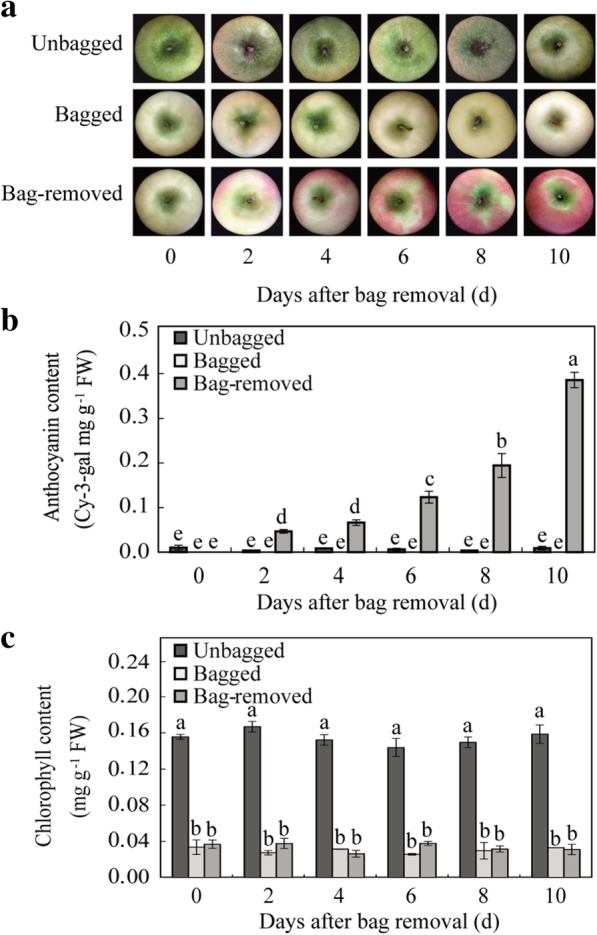
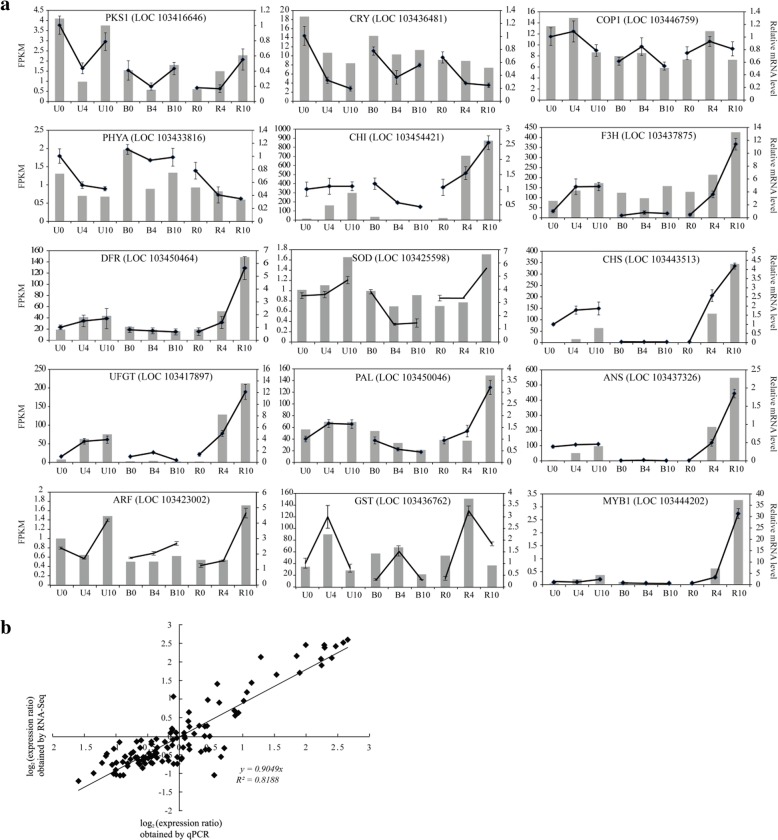
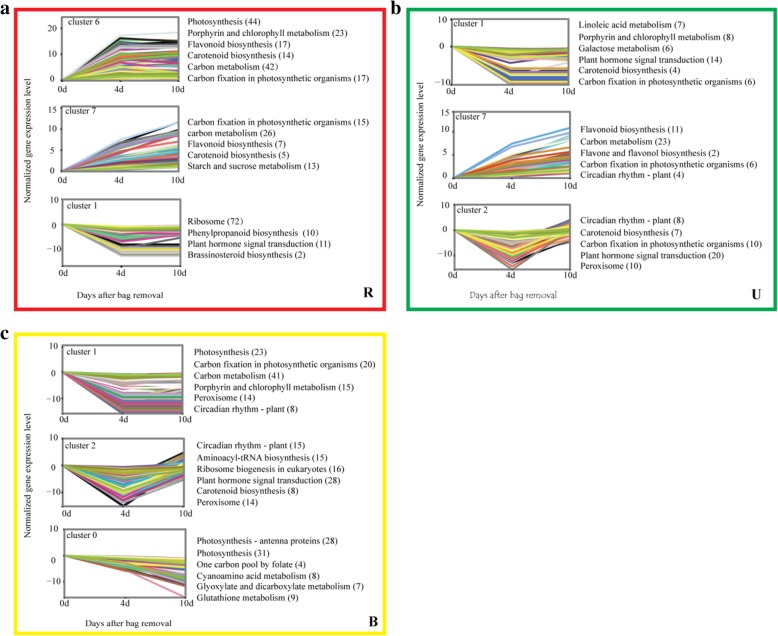
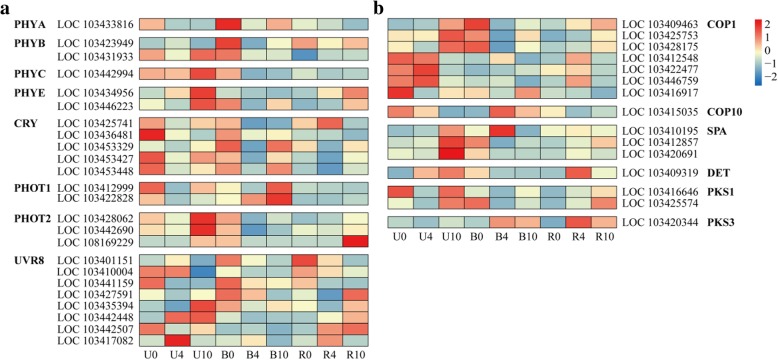
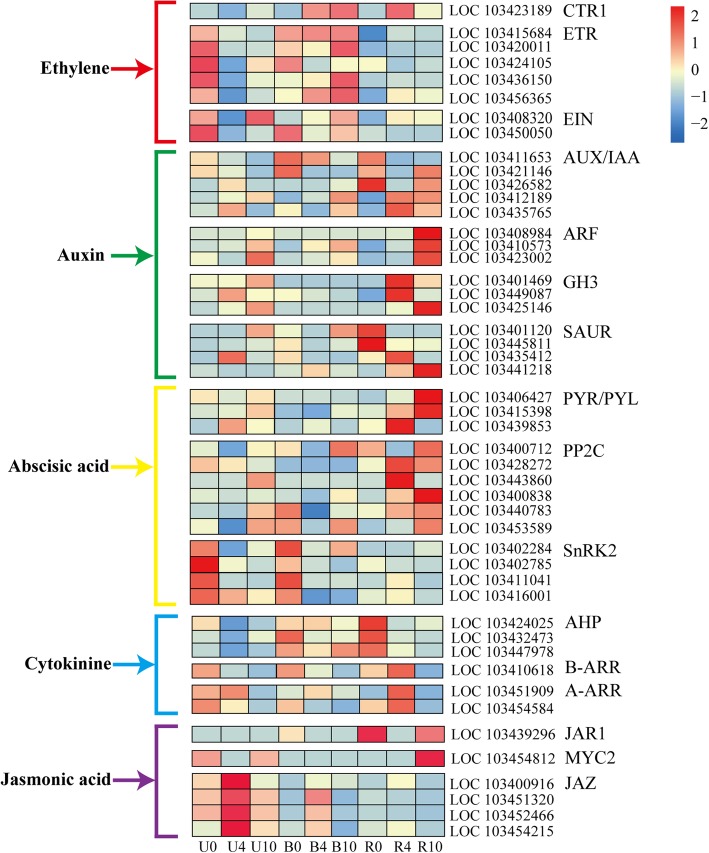
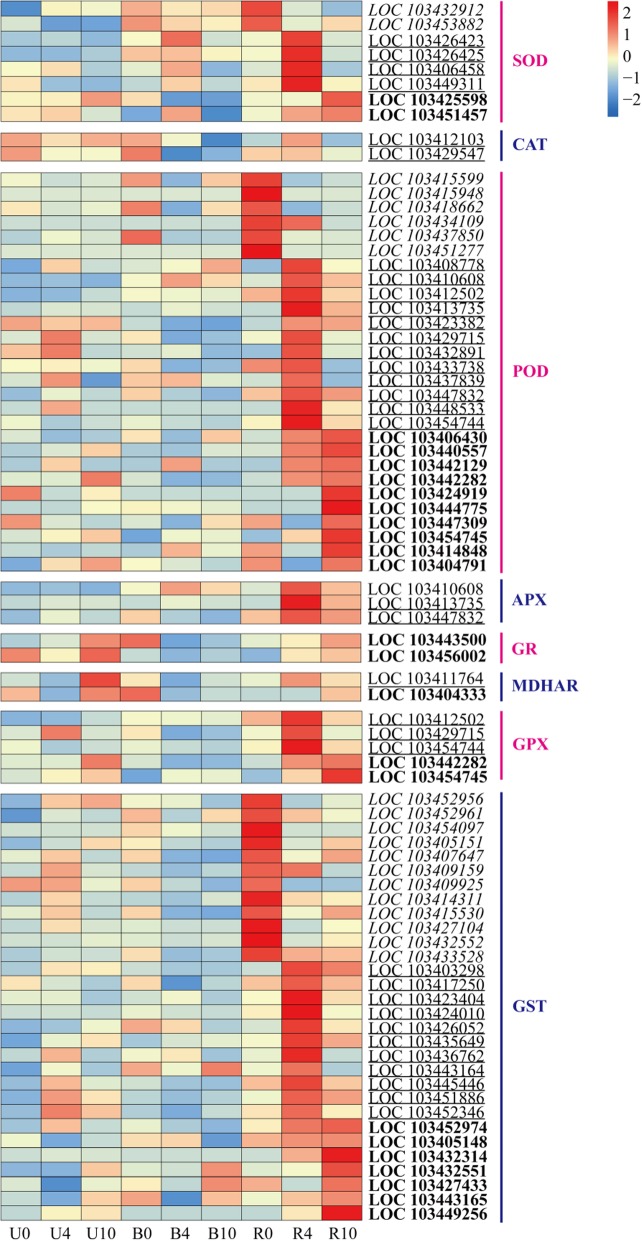
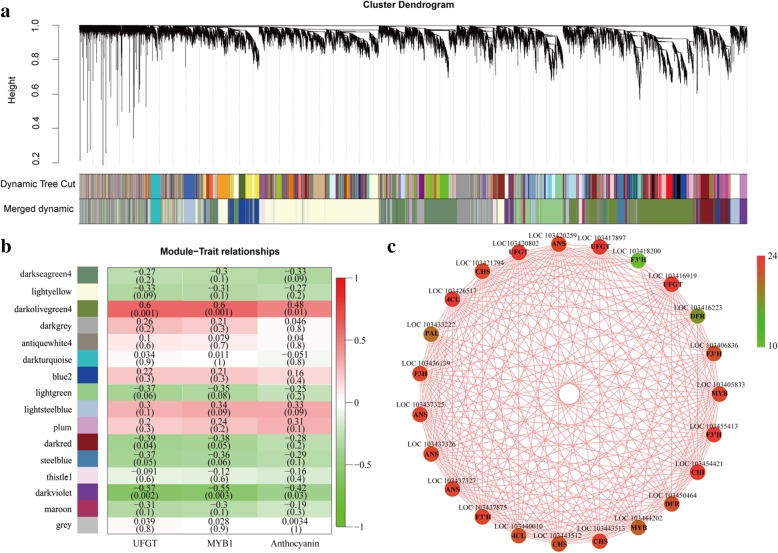
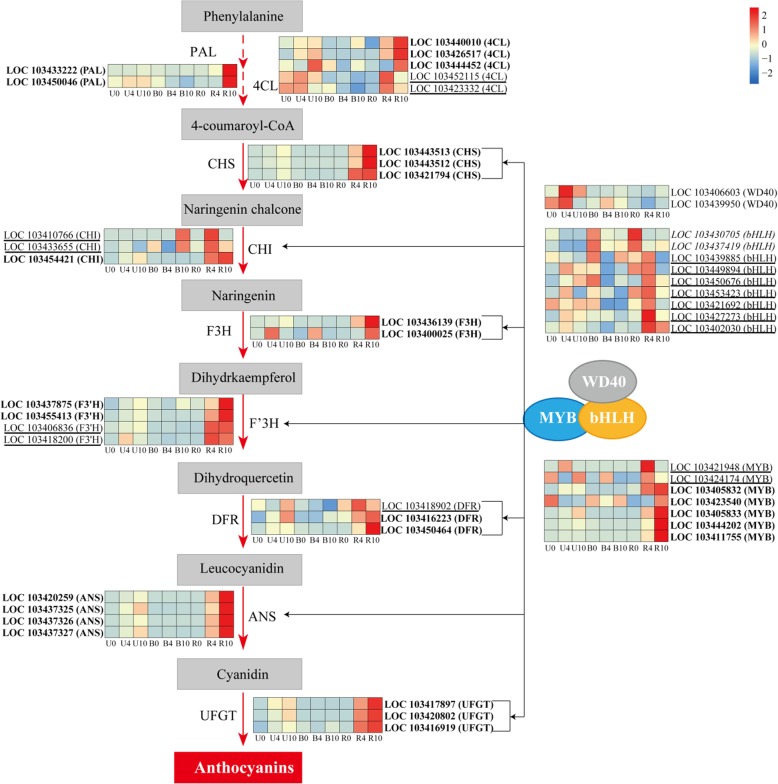
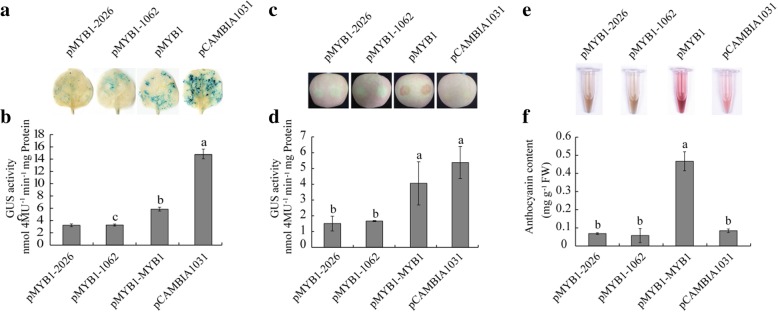
The anthocyanin content in apple peel increased considerably after bag removal, while only trace amounts of anthocyanins were present in the peel of unbagged and bagged fruits. RNA sequencing identified 18,152 differentially expressed genes (DEGs) among unbagged, bagged, and bag-removed fruits at 0, 4, and 10 days after bag removal. The DEGs were implicated in light signal perception and transduction, plant hormone signal transduction, and antioxidant systems. Weighted gene co-expression network analysis of DEGs generated a module of 23 genes highly correlated with anthocyanin content. The deletion of - 2026 to - 1870 bp and - 1062 to - 964 bp regions of the MdMYB1 (LOC103444202) promoter induced a significant decrease in glucuronidase activity and anthocyanin accumulation in apple peel.
Bagging treatment can induce red pigmentation in 'Granny Smith' via altering the expression patterns of genes involved in crucial signal transduction and biochemical metabolic pathways. The - 2026 to - 1870 bp and - 1062 to - 964 bp regions of the MdMYB1 promoter are essential for MdMYB1-mediated regulation of anthocyanin accumulation in the 'Granny Smith' apple cultivar. The findings presented here provide insight into the mechanisms of coloration in the peel of 'Granny Smith' and other non-red apple cultivars.
套袋常用于增强苹果(Malus domestica)的红色素含量,从而改善果实品质。绿皮苹果品种“青香蕉”在去袋后会产生红色素,但介导果皮中光诱导花色素苷积累的信号转导途径尚未确定。本研究旨在基于转录组测序,确定“青香蕉”去袋后红色素形成的机制。
去袋后苹果果皮中的花色素苷含量显著增加,而未套袋和套袋果实的果皮中仅存在微量花色素苷。RNA 测序鉴定了未套袋、套袋和去袋果实在去袋后 0、4 和 10 天的果皮中 18152 个差异表达基因(DEGs)。这些 DEGs 涉及光信号感知和转导、植物激素信号转导和抗氧化系统。对 DEGs 的加权基因共表达网络分析生成了一个与花色素苷含量高度相关的 23 个基因模块。MdMYB1(LOC103444202)启动子的-2026 到-1870bp 和-1062 到-964bp 缺失区域诱导了苹果果皮中β-葡萄糖苷酶活性和花色素苷积累的显著降低。
套袋处理可通过改变参与关键信号转导和生化代谢途径的基因表达模式,诱导“青香蕉”的红色素形成。MdMYB1 启动子的-2026 到-1870bp 和-1062 到-964bp 区域是 MdMYB1 介导“青香蕉”苹果品种花色素苷积累调控所必需的。本研究结果为“青香蕉”和其他非红色苹果品种果皮着色机制提供了新的见解。