Sudo Hitomi, Tsuji Atsushi B, Sugyo Aya, Nagatsu Kotaro, Minegishi Katsuyuki, Ishioka Noriko S, Ito Hiroshi, Yoshinaga Keiichiro, Higashi Tatsuya
Department of Molecular Imaging and Theranostics, National Institute of Radiological Sciences, National Institutes for Quantum and Radiological Science and Technology (QST-NIRS), Inage, Chiba 263-8555, Japan.
Department of Molecular Imaging and Theranostics, National Institute of Radiological Sciences, National Institutes for Quantum and Radiological Science and Technology (QST-NIRS), Inage, Chiba 263-8555, Japan.
Transl Oncol. 2019 Jul;12(7):879-888. doi: 10.1016/j.tranon.2019.04.008. Epub 2019 May 9.
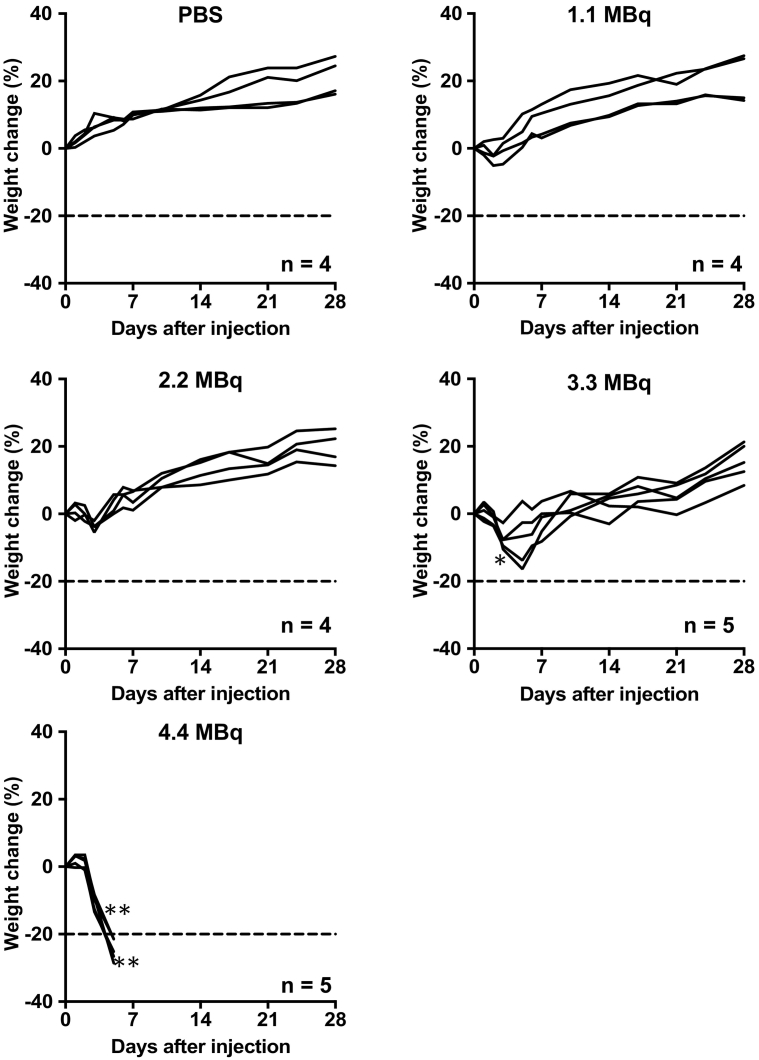
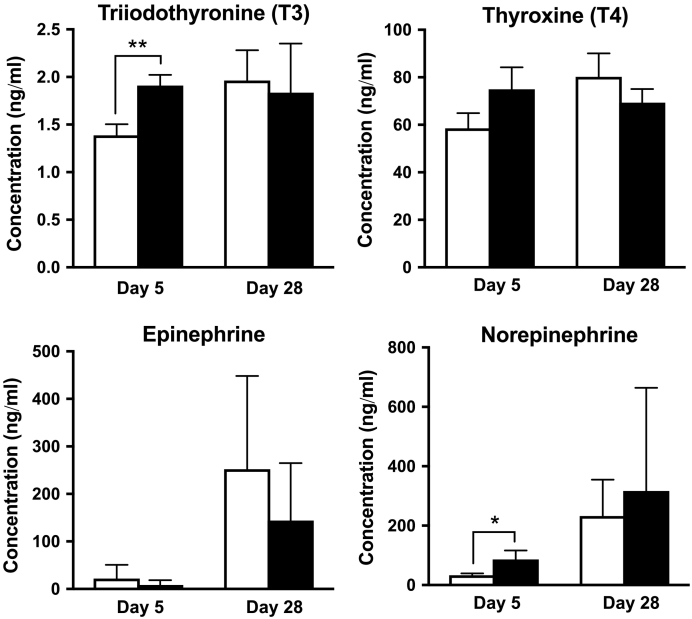
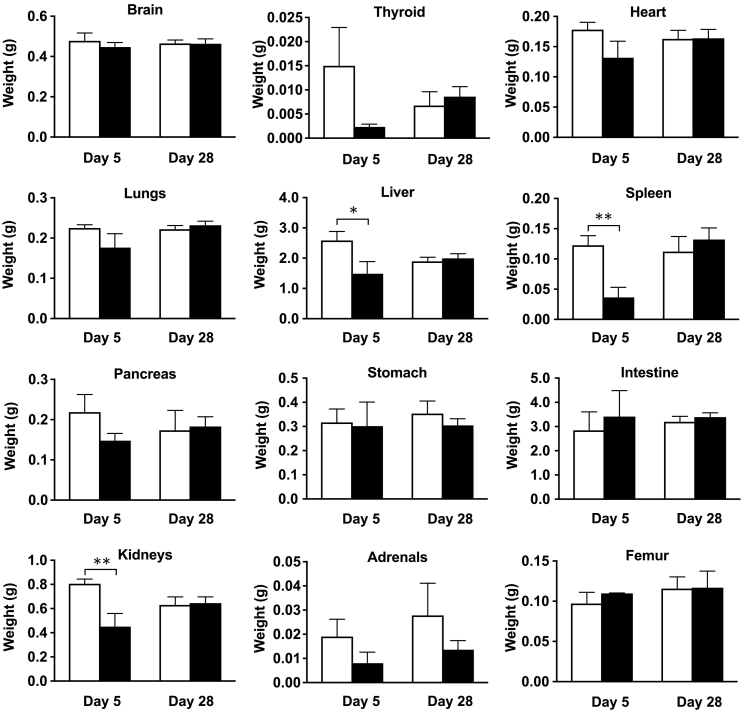
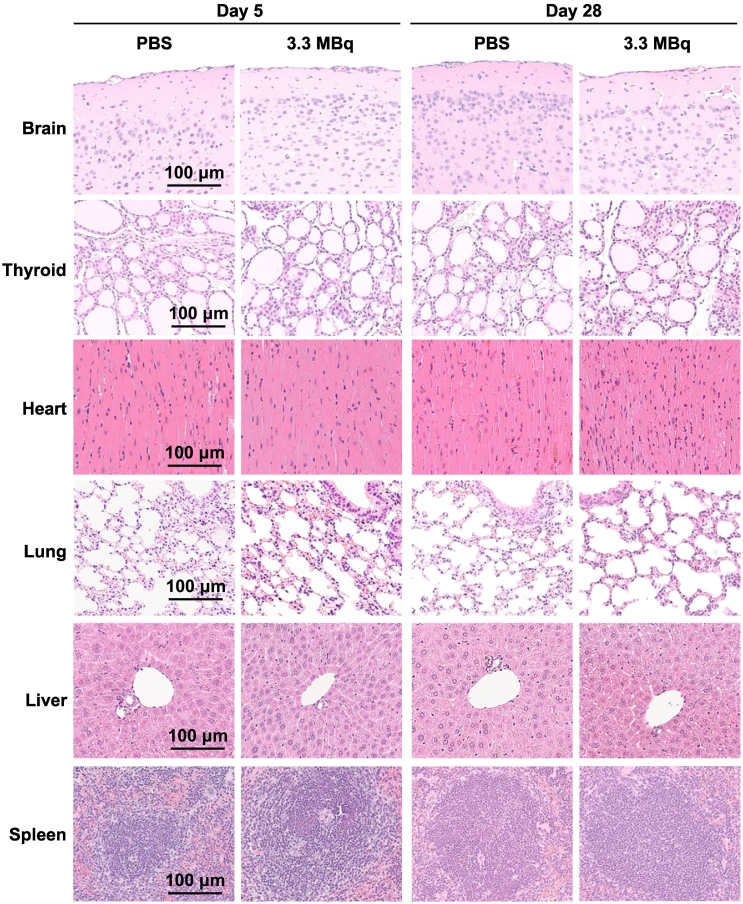
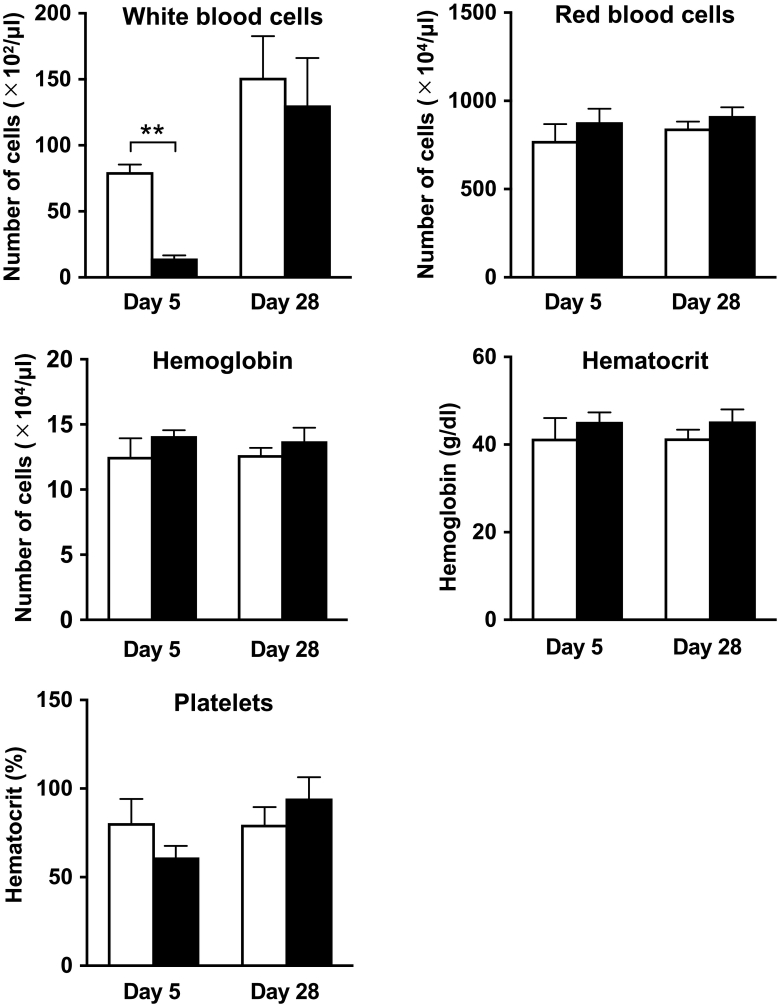
The α-emitter At-labeled meta-astatobenzylguanidine (At-MABG) has a strong antitumor effect on pheochromocytoma xenograft tumors and holds great promise as a new therapeutic option for malignant pheochromocytoma. To evaluate the acute radiation-related toxicity of At-MABG, we conducted biodistribution and dosimetry studies of At-MABG in ICR mice to estimate the doses absorbed by organs. We determined the maximum tolerated doses (MTD) of At-MABG on the basis of body weight loss and assessed the acute radiation-related toxicity induced by MTD administration on the basis of organ weights, histologic features, hematologic indices, and biochemical indices. The biodistribution and dosimetry studies of α-emitting At-MABG revealed high doses absorbed by most organs except the brain in ICR mice. The administration of 1.1, 2.2, and 3.3 MBq of At-MABG induced transient body weight loss, and 4.4 MBq of At-MABG induced unrecoverable body weight loss; thus, the MTD was 3.3 MBq for ICR mice. Although by day 5 the administration of 3.3 MBq had induced some radiation-related toxicity symptoms-such as body weight loss and leucopenia, which are generally observed in radiation therapy including β-emitting radiopharmaceuticals-the mice had recovered by day 28. We observed no unexpected severe toxicity in ICR mice despite the high absorbed doses in most organs, especially the thyroid, heart, stomach, and adrenal glands. Our findings suggest that therapeutic treatments with appropriate doses of At-MABG estimated by dosimetry in each patient could be tolerated, although lower doses may initially be necessary to ensure patient safety in the first-in-human study.
α发射体砹标记的间位砹苄基胍(At-MABG)对嗜铬细胞瘤异种移植瘤具有很强的抗肿瘤作用,有望成为恶性嗜铬细胞瘤的一种新的治疗选择。为了评估At-MABG的急性辐射相关毒性,我们在ICR小鼠中进行了At-MABG的生物分布和剂量测定研究,以估计各器官吸收的剂量。我们根据体重减轻情况确定了At-MABG的最大耐受剂量(MTD),并根据器官重量、组织学特征、血液学指标和生化指标评估了MTD给药引起的急性辐射相关毒性。α发射性At-MABG的生物分布和剂量测定研究表明,在ICR小鼠中,除大脑外,大多数器官吸收的剂量都很高。给予1.1、2.2和3.3 MBq的At-MABG会导致短暂的体重减轻,而给予4.4 MBq的At-MABG会导致无法恢复的体重减轻;因此,ICR小鼠的MTD为3.3 MBq。尽管到第5天时,给予3.3 MBq已诱发了一些辐射相关的毒性症状,如体重减轻和白细胞减少,这些症状在包括发射β射线的放射性药物在内的放射治疗中通常都会出现,但小鼠在第28天时已恢复。尽管大多数器官,尤其是甲状腺、心脏、胃和肾上腺吸收剂量很高,但我们在ICR小鼠中未观察到意外的严重毒性。我们的研究结果表明,通过对每位患者进行剂量测定来估计适当剂量的At-MABG进行治疗可能是可以耐受的,尽管在首次人体研究中,最初可能需要较低的剂量以确保患者安全。