Reuser A J, Kroos M, Willemsen R, Swallow D, Tager J M, Galjaard H
J Clin Invest. 1987 Jun;79(6):1689-99. doi: 10.1172/JCI113008.
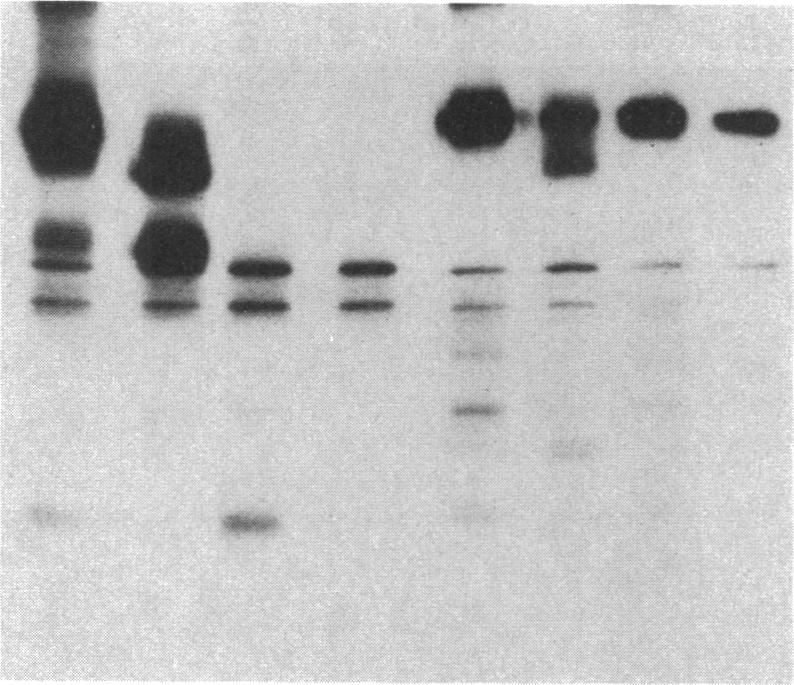
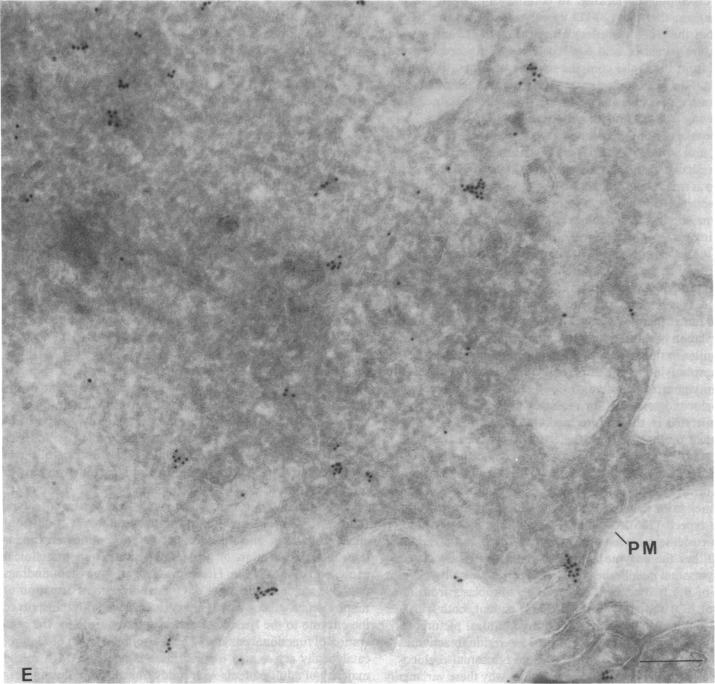
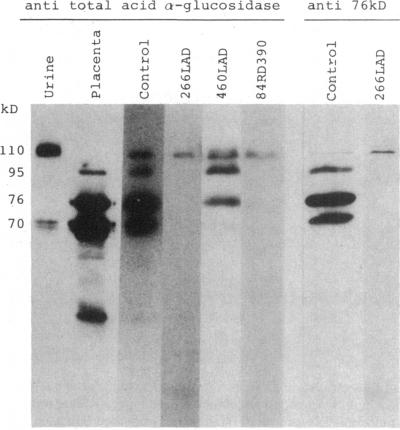
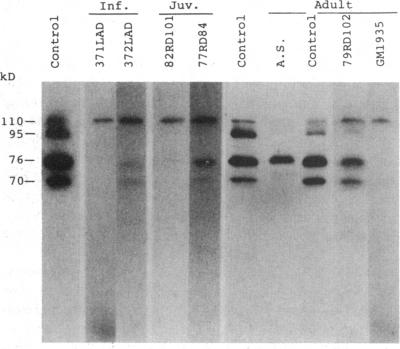
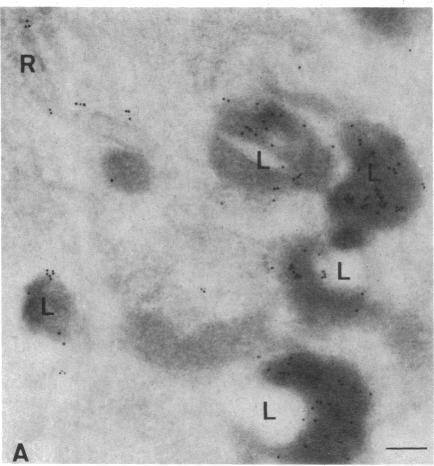
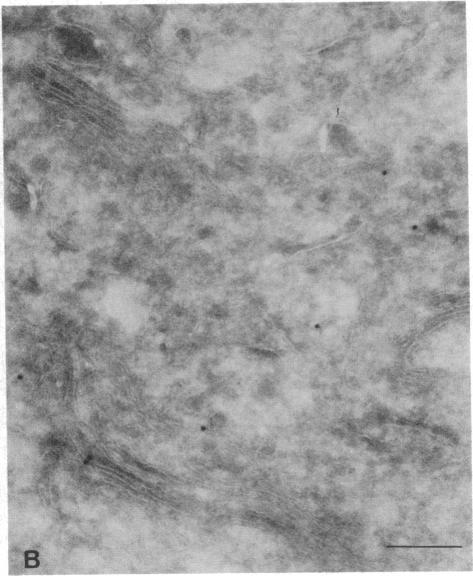
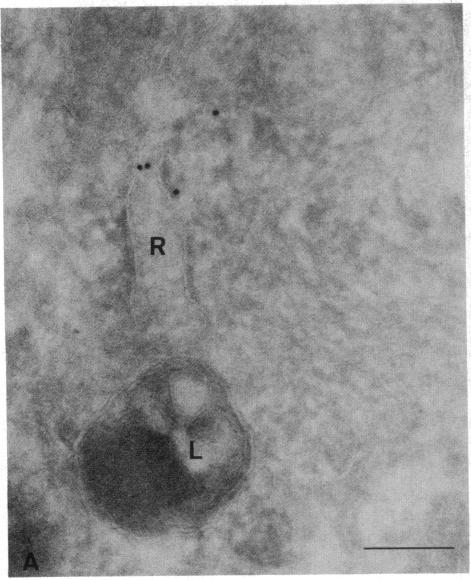
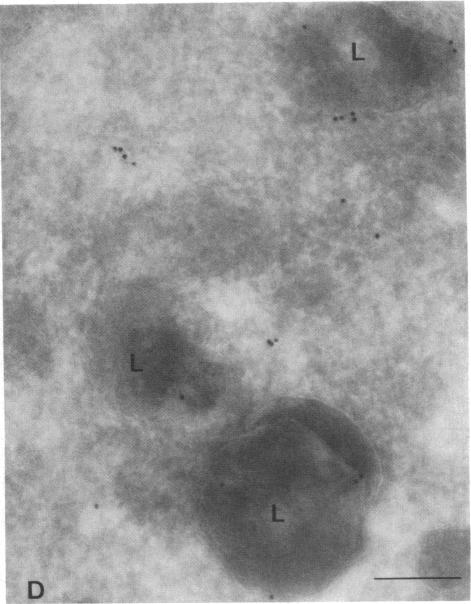
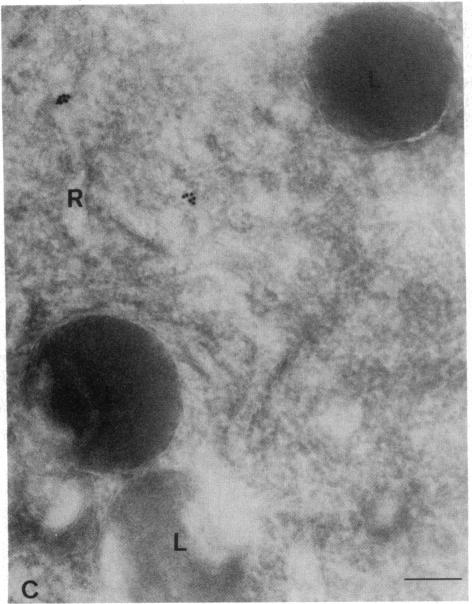
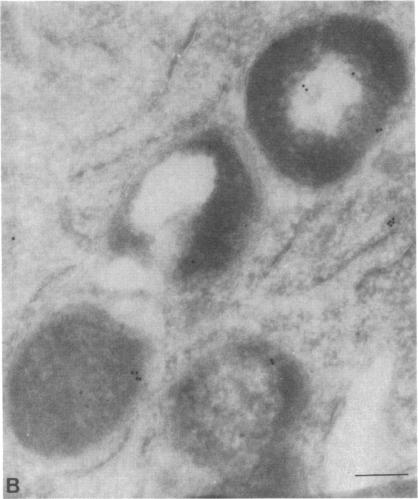
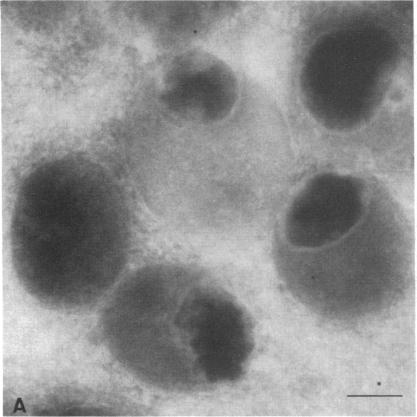
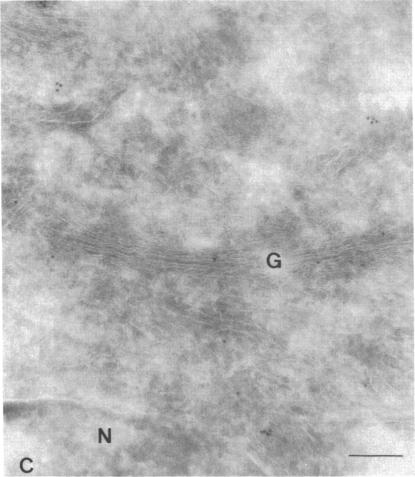
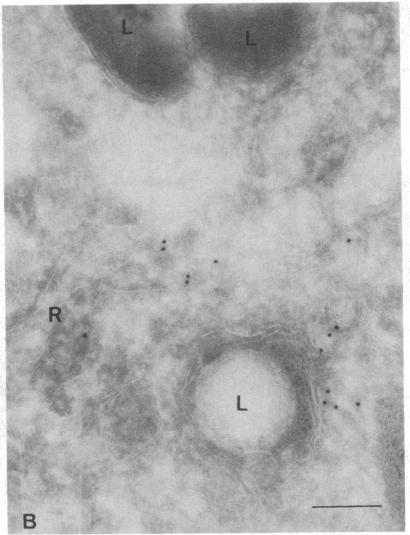
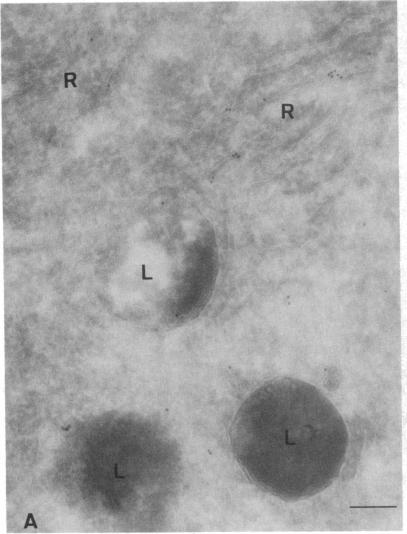
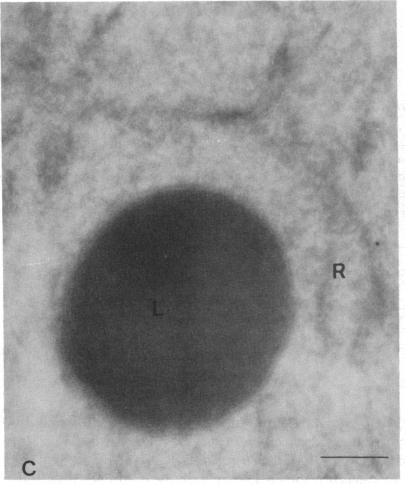
The molecular basis of clinical diversity in glycogenosis type II (Pompe's disease) was investigated by comparing the nature of acid alpha-glucosidase deficiency in cultured fibroblasts from 30 patients. Biosynthetic forms of acid alpha-glucosidase with different molecular mass were separated electrophoretically and identified by immunoblotting. Immuno-electron microscopy was employed to determine the intracellular localization of mutant enzyme. Our studies illustrate that maturation of acid alpha-glucosidase is associated with transport to the lysosomes. Deficiency of catalytically active mature enzyme in lysosomes is common to all clinical phenotypes but, in the majority of cases, is more profound in early onset than in late onset forms of the disease. Thus, the results suggest that the clinical course of glycogenosis type II is primarily determined by the amount of functional acid alpha-glucosidase. The role of secondary factors can, however, not be excluded because three adult patients were identified with very low activity and little enzyme in the lysosomes.
通过比较30例患者培养成纤维细胞中酸性α-葡萄糖苷酶缺乏的性质,研究了II型糖原贮积病(庞贝病)临床多样性的分子基础。具有不同分子量的酸性α-葡萄糖苷酶的生物合成形式通过电泳分离并用免疫印迹法鉴定。采用免疫电子显微镜确定突变酶的细胞内定位。我们的研究表明,酸性α-葡萄糖苷酶的成熟与向溶酶体的转运有关。溶酶体中催化活性成熟酶的缺乏是所有临床表型共有的,但在大多数情况下,疾病的早发形式比晚发形式更严重。因此,结果表明II型糖原贮积病的临床病程主要由功能性酸性α-葡萄糖苷酶的量决定。然而,不能排除次要因素的作用,因为发现三名成年患者溶酶体中的活性非常低且酶很少。