Song Hetao, Zuo Zhicai, Yang Zhuangzhi, Gao Caixia, Chen Kejie, Fang Jing, Cui Hengmin, Ouyang Ping, Deng Junliang, Geng Yi, Guo Hongrui
College of Veterinary Medicine, Sichuan Agricultural University, Chengdu, Sichuan 611130, PR China.
Chengdu Academy of Agriculture and Forestry Sciences, Chengdu, Sichuan 611130, PR China.
Aging (Albany NY). 2019 May 14;11(9):2836-2851. doi: 10.18632/aging.101956.
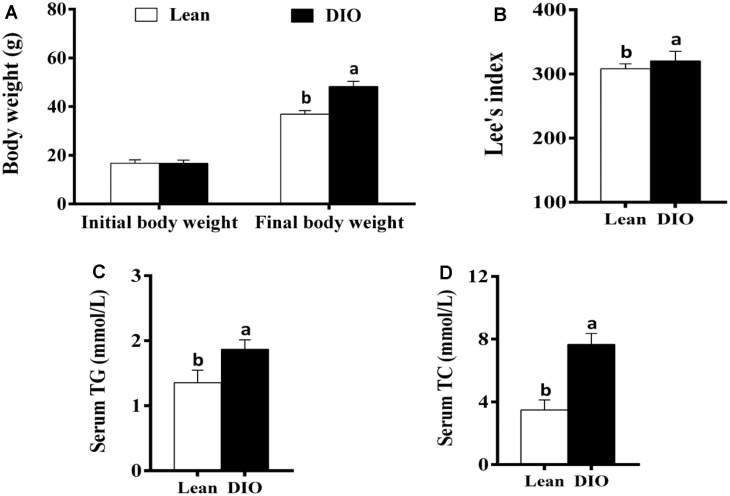
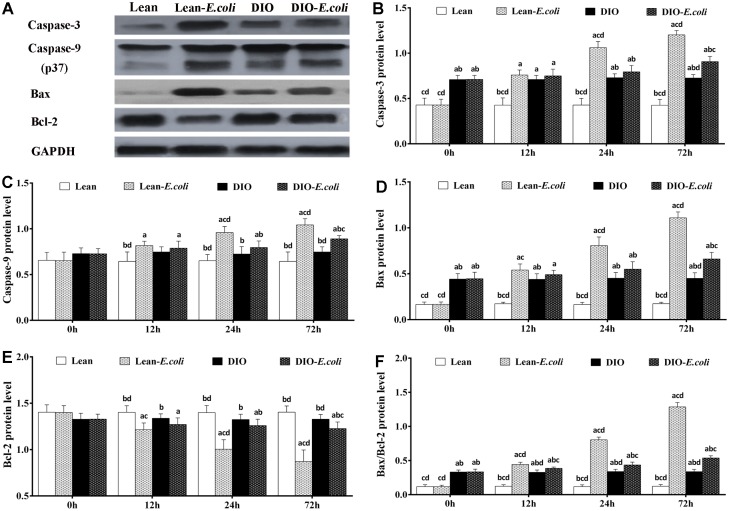
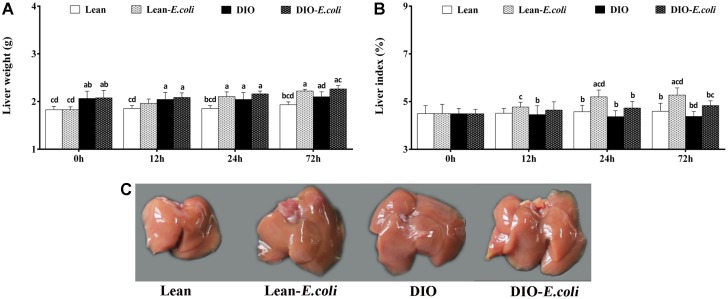
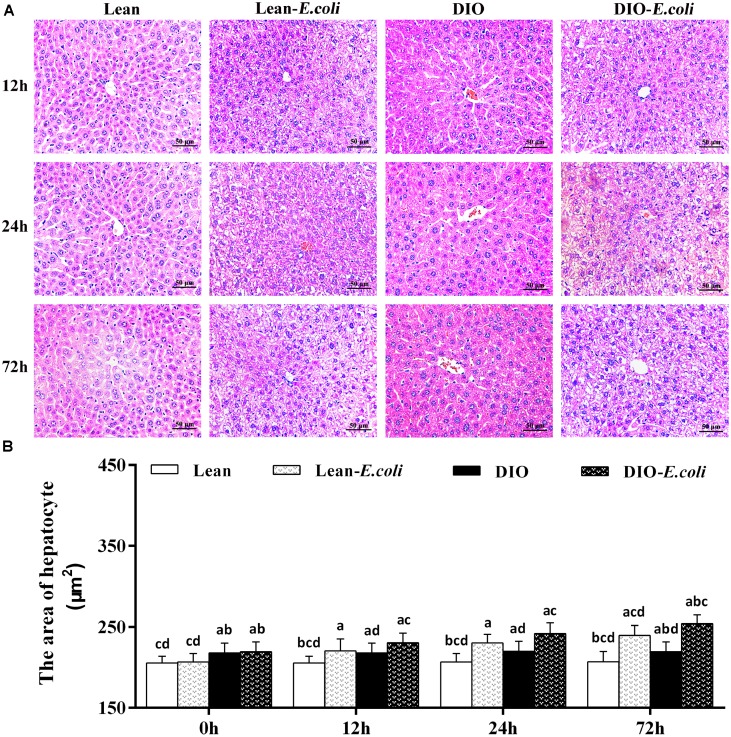
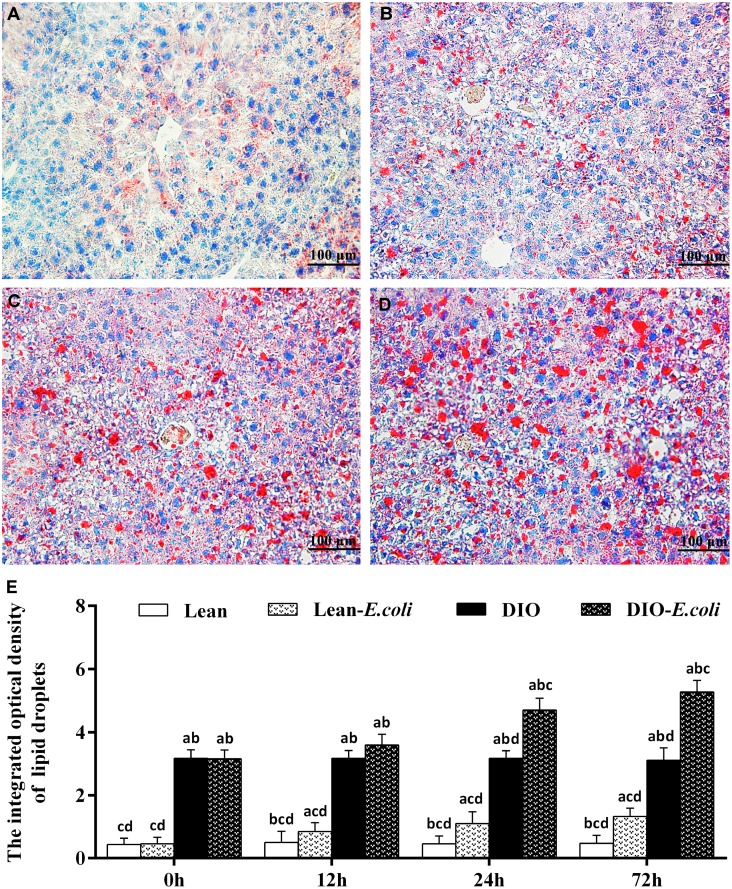
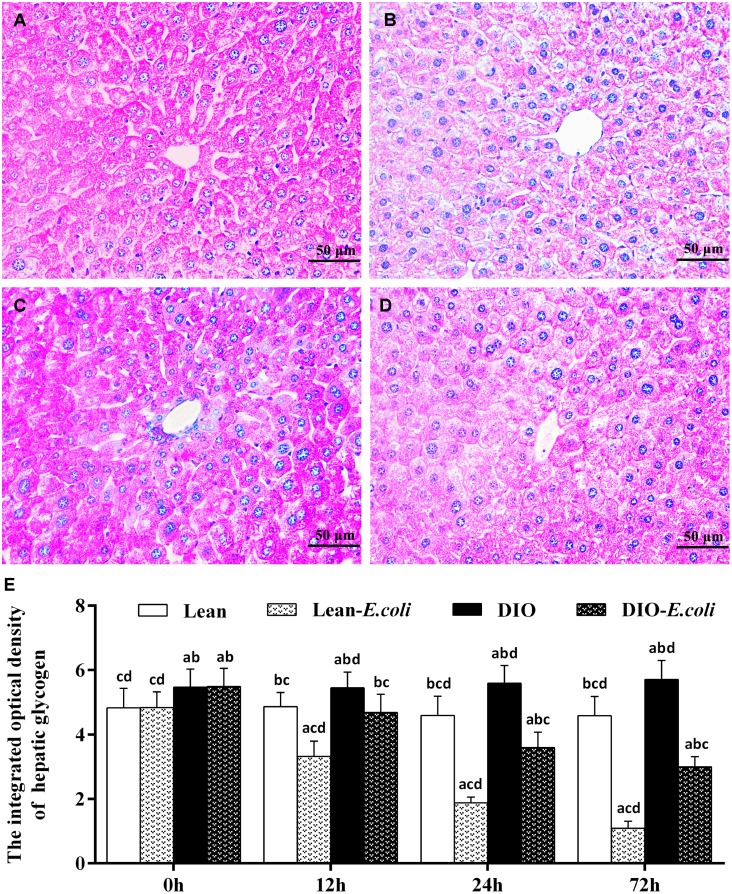
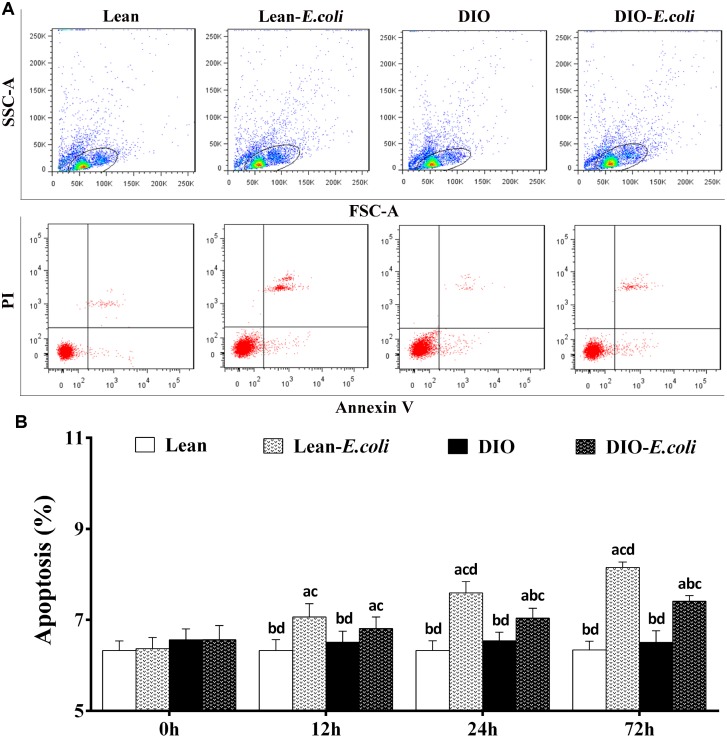
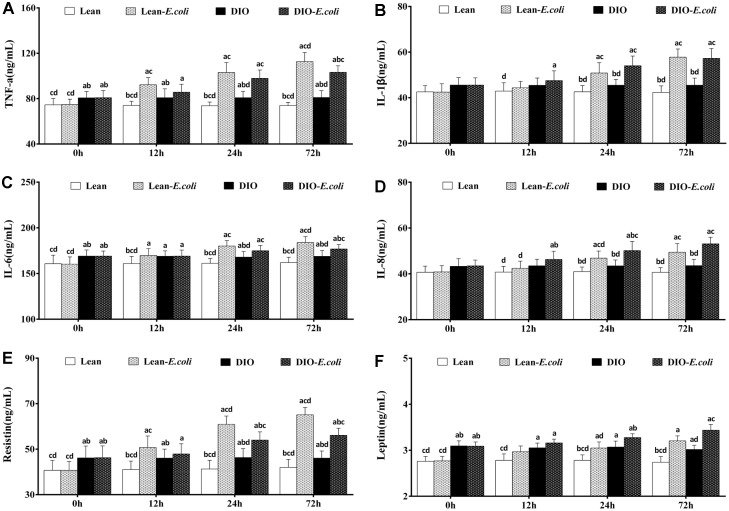
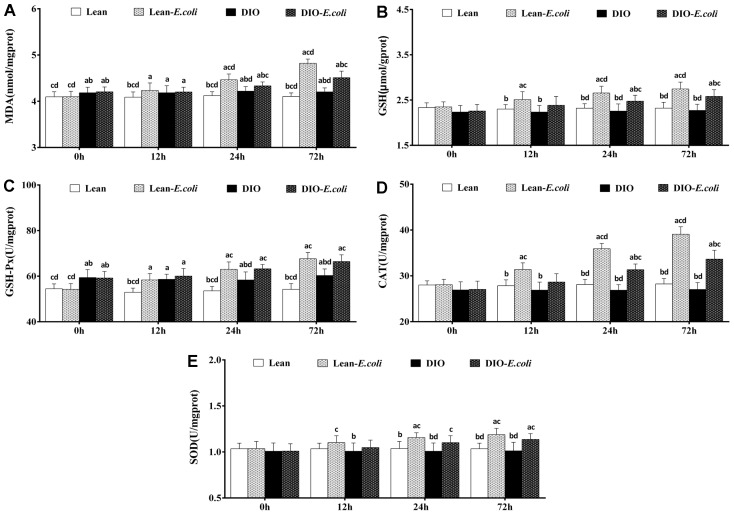
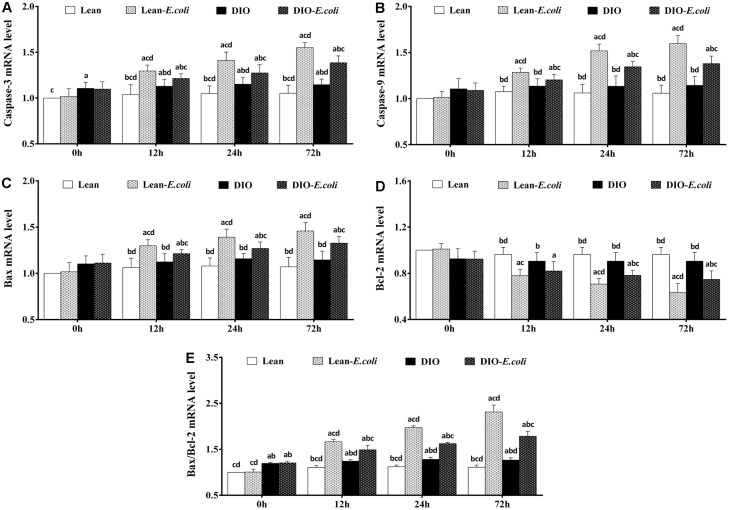
This research was to investigate the difference of hepatic histopathology and apoptosis between the diet-induced obesity (DIO) and normal (lean) mice after () pneumonia. A total of 128 ICR mice were selected to be challenged intranasally with phosphate-buffered saline (PBS) or 4×10CFUs/mL of , and the liver histopathology and apoptosis were examined pre- and post-infection. Results showed that the liver index, levels of lipid droplets, cytokines, adipocytokines, oxidative stress, apoptotic percentage, and apoptotic related factors in the infected mice were generally higher than those in the uninfected mice, whereas the hepatic glycogen and Bcl-2 were the opposite. Interestingly, after infection, the DIO- mice exhibited decreased liver index and apoptotic percentages, and reduced levels of TNF-α, IL-6, resistin, MDA, GSH, CAT, Caspase-3, Caspase-9, Bax as well as Bax/Bcl-2 ratio in comparison to the lean- mice. Our results indicated that -induced pneumonia caused hepatic histopathological damage, increased hepatic apoptosis, oxidative damages, and higher levels of cytokines and adipocytokines. However, such changes showed less severely in the DIO mice than in the lean mice following pneumonia.
本研究旨在探讨饮食诱导肥胖(DIO)小鼠和正常(瘦)小鼠在()肺炎后肝脏组织病理学和细胞凋亡的差异。总共选取128只ICR小鼠,通过鼻内注射磷酸盐缓冲盐水(PBS)或4×10CFUs/mL的()进行攻击,并在感染前后检查肝脏组织病理学和细胞凋亡情况。结果显示,感染小鼠的肝脏指数、脂滴水平、细胞因子、脂肪细胞因子、氧化应激、凋亡百分比及凋亡相关因子普遍高于未感染小鼠,而肝糖原和Bcl-2则相反。有趣的是,与瘦小鼠相比,感染()后,DIO小鼠的肝脏指数和凋亡百分比降低,TNF-α、IL-6、抵抗素、丙二醛(MDA)、谷胱甘肽(GSH)、过氧化氢酶(CAT)、半胱天冬酶-3(Caspase-3)、半胱天冬酶-9(Caspase-9)、Bax以及Bax/Bcl-2比值水平降低。我们的结果表明,()诱导的肺炎导致肝脏组织病理学损伤、肝脏细胞凋亡增加、氧化损伤以及细胞因子和脂肪细胞因子水平升高。然而,在()肺炎后,DIO小鼠的这些变化比瘦小鼠表现得较轻。