Safarpour Atefeh, Ebrahimi Marzieh, Shahzadeh Fazeli Seyed Abolhassan, Amoozegar Mohammad Ali
Department of Stem Cells and Developmental Biology, Cell Science Research Center, Royan Institute for Stem Cell Biology and Technology, ACECR, Tehran, Iran.
Department of Developmental Biology, Faculty of Basic Sciences and Advanced Technologies in Biology, University of Science and Culture, ACECR, Tehran, Iran.
Iran J Pharm Res. 2019 Winter;18(1):241-253.
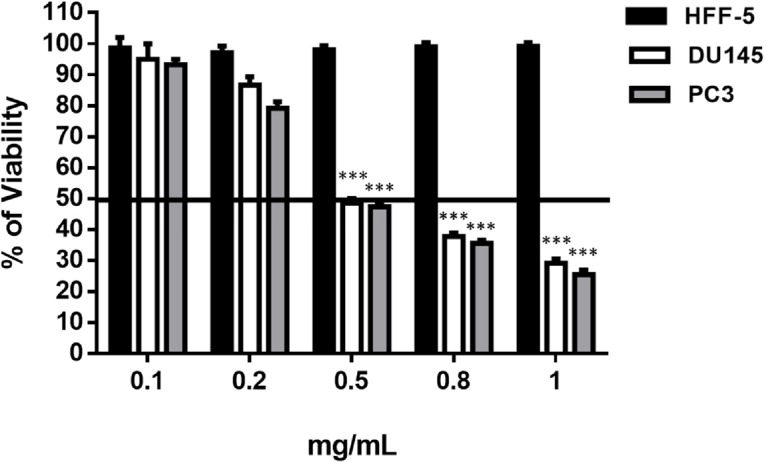
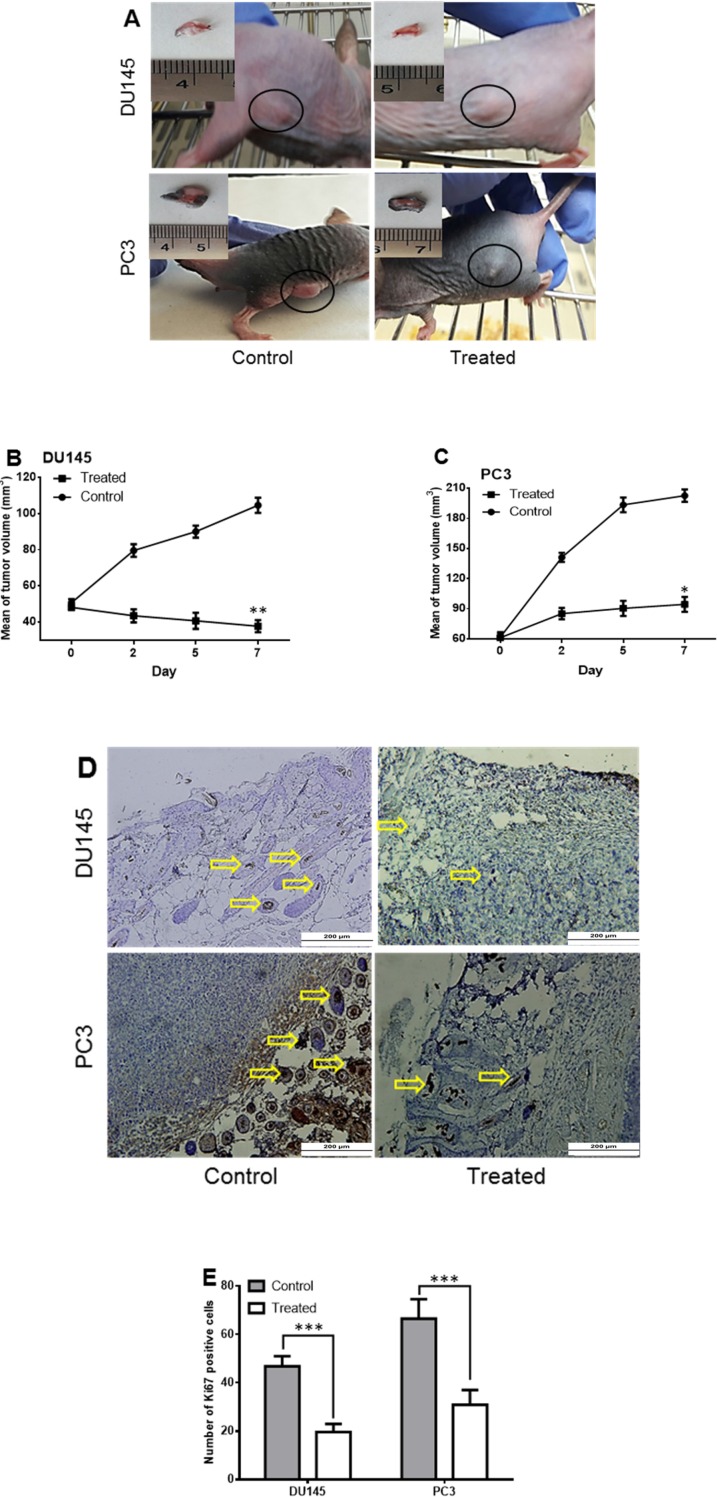
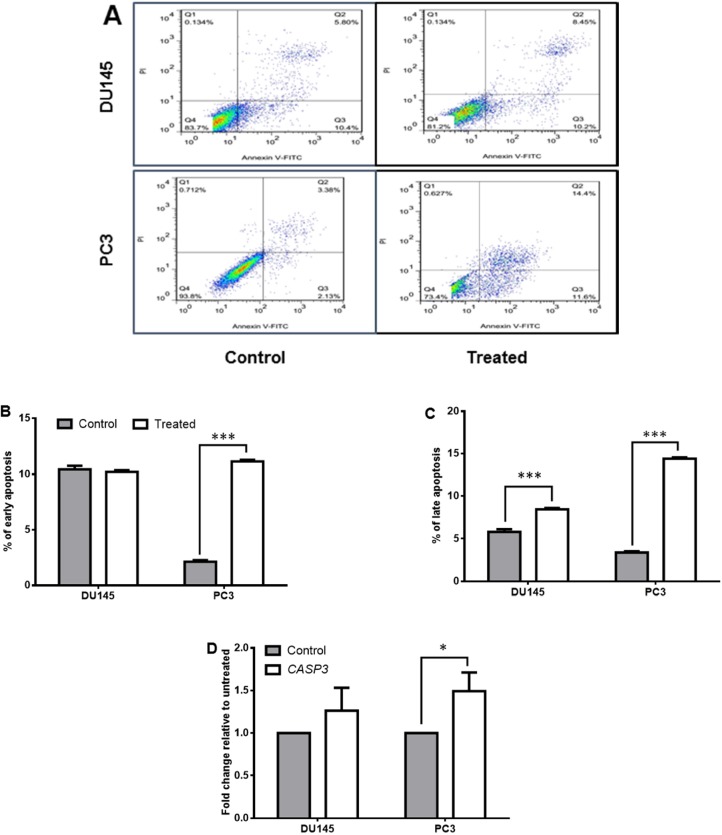
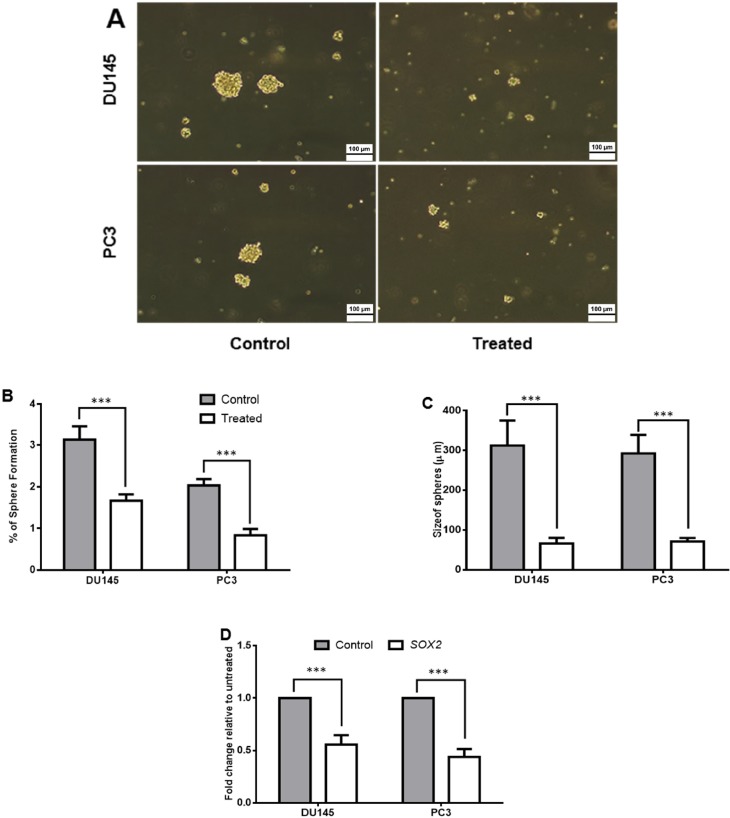
Halophilic archaea are known as the novel producers of natural products and their supernatant metabolites could have cytotoxic effects on cancer cells. In the present study, we screened the anticancer potential of supernatant metabolites from eight native haloarchaeal strains obtained from a culture collection in Iran. Five human cancer cell lines including breast, lung, prostate and also human fibroblast cells as the normal control were used in the present study. Moreover, to evaluate the anti-tumor effect of the selected supernatant, inhibition of sphere formation and tumor development was assessed and , respectively. Among all strains, supernatant metabolites from IBRC M10715 had the most potent cytotoxic effect on prostate cancer cell lines (IC50 = 0.5 mg/mL) without any effects on normal cells. It significantly increased both early and late apoptosis (about 11% and 9%, respectively) in the androgen-dependent PC3 cell line, reduced sphere formation ability of DU145 and PC3 cells with down-regulation of gene expression. Furthermore, our results revealed that tumors developed in nude mice significantly shrank post intratumor injection of metabolites of the haloarchaeal strain. In conclusion, we suggested here for the first time that supernatant metabolites from IBRC M10715 could be a novel component against prostate cancer and with remarkable reduction in stem-like properties of tumor.
嗜盐古菌是天然产物的新型生产者,其上清液代谢产物可能对癌细胞具有细胞毒性作用。在本研究中,我们筛选了从伊朗一个培养物保藏中心获得的8株本地嗜盐古菌菌株的上清液代谢产物的抗癌潜力。本研究使用了包括乳腺癌、肺癌、前列腺癌的5种人类癌细胞系以及作为正常对照的人类成纤维细胞。此外,为了评估所选上清液的抗肿瘤作用,分别评估了对球体形成和肿瘤发展的抑制作用。在所有菌株中,IBRC M10715的上清液代谢产物对前列腺癌细胞系具有最有效的细胞毒性作用(IC50 = 0.5 mg/mL),而对正常细胞没有任何影响。它显著增加了雄激素依赖性PC3细胞系的早期和晚期凋亡(分别约为11%和9%),通过下调基因表达降低了DU145和PC3细胞的球体形成能力。此外,我们的结果显示,在裸鼠体内注射嗜盐古菌菌株的代谢产物后,肿瘤显著缩小。总之,我们首次在此表明,IBRC M10715的上清液代谢产物可能是一种抗前列腺癌的新型成分,并且能显著降低肿瘤的干细胞样特性。