Salari Sepideh, Esmaeilzadeh Bahabadi Sedigheh, Samzadeh-Kermani Alireza, Yosefzaei Forough
Department of Biology, Faculty of Basic Sciences, University of Zabol, Zabol, Iran.
Department of Chemistry, Faculty of Basic Sciences, University of Zabol, Zabol, Iran.
Iran J Pharm Res. 2019 Winter;18(1):430-455.
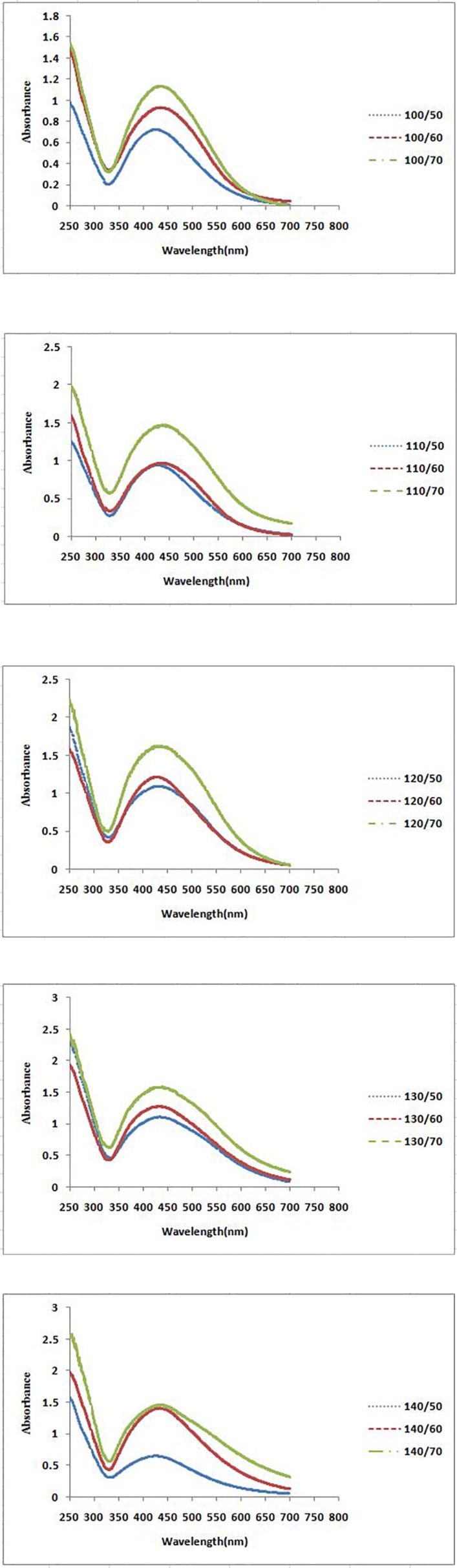
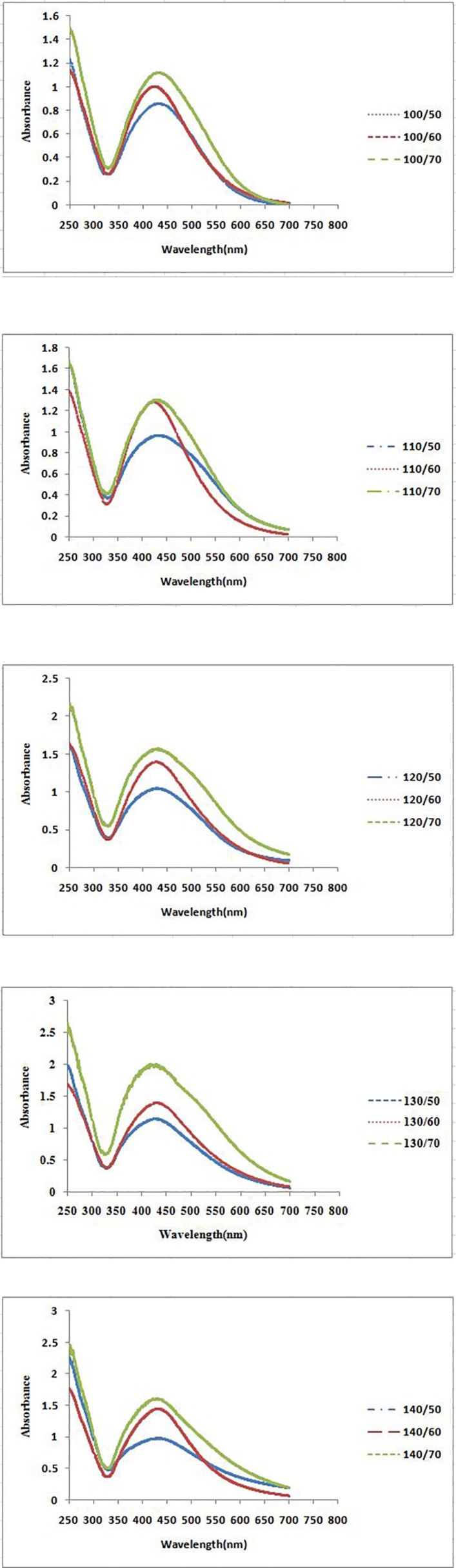
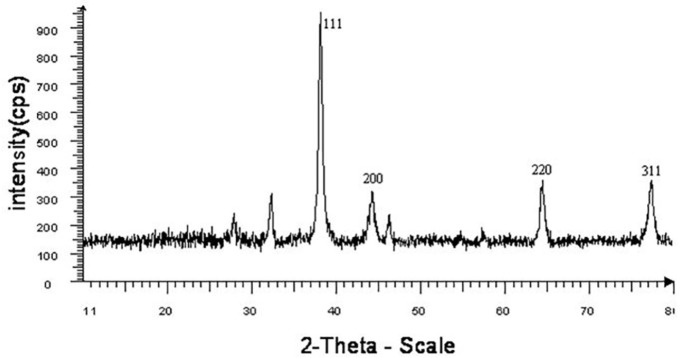
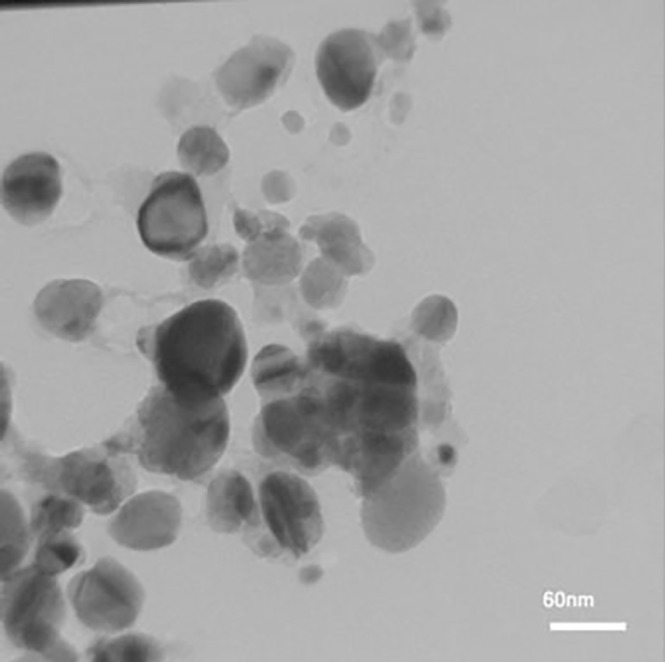
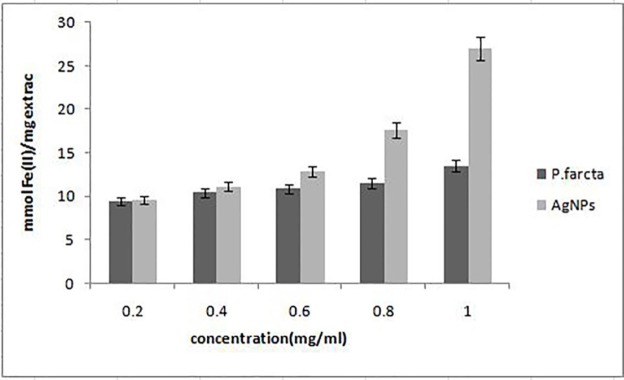
Nowadays, green synthesis of metal nanoparticles has become a promising synthetic strategy in nanotechnology and materials sciences. In this research, biosynthesis of silver nanoparticles (AgNPs) was successfully accomplished in the presence of fruit extract as a reducing agent. Proceeding of the reaction was assessed by using UV-vis spectroscopy. Characterization of silver nanoparticles was carried out by X-ray Diffraction spectroscopy (XRD) and transmission electron microscopy (TEM). The influence of process variables such as temperature, reaction time, and extract concentration was also investigated to optimize the biosynthesis of silver nanoparticles. The average size of synthesized AgNPs was 12.68 nm (10.26-14.65 nm). Furthermore, fruit extract and AgNPs were evaluated for total phenolic and flavonoid contents and were subjected to determine their antiradical scavenging activity using 1,1-diphenyl-2-picryl-hydrazyl (DPPH) and ferric reducing antioxidant power (FRAP) assay and antimicrobial activity against , , , using the disk diffusion method. The total phenols and flavonoids in AgNPs-containing plant extract were 462.69 (mg GAE/g extract) and 386.94 (mg QE/g extract) respectively, which were significantly higher than fruit extract. Biosynthesized AgNPs showed a higher antioxidant and antibacterial activity compared to fruit extract alone. It could be concluded that fruit extract can be extensively used in the production of potential antioxidant and antibacterial AgNPs for biomedical application.
如今,金属纳米颗粒的绿色合成已成为纳米技术和材料科学中一种很有前景的合成策略。在本研究中,以水果提取物作为还原剂成功实现了银纳米颗粒(AgNPs)的生物合成。通过紫外可见光谱法评估反应进程。通过X射线衍射光谱(XRD)和透射电子显微镜(TEM)对银纳米颗粒进行表征。还研究了温度、反应时间和提取物浓度等工艺变量的影响,以优化银纳米颗粒的生物合成。合成的AgNPs的平均尺寸为12.68 nm(10.26 - 14.65 nm)。此外,对水果提取物和AgNPs的总酚和黄酮含量进行了评估,并使用1,1 - 二苯基 - 2 - 苦基肼(DPPH)和铁还原抗氧化能力(FRAP)测定法测定其抗自由基清除活性,以及使用纸片扩散法测定其对[具体菌种1]、[具体菌种2]、[具体菌种3]、[具体菌种4]的抗菌活性。含AgNPs的植物提取物中的总酚和黄酮分别为462.69(mg GAE/g提取物)和386.94(mg QE/g提取物),显著高于水果提取物。与单独的水果提取物相比,生物合成的AgNPs表现出更高的抗氧化和抗菌活性。可以得出结论,水果提取物可广泛用于生产具有潜在抗氧化和抗菌性能的AgNPs,用于生物医学应用。