Laboratory of Experimental Immunology, Department of Immunology, Institute of Biomedical Sciences, University of Sao Paulo, Sao Paulo, SP, 05508-000, Brazil.
Laboratory of Sepsis Neurobiology, Department of Immunology, Institute of Biomedical Sciences, University of Sao Paulo, Sao Paulo, SP, 05508-000, Brazil.
Parasit Vectors. 2019 May 16;12(1):239. doi: 10.1186/s13071-019-3487-7.
During the feeding process, the mouthparts of hematophagous mosquitoes break the skin barrier and probe the host tissue to find the blood. The saliva inoculated in this microenvironment modulates host hemostasis, inflammation and adaptive immune responses. However, the mechanisms involved in these biological activities remain poorly understood and few studies explored the potential roles of mosquito saliva on the individual cellular components of the immune system. Here, we report the immunomodulatory activities of Aedes aegypti salivary cocktail on murine peritoneal macrophages.
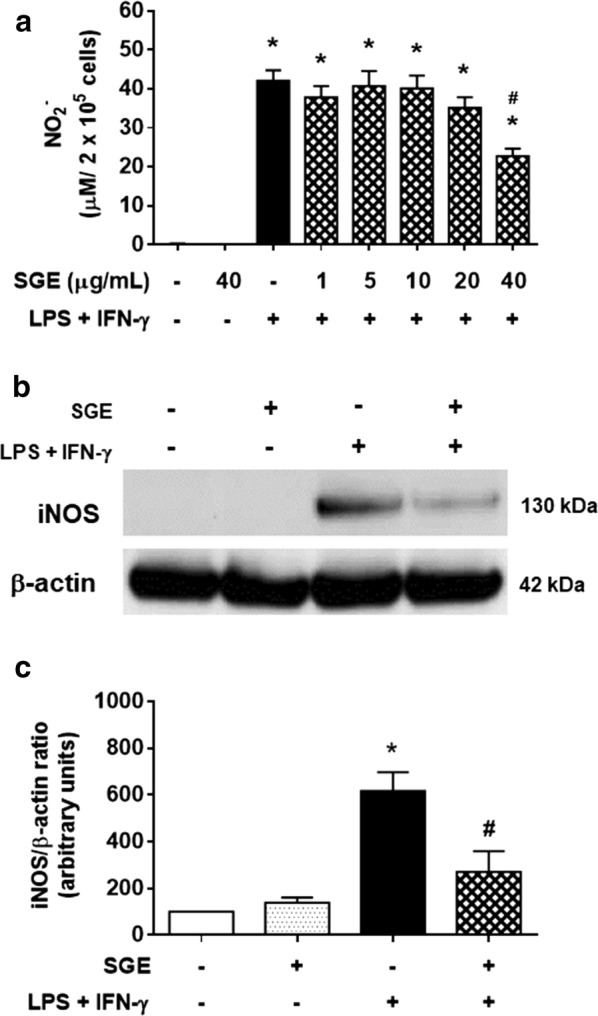
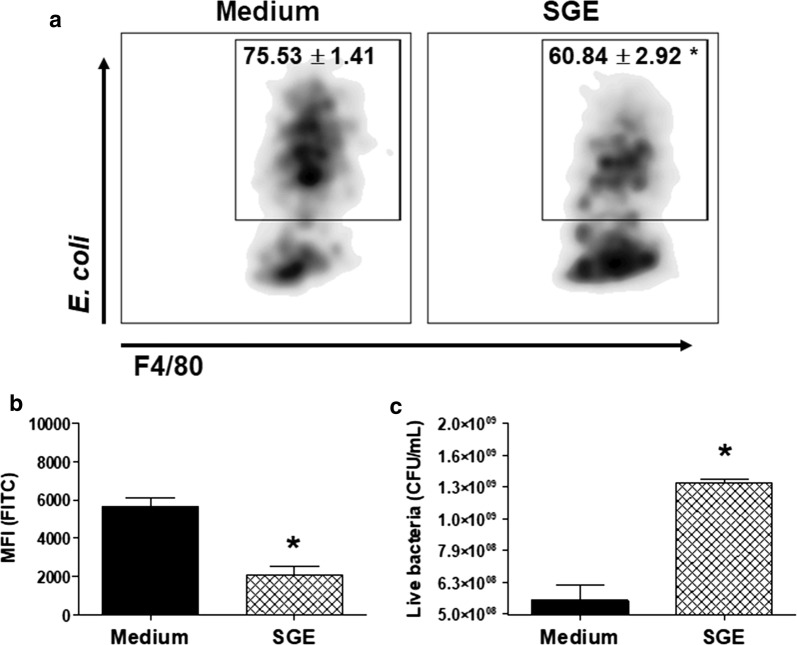
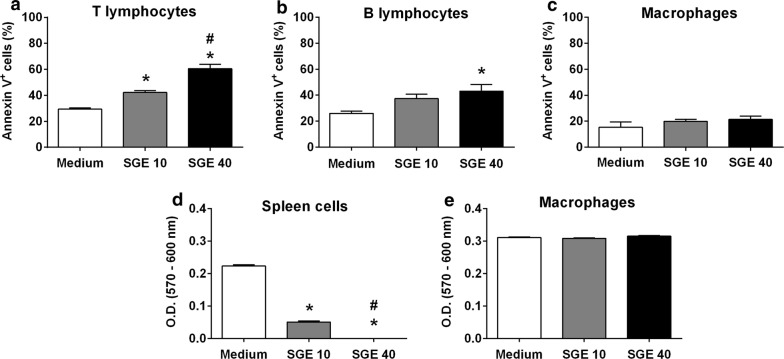
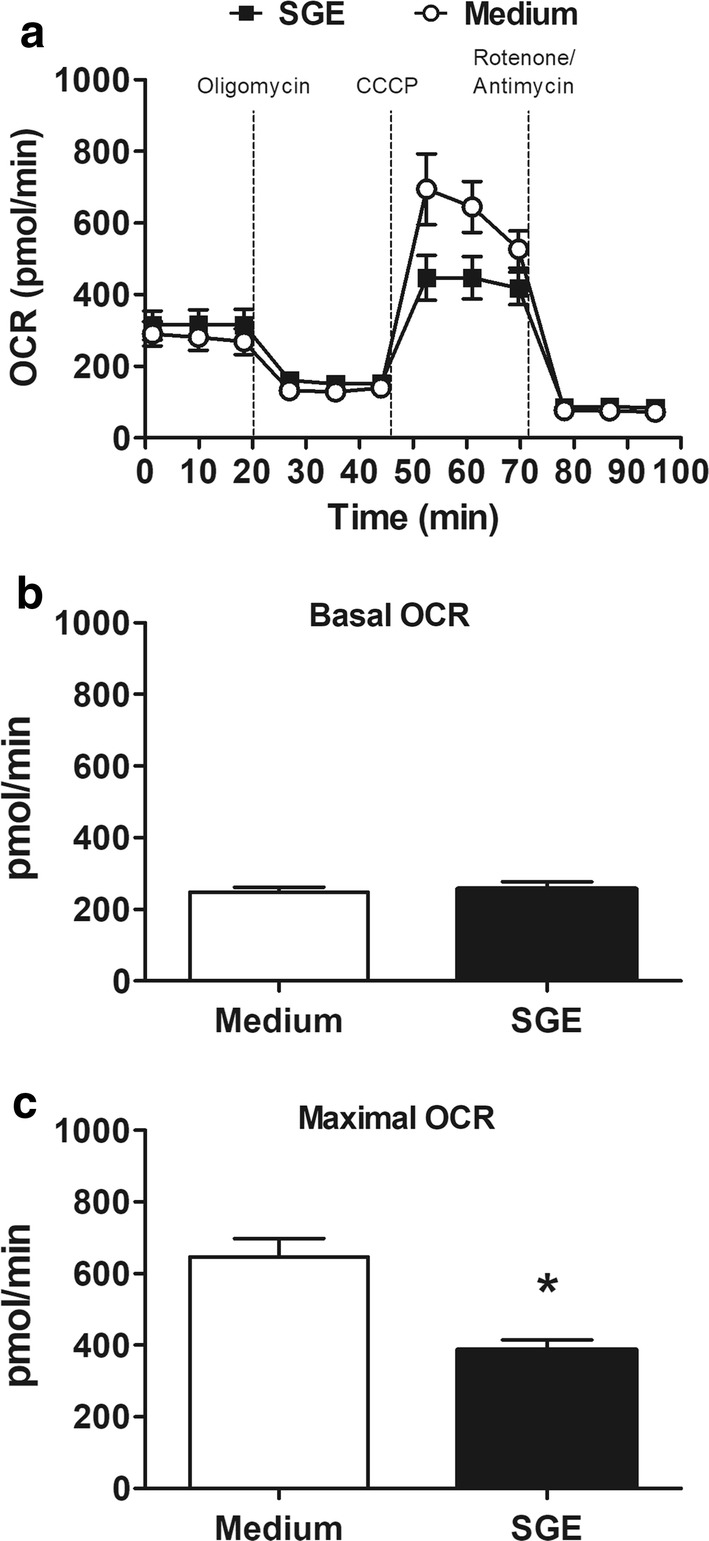
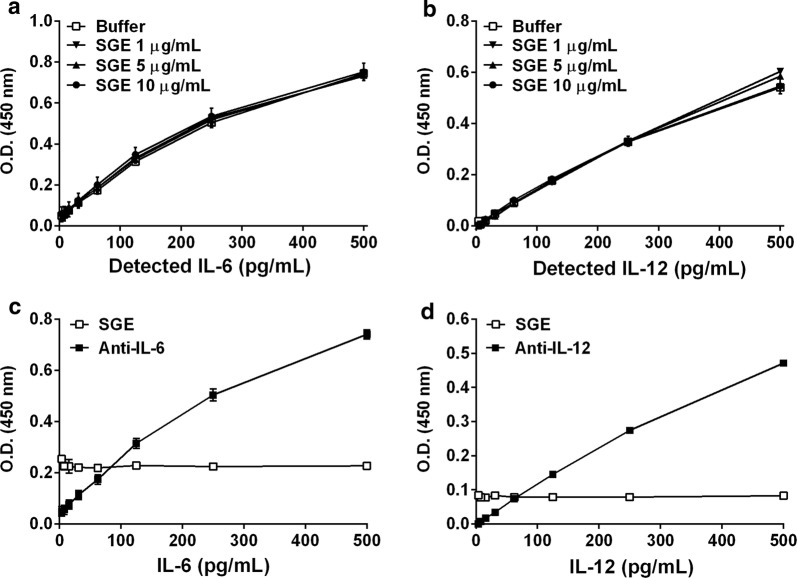
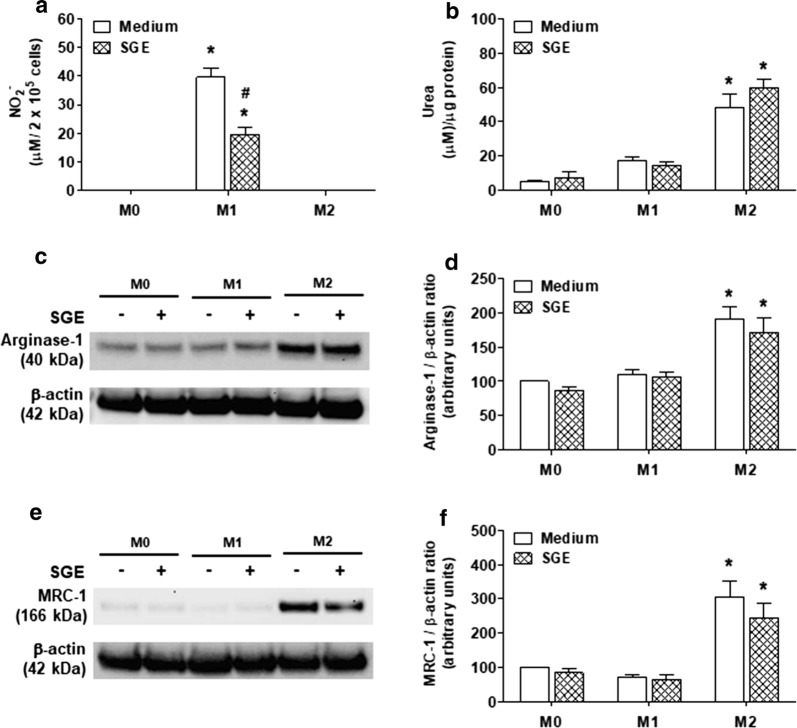
The salivary gland extract (SGE) of Ae. aegypti inhibited the production of nitric oxide and inflammatory cytokines such as interleukin-6 (IL-6) and IL-12, as well as the expression of inducible nitric oxide synthase and NF-κB by murine macrophages stimulated by lipopolysaccharide (LPS) plus interferon-γ (IFN-γ). The spare respiratory capacity, the phagocytic and microbicidal activities of these macrophages were also reduced by Ae. aegypti SGE. These phenotypic changes are consistent with SGE suppressing the proinflammatory program of M1 macrophages. On the other hand, Ae. aegypti SGE did not influence M2-associated markers (urea production, arginase-1 and mannose receptor-1 expression), either in macrophages alternatively activated by IL-4 or in those classically activated by LPS plus IFN-γ. In addition, Ae. aegypti SGE did not display any cytokine-binding activity, nor did it affect macrophage viability, thus excluding supposed experimental artifacts.
Given the importance of macrophages in a number of biological processes, our findings help to enlighten how vector saliva modulates vertebrate host immunity.
在吸血过程中,吸血蚊子的口器会刺破皮肤屏障,探测宿主组织以寻找血液。在此微环境中接种的唾液会调节宿主的止血、炎症和适应性免疫反应。然而,这些生物学活性涉及的机制仍知之甚少,并且很少有研究探索蚊子唾液对免疫系统单个细胞成分的潜在作用。在这里,我们报告了埃及伊蚊唾液鸡尾酒对小鼠腹腔巨噬细胞的免疫调节活性。
埃及伊蚊的唾液腺提取物(SGE)抑制了由脂多糖(LPS)加干扰素-γ(IFN-γ)刺激的小鼠巨噬细胞产生一氧化氮和炎症细胞因子(如白细胞介素-6(IL-6)和白细胞介素-12(IL-12)),以及诱导型一氧化氮合酶和 NF-κB 的表达。这些巨噬细胞的备用呼吸能力、吞噬和杀菌活性也被埃及伊蚊 SGE 降低。这些表型变化与 SGE 抑制 M1 巨噬细胞的促炎程序一致。另一方面,埃及伊蚊 SGE 既不影响 M2 相关标志物(尿素产生、精氨酸酶-1 和甘露糖受体-1 的表达),也不影响由 IL-4 替代激活的巨噬细胞或由 LPS 加 IFN-γ经典激活的巨噬细胞。此外,埃及伊蚊 SGE 没有显示出任何细胞因子结合活性,也不影响巨噬细胞活力,从而排除了可能的实验假象。
鉴于巨噬细胞在许多生物学过程中的重要性,我们的发现有助于阐明媒介唾液如何调节脊椎动物宿主的免疫。