Institute of Cancer and Genomic Sciences, University of Birmingham, Birmingham, UK.
South Egypt Cancer Institute, Assiut University, Assiut, Egypt.
Leukemia. 2019 Dec;33(12):2884-2897. doi: 10.1038/s41375-019-0478-9. Epub 2019 May 16.
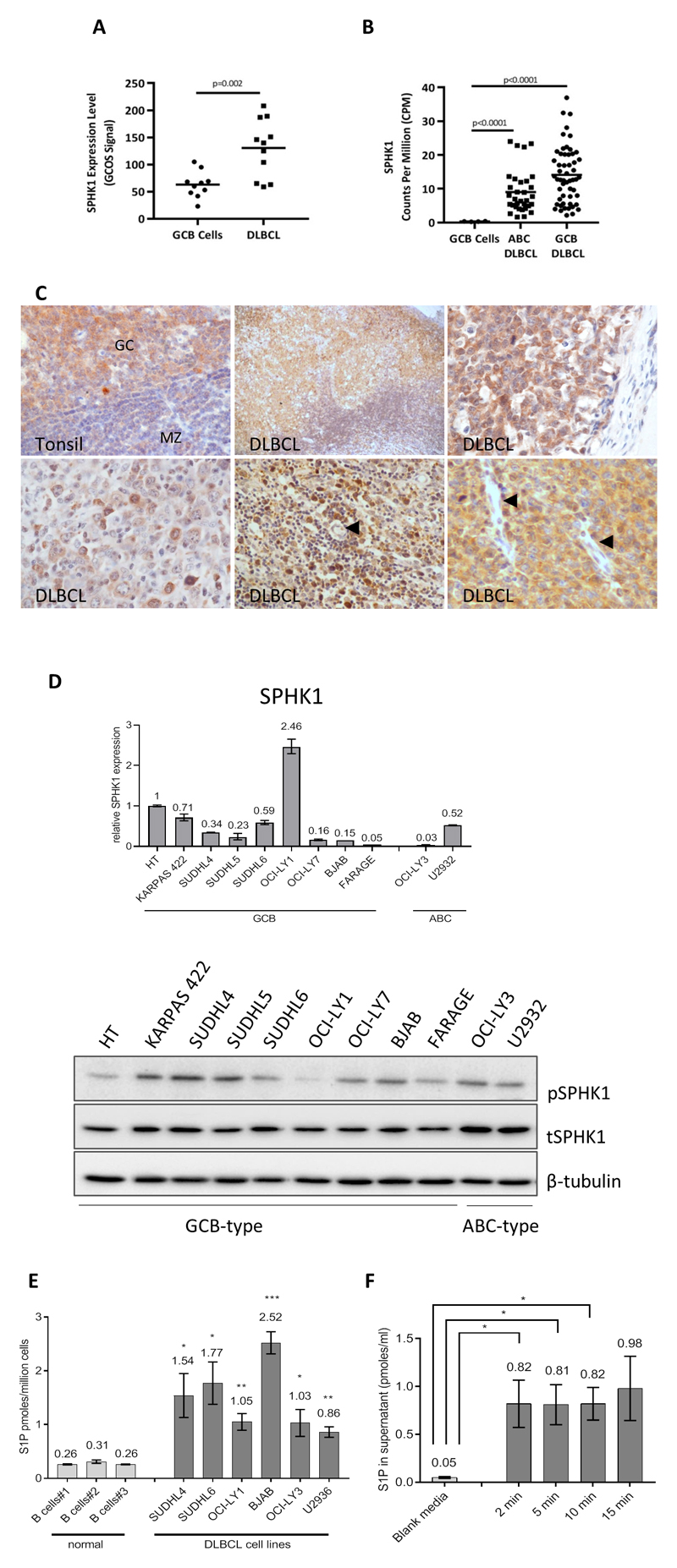
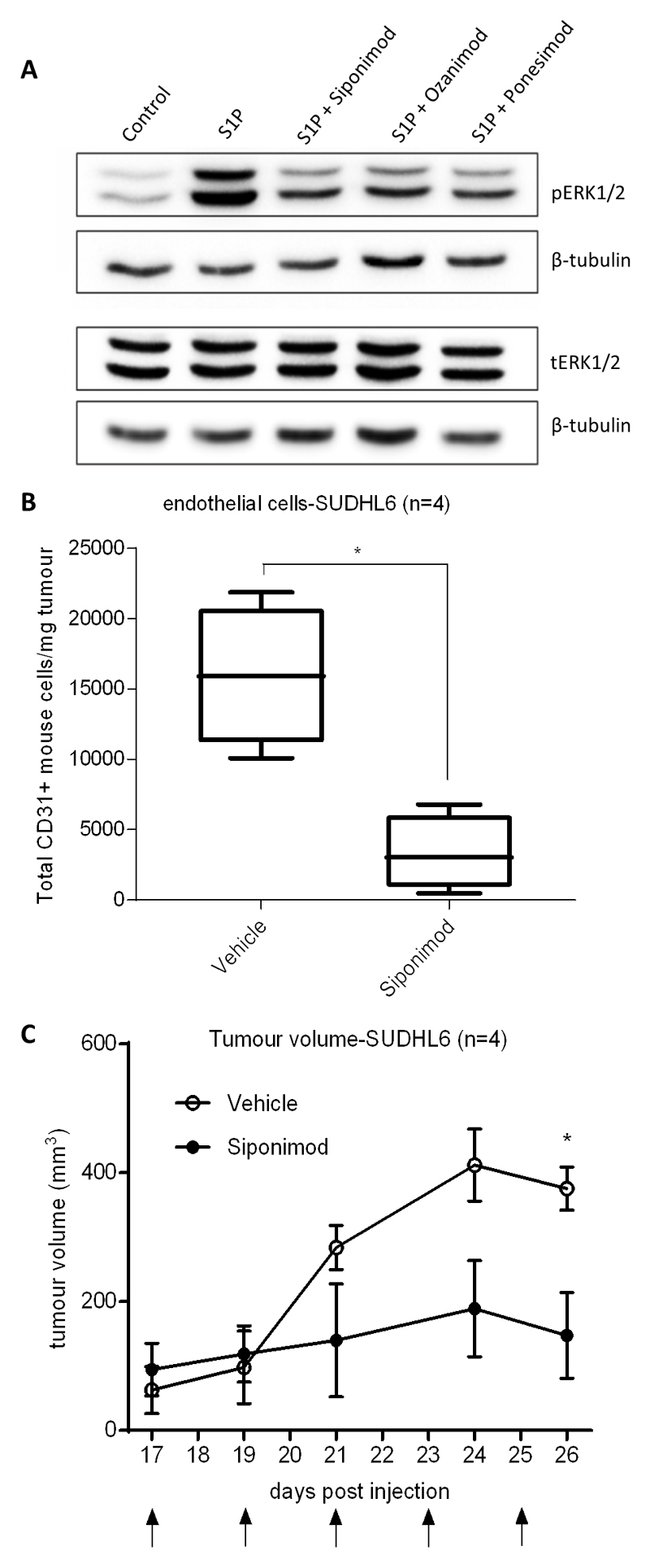
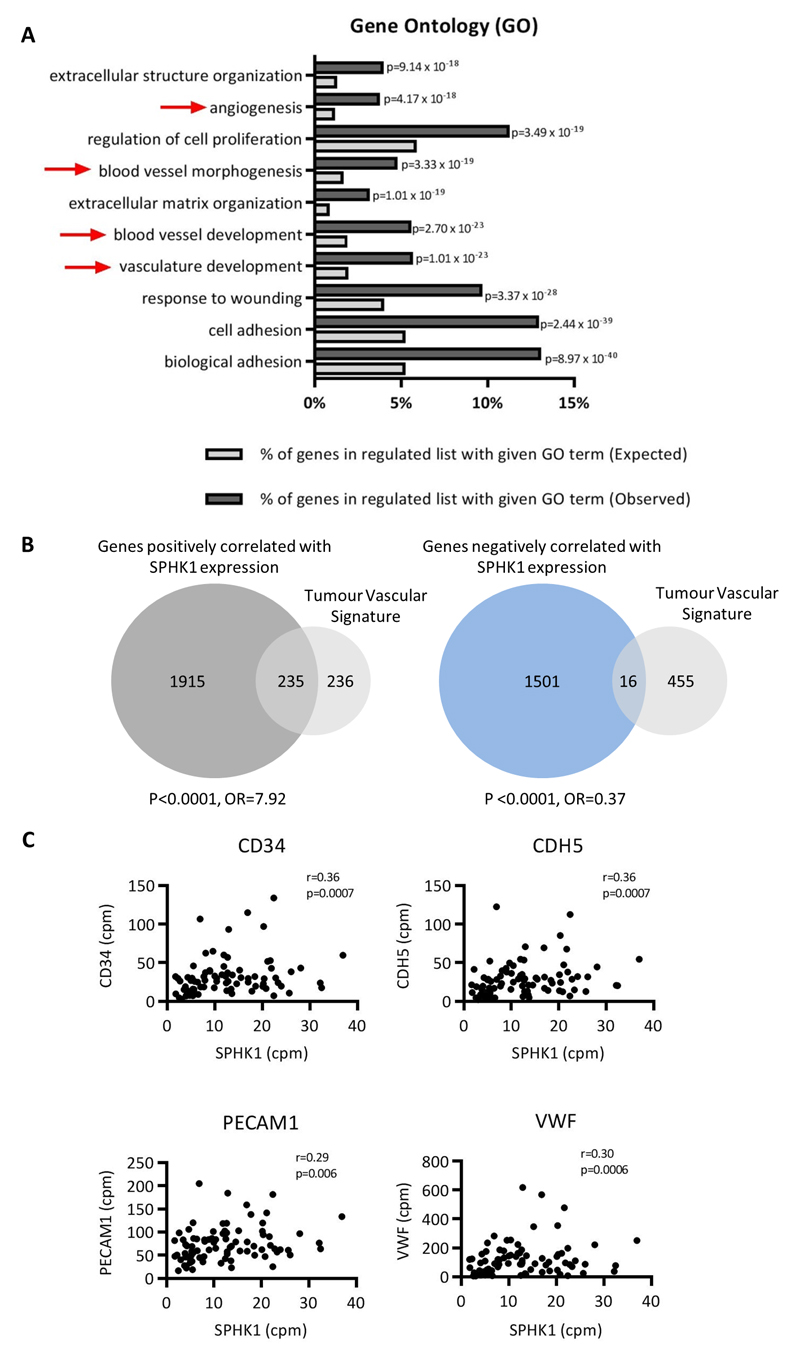
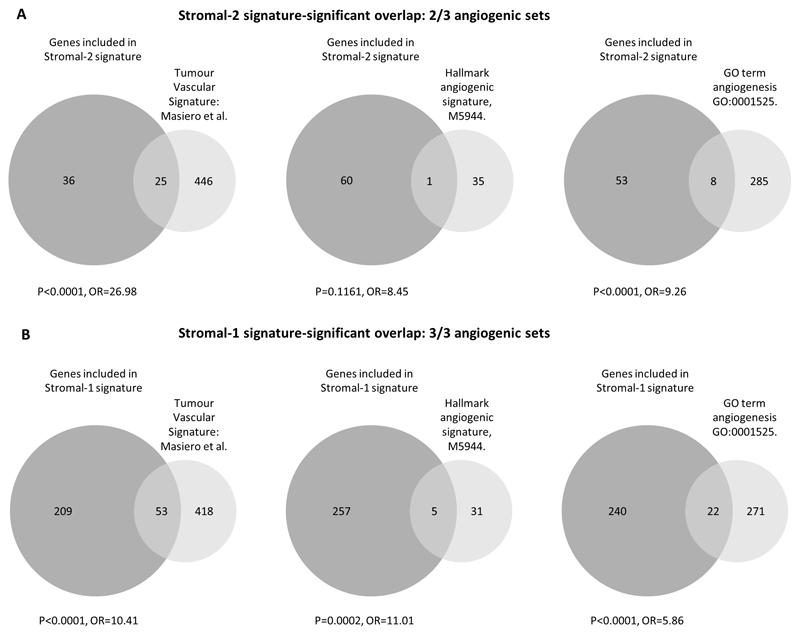
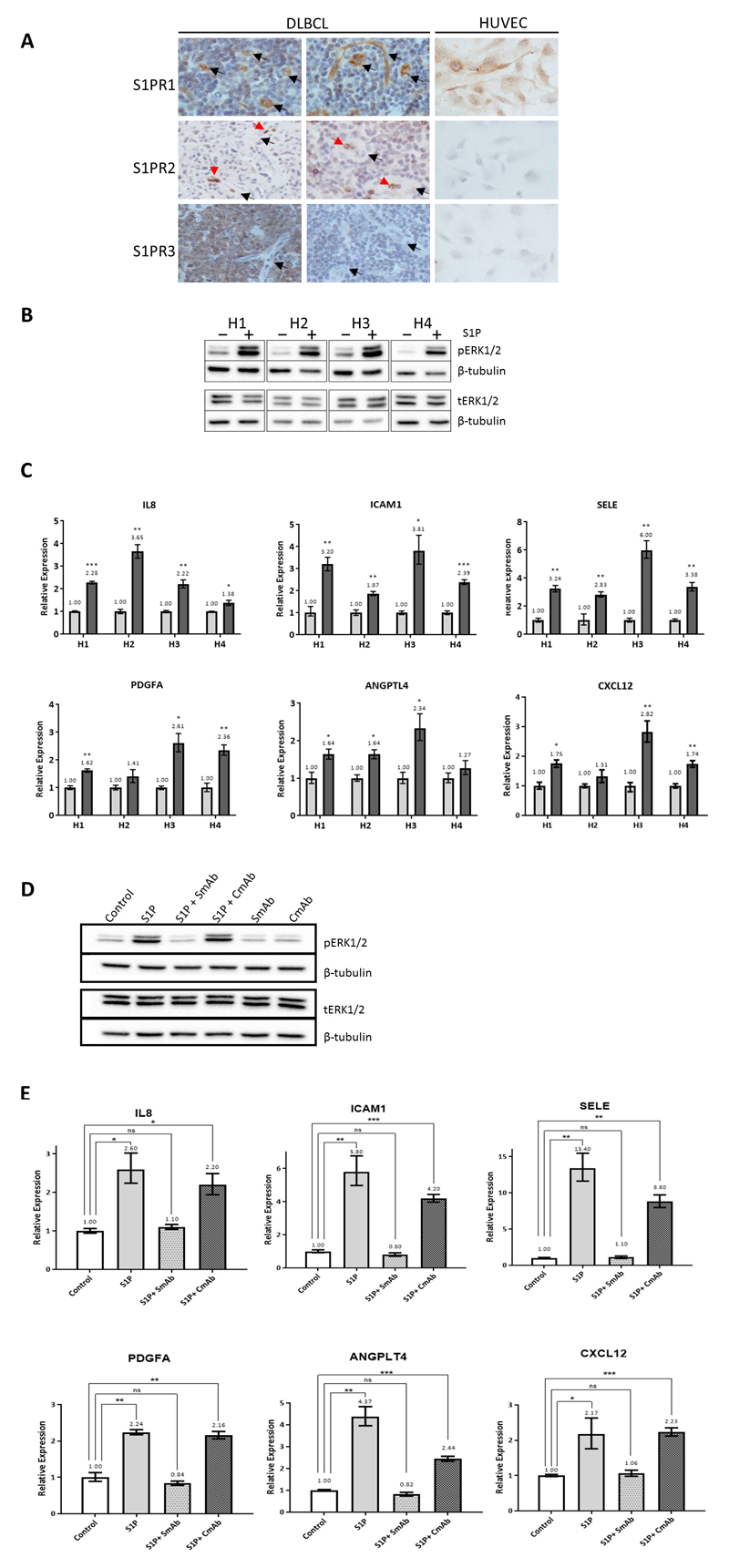
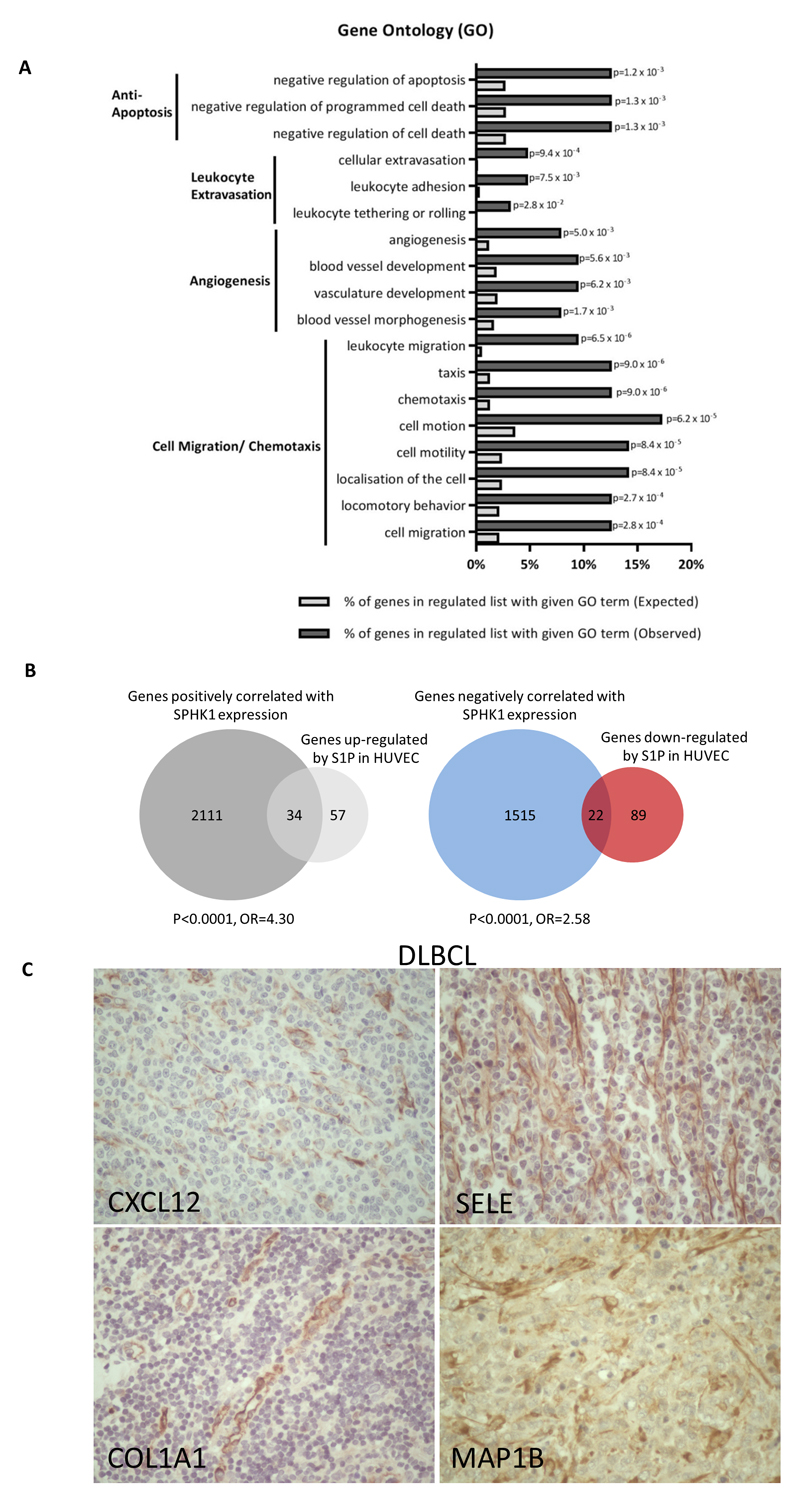
Although the over-expression of angiogenic factors is reported in diffuse large B-cell lymphoma (DLBCL), the poor response to anti-VEGF drugs observed in clinical trials suggests that angiogenesis in these tumours might be driven by VEGF-independent pathways. We show that sphingosine kinase-1 (SPHK1), which generates the potent bioactive sphingolipid sphingosine-1-phosphate (S1P), is over-expressed in DLBCL. A meta-analysis of over 2000 cases revealed that genes correlated with SPHK1 mRNA expression in DLBCL were significantly enriched for tumour angiogenesis meta-signature genes; an effect evident in both major cell of origin (COO) and stromal subtypes. Moreover, we found that S1P induces angiogenic signalling and a gene expression programme that is present within the tumour vasculature of SPHK1-expressing DLBCL. Importantly, S1PR1 functional antagonists, including Siponimod, and the S1P neutralising antibody, Sphingomab, inhibited S1P signalling in DLBCL cells in vitro. Furthermore, Siponimod, also reduced angiogenesis and tumour growth in an S1P-producing mouse model of angiogenic DLBCL. Our data define a potential role for S1P signalling in driving an angiogenic gene expression programme in the tumour vasculature of DLBCL and suggest novel opportunities to target S1P-mediated angiogenesis in patients with DLBCL.
虽然血管生成因子在弥漫性大 B 细胞淋巴瘤(DLBCL)中过度表达,但临床试验中观察到抗 VEGF 药物反应不佳表明这些肿瘤中的血管生成可能是由 VEGF 非依赖性途径驱动的。我们表明,鞘氨醇激酶-1(SPHK1)在 DLBCL 中过度表达,它生成强效生物活性鞘脂神经酰胺-1-磷酸(S1P)。对超过 2000 例病例的荟萃分析表明,与 DLBCL 中 SPHK1 mRNA 表达相关的基因在肿瘤血管生成元特征基因中显著富集;这种效应在主要细胞起源(COO)和基质亚型中都很明显。此外,我们发现 S1P 诱导血管生成信号和基因表达程序,该程序存在于表达 SPHK1 的 DLBCL 肿瘤血管中。重要的是,S1PR1 功能拮抗剂,包括 Siponimod 和 S1P 中和抗体 Sphingomab,在体外抑制了 DLBCL 细胞中的 S1P 信号。此外,Siponimod 还减少了 S1P 产生的血管生成 DLBCL 小鼠模型中的血管生成和肿瘤生长。我们的数据定义了 S1P 信号在驱动 DLBCL 肿瘤血管中血管生成基因表达程序中的潜在作用,并为靶向 DLBCL 患者的 S1P 介导的血管生成提供了新的机会。