Ducat Aurélien, Vargas Alexandra, Doridot Ludivine, Bagattin Alessia, Lerner Jonathan, Vilotte Jean-Luc, Buffat Christophe, Pontoglio Marco, Miralles Francisco, Vaiman Daniel
Institut Cochin, INSERM U1016, UMR 8104 CNRS, Faculté René Descartes, 24 rue du Faubourg St Jacques, 75014 Paris, France.
2Epigenetics and Cell Signaling, Institute for Advanced Biosciences, Inserm U1209, CNRS UMR 5309, Université Grenoble Alpes, 38000 Grenoble, France.
Cell Death Discov. 2019 May 10;5:94. doi: 10.1038/s41420-019-0170-x. eCollection 2019.
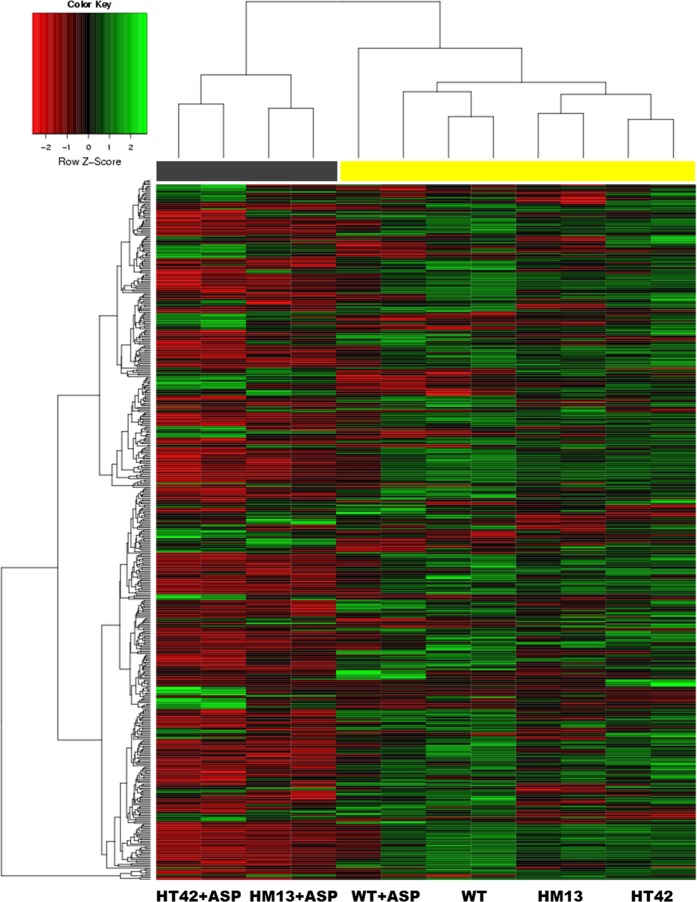
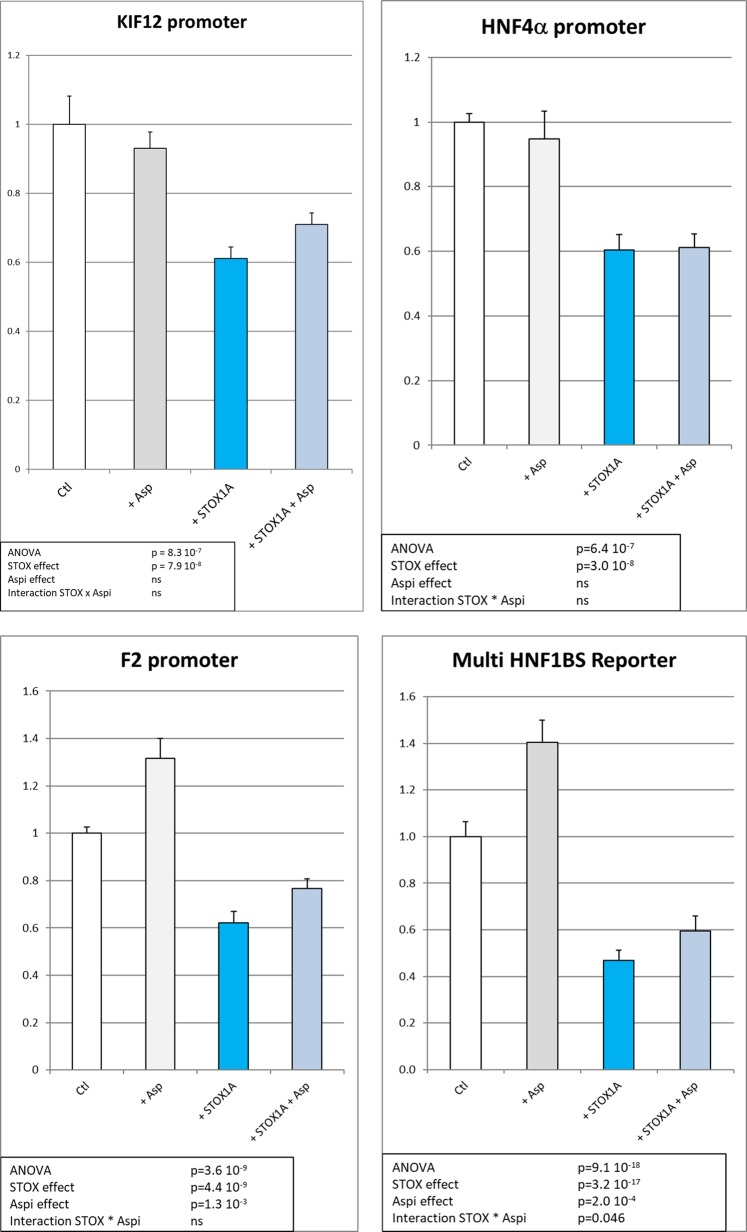
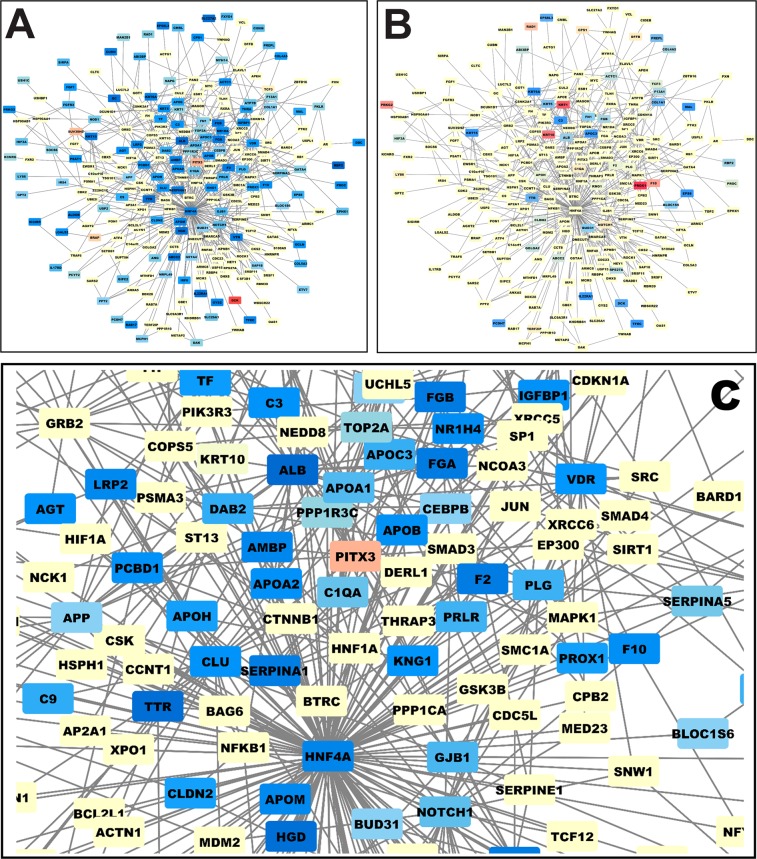
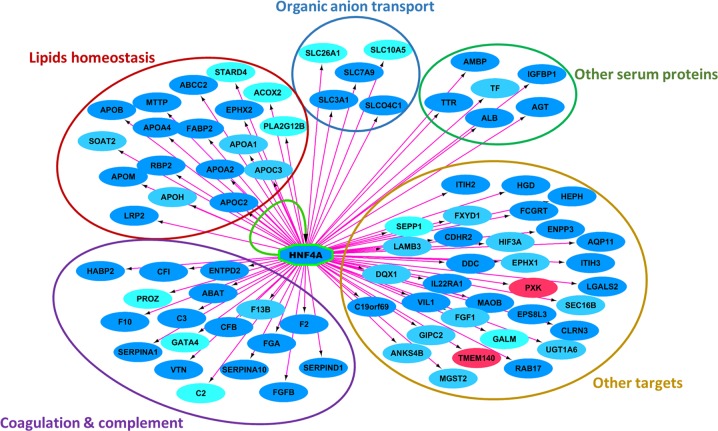
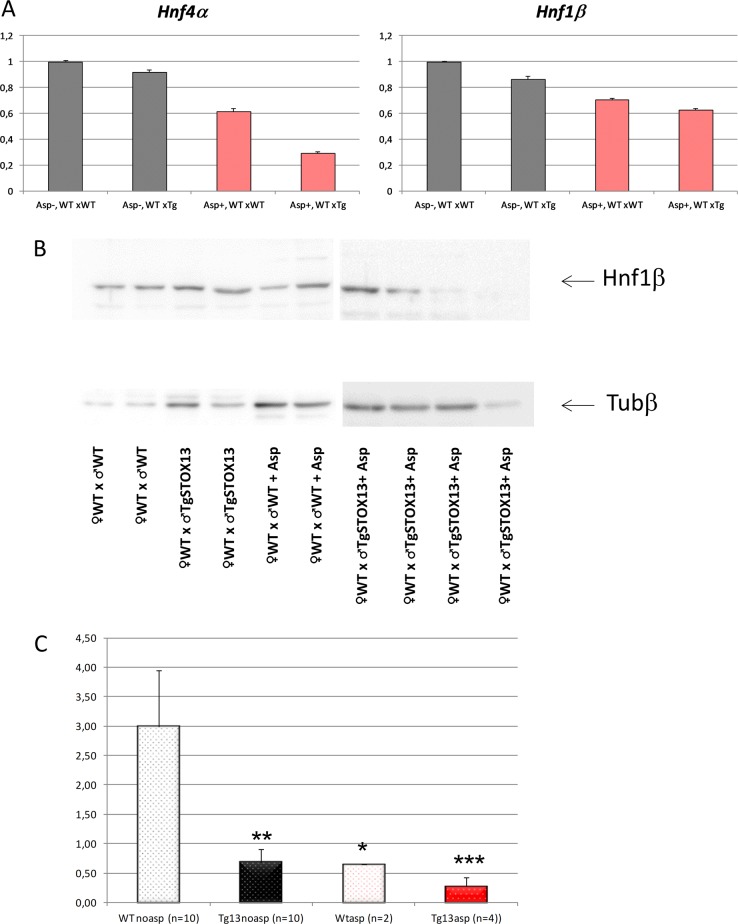
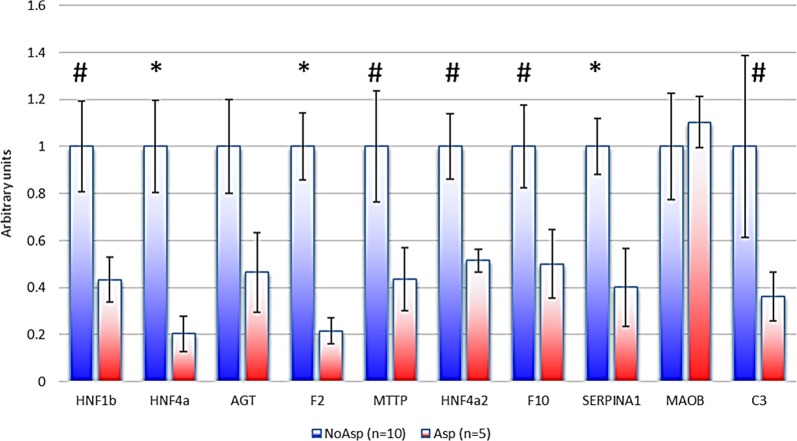
Aspirin (acetyl-salicylic acid) is one of the most ancient drugs of the human pharmacopeia. Nonetheless, its action at low doses is not well understood at the molecular level. One of the applications of low-dose aspirin treatment is the prevention of preeclampsia (PE) in patients at risk. Foeto-placental overexpression of the STOX1A transcription factor in mice triggers PE symptoms. Transcriptomic analysis of the placentas, showed that aspirin massively down-regulates genes of the coagulation and complement cascade, as well as genes involved in lipid transport. The genes modified by aspirin treatment are not the ones that are modified by STOX1 overexpression, suggesting that aspirin could act downstream, symptomatically on the preeclamptic disease. Bioinformatics analysis of the promoters of the deregulated genes showed that they are strongly enriched in HNF transcription factors-binding sites, in accordance with existing literature showing their roles as regulators of coagulation. Two of these transcription factors, and are found down-regulated by aspirin treatment. In parallel, we show that in human patient placentas, aspirin-induced deregulations of genes of the coagulation cascade are also observed. Finally, the expression of Hnf1β target sequences (, , promoters and a synthetic concatemer of the Hnf1β-binding site) were investigated by transfection in trophoblast cell models, with or without aspirin treatment and with or without STOX1A overexpression. In this model we observed that STOX1A and aspirin tended to synergize in the down-regulation of Hnf1β target genes in trophoblasts.
阿司匹林(乙酰水杨酸)是人类药典中最古老的药物之一。然而,其低剂量时的作用在分子水平上尚未得到充分理解。低剂量阿司匹林治疗的应用之一是预防有风险患者的先兆子痫(PE)。小鼠胎盘-胎儿中STOX1A转录因子的过表达会引发PE症状。对胎盘的转录组分析表明,阿司匹林会大量下调凝血和补体级联反应的基因,以及参与脂质转运的基因。经阿司匹林处理而改变的基因与因STOX1过表达而改变的基因不同,这表明阿司匹林可能在下游对先兆子痫疾病起对症作用。对失调基因启动子的生物信息学分析表明,它们在HNF转录因子结合位点中高度富集,这与现有文献表明它们作为凝血调节因子的作用一致。其中两个转录因子在阿司匹林处理后被下调。同时,我们表明在人类患者的胎盘中,也观察到阿司匹林诱导的凝血级联反应基因失调。最后,通过在滋养层细胞模型中进行转染,研究了Hnf1β靶序列(、、启动子和Hnf1β结合位点的合成串联体)的表达,转染时有无阿司匹林处理以及有无STOX1A过表达。在该模型中,我们观察到STOX1A和阿司匹林在滋养层细胞中对Hnf1β靶基因的下调方面倾向于协同作用。