Key Laboratory for Biorheological Science and Technology of Ministry of Education, State and Local Joint Engineering Laboratory for Vascular Implants, Bioengineering College of Chongqing University, Chongqing, China.
Institute of Combined Injury, State Key Laboratory of Trauma, Burn and Combined Injury, Third Military Medical University, Chongqing, China.
J Transl Med. 2019 May 17;17(1):161. doi: 10.1186/s12967-019-1910-7.
The roles played by cholesterol in cancer development and progression represent a popular field in the cancer community. High cholesterol levels are positively correlated with the risk of various types of cancer. APOA-I binding protein (AIBP) promotes the reverse cholesterol transport pathway (RCT) in cooperation with Apolipoprotein A-I (APOA-I) or high-density lipoprotein cholesterol. However, the combined effect of AIBP and APOA-I on intestinal tumor cells is still unclear.
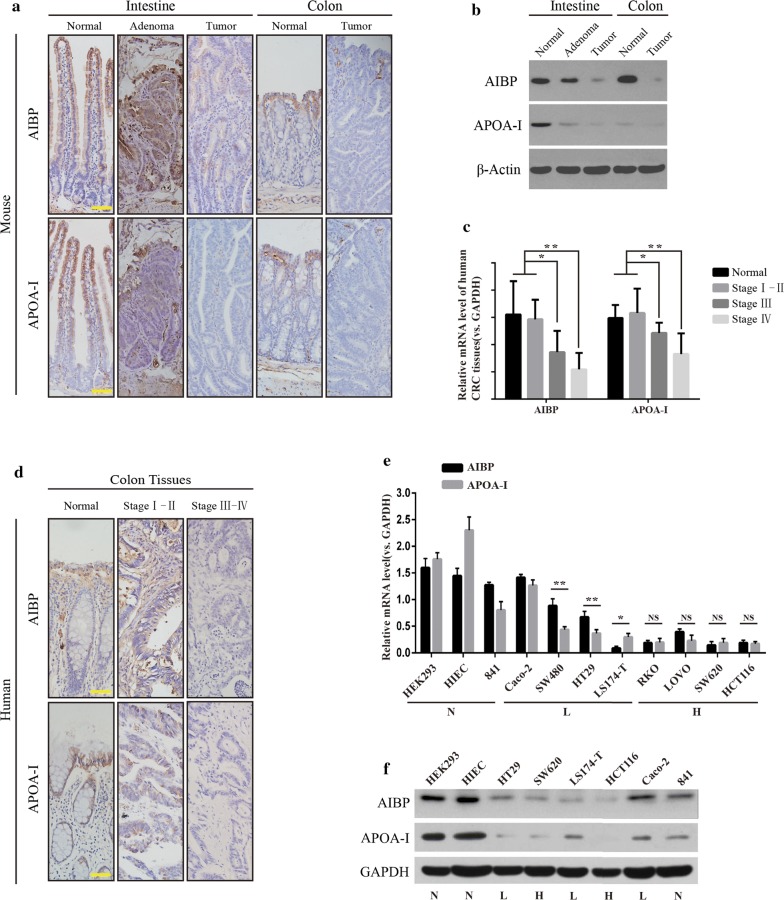
Immunohistochemistry, western blot and qPCR were performed to investigate the expression of AIBP and APOA-I in intestinal tumor tissues and cell lines. The anti-tumor activity of AIBP and APOA-I was evaluated by overexpression or recombinant protein treatment. Cholesterol efflux and localization of lipid raft-related proteins were analyzed by a cholesterol efflux assay and lipid raft fraction assay, respectively.
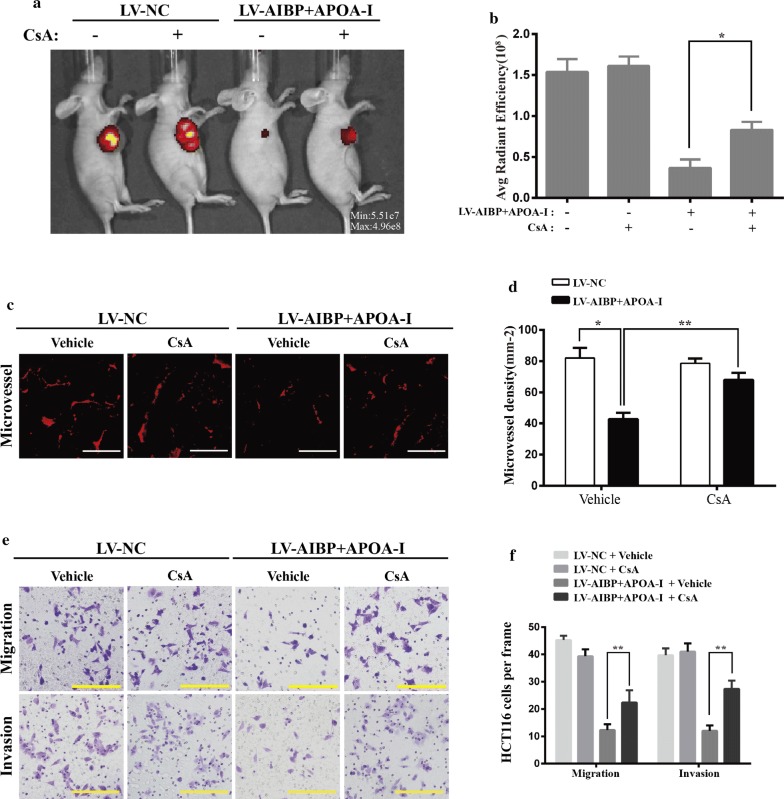
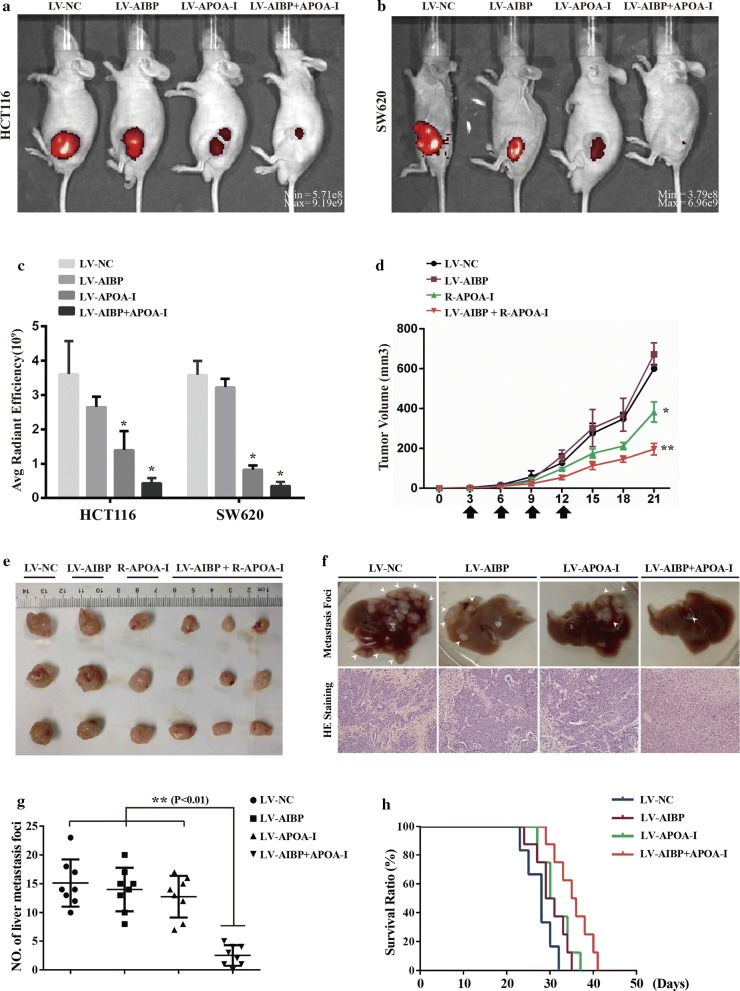
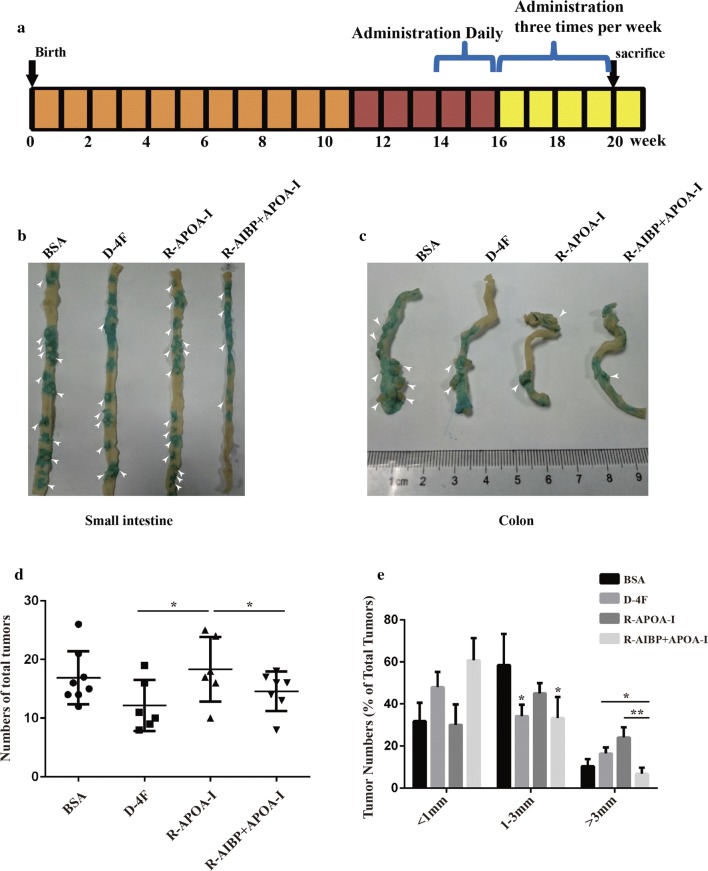
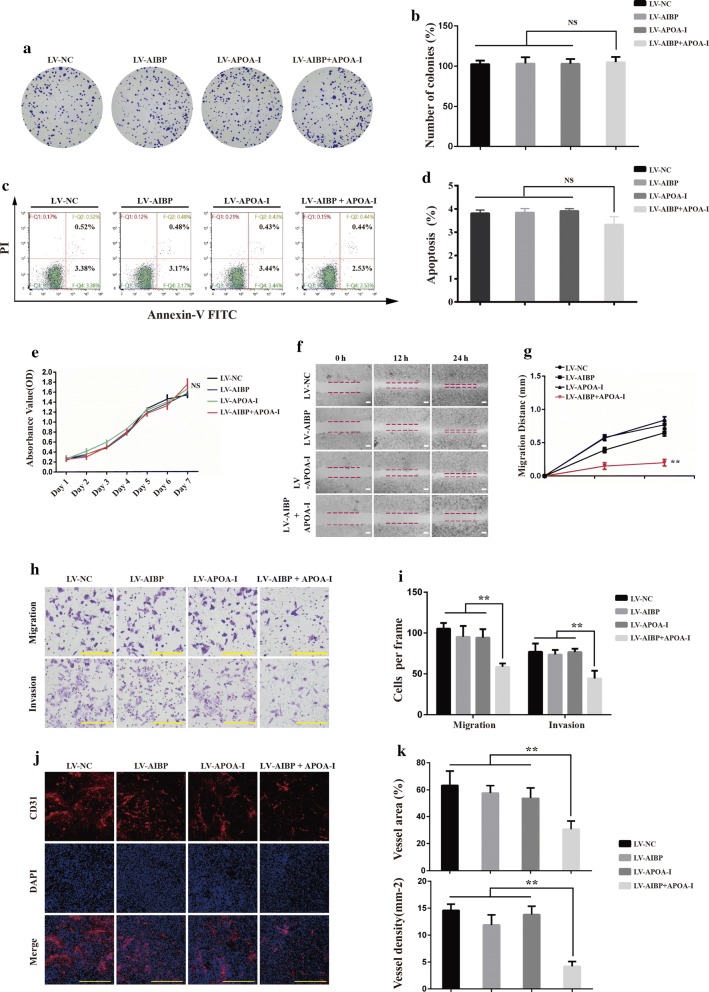
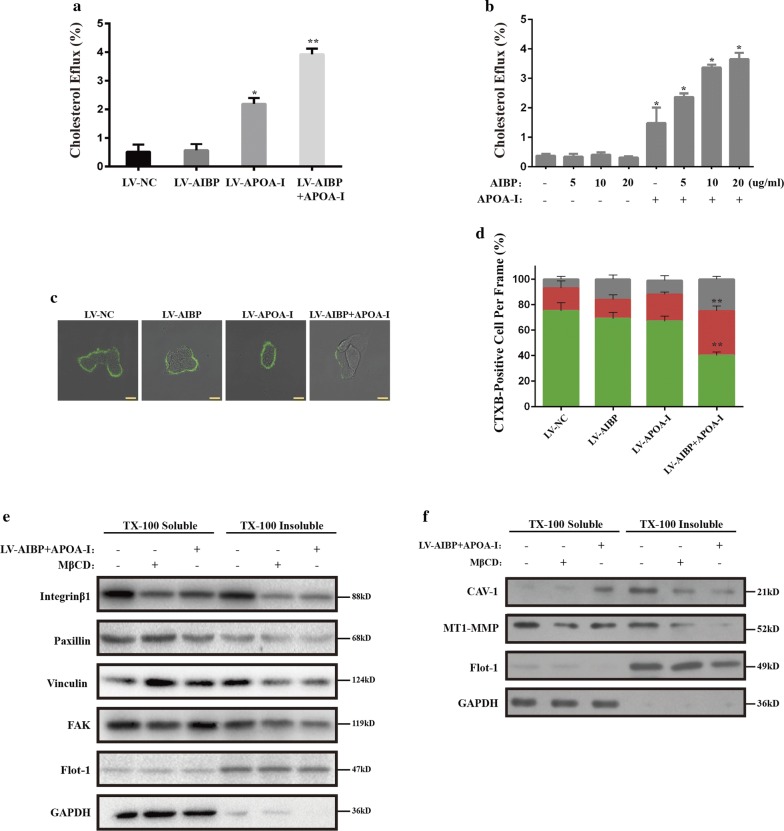
Here, we reported that both AIBP expression and APOA-I expression were associated with the degree of malignancy in intestinal tumors. Co-overexpression of AIBP and APOA-I more potently inhibited colon cancer cell-mediated tumor growth and metastasis compared to overexpression of each protein individually. Additionally, the recombinant fusion proteins of AIBP and APOA-I exhibited a significant therapeutic effect on tumor growth in Apc mice as an inherited intestinal tumor model. The synergistic effect of the two proteins inhibited colon cancer cell migration, invasion and tumor-induced angiogenesis by promoting cholesterol efflux, reducing the membrane raft content, and eventually disrupting the proper localization of migration- and invasion-related proteins on the membrane raft. Moreover, cyclosporine A, a cholesterol efflux inhibitor, rescued the inhibitory effect induced by the combination of AIBP and APOA-I.
These results indicate that the combination of APOA-I and AIBP has an obvious anticancer effect on colorectal cancer by promoting cholesterol efflux.
胆固醇在癌症发生和发展中的作用是癌症领域的一个热门研究方向。胆固醇水平升高与多种癌症的风险呈正相关。载脂蛋白 A-I 结合蛋白(AIBP)与载脂蛋白 A-I(APOA-I)或高密度脂蛋白胆固醇协同促进胆固醇逆转运途径(RCT)。然而,AIBP 和 APOA-I 对肠道肿瘤细胞的联合作用尚不清楚。
采用免疫组化、western blot 和 qPCR 检测肠道肿瘤组织和细胞系中 AIBP 和 APOA-I 的表达。通过过表达或重组蛋白处理评估 AIBP 和 APOA-I 的抗肿瘤活性。通过胆固醇外排测定和脂质筏分馏测定分别分析胆固醇外排和脂质筏相关蛋白的定位。
我们报道了 AIBP 表达和 APOA-I 表达均与肠道肿瘤的恶性程度相关。与单独过表达每种蛋白相比,AIBP 和 APOA-I 的共过表达更能抑制结肠癌细胞介导的肿瘤生长和转移。此外,AIBP 和 APOA-I 的重组融合蛋白在 Apc 小鼠(一种遗传性肠道肿瘤模型)中对肿瘤生长具有显著的治疗作用。这两种蛋白质的协同作用通过促进胆固醇外排、降低膜筏含量,最终破坏迁移和侵袭相关蛋白在膜筏上的正确定位,抑制结肠癌细胞迁移、侵袭和肿瘤诱导的血管生成,从而抑制肿瘤生长。此外,胆固醇外排抑制剂环孢菌素 A 挽救了 AIBP 和 APOA-I 联合作用引起的抑制作用。
这些结果表明,APOA-I 和 AIBP 的联合作用通过促进胆固醇外排对结直肠癌具有明显的抗癌作用。