Department of Gastrointestinal Surgery, General Surgery, Qilu Hospital, Cheeloo College of Medicine, Shandong University, Jinan 250012, China.
The Key Laboratory of Cardiovascular Remodeling and Function Research, Chinese Ministry of Education, Chinese Ministry of Health and Chinese Academy of Medical Sciences, Department of Cardiology, Qilu Hospital, Cheeloo College of Medicine, Shandong University, Jinan 250012, China.
Aging (Albany NY). 2022 May 4;14(9):3887-3909. doi: 10.18632/aging.204051.
This study aimed to investigate the relationship of dyslipidemia and interleukin-enhancer binding factor 3 (ILF3) in gastric cancer, and provide insights into the potential application of statins as an agent to prevent and treat gastric cancer.
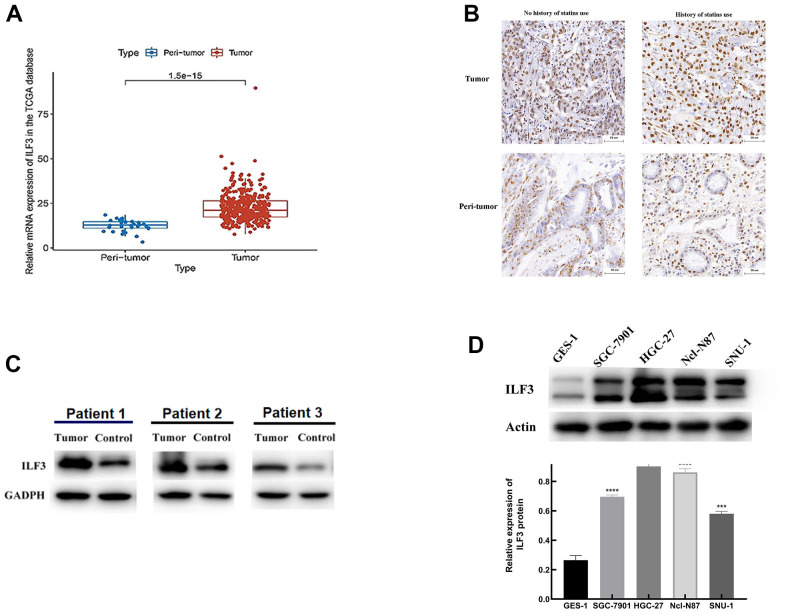
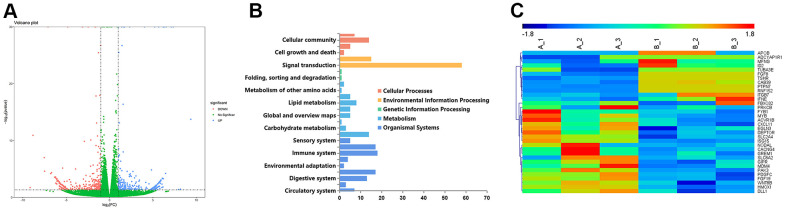
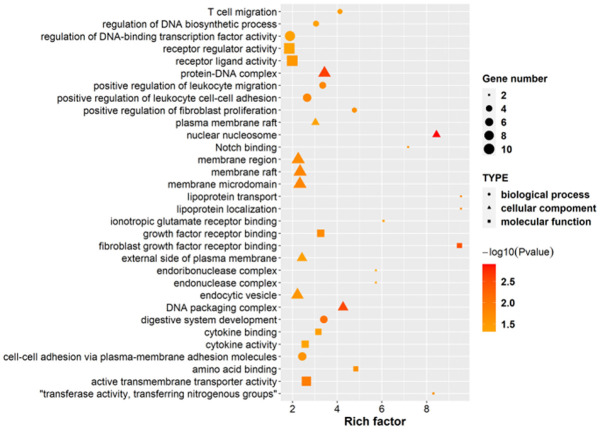
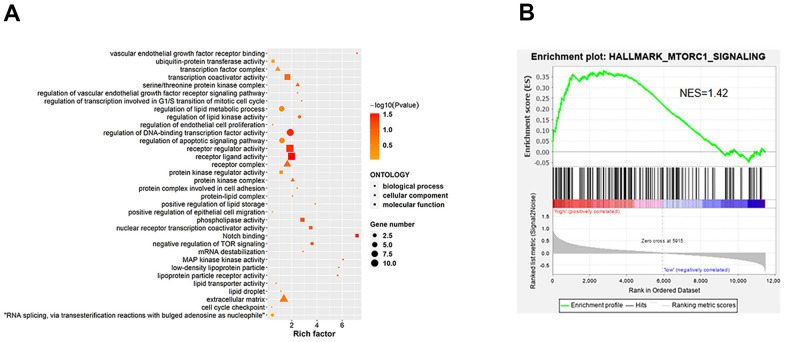
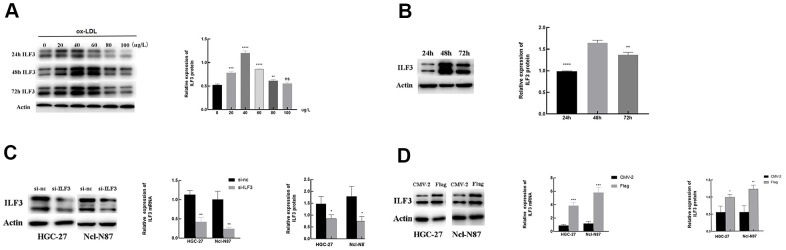
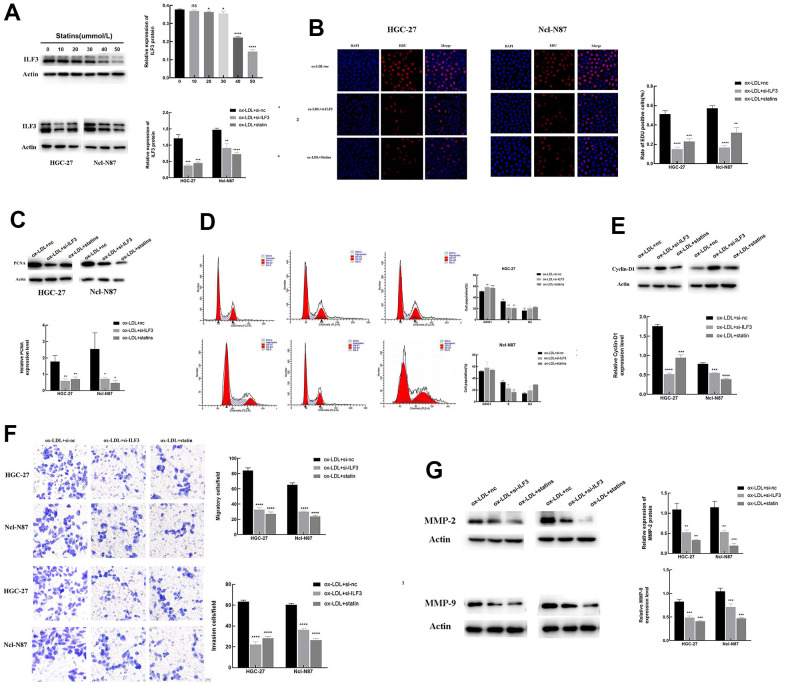
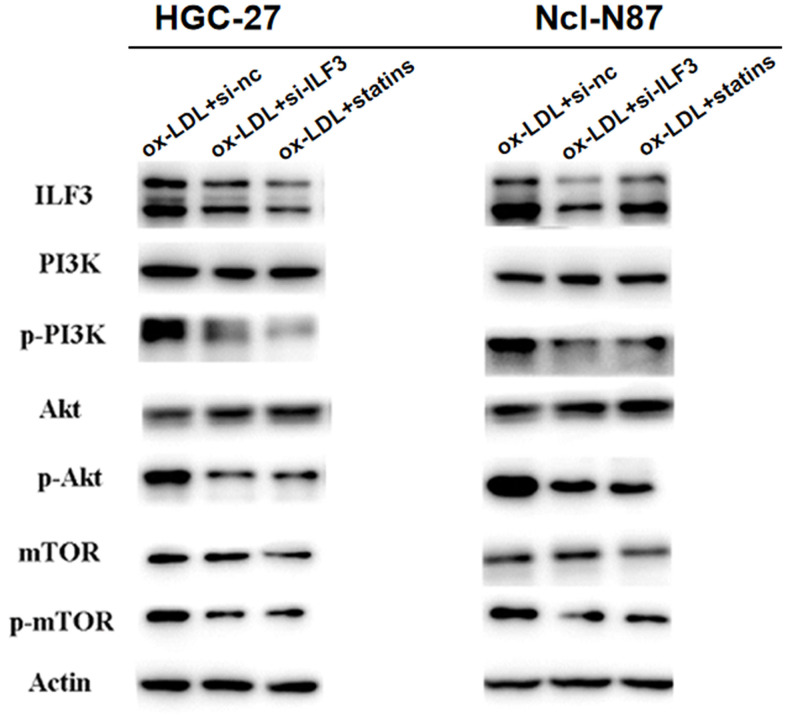
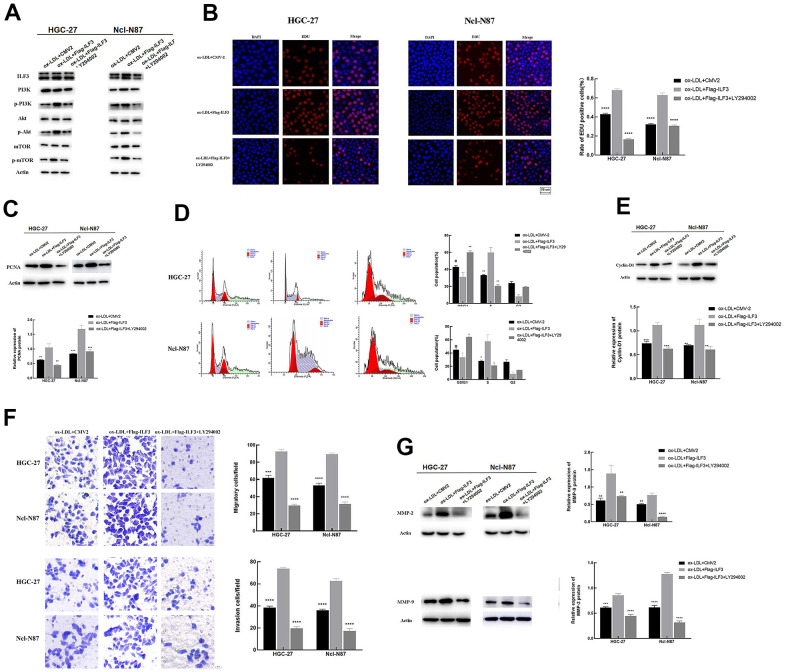
The expression levels of ILF3 in gastric cancer were examined with publicly available datasets such as TCGA, and western blotting and immunohistochemistry were performed to determine the expression of ILF3 in clinical specimens. The effects of ox-LDL on expression of ILF3 were further verified with western blot analyses. RNA sequencing, Kyoto Encyclopedia of Genes and Genomes (KEGG), Gene Ontology (GO), and Gene Set Enrichment Analysis (GSEA) pathway analyses were performed to reveal the potential downstream signaling pathway targets of ILF3. The effects of statins and ILF3 on PI3K/AKT/mTOR signaling pathway, cell proliferation, cell cycle, migration and invasion of gastric cancer cells were investigated with Edu assay, flow cytometry and transwell assay.
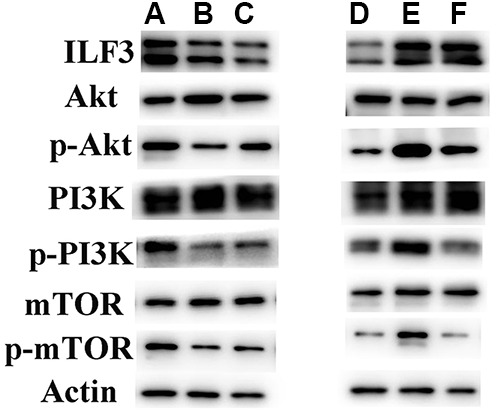
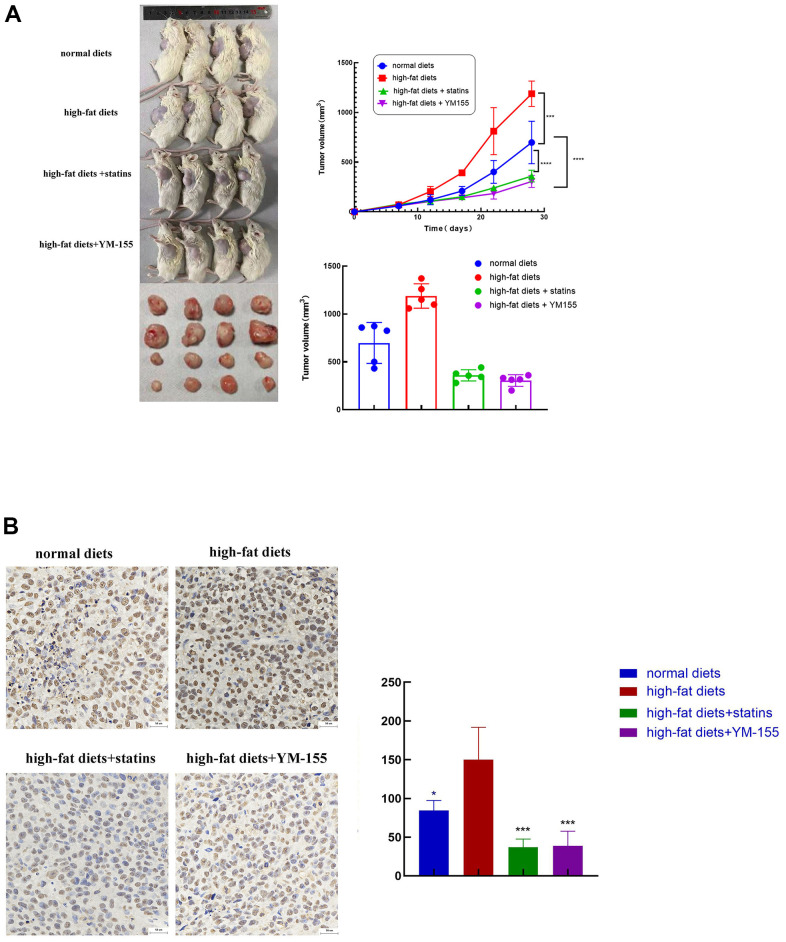
Immunohistochemistry and western blot demonstrated that the positive expression rates of ILF3 in gastric cancer tissues were higher than adjacent mucosa tissues. The ox-LDL promoted the expression of ILF3 in a time-concentration-dependent manner. ILF3 promoted the proliferation, cell cycle, migration and invasion by activating the PI3K/AKT/mTOR signaling pathway. Statins inhibited the proliferation, cell cycle, migration and invasion of gastric cancer by inhibiting the expression of ILF3.
These findings demonstrate that ox-LDL promotes ILF3 overexpression to regulate gastric cancer progression by activating the PI3K/AKT/mTOR signaling pathway. Statins inhibits the expression of ILF3, which might be a new targeted therapy for gastric cancer.
本研究旨在探讨血脂异常与胃癌中白细胞介素增强因子 3(ILF3)的关系,为他汀类药物作为预防和治疗胃癌的药物提供依据。
利用 TCGA 等公共数据库检测胃癌中 ILF3 的表达水平,采用 Western blot 和免疫组织化学法检测临床标本中 ILF3 的表达。通过 Western blot 分析进一步验证 ox-LDL 对 ILF3 表达的影响。进行 RNA 测序、京都基因与基因组百科全书(KEGG)、基因本体论(GO)和基因集富集分析(GSEA)通路分析,揭示 ILF3 的潜在下游信号通路靶标。通过 Edu 检测、流式细胞术和 Transwell 检测研究他汀类药物和 ILF3 对胃癌细胞 PI3K/AKT/mTOR 信号通路、细胞增殖、细胞周期、迁移和侵袭的影响。
免疫组织化学和 Western blot 结果表明,胃癌组织中 ILF3 的阳性表达率高于相邻黏膜组织。ox-LDL 以时间和浓度依赖的方式促进 ILF3 的表达。ILF3 通过激活 PI3K/AKT/mTOR 信号通路促进胃癌细胞的增殖、细胞周期、迁移和侵袭。他汀类药物通过抑制 ILF3 的表达抑制胃癌细胞的增殖、细胞周期、迁移和侵袭。
这些发现表明,ox-LDL 通过激活 PI3K/AKT/mTOR 信号通路促进 ILF3 过表达来调节胃癌的进展。他汀类药物抑制 ILF3 的表达,可能为胃癌的一种新的靶向治疗方法。