Department of Medical Oncology, Jiangsu Cancer Hospital&Jiangsu Institute of Cancer Research&The Affiliated Cancer Hospital of Nanjing Medical University, Nanjing, China; Department of Medical Oncology, the First Affiliated Hospital of Soochow University, Suzhou, China; Department of Medical Oncology, Nanjing General Hospital of Nanjing Military Command, School of Medicine, Nanjing University, Nanjing, China.
Department of Medical Oncology, Nanjing General Hospital of Nanjing Military Command, School of Medicine, Nanjing University, Nanjing, China.
EBioMedicine. 2019 Jun;44:150-161. doi: 10.1016/j.ebiom.2019.05.046. Epub 2019 May 27.
Chemoresistance is a major obstacle for the effective treatment of lung adenocarcinoma (LAD). Forkhead box (FOX) proteins have been demonstrated to play critical roles in promoting epithelial-mesenchymal transition (EMT) and chemoresistance. However, whether FOX proteins contribute to the acquisition of EMT and chemoresistance in LAD remains largely unknown.
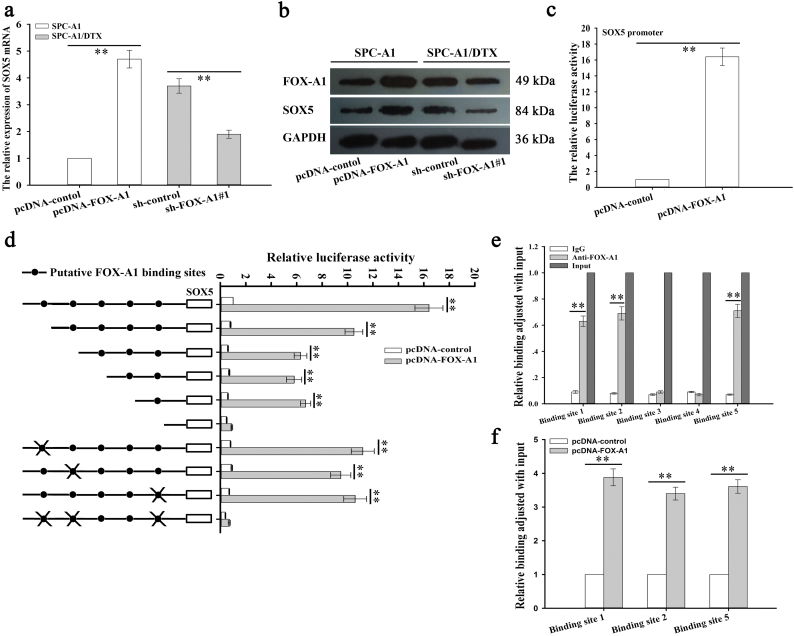
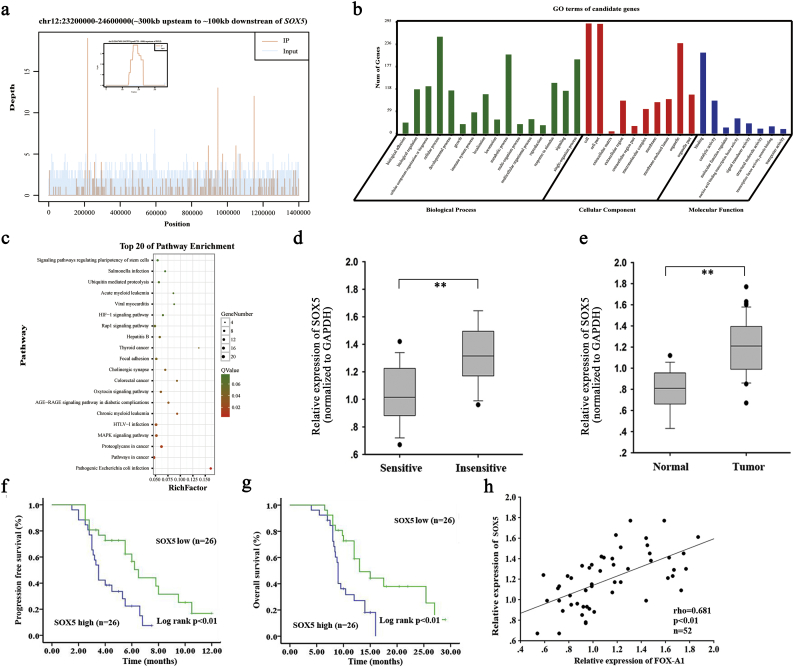
FOX-A1 expression was measured in LAD cells and tissues by qRT-PCR. The expression levels of EMT markers were detected by western blotting and immunofluorescence assay. The interaction between Sex determining region Y-box protein 5 (SOX5) and FOX-A1 was validated by chromatin immunoprecipitation sequence (ChIP-seq) and Chromatin immunoprecipitation (ChIP) assay. Kaplan-Meier analysis and multivariate Cox regression analysis were performed to analyze the significance of FOX-A1 and SOX5 expression in the prognosis of LAD patients.
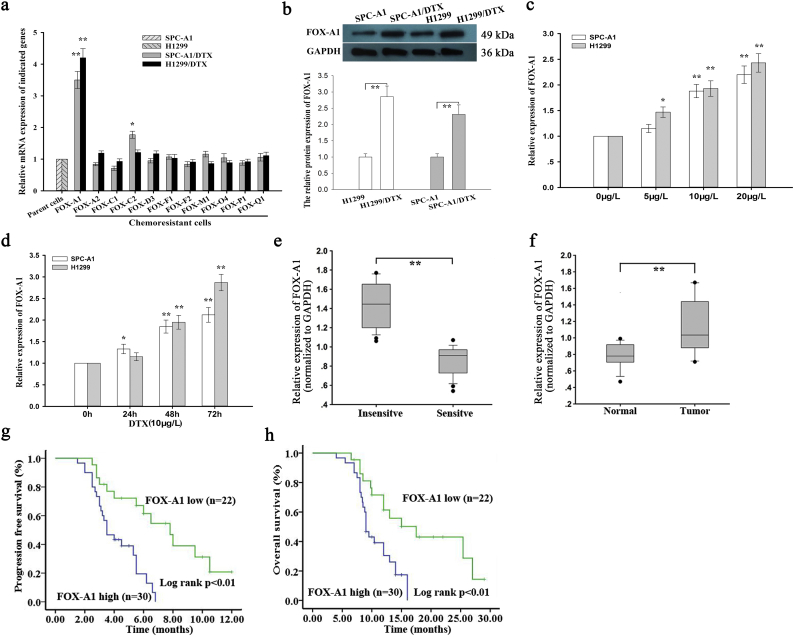
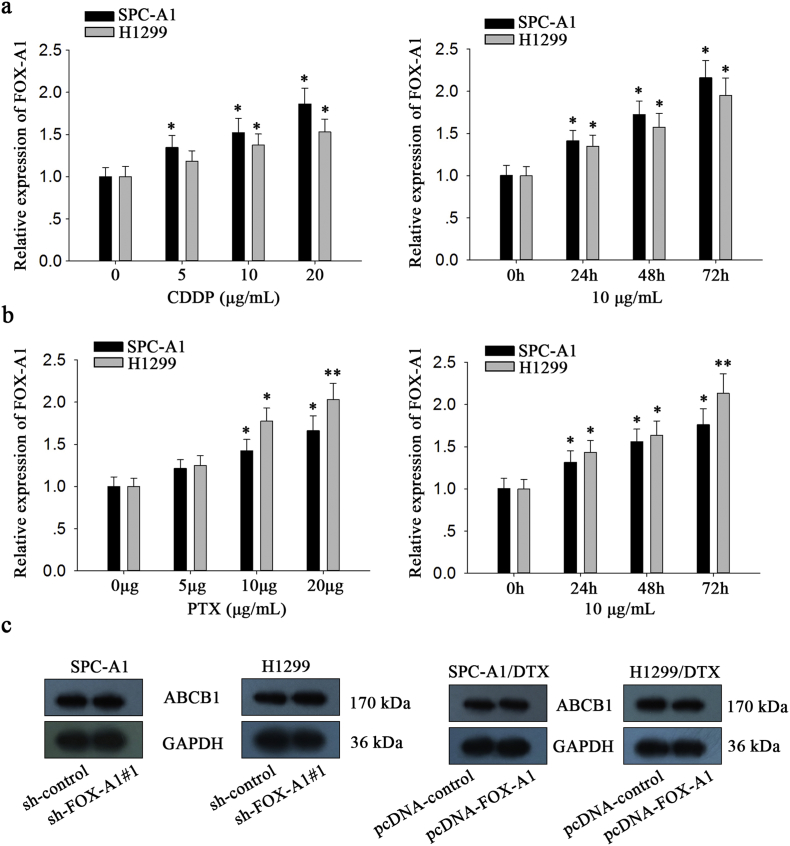
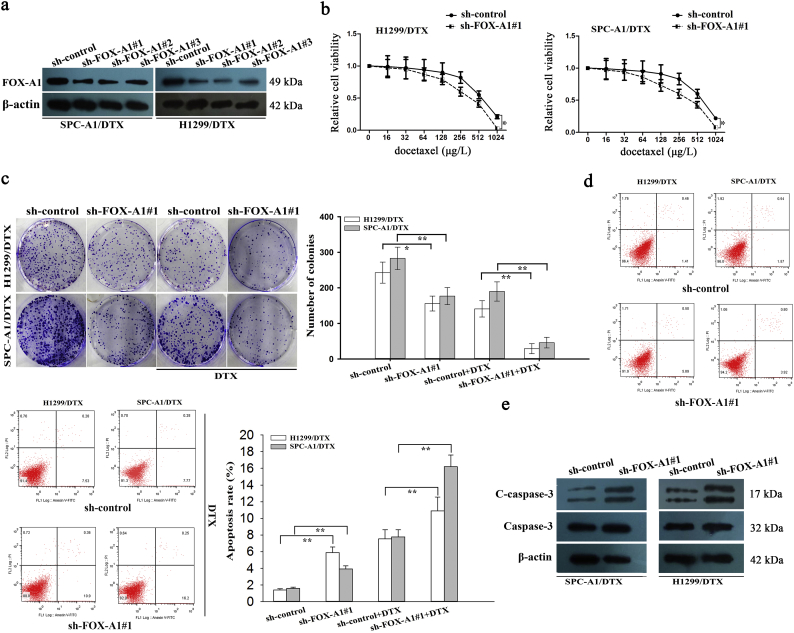
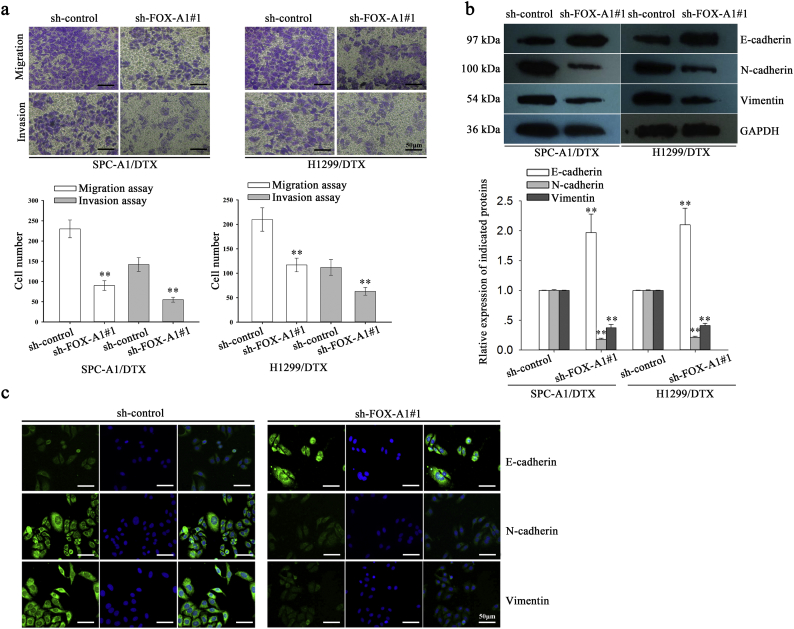
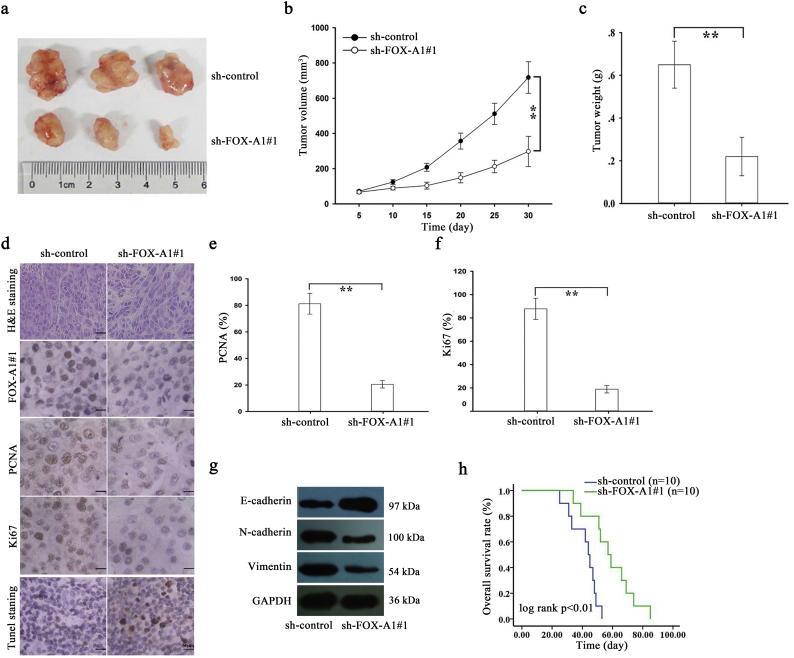
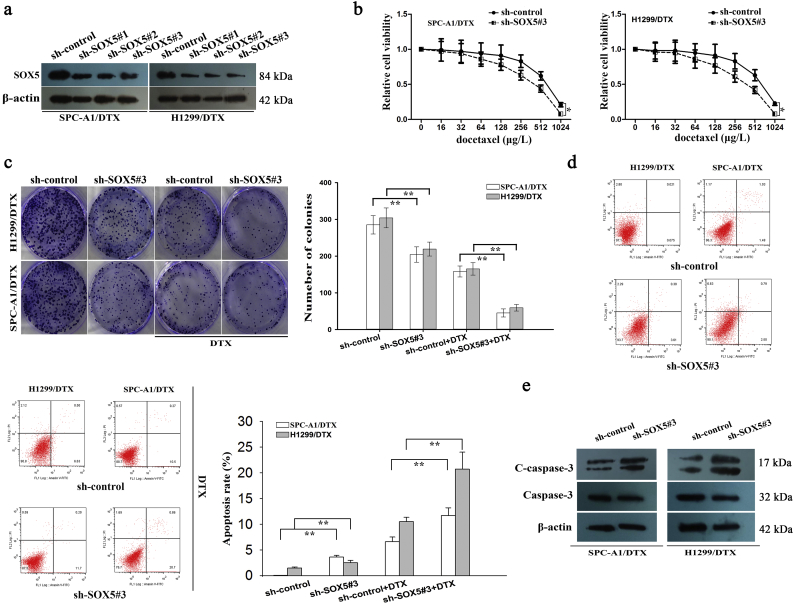
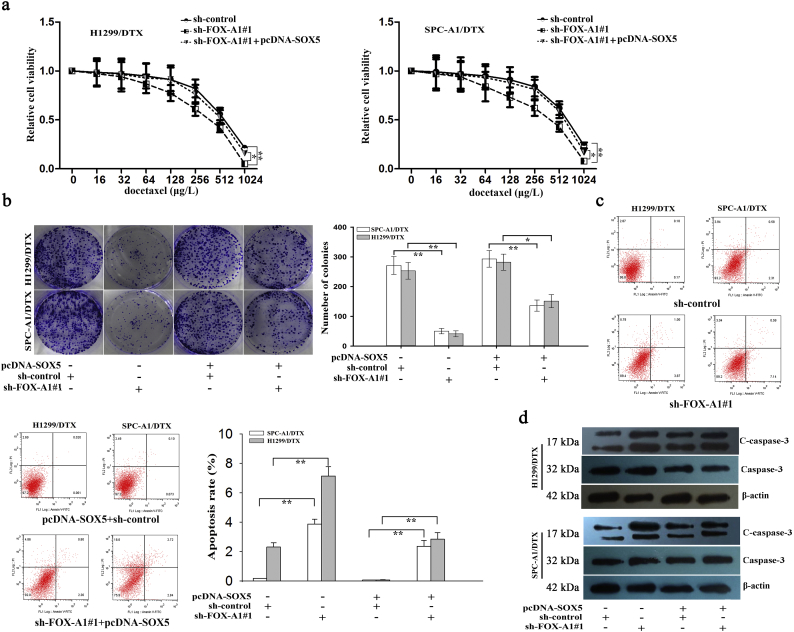
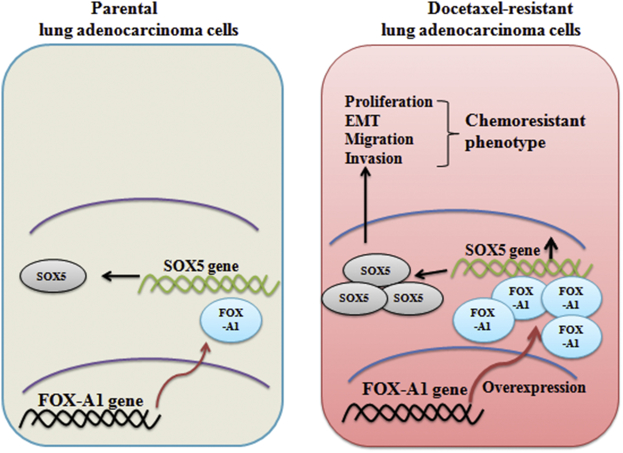
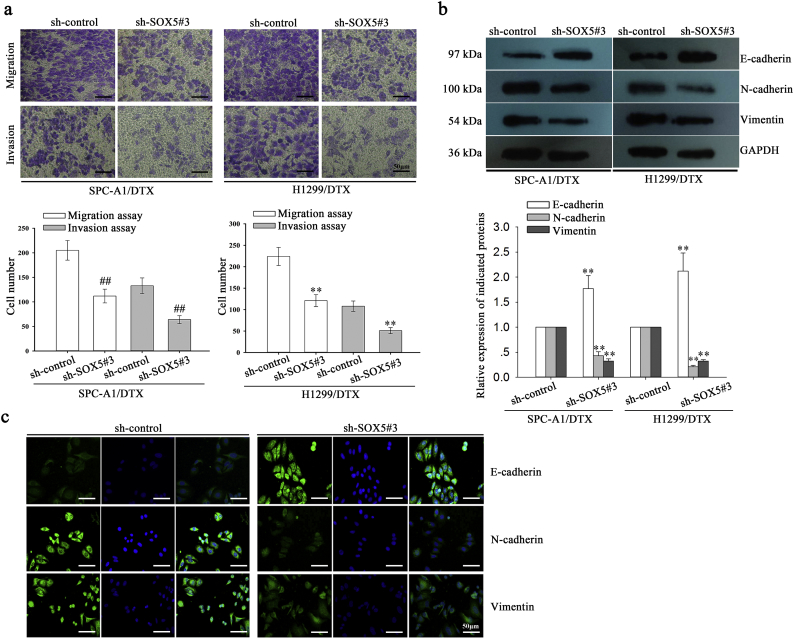
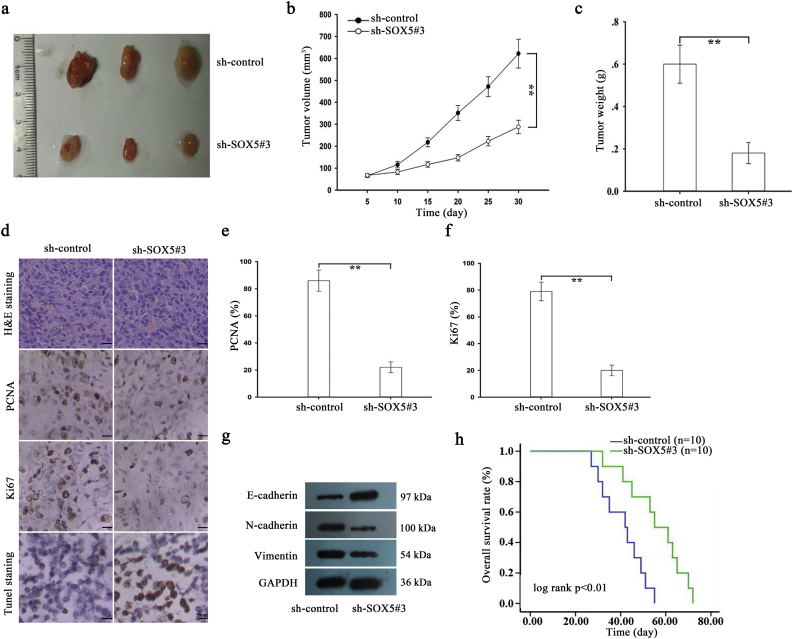
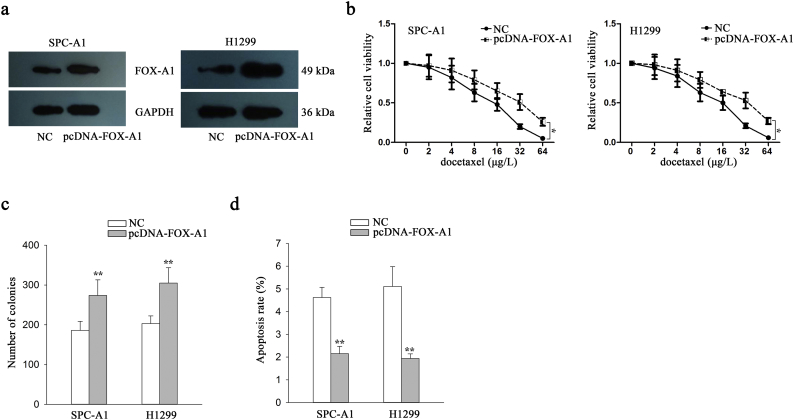
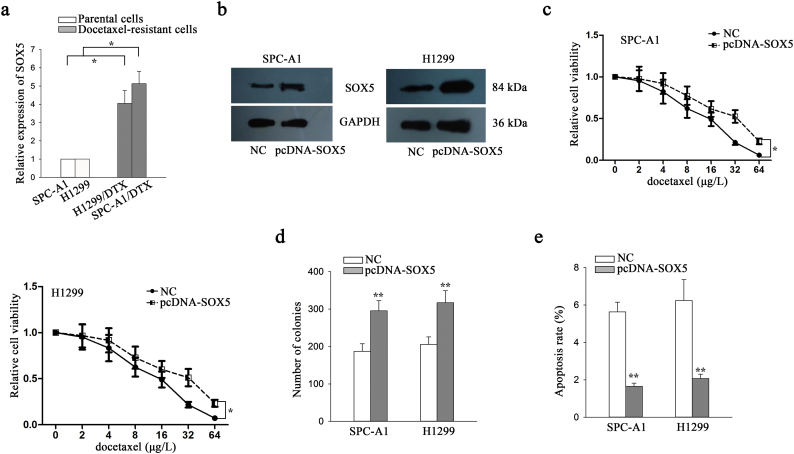
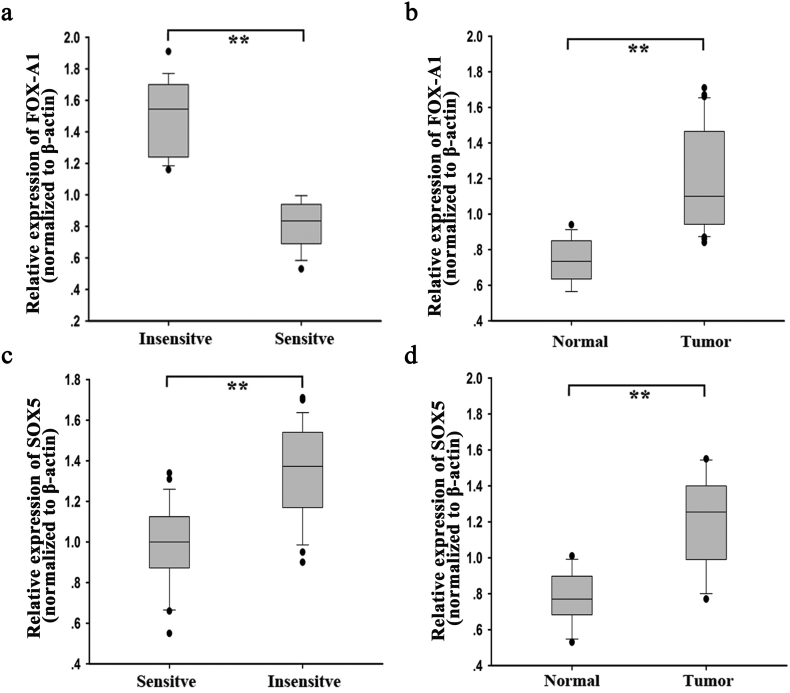
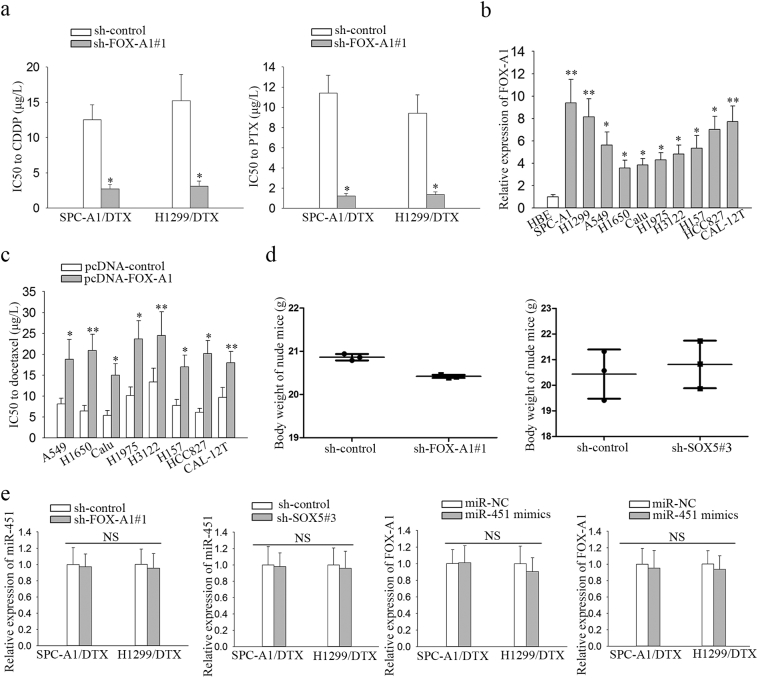
FOX-A1 was upregulated in docetaxel-resistant LAD cells. High FOX-A1 expression was closely associated with a worse prognosis. Upregulation of FOX-A1 in LAD samples indicated short progression-free survival (PFS) and overall survival (OS). SOX5 is a new and direct target of FOX-A1 and was positively regulated by FOX-A1 in LAD cell lines. Knockdown of FOX-A1 or SOX5 reversed the chemoresistance of docetaxel-resistant LAD cells by suppressing cell proliferation, migration and EMT progress.
These data elucidated an original FOX-A1/SOX5 pathway that represents a promising therapeutic target for chemosensitizing LAD and provides predictive biomarkers for evaluating the efficacy of chemotherapies.
化疗耐药是肺腺癌(LAD)有效治疗的主要障碍。叉头框(FOX)蛋白已被证明在促进上皮-间充质转化(EMT)和化疗耐药中发挥关键作用。然而,FOX 蛋白是否有助于 LAD 获得 EMT 和化疗耐药性在很大程度上尚不清楚。
通过 qRT-PCR 测量 LAD 细胞和组织中的 FOX-A1 表达。通过 Western blot 和免疫荧光检测 EMT 标志物的表达水平。通过染色质免疫沉淀序列(ChIP-seq)和染色质免疫沉淀(ChIP)实验验证 Sex 决定区 Y 框蛋白 5(SOX5)与 FOX-A1 的相互作用。Kaplan-Meier 分析和多变量 Cox 回归分析用于分析 FOX-A1 和 SOX5 表达在 LAD 患者预后中的意义。
在多西紫杉醇耐药的 LAD 细胞中,FOX-A1 上调。高 FOX-A1 表达与预后不良密切相关。LAD 样本中 FOX-A1 的上调表明无进展生存期(PFS)和总生存期(OS)较短。SOX5 是 FOX-A1 的一个新的直接靶点,在 LAD 细胞系中被 FOX-A1 正向调节。FOX-A1 或 SOX5 的敲低通过抑制细胞增殖、迁移和 EMT 进展,逆转了多西紫杉醇耐药的 LAD 细胞的化疗耐药性。
这些数据阐明了一个原始的 FOX-A1/SOX5 通路,它代表了一种有前途的化疗增敏 LAD 的治疗靶点,并为评估化疗疗效提供了预测生物标志物。