National Institute of Optics-National Research Council (INO-CNR), Via Madonna del Piano, 10, 50019 Sesto Fiorentino, Italy.
European Laboratory for Non-Linear Spectroscopy (LENS), Via Nello Carrara n. 1, 50019 Sesto Fiorentino, Italy.
Int J Mol Sci. 2019 May 30;20(11):2671. doi: 10.3390/ijms20112671.
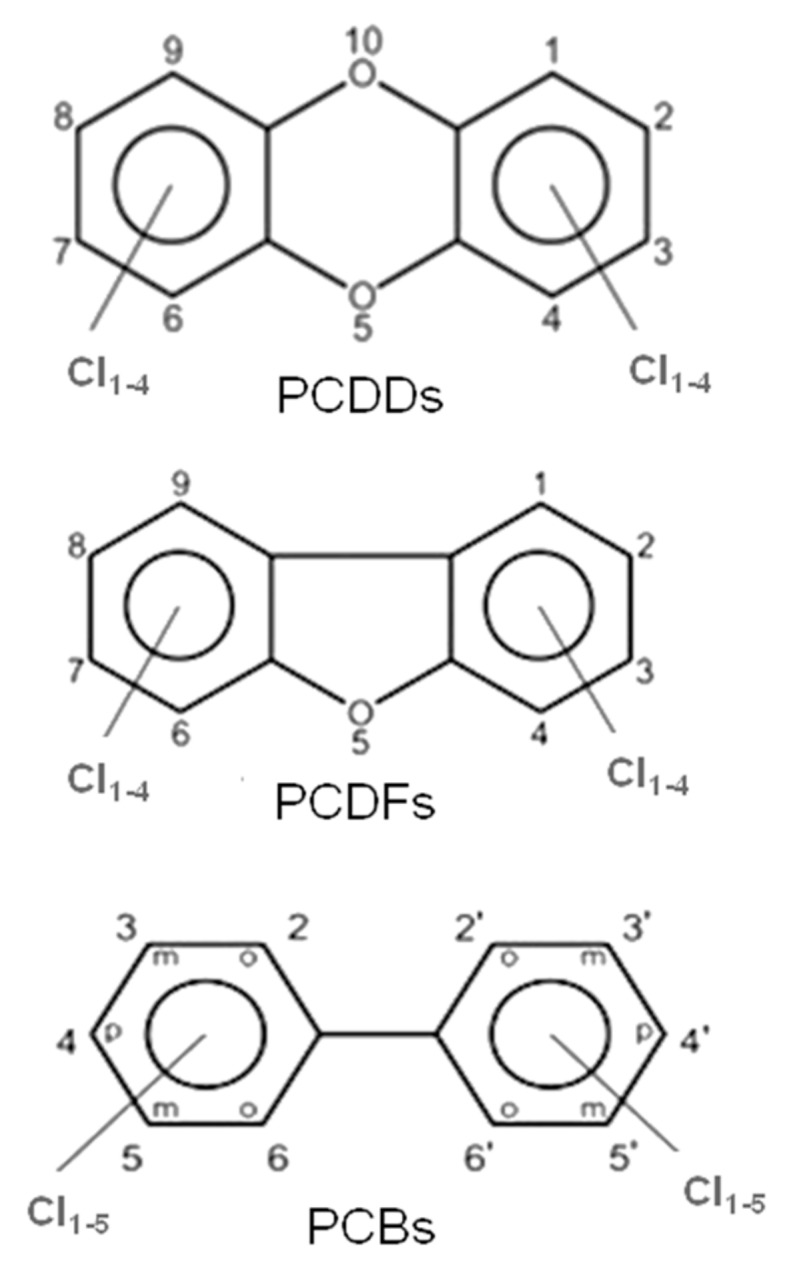
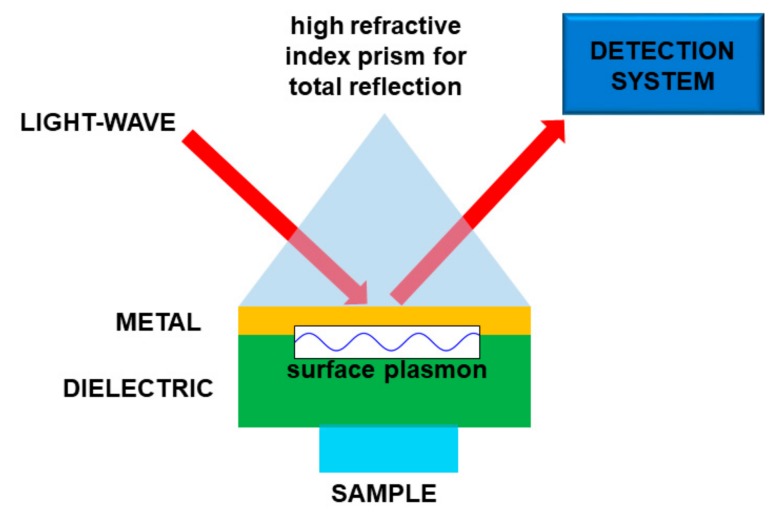
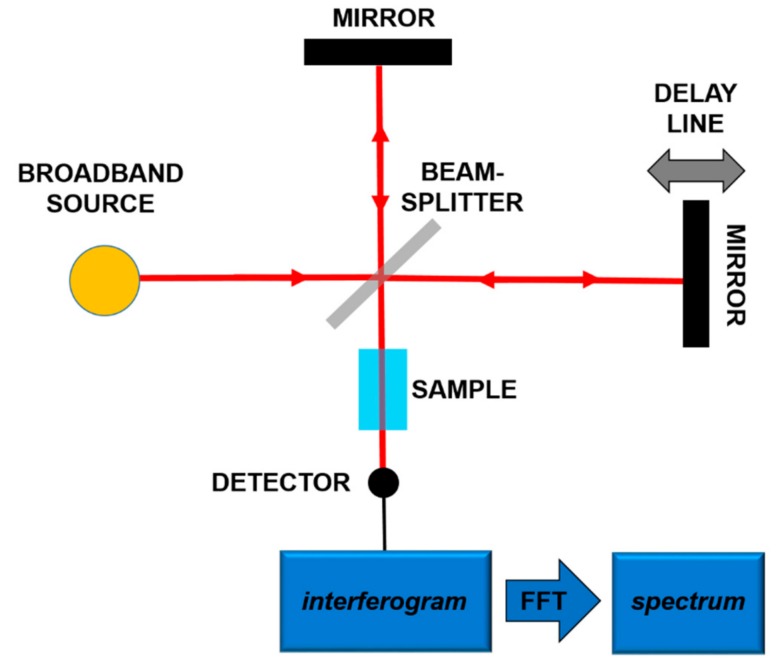
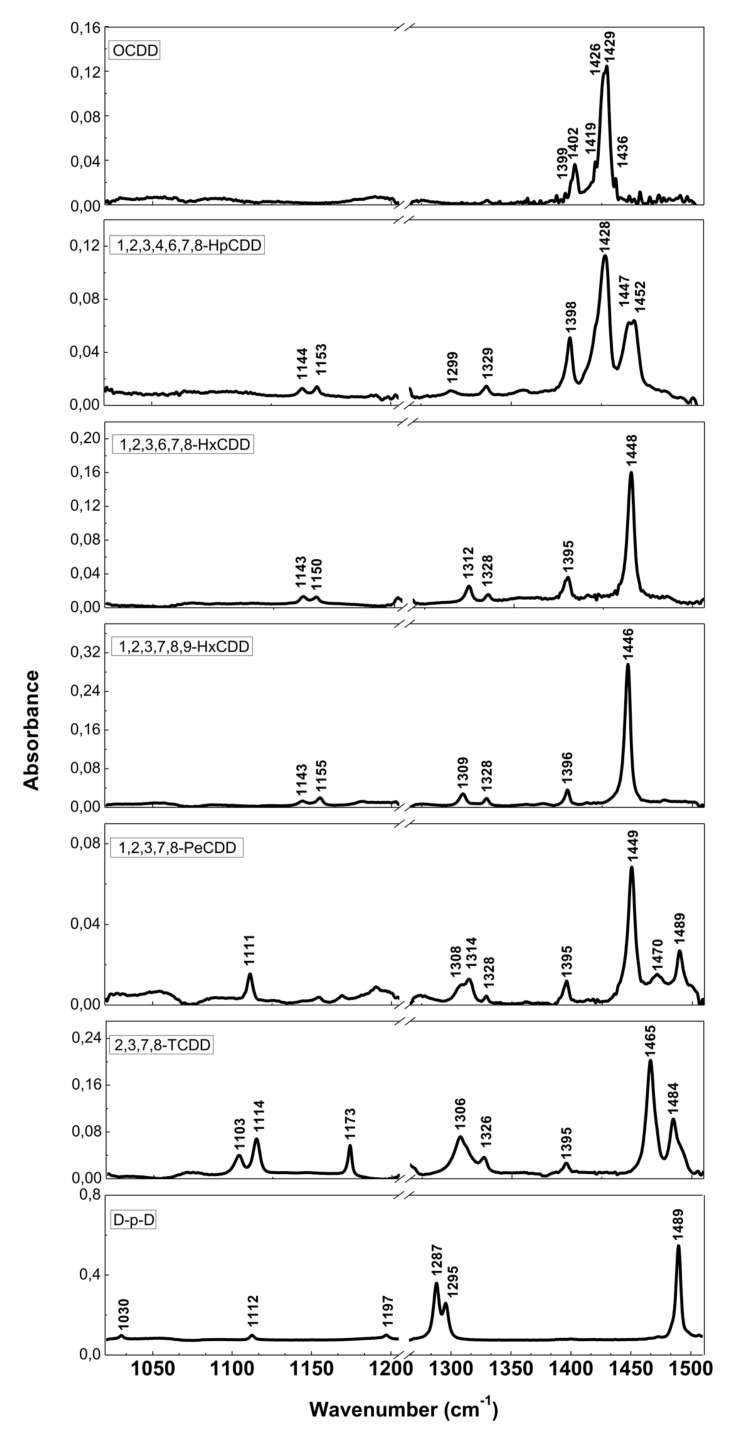
Dioxins and related compounds are environmental xenobiotics that are dangerous to human life, due to the accumulation and persistence in the environment and in the food chain. Cancer, reproductive and developmental issues, and damage to the immune system and endocrine system are only a few examples of the impact of such substances in everyday life. For these reasons, it is fundamental to detect and monitor these molecules in biological samples. The consolidated technique for analytical evaluation is gas chromatography combined with high-resolution mass spectrometry. Nowadays, the development of mid-infrared optical components like broadband laser sources, optical frequency combs, high performance Fourier-transform infrared spectroscopy, and plasmonic sensors open the way to new techniques for detection and real time monitoring of these organic pollutants in gaseous or liquid phase, with sufficient sensitivity and selectivity, and in short time periods. In this review, we report the latest techniques for the detection of dioxins, furans and related compounds based on optical and spectroscopic methods, looking at future perspectives.
二恶英和相关化合物是对人类生命有危险的环境污染物,因为它们在环境中和食物链中会积累和持久存在。癌症、生殖和发育问题以及免疫系统和内分泌系统受损只是这些物质在日常生活中产生影响的几个例子。出于这些原因,检测和监测生物样本中的这些分子至关重要。分析评估的综合技术是气相色谱法与高分辨率质谱法相结合。如今,中红外光学元件的发展,如宽带激光源、光频梳、高性能傅里叶变换红外光谱学和等离子体传感器,为检测和实时监测这些有机污染物在气相或液相中的技术开辟了新途径,具有足够的灵敏度和选择性,并且在短时间内完成。在这篇综述中,我们报告了基于光学和光谱方法的二恶英、呋喃和相关化合物的最新检测技术,并展望了未来的前景。