Carver College of Medicine, University of Iowa, Iowa, IA, United States.
Laboratory of Gnotobiology, Institute of Microbiology of the Czech Academy of Sciences, Prague, Czechia.
Front Immunol. 2019 May 15;10:1077. doi: 10.3389/fimmu.2019.01077. eCollection 2019.
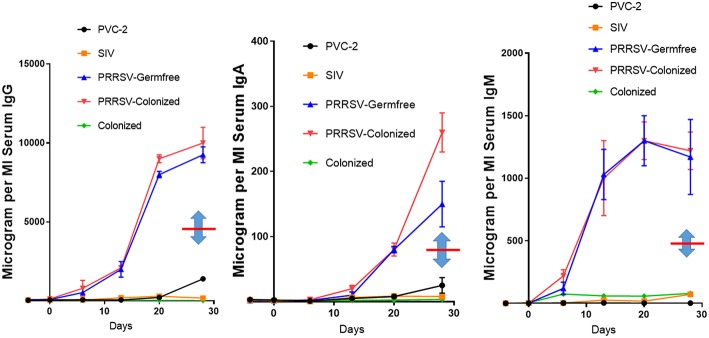
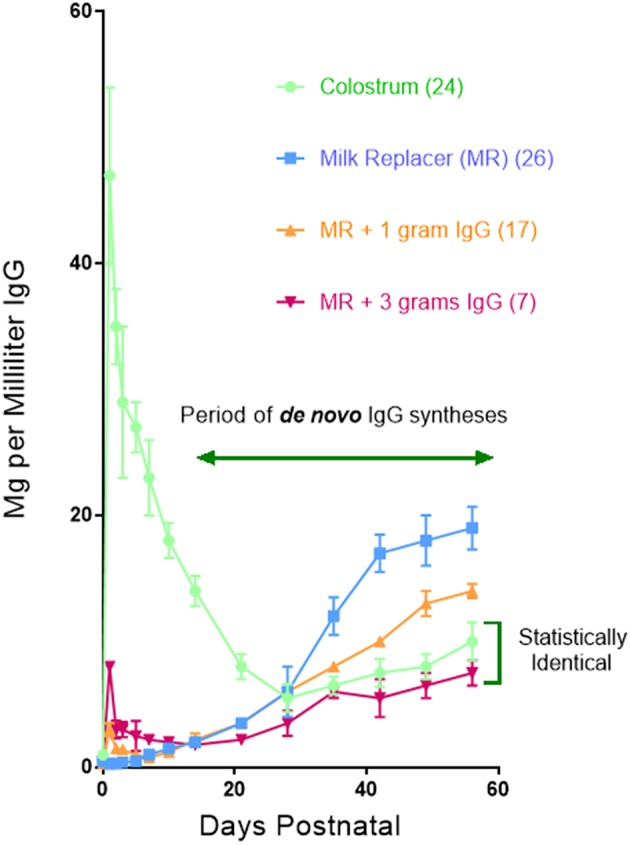
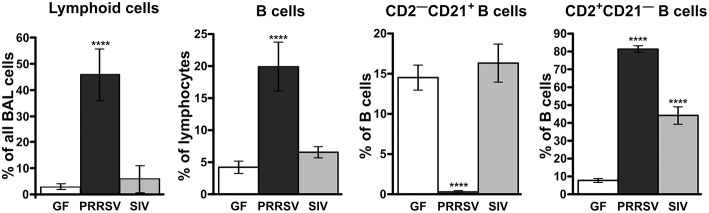
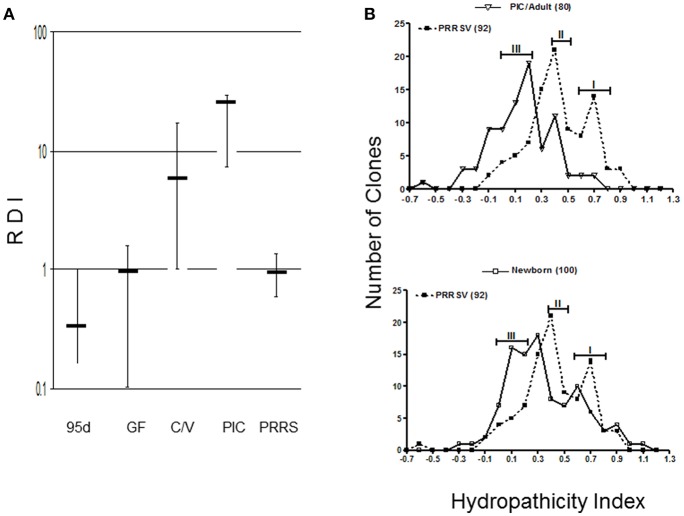
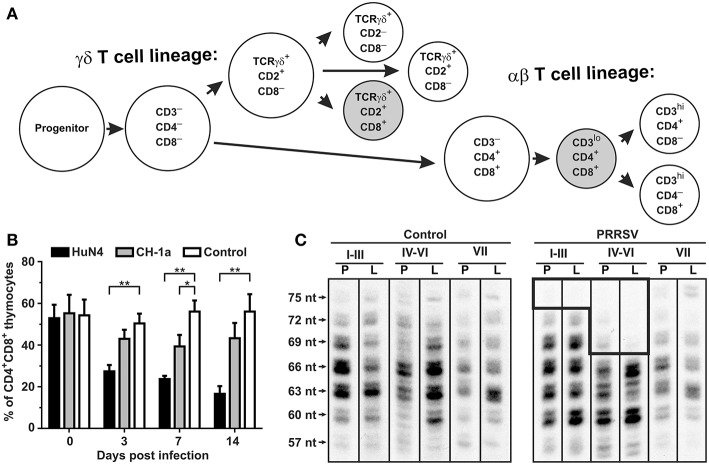
Porcine reproductive and respiratory syndrome virus (PRRSV) causes immune dysregulation during the Critical Window of Immunological Development. We hypothesize that thymocyte development is altered by infected thymic antigen presenting cells (TAPCs) in the fetal/neonatal thymus that interact with double-positive thymocytes causing an acute deficiency of T cells that produces "holes" in the T cell repertoire allowing for poor recognition of PRRSV and other neonatal pathogens. The deficiency may be the result of random elimination of PRRSV-specific T cells or the generation of T cells that accept PRRSV epitopes as self-antigens. Loss of helper T cells for virus neutralizing (VN) epitopes can result in the failure of selection for B cells in lymph node germinal centers capable of producing high affinity VN antibodies. Generation of cytotoxic and regulatory T cells may also be impaired. Similar to infections with LDV, LCMV, MCMV, HIV-1 and trypanosomes, the host responds to the deficiency of pathogen-specific T cells and perhaps regulatory T cells, by "last ditch" polyclonal B cell activation. In colostrum-deprived PRRSV-infected isolator piglets, this results in hypergammaglobulinemia, which we believe to be a "red herring" that detracts attention from the thymic atrophy story, but leads to our second independent hypothesis. Since hypergammaglobulinemia has not been reported in PRRSV-infected conventionally-reared piglets, we hypothesize that this is due to the down-regulatory effect of passive maternal IgG and cytokines in porcine colostrum, especially TGFβ which stimulates development of regulatory T cells (Tregs).
猪繁殖与呼吸综合征病毒 (PRRSV) 在免疫发育关键期引起免疫失调。我们假设感染的胸腺抗原呈递细胞 (TAPCs) 在胎儿/新生儿胸腺中与双阳性胸腺细胞相互作用,改变了胸腺细胞的发育,导致 T 细胞急性缺乏,从而在 T 细胞库中产生“缺口”,使 PRRSV 和其他新生病原体无法被识别。这种缺陷可能是 PRRSV 特异性 T 细胞随机消除的结果,也可能是产生接受 PRRSV 表位作为自身抗原的 T 细胞的结果。病毒中和 (VN) 表位的辅助 T 细胞缺失可导致淋巴结生发中心中不能产生高亲和力 VN 抗体的 B 细胞选择失败。细胞毒性和调节性 T 细胞的产生也可能受损。类似于感染 LDV、LCMV、MCMV、HIV-1 和锥虫,宿主会对病原体特异性 T 细胞甚至调节性 T 细胞的缺乏做出反应,通过“最后的努力”多克隆 B 细胞激活来做出反应。在缺乏初乳的 PRRSV 感染隔离仔猪中,这会导致高球蛋白血症,我们认为这是一个“转移注意力的线索”,它分散了对胸腺萎缩的注意力,但导致了我们的第二个独立假设。由于未报告 PRRSV 感染常规饲养的仔猪出现高球蛋白血症,我们假设这是由于猪初乳中的被动母体 IgG 和细胞因子(尤其是 TGFβ)的下调作用,TGFβ 刺激调节性 T 细胞 (Treg) 的发育。