Department of Internal Medicine, Section of Infectious Diseases, Yale School of Medicine, New Haven, CT, USA.
Center for Cellular and Molecular Imaging Electron Microscopy Core Facility, Yale School of Medicine, New Haven, CT, USA.
Life Sci Alliance. 2019 Jun 13;2(3). doi: 10.26508/lsa.201900382. Print 2019 Jun.
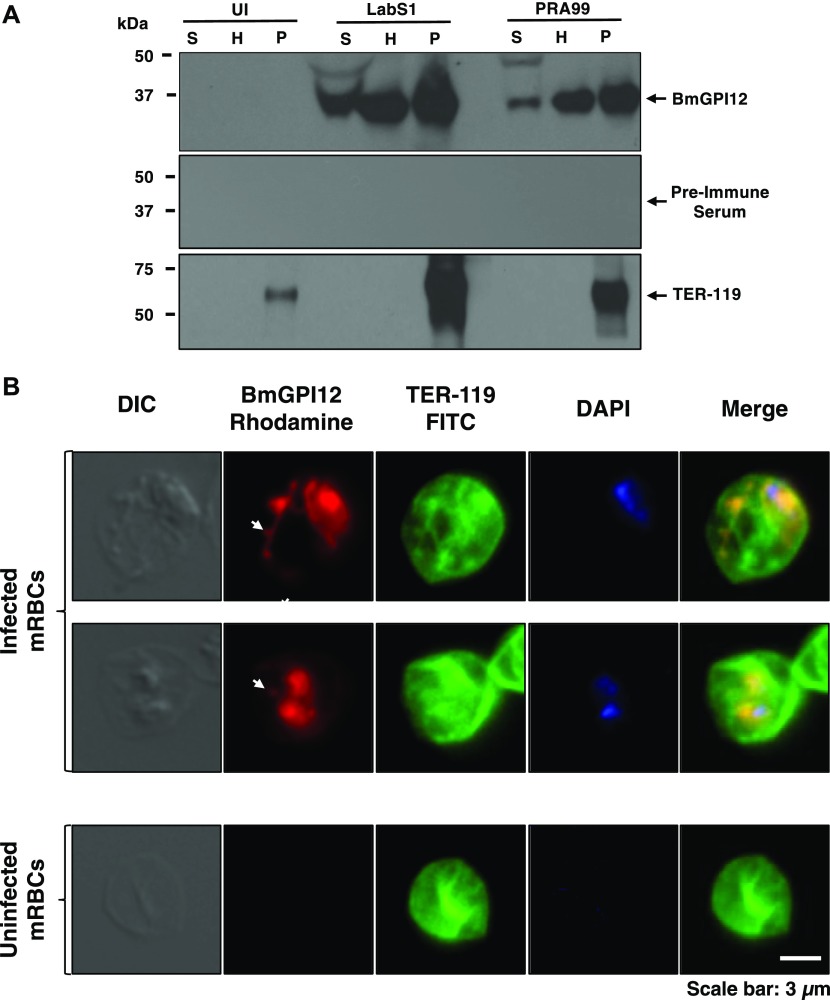
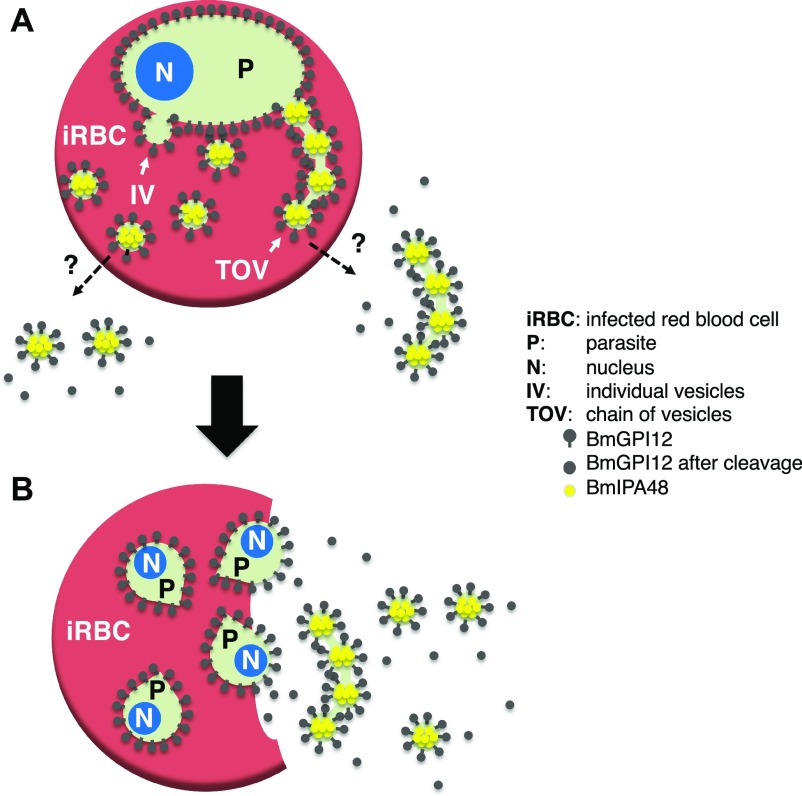
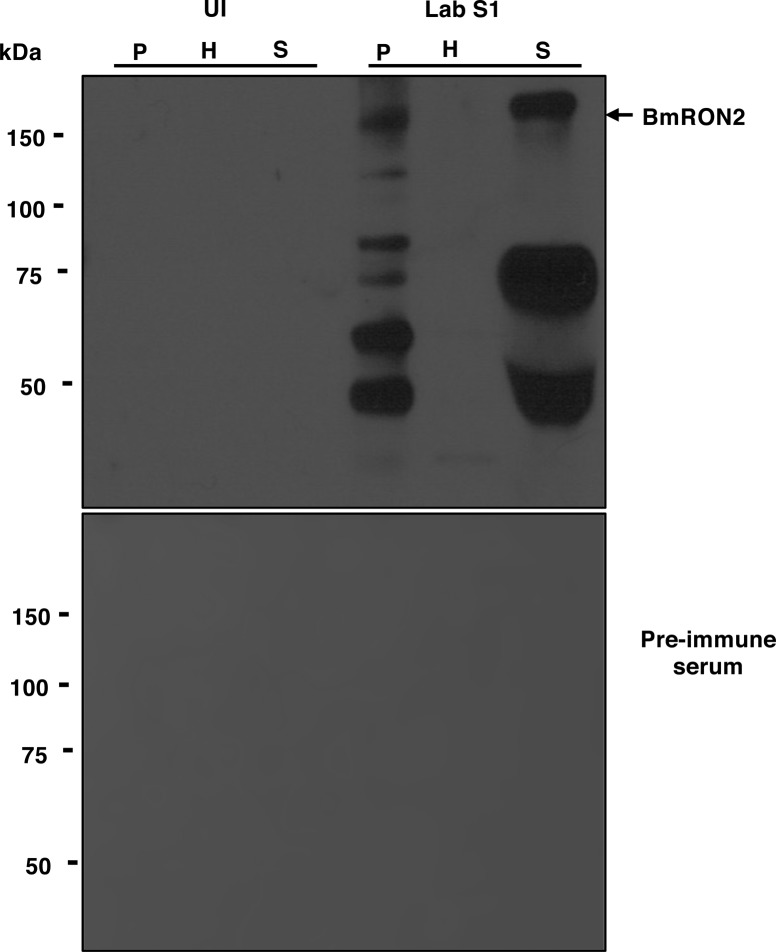
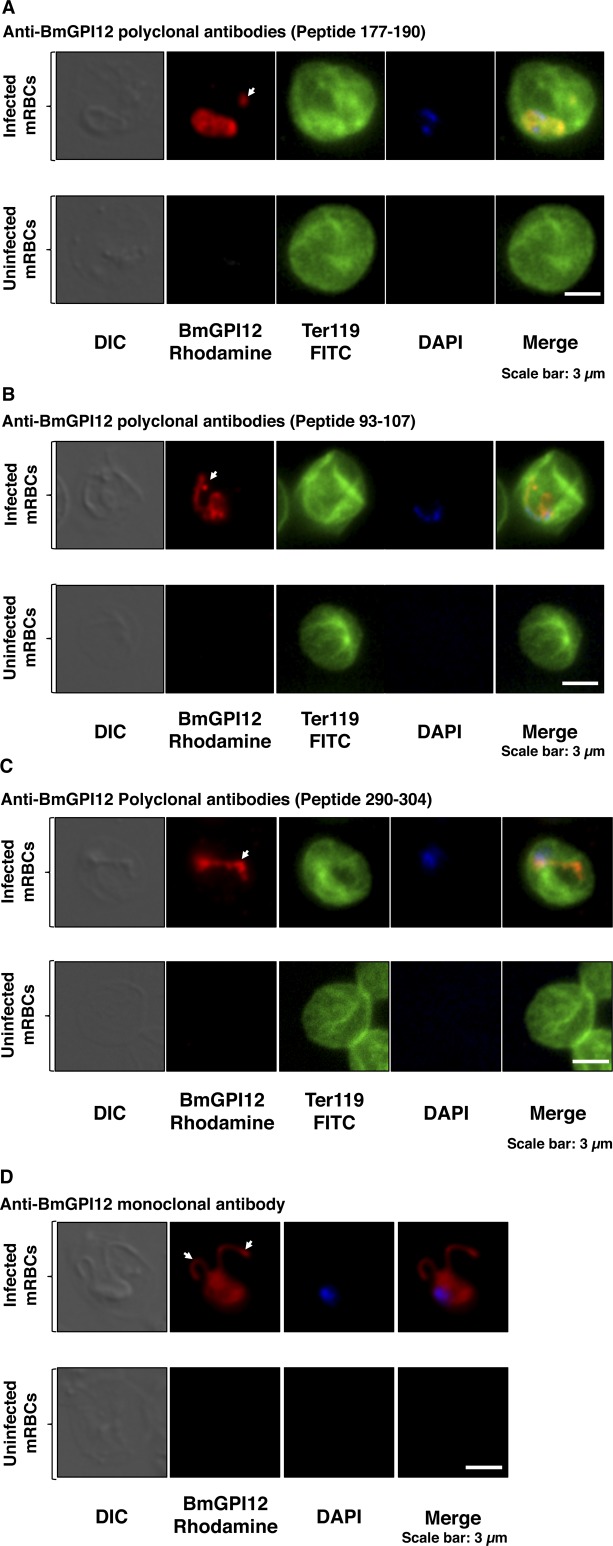
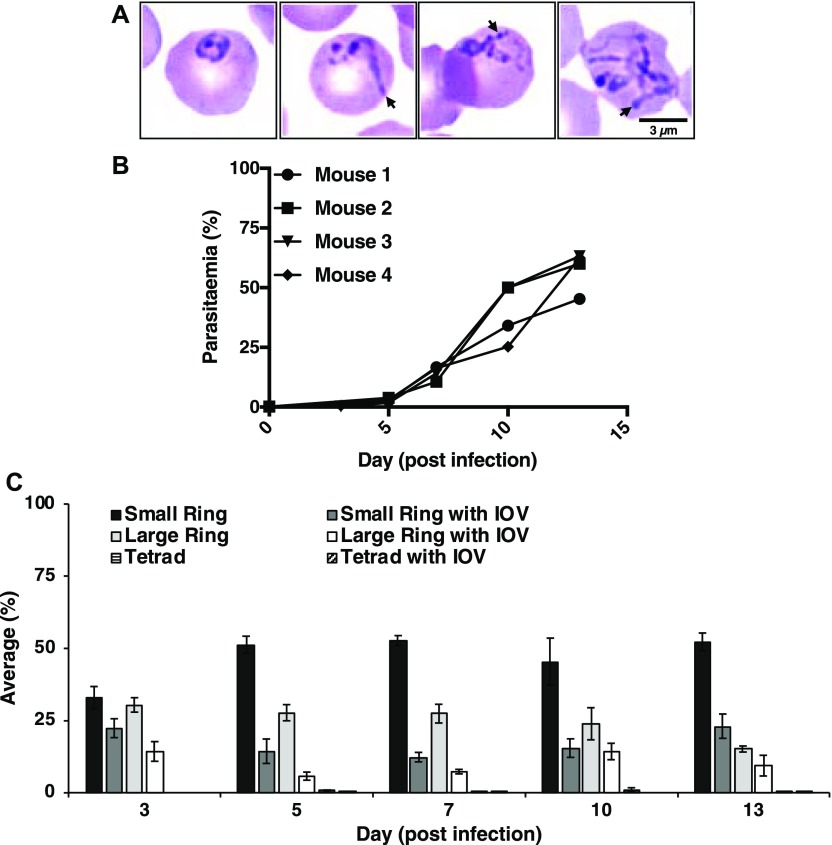
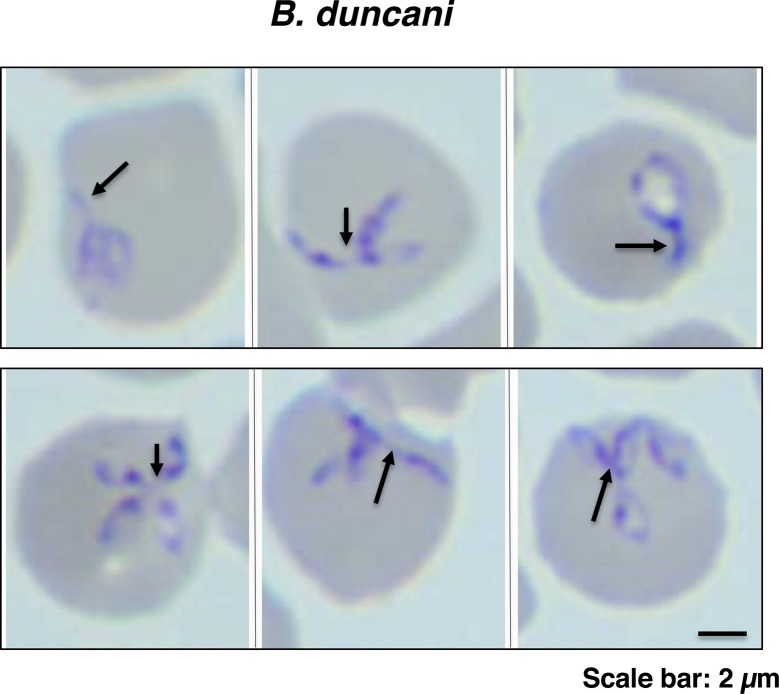
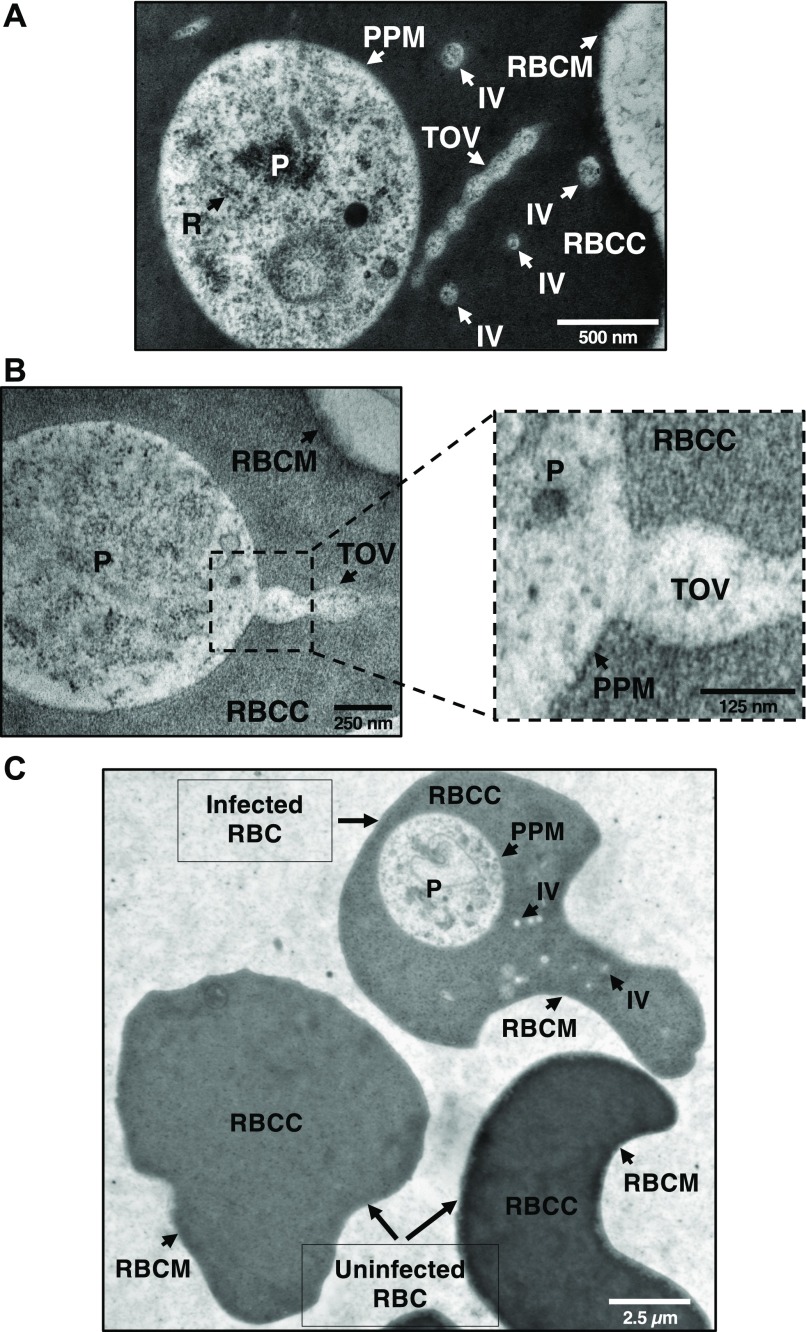
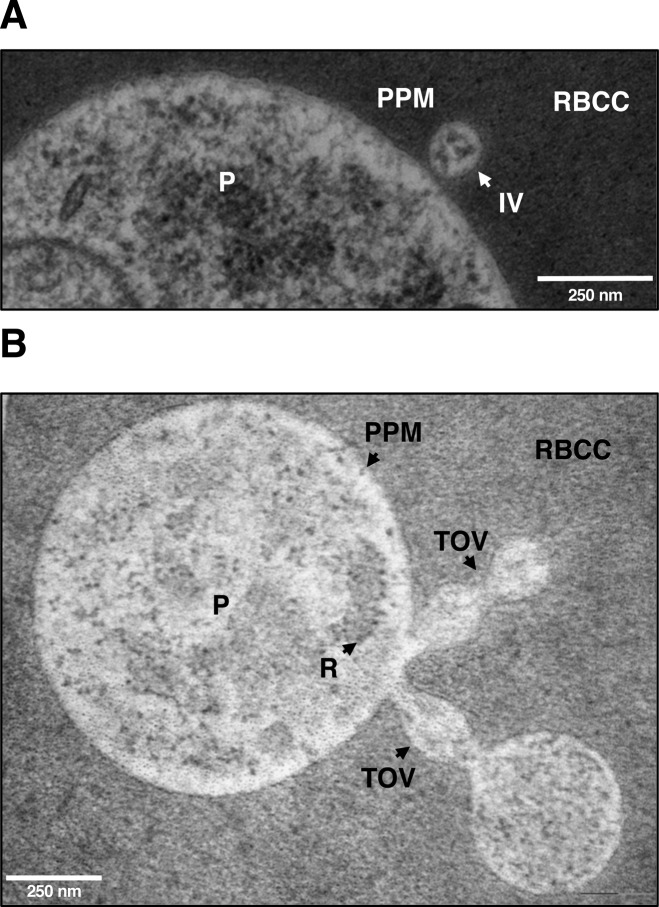
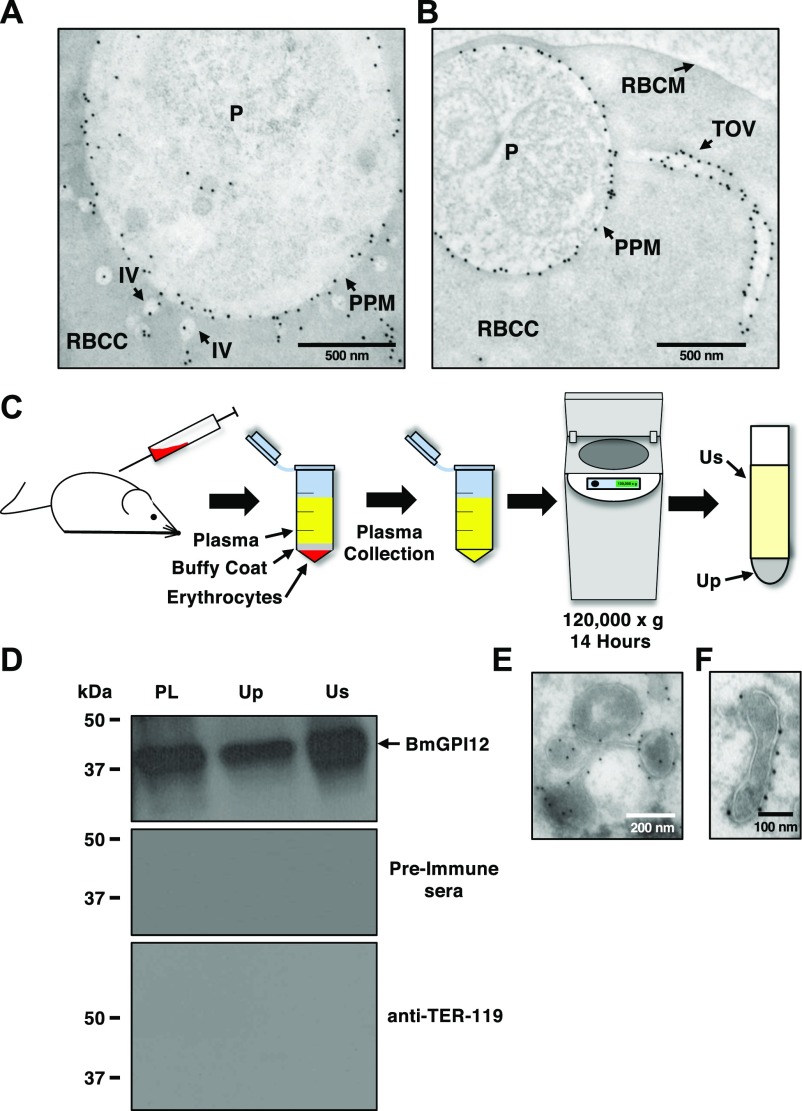
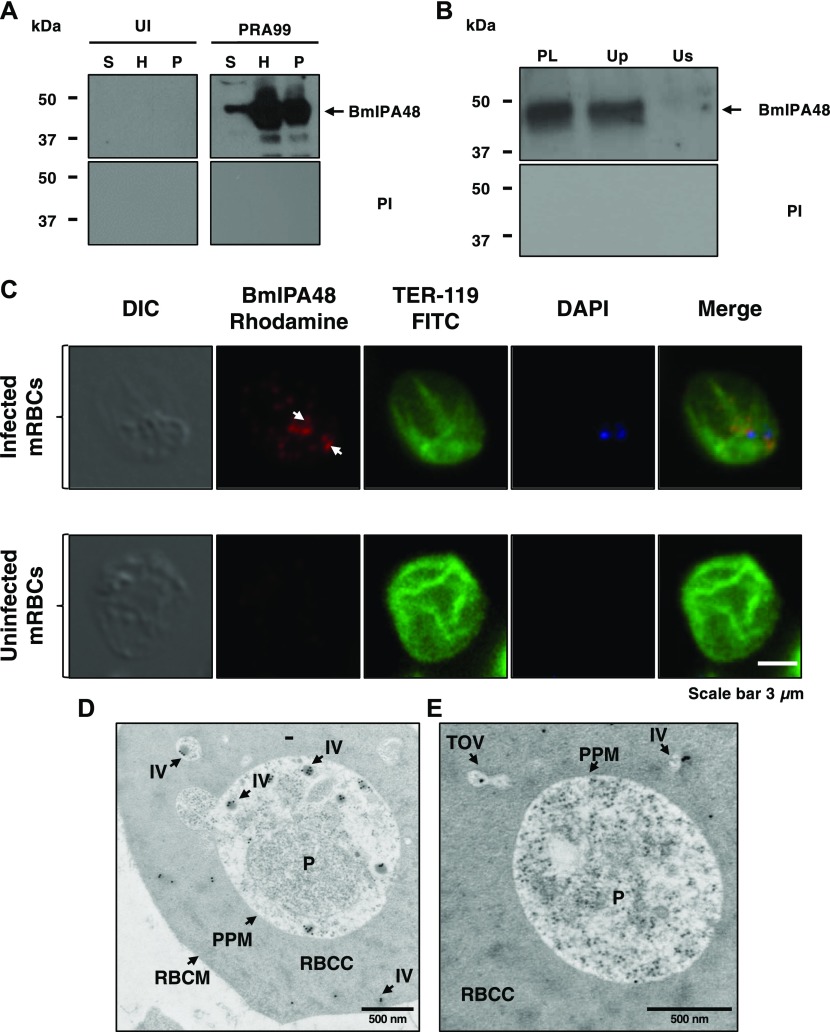
The apicomplexan parasite is the primary agent of human babesiosis, a malaria-like illness and potentially fatal tick-borne disease. Unlike its close relatives, the agents of human malaria, develops within human and mouse red blood cells in the absence of a parasitophorous vacuole, and its secreted antigens lack trafficking motifs found in malarial secreted antigens. Here, we show that after invasion of erythrocytes, undergoes a major morphogenic change during which it produces an interlacement of vesicles (IOV); the IOV system extends from the plasma membrane of the parasite into the cytoplasm of the host erythrocyte. We developed antibodies against two immunodominant antigens of the parasite and used them in cell fractionation studies and fluorescence and immunoelectron microscopy analyses to monitor the mode of secretion of antigens. These analyses demonstrate that the IOV system serves as a major export mechanism for important antigens of and represents a novel mechanism for delivery of parasite effectors into the host by this apicomplexan parasite.
疟原虫是引起人类巴贝斯虫病的主要病原体,该病类似疟疾,是一种潜在致命的蜱传疾病。与人类疟疾的病原体不同,疟原虫在没有滋养液泡的情况下在人和鼠的红细胞内发育,其分泌的抗原缺乏在疟原虫分泌的抗原中发现的运输基序。在这里,我们表明,在入侵红细胞后,疟原虫经历了一个主要的形态发生变化,在此期间它产生了交织的小泡(IOV);IOV 系统从寄生虫的质膜延伸到宿主红细胞的细胞质。我们开发了针对寄生虫两种免疫优势抗原的抗体,并将其用于细胞分级分离研究以及荧光和免疫电子显微镜分析,以监测疟原虫抗原的分泌模式。这些分析表明,IOV 系统是疟原虫重要抗原的主要输出机制,代表了这种顶复门寄生虫将寄生虫效应物递送到宿主的一种新机制。