Jain Sanjay, Chen Feng
Division of Nephrology, Department of Medicine, Washington University School of Medicine, St Louis, MO, USA.
Clin Kidney J. 2018 Dec 1;12(3):382-399. doi: 10.1093/ckj/sfy112. eCollection 2019 Jun.
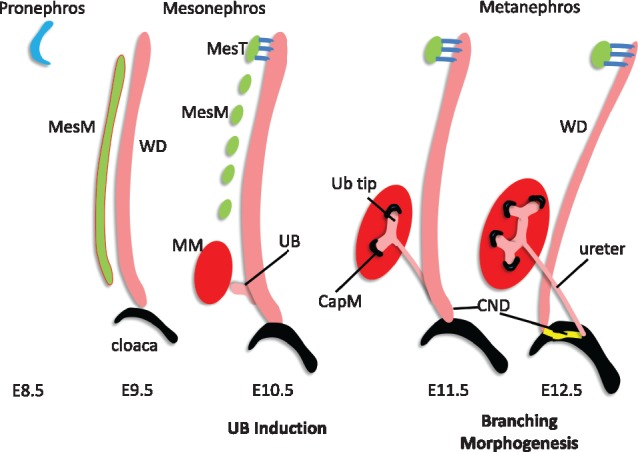
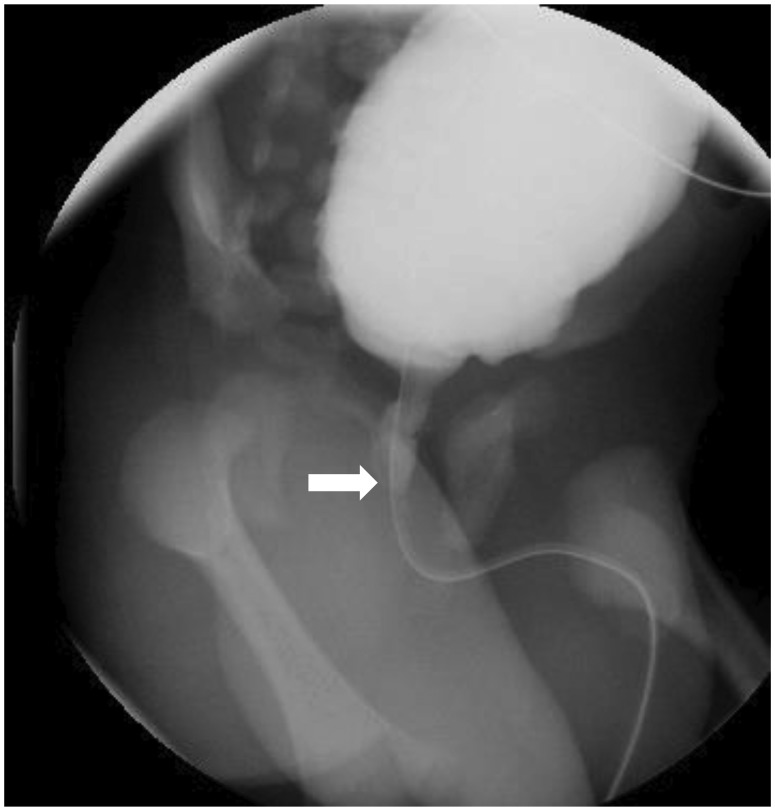
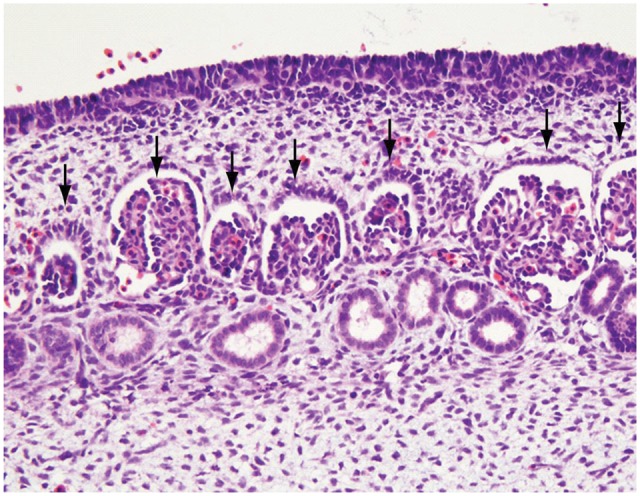
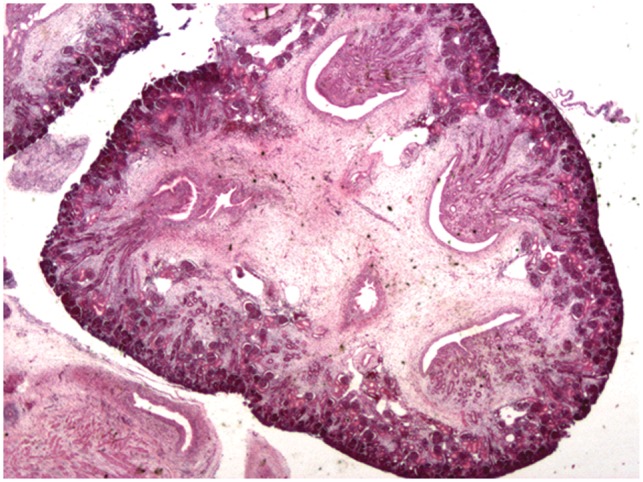
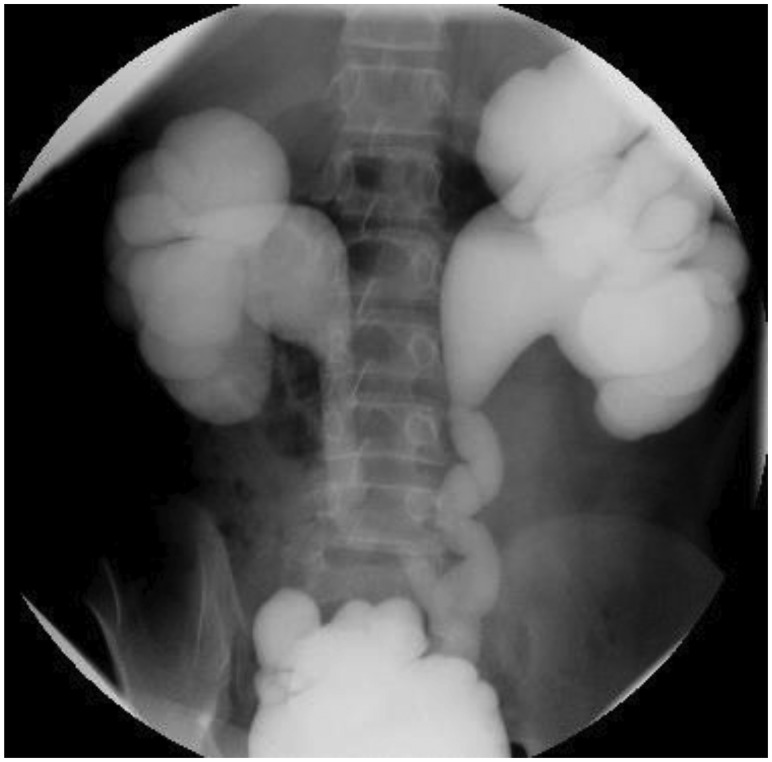
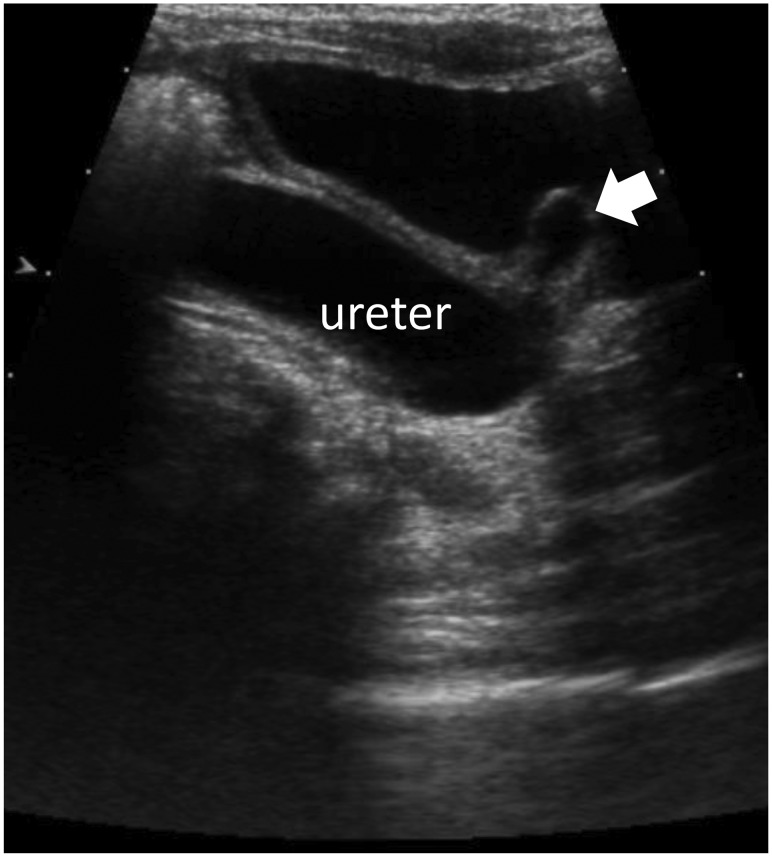
Congenital anomalies of the kidneys or lower urinary tract (CAKUT) are the most common causes of renal failure in children and account for 25% of end-stage renal disease in adults. The spectrum of anomalies includes renal agenesis; hypoplasia; dysplasia; supernumerary, ectopic or fused kidneys; duplication; ureteropelvic junction obstruction; primary megaureter or ureterovesical junction obstruction; vesicoureteral reflux; ureterocele; and posterior urethral valves. CAKUT originates from developmental defects and can occur in isolation or as part of other syndromes. In recent decades, along with better understanding of the pathological features of the human congenital urinary tract defects, researchers using animal models have provided valuable insights into the pathogenesis of these diseases. However, the genetic causes and etiology of many CAKUT cases remain unknown, presenting challenges in finding effective treatment. Here we provide an overview of the critical steps of normal development of the urinary system, followed by a description of the pathological features of major types of CAKUT with respect to developmental mechanisms of their etiology.
先天性肾脏或下尿路异常(CAKUT)是儿童肾衰竭的最常见原因,占成人终末期肾病的25%。异常谱包括肾缺如;发育不全;发育异常;多余、异位或融合肾;重复肾;肾盂输尿管连接部梗阻;原发性巨输尿管或输尿管膀胱连接部梗阻;膀胱输尿管反流;输尿管囊肿;以及后尿道瓣膜。CAKUT起源于发育缺陷,可单独出现或作为其他综合征的一部分出现。近几十年来,随着对人类先天性尿路缺陷病理特征的更好理解,使用动物模型的研究人员对这些疾病的发病机制提供了有价值的见解。然而,许多CAKUT病例的遗传原因和病因仍然未知,这给寻找有效治疗方法带来了挑战。在此,我们概述了泌尿系统正常发育的关键步骤,随后描述了主要类型CAKUT的病理特征及其病因的发育机制。