Convergent Research Consortium for Immunologic Disease, Seoul St. Mary's Hospital, The College of Medicine, The Catholic University of Korea, Seoul, South Korea.
Department of Nephrology, Yanbian University Hospital, Yanbian, China.
BMC Nephrol. 2019 Jun 14;20(1):221. doi: 10.1186/s12882-019-1399-6.
Cilastatin (CL) is an inhibitor of dehydropeptidase-I, which is safely used in clinical practice to prevent nephrotoxicity of antibiotics. Tacrolimus (TAC) is the most important immunosuppressant in renal transplantation, but it causes considerable nephrotoxicity. We evaluated the protective effects of CL against chronic TAC-induced nephropathy.
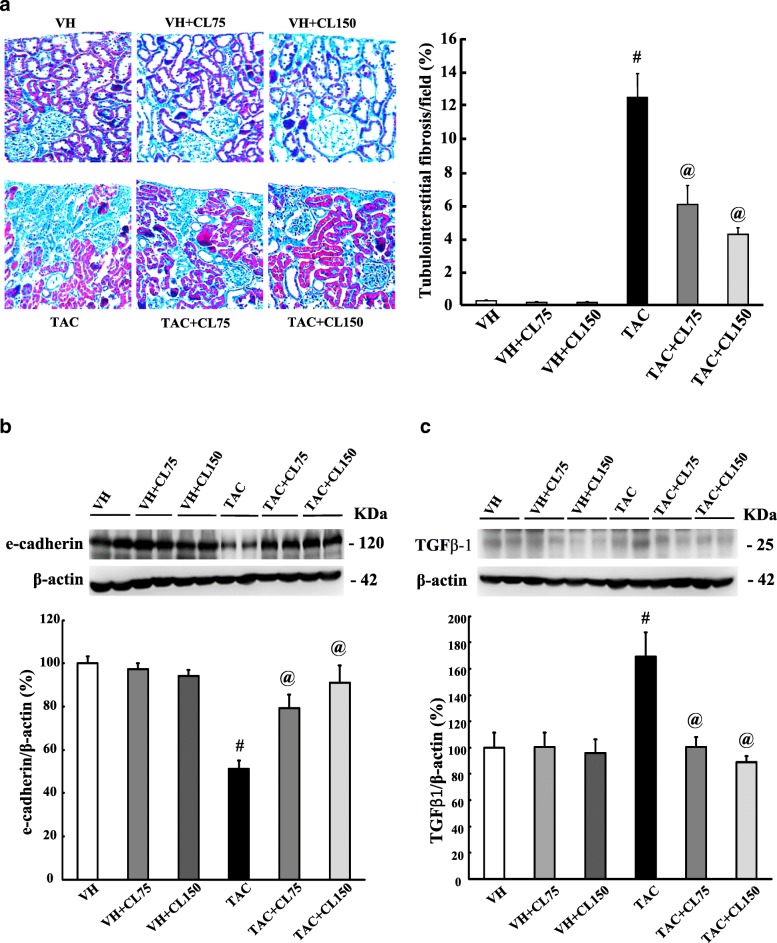
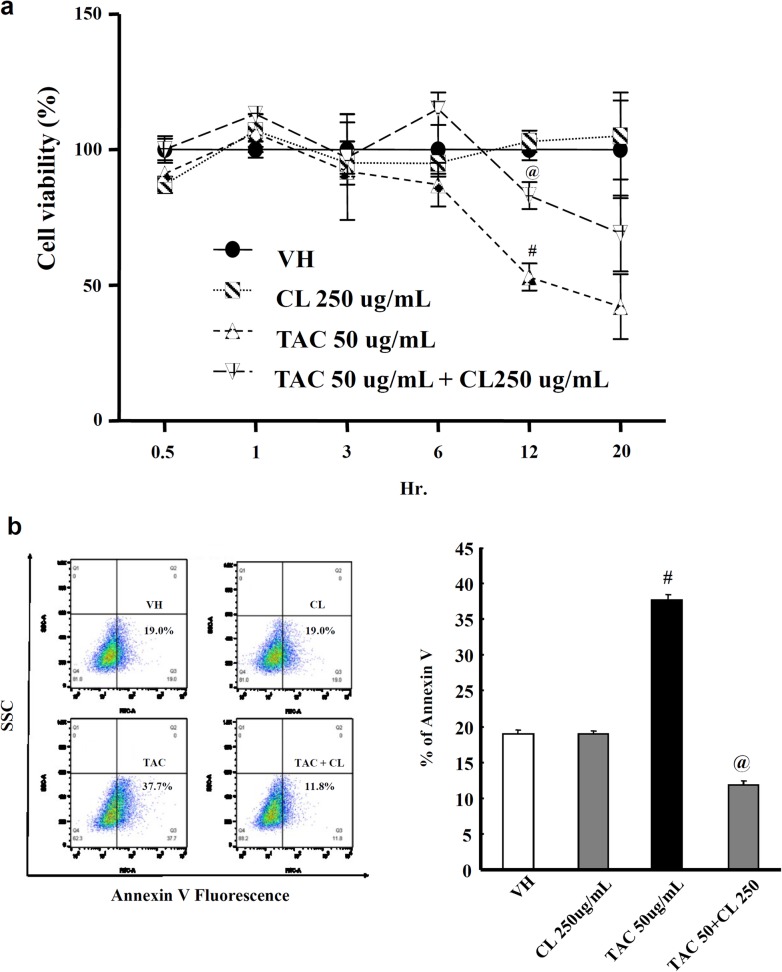
Chronic nephropathy was induced by administering TAC (1.5 mg/kg/ day, subcutaneous injection) to rats on a low-salt diet for 4 weeks. CL (75 or 150 mg/kg/day, intraperitoneal injection) was concomitantly treated with TAC. Human proximal tubular cells were exposed to TAC (50 μg/mL) with or without CL (250 μg/mL). We investigated the effects of CL on TAC-induced injury in terms of renal function, tubulointerstitial fibrosis, and inflammation. The effects of CL on oxidative stress and apoptosis were evaluated in both in vivo and in vitro models of TAC nephrotoxicity.
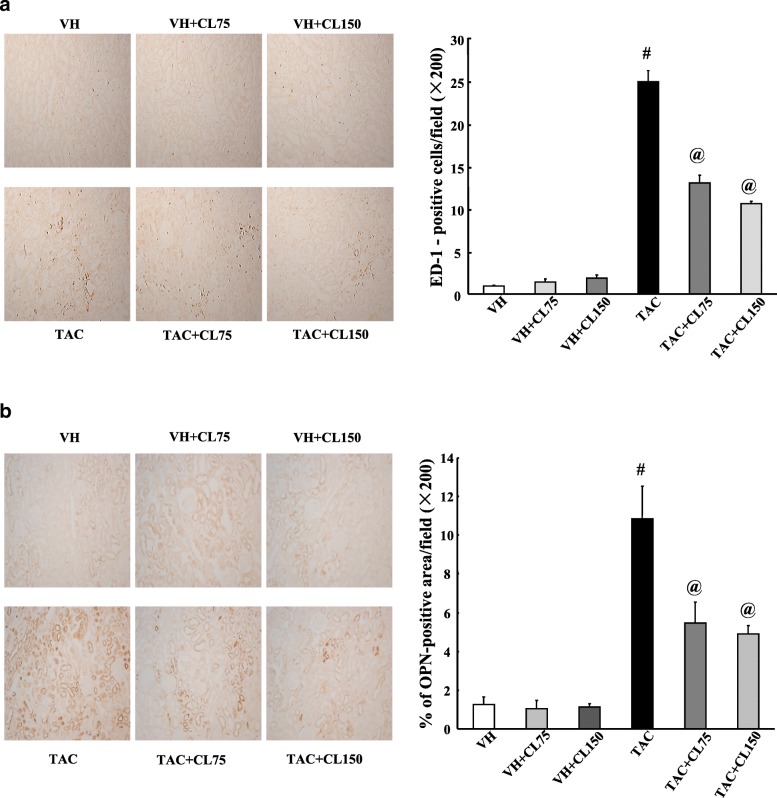
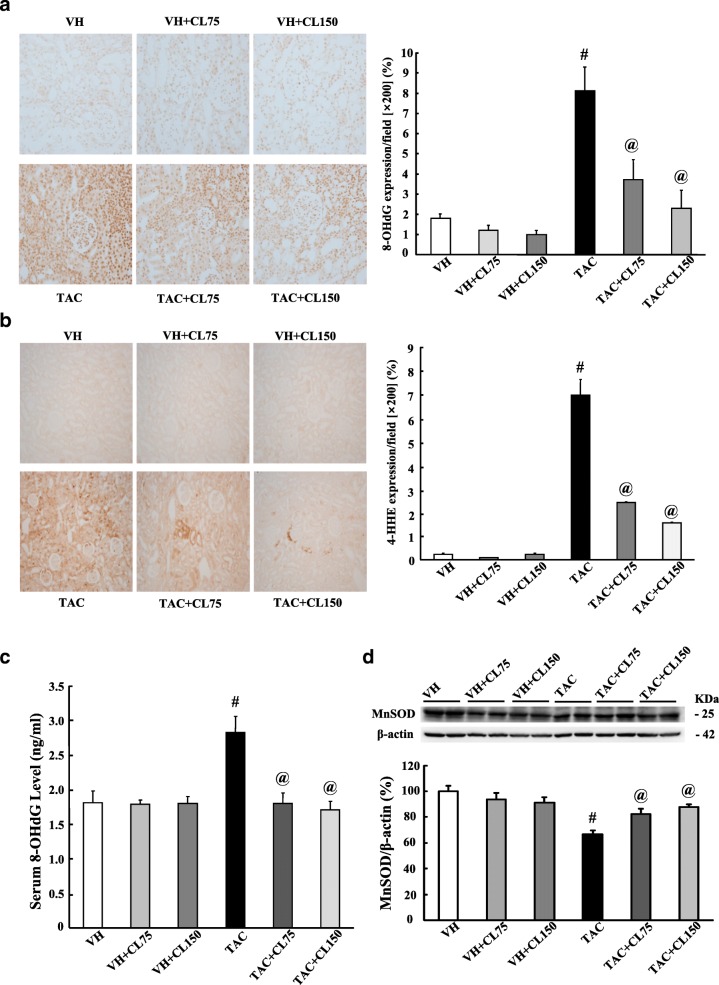
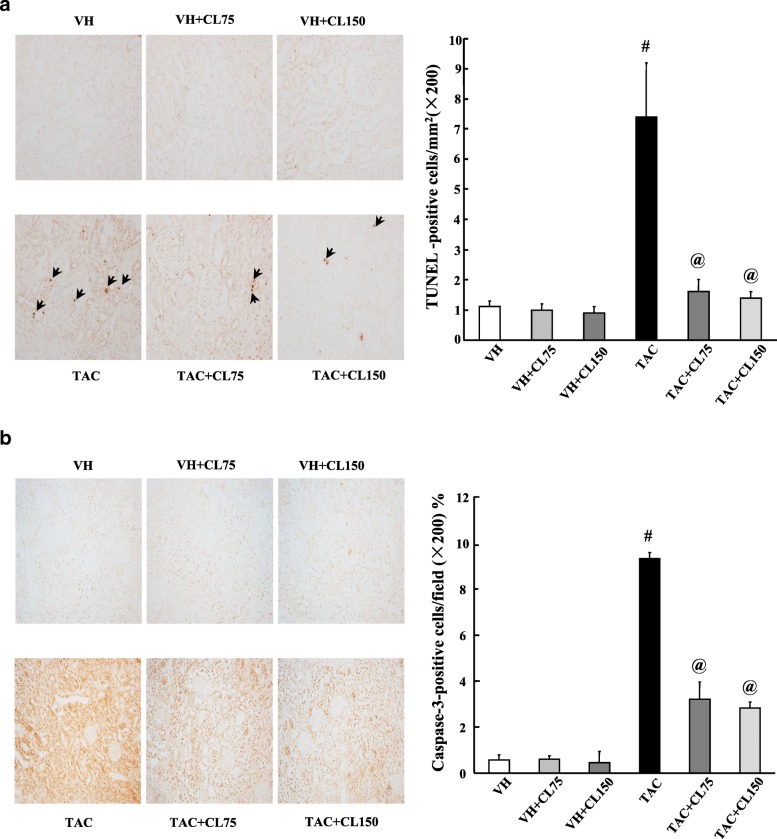
CL treatment improved TAC-induced renal dysfunction and decreased renal interstitial fibrosis (reduced expression of e-cadherin and TGFβ-1) and interstitial inflammation (decreased infiltration of ED-1-positive and osteopontin-positive cells). Compared to TAC treatment alone, CL co-treatment reduced oxidative stress (serum 8-OHdG level and immunoreactivity of 8-OHdG and 4-HHE in renal tissue) and increased renal expression of anti-oxidant enzyme, manganese superoxide dismutase. CL treatment decreased apoptotic cell death (decreased TUNEL-positive cells and reduced expression of active caspase-3) in TAC-treated kidney. In vitro CL treatment prevented tubular cell death from TAC treatment and decreased number of annexin V-positive cells were observed in cilastatin-cotreated cells.
CL has protective effects against chronic TAC-induced nephrotoxicity owing to its anti-oxidative and anti-apoptotic properties.
Cilastatin(CL)是一种脱氢肽酶-1抑制剂,在临床实践中安全用于预防抗生素的肾毒性。他克莫司(TAC)是肾移植中最重要的免疫抑制剂,但它会引起相当大的肾毒性。我们评估了 CL 对慢性 TAC 诱导的肾病的保护作用。
通过给予低盐饮食的大鼠 TAC(1.5mg/kg/天,皮下注射)4 周来诱导慢性肾病。同时给予 CL(75 或 150mg/kg/天,腹腔注射)与 TAC 一起治疗。将人近端肾小管细胞暴露于 TAC(50μg/mL),同时或不与 CL(250μg/mL)一起处理。我们研究了 CL 对 TAC 诱导的损伤的影响,包括肾功能、肾小管间质纤维化和炎症。在 TAC 肾毒性的体内和体外模型中评估了 CL 对氧化应激和细胞凋亡的影响。
CL 治疗改善了 TAC 诱导的肾功能障碍,并减少了肾小管间质纤维化(降低 E-钙粘蛋白和 TGFβ-1 的表达)和间质炎症(减少 ED-1 阳性和骨桥蛋白阳性细胞的浸润)。与单独 TAC 治疗相比,CL 共同治疗降低了氧化应激(血清 8-OHdG 水平和肾组织中 8-OHdG 和 4-HHE 的免疫反应性)并增加了肾脏抗氧化酶锰超氧化物歧化酶的表达。CL 治疗减少了 TAC 处理的肾脏中的细胞凋亡(减少 TUNEL 阳性细胞和活性 caspase-3 的表达)。体外 CL 治疗可防止 TAC 处理引起的肾小管细胞死亡,并且在 cilastatin 共同处理的细胞中观察到 Annexin V 阳性细胞的数量减少。
CL 具有抗氧化和抗细胞凋亡特性,对慢性 TAC 诱导的肾病具有保护作用。