The Hepatic Surgery Centre at Tongji Hospital, Tongji Medical College, HUST; Hubei Province for the Clinical Medicine Research Center of Hepatic Surgery, Key Laboratory of Organ Transplantation, Ministry of Education and Ministry of Public Health, Wuhan, 430030, China.
Department of Computer Science, City University of Hong Kong, Hong Kong, People's Republic of China.
J Exp Clin Cancer Res. 2019 Jun 14;38(1):261. doi: 10.1186/s13046-019-1273-1.
BACKGROUND & AIMS: Although the prognosis of patients with occult hepatitis B virus (HBV) infection (OBI) is usually benign, a small portion may undergo cirrhosis and subsequently hepatocellular carcinoma (HCC). We studied the mechanism of life-long Integration of virus DNA into OBI host's genome, of which may induce hepatocyte transformation.
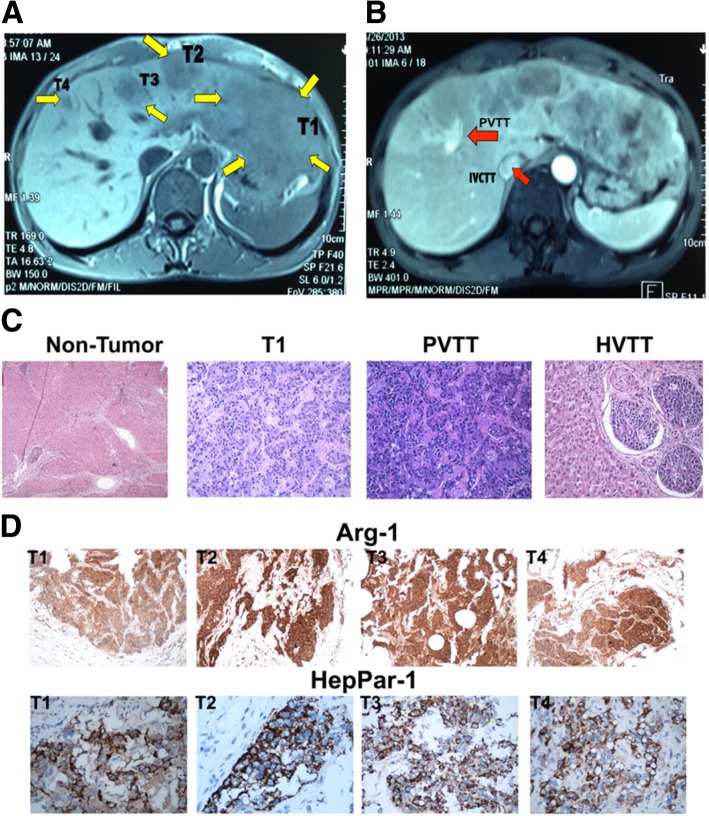
We applied HBV capture sequencing on single cells from an OBI patient who, developed multiple HCC tumors and underwent liver resection in May 2013 at Tongji Hospital in China. Despite with the undetectable virus DNA in serum, we determined the pattern of viral integration in tumor cells and adjacent non-tumor cells and obtained the details of the viral arrangement in host genome, and furthermore the HBV integrated region in cancer genome.
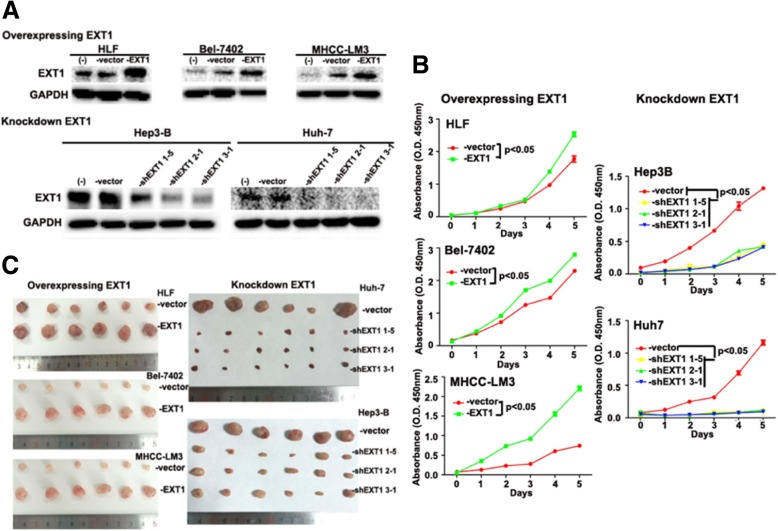
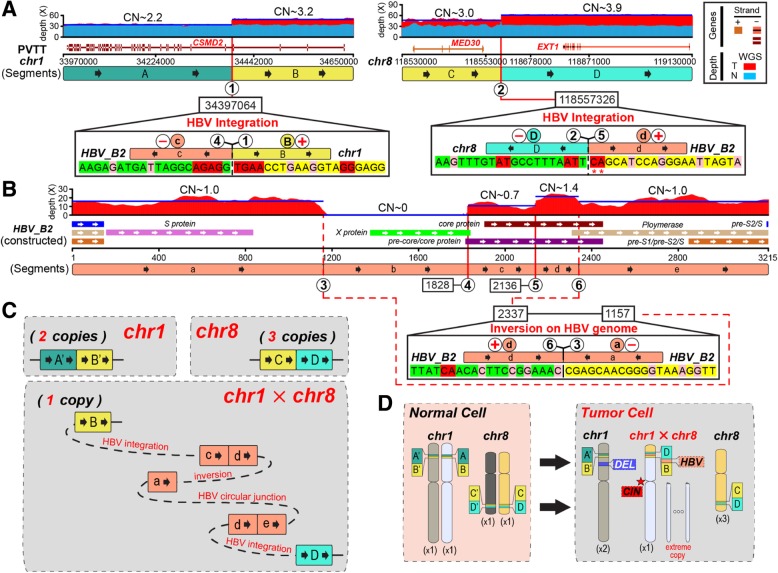
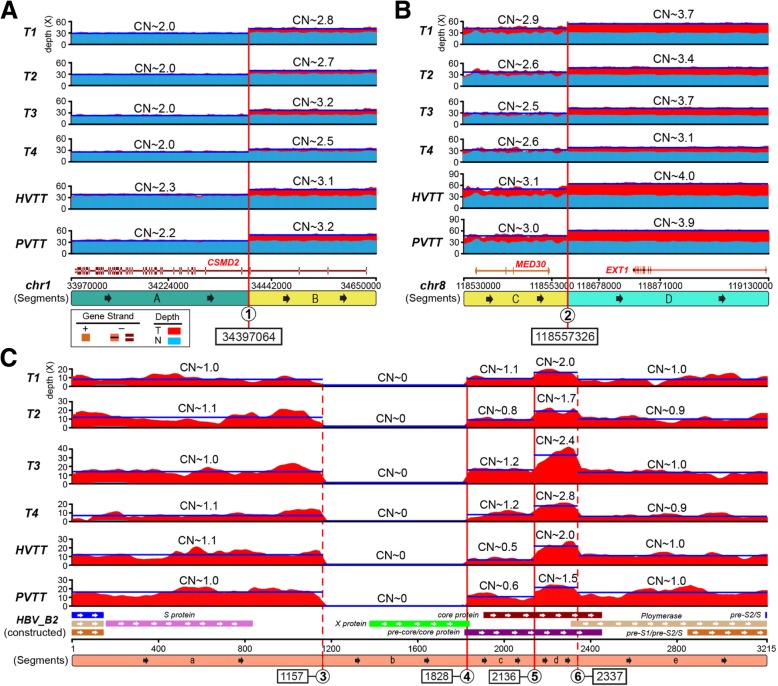
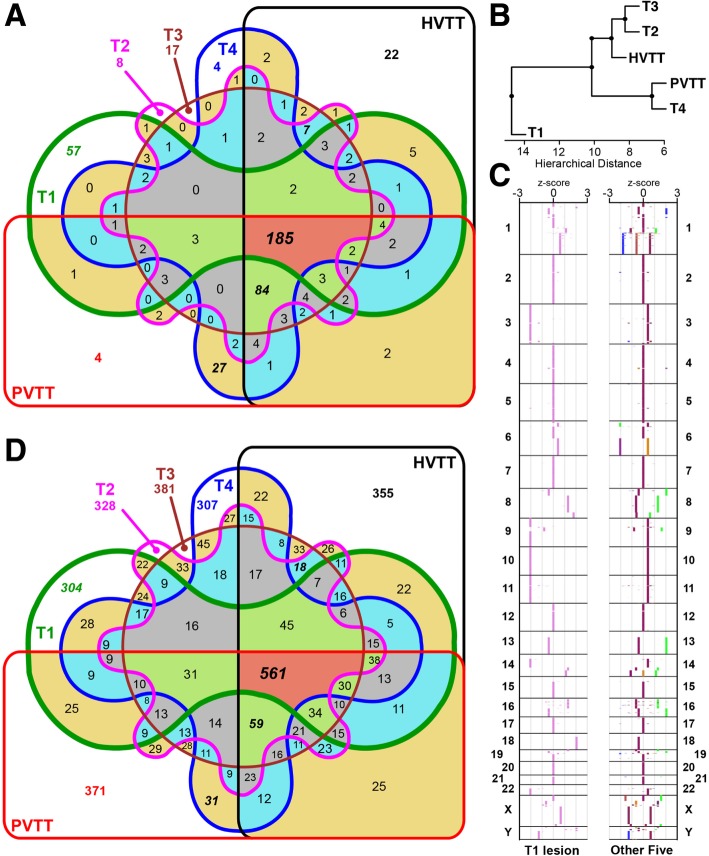
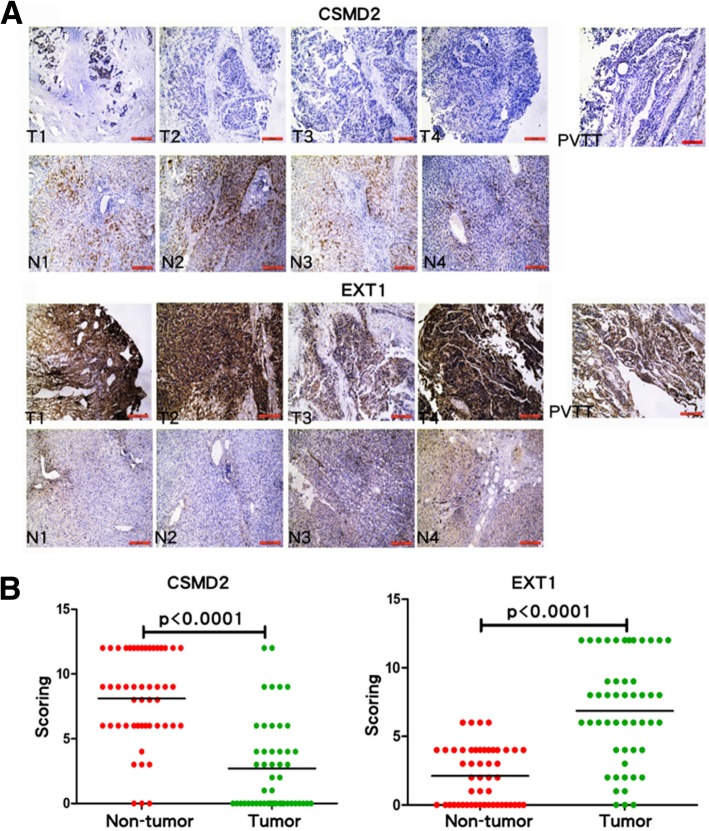
HBV captured sequencing of tissues and individual cells revealed that samples from multiple tumors shared two viral integration sites that could affect three host genes, including CSMD2 on chr1 and MED30/EXT1 on chr8. Whole genome sequencing further indicated one hybrid chromosome formed by HBV integrations between chr1 and chr8 that was shared by multiple tumors. Additional 50 poorly differentiated liver tumors and the paired adjacent non-tumors were evaluated and functional studies suggested up-regulated EXT1 expression promoted HCC growth. We further observed that the most somatic mutations within the tumor cell genome were common among the multiple tumors, suggesting that HBV associated, multifocal HCC is monoclonal in origin.
Through analyzing the HBV integration sites in multifocal HCC, our data suggested that the tumor cells were monoclonal in origin and formed in the absence of active viral replication, whereas the affected host genes may subsequently contribute to carcinogenesis.
尽管隐匿性乙型肝炎病毒(HBV)感染(OBI)患者的预后通常良好,但一小部分患者可能会发展为肝硬化,进而发展为肝细胞癌(HCC)。我们研究了病毒 DNA 终身整合到 OBI 宿主基因组中的机制,这可能会诱导肝细胞转化。
我们对一名 OBI 患者的单个细胞进行了 HBV 捕获测序,该患者于 2013 年 5 月在中国同济医院接受了多次 HCC 肿瘤切除术和肝切除术。尽管血清中无法检测到病毒 DNA,但我们确定了肿瘤细胞和相邻非肿瘤细胞中病毒整合的模式,并获得了宿主基因组中病毒排列的详细信息,以及癌症基因组中 HBV 整合区域的详细信息。
组织和单个细胞的 HBV 捕获测序显示,多个肿瘤的样本共享两个可能影响三个宿主基因的病毒整合位点,包括 chr1 上的 CSMD2 和 chr8 上的 MED30/EXT1。全基因组测序进一步表明,chr1 和 chr8 之间的 HBV 整合形成了一条共享的杂合染色体,该染色体存在于多个肿瘤中。另外 50 个低分化肝癌及配对的相邻非肿瘤组织进行了评估,功能研究表明,EXT1 表达上调促进了 HCC 的生长。我们进一步观察到,肿瘤细胞基因组中大多数体细胞突变在多个肿瘤中是共同存在的,这表明 HBV 相关的多灶性 HCC 起源于单克隆。
通过分析多灶性 HCC 中的 HBV 整合位点,我们的数据表明肿瘤细胞起源于单克隆,并且在没有活跃病毒复制的情况下形成,而受影响的宿主基因可能随后有助于癌变。