Department of Neurosurgery, Rigshospitalet, Copenhagen, Denmark.
Mitochondrial Medicine, Department of Clinical Sciences, Lund University, Lund, Sweden.
J Neurotrauma. 2019 Dec 1;36(23):3253-3263. doi: 10.1089/neu.2018.6369. Epub 2019 Aug 1.
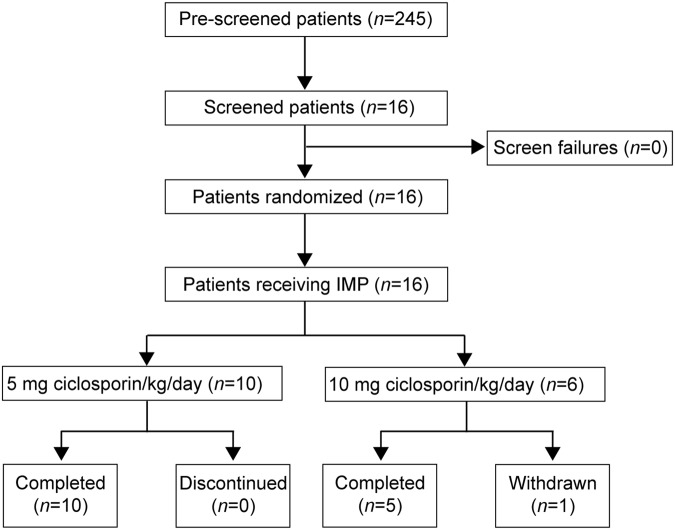
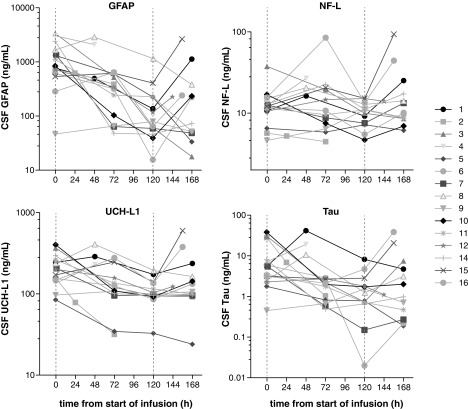
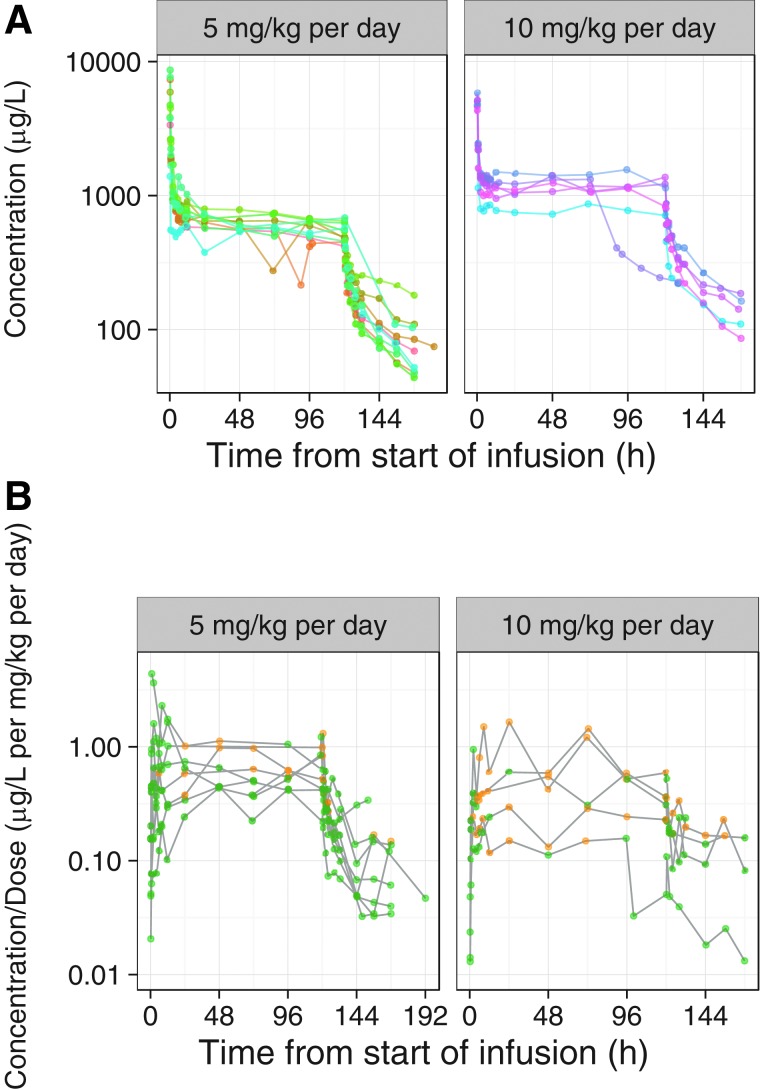
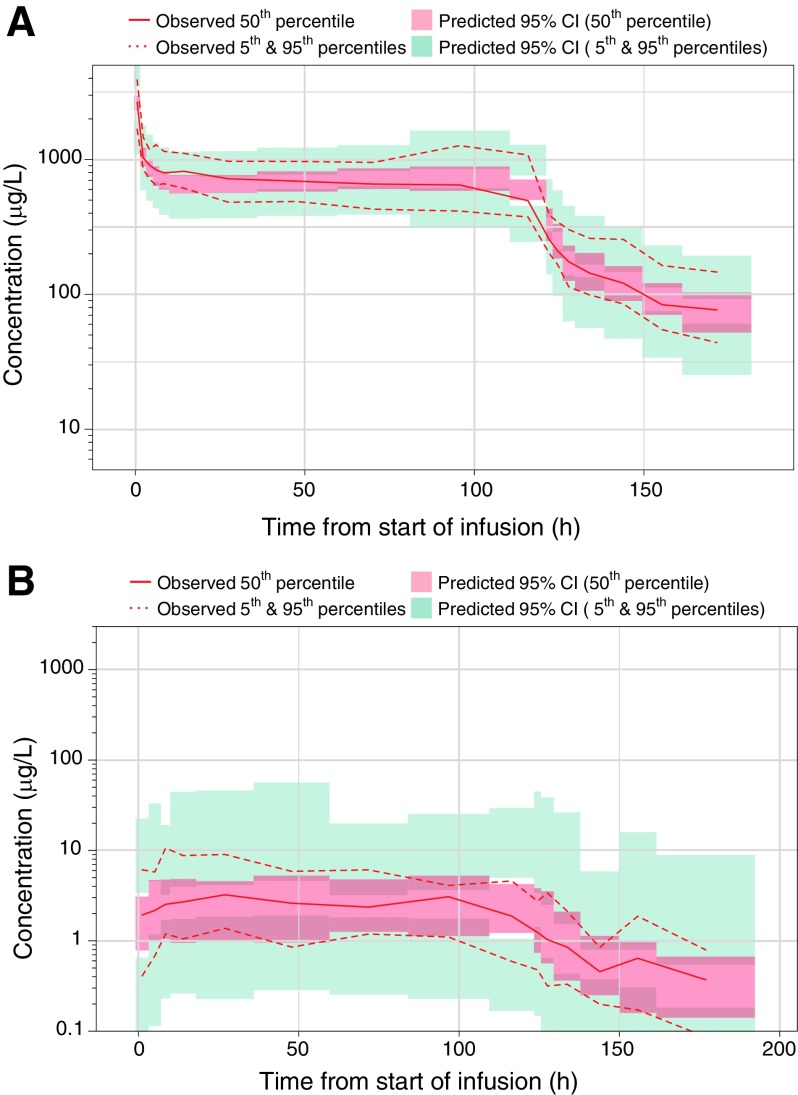
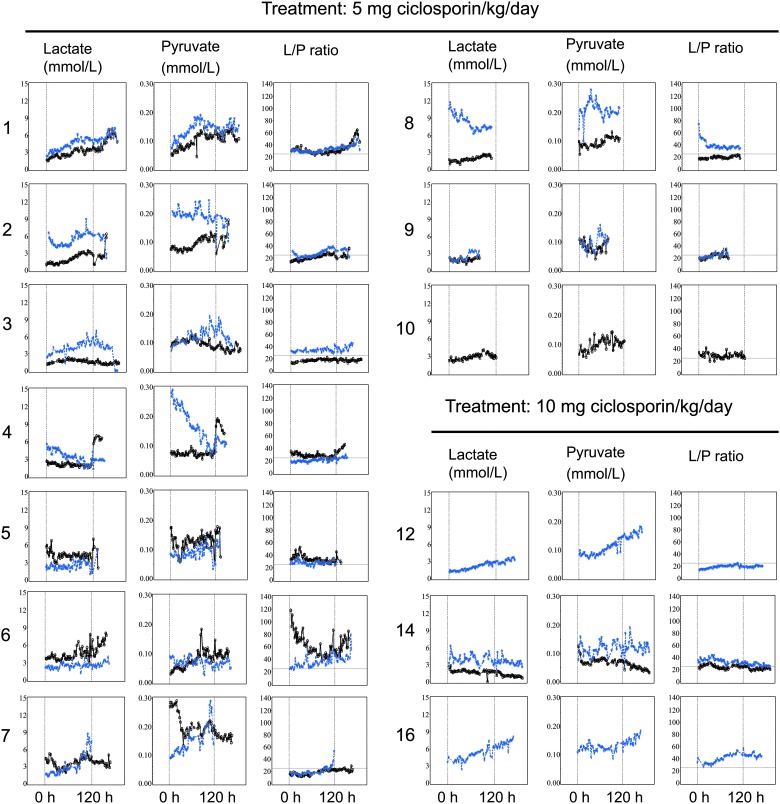
Traumatic brain injury (TBI) contributes to almost one third of all trauma-related deaths, and those that survive often suffer from long-term physical and cognitive deficits. Ciclosporin (cyclosporine, cyclosporin A) has shown promising neuroprotective properties in pre-clinical TBI models. The Copenhagen Head Injury Ciclosporin (CHIC) study was initiated to establish the safety profile and pharmacokinetics of ciclosporin in patients with severe TBI, using a novel parenteral lipid emulsion formulation. Exploratory pharmacodynamic study measures included microdialysis in brain parenchyma and protein biomarkers of brain injury in the cerebrospinal fluid (CSF). Sixteen adult patients with severe TBI (Glasgow Coma Scale 4-8) were included, and all patients received an initial loading dose of 2.5 mg/kg followed by a continuous infusion for 5 days. The first 10 patients received an infusion dosage of 5 mg/kg/day whereas the subsequent 6 patients received 10 mg/kg/day. No mortality was registered within the study duration, and the distribution of adverse events was similar between the two treatment groups. Pharmacokinetic analysis of CSF confirmed dose-dependent brain exposure. Between- and within-patient variability in blood concentrations was limited, whereas CSF concentrations were more variable. The four biomarkers, glial fibrillary acidic protein, neurofilament light, tau, and ubiquitin carboxy-terminal hydrolase L1, showed consistent trends to decrease during the 5-day treatment period, whereas the samples taken on the days after the treatment period showed higher values in the majority of patients. In conclusion, ciclosporin, as administered in this study, is safe and well tolerated. The study confirmed that ciclosporin is able to pass the blood-brain barrier in a TBI population and provided an initial biomarker-based signal of efficacy.
创伤性脑损伤(TBI)导致近三分之一的创伤相关死亡,幸存者往往长期存在身体和认知功能缺陷。环孢素(环孢菌素、环孢素 A)在创伤性脑损伤的临床前模型中表现出有希望的神经保护特性。哥本哈根头部损伤环孢素(CHIC)研究旨在使用新型肠外脂质乳剂制剂,确定严重创伤性脑损伤患者中环孢素的安全性概况和药代动力学。探索性药效学研究措施包括脑实质微透析和脑脊液(CSF)中脑损伤的蛋白生物标志物。纳入了 16 名严重创伤性脑损伤(格拉斯哥昏迷量表 4-8)的成年患者,所有患者均接受初始负荷剂量 2.5mg/kg,随后连续输注 5 天。前 10 名患者接受 5mg/kg/天的输注剂量,而随后的 6 名患者接受 10mg/kg/天的剂量。研究期间未发生死亡,两组的不良反应分布相似。CSF 的药代动力学分析证实了剂量依赖性的脑暴露。血液浓度的个体内和个体间变异性有限,而 CSF 浓度则更具变异性。四种生物标志物,胶质纤维酸性蛋白、神经丝轻链、tau 和泛素羧基末端水解酶 L1,在 5 天治疗期间呈一致下降趋势,而治疗期后几天采集的样本显示大多数患者的数值更高。总之,在这项研究中给予的环孢素是安全且耐受良好的。该研究证实,环孢素能够在创伤性脑损伤人群中通过血脑屏障,并提供了初步的基于生物标志物的疗效信号。