Abliva AB, Lund, Sweden.
Department of Clinical Sciences, Mitochondrial Medicine, Lund University, Lund, Sweden.
Neurotherapeutics. 2023 Oct;20(6):1482-1495. doi: 10.1007/s13311-023-01414-z. Epub 2023 Aug 10.
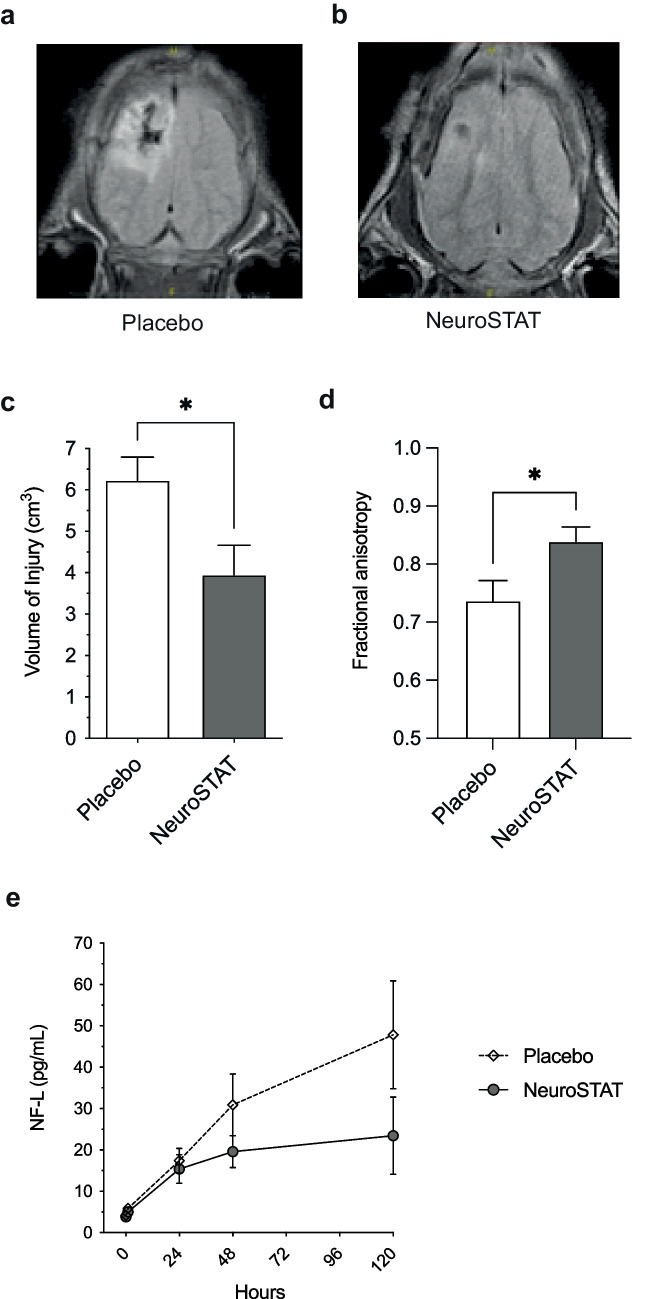
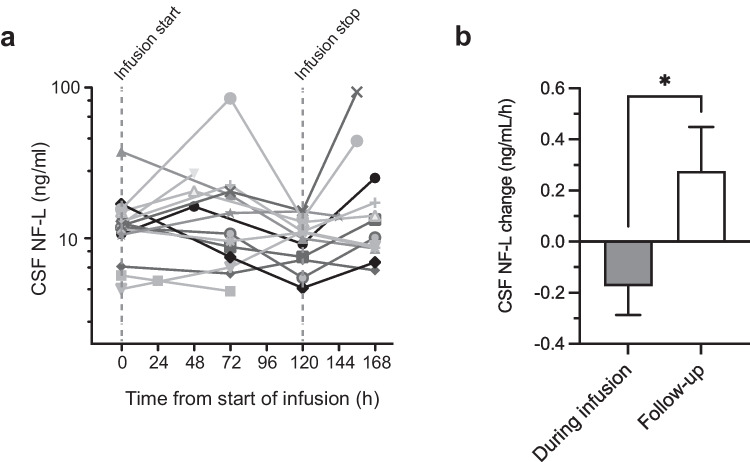
Drug development in traumatic brain injury (TBI) has been impeded by the complexity and heterogeneity of the disease pathology, as well as limited understanding of the secondary injury cascade that follows the initial trauma. As a result, patients with TBI have an unmet need for effective pharmacological therapies. One promising drug candidate is cyclosporine, a polypeptide traditionally used to achieve immunosuppression in transplant recipients. Cyclosporine inhibits mitochondrial permeability transition, thereby reducing secondary brain injury, and has shown neuroprotective effects in multiple preclinical models of TBI. Moreover, the cyclosporine formulation NeuroSTAT displayed positive effects on injury biomarker levels in patients with severe TBI enrolled in the Phase Ib/IIa Copenhagen Head Injury Ciclosporin trial (NCT01825044). Future research on neuroprotective compounds such as cyclosporine should take advantage of recent advances in fluid-based biomarkers and neuroimaging to select patients with similar disease pathologies for clinical trials. This would increase statistical power and allow for more accurate assessment of long-term outcomes.
创伤性脑损伤 (TBI) 的药物研发受到疾病病理的复杂性和异质性以及对继发损伤级联反应的理解有限的阻碍。因此,TBI 患者对有效药物治疗的需求未得到满足。一种有前途的候选药物是环孢素,一种传统上用于在移植受者中实现免疫抑制的多肽。环孢素抑制线粒体通透性转换,从而减少继发性脑损伤,并在多种 TBI 的临床前模型中显示出神经保护作用。此外,在参与哥本哈根头部损伤环孢素试验(NCT01825044)的严重 TBI 患者中,NeuroSTAT 环孢素制剂对损伤生物标志物水平显示出积极影响。对神经保护化合物(如环孢素)的未来研究应利用基于液体的生物标志物和神经影像学的最新进展,为临床试验选择具有相似疾病病理的患者。这将增加统计能力,并允许更准确地评估长期结果。